Aveline Kirana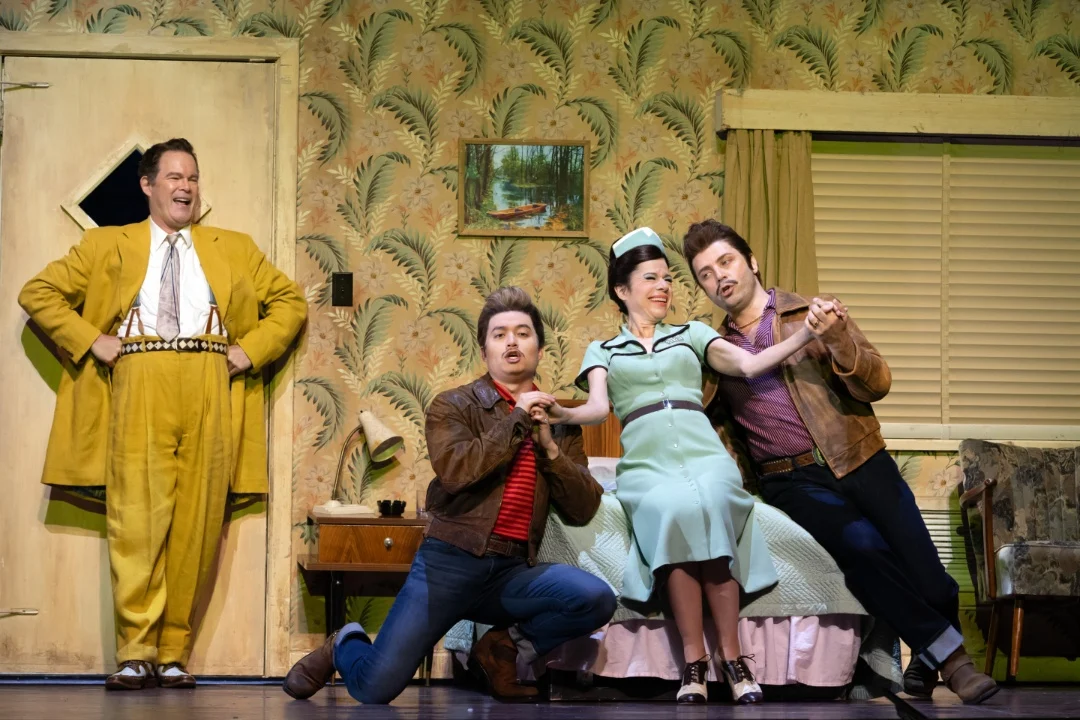
The Metropolitan Opera’s 2026-27 season is marked by the return of Phelim McDermott’s highly stylized production of Wolfgang Amadeus Mozart’s Così fan tutte. Originally unveiled to critical acclaim in 2020, this revival transports the listener to a sun-drenched, nostalgic 1950s Coney Island boardwalk. Under the baton of conductor Nimrod David Pfeffer, the production serves as a centerpiece for the company’s fall repertoire, balancing the inherent fragility of Da Ponte’s libretto with the rigorous musical demands of Mozart’s score.
Historical Context and Evolution of the Work
Così fan tutte (Thus Do They All) has experienced a turbulent history since its premiere in 1790. During the 19th and early 20th centuries, the work was often dismissed by critics and composers alike, including Johann Wolfgang von Goethe, who found the subject matter morally questionable. Even Ludwig van Beethoven, while acknowledging Mozart’s genius, reportedly disliked the opera’s cynical premise, which arguably spurred his own efforts to create works of greater moral gravity, such as Fidelio.
Despite its historical reputation as a "problematic" comedy, the work is now recognized as one of the most sophisticated explorations of human frailty in the operatic canon. The opera documents a "tit-for-tat" psychological experiment in which two young officers, Ferrando and Guglielmo, attempt to test the fidelity of their fiancées, Fiordiligi and Dorabella, at the urging of the cynical philosopher Don Alfonso. Mozart’s score is famously unforgiving; it provides no place for a performer to hide, requiring a degree of technical precision and ensemble cohesion that acts as a rigorous test for any company.
The 2026 Revival: Musical and Vocal Performances
The current production places the musical narrative at the forefront. The opening overture, a foundational eight-bar sequence that sets the temperament for the entire evening, established a standard of proficiency that persisted through the final act. Conductor Nimrod David Pfeffer demonstrated a keen sensitivity to the score’s pacing, ensuring that the transition between the comic banter and the moments of profound emotional introspection remained fluid.
Soprano Federica Lombardi, portraying Fiordiligi, anchored the production with a vocal performance noted for its range and tonal consistency. Her interpretation of "Come scoglio immoto resta" was a technical highlight, navigating the complex leaps from the lower chest register to the upper reaches of the falsetto with notable control. Partnering with her was mezzo-soprano Samantha Hankey as Dorabella. Their Act I duet, "Ah! guarda sorella," served as a demonstration of vocal chemistry, with Hankey’s warm, complex mezzo grounding the brightness of Lombardi’s soprano. Hankey’s rendering of "Smanie implacabili che m’agitate" offered a nuanced look at the character’s internal turmoil, providing a psychological depth that underscored the opera’s darker undercurrents.
The Masculine Follies: A Study in Characterization
The trio of men—tenor Duke Kim as Ferrando, baritone Andrey Zhilikhovsky as Guglielmo, and bass-baritone Gerald Finley as Don Alfonso—offered a multifaceted look at the opera’s inherent chauvinism. Da Ponte’s libretto uses these characters to explore the arrogance of the male gaze, a theme that Mozart underscores through intricate melodic maneuvers.
Gerald Finley’s portrayal of Don Alfonso was characterized by a sharp, intellectual detachment that effectively framed the dark comedy of the plot. His aria "Vorrei dir e cor non ho" was delivered with a precise comedic timing that highlighted the character’s manipulative nature. Meanwhile, the vocal interplay between Kim and Zhilikhovsky during "Al fato dan legge" provided the necessary friction to move the plot forward, with Kim’s "Un’aura amorosa" offering a moment of lyrical vulnerability that served as a necessary foil to the surrounding cynicism.
Production Design and Theatrical Innovation
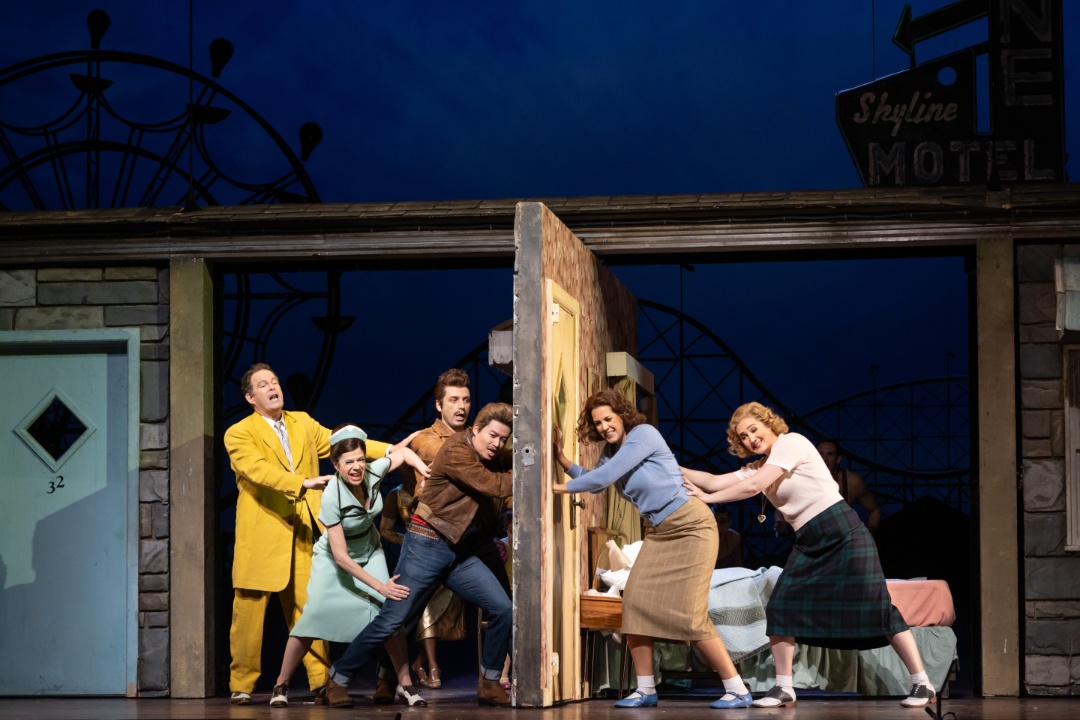
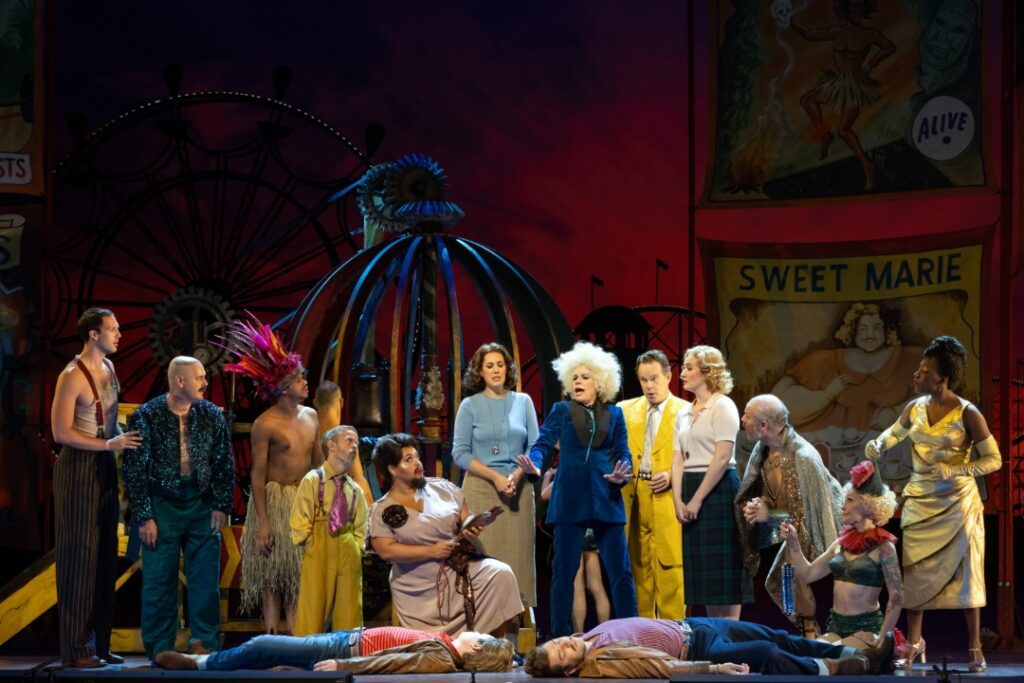
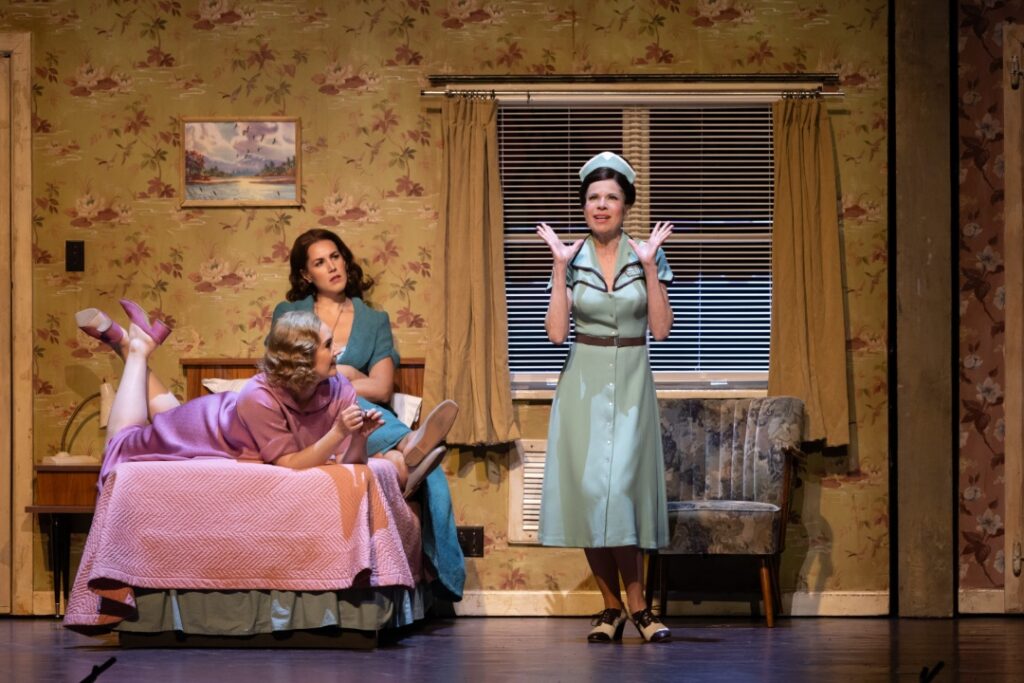
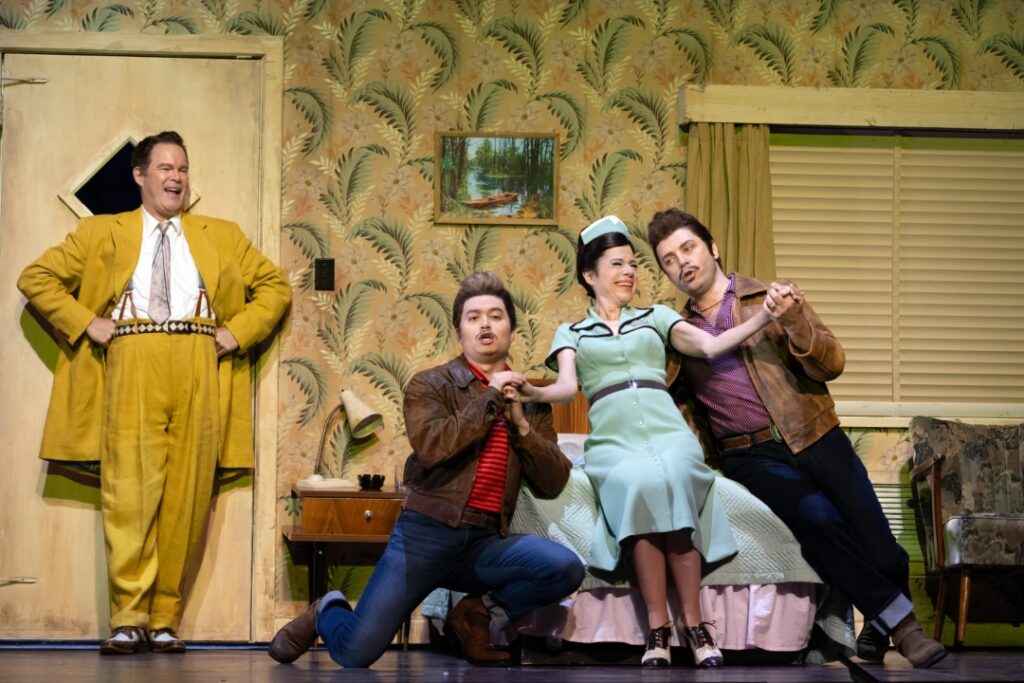
Phelim McDermott’s staging choices remain a focal point of this production. By recontextualizing the setting to a 1950s Coney Island, the production utilizes a series of mechanical set pieces—including a rotating ferris wheel—to mirror the repetitive, cyclical nature of the characters’ delusions. The physical comedy, while fast-paced, is meticulously choreographed to avoid overshadowing the music.
The inclusion of surrealist elements, such as the prominent use of a large albino boa constrictor, serves to heighten the dreamlike, carnival atmosphere that McDermott favors. These choices reflect a broader shift in contemporary operatic staging: the desire to ground 18th-century narratives in recognizable, modern (or mid-century modern) visual languages without compromising the integrity of the original score.
Data and Performance Metrics
The Metropolitan Opera’s decision to revive this specific production underscores its ongoing popularity. Statistical analysis of the 2020 run showed high attendance rates, with the "Coney Island" concept appealing to both long-time subscribers and a younger demographic. For the 2026-27 season, the company has emphasized the "ensemble-heavy" nature of the work as a strategic choice to highlight the current roster of resident artists.
The success of Così fan tutte rests on the ability of the cast to act as a unified machine. Every performer is required to be fully engaged in the collaborative process; as demonstrated in the Act II trio "Sani e salvi agli," the success of the scene is entirely dependent on the balance between the vocalists and the orchestra. Failure in this regard leads to an imbalance in the comedic timing, a pitfall that this specific production avoided through disciplined rehearsals and clear artistic direction.
Broader Implications and Artistic Impact
The staging of Così fan tutte in the 2026-27 season serves as a case study for how legacy institutions can maintain the relevance of traditional works. By focusing on the universality of the themes—namely, the fragility of trust and the absurdity of human behavior—the Metropolitan Opera has ensured that Mozart’s work continues to resonate with modern audiences.
The critical reception of this revival suggests that while the operatic form is inherently rooted in the past, its delivery is subject to the interpretive lens of the present. The synergy between Pfeffer’s musical direction and McDermott’s visual storytelling creates a cohesive experience that invites the audience to view the opera not as a static museum piece, but as a living, breathing work of theater.
As the Metropolitan Opera moves forward with its 2026-27 season, the success of this production reaffirms the institution’s commitment to "high-concept" stagings that prioritize the interplay between the music, the libretto, and the physical space. The production does not merely entertain; it forces a confrontation with the uncomfortable truths of human relationships, wrapped in the vibrant, neon-lit facade of a bygone era.
Final Considerations
For the regular opera-goer, this production offers a balanced synthesis of technical vocal mastery and theatrical spectacle. It is a testament to the endurance of Mozart’s composition that, even when placed in the context of a 1950s boardwalk, the underlying themes of love, deceit, and eventual reconciliation remain potent.
With the conclusion of the opening run, the production has set a high benchmark for the remainder of the Met’s season. The collaboration between the cast and the creative team has resulted in an interpretation that is both intellectually stimulating and visually arresting, ensuring that Così fan tutte remains a staple of the repertoire for seasons to come. The ability to pull off such a feat, while maintaining the delicate balance of Mozart’s score, confirms the Met’s status as a leader in global opera production. Whether viewed through the lens of historical tradition or modern innovation, this revival remains an essential engagement for those interested in the current state of professional opera.