 Nana Wu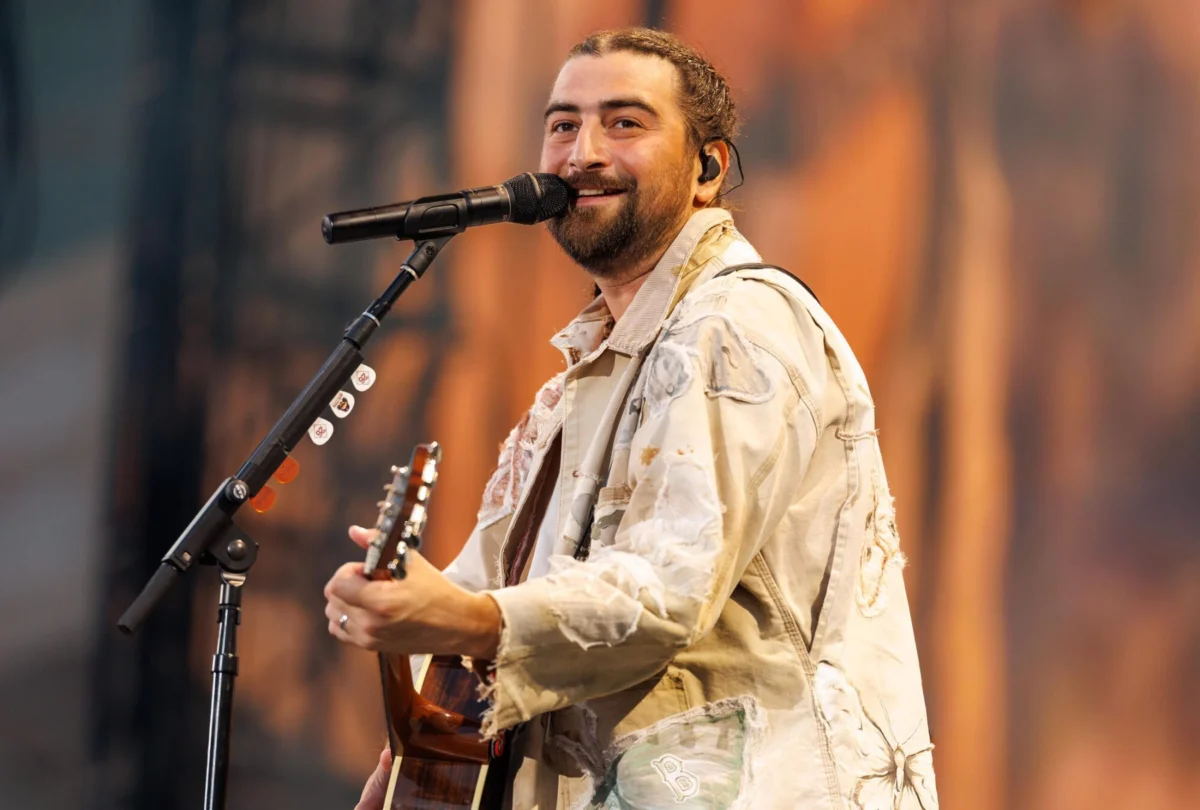
Massachusetts Governor Maura Healey, on Thursday, July 16, 2026, officially unveiled An Act Relative to Closing the Great Divide between Ticket Prices and Affordability, a landmark legislative proposal designed to curb exorbitant resale prices and hidden fees in the live event ticketing market. Named after Grammy-nominated artist Noah Kahan’s chart-topping 2026 album, The Great Divide, the bill directly addresses widespread consumer frustration over inaccessible concert and sporting event tickets, capping resale prices at 110% of face value and limiting secondary platform service charges to 10%. Kahan, a vocal advocate for ticketing reform, lent his support virtually to the governor’s press conference, underscoring the growing momentum for consumer protection within the live entertainment industry.
The Genesis of "The Great Divide Act"
Governor Healey’s administration has positioned The Great Divide Act as a critical response to what it describes as a predatory and opaque ticketing ecosystem that disproportionately harms consumers. The legislation seeks to establish a more equitable environment for fans eager to attend live events, ranging from major sporting spectacles to intimate musical performances. The core provisions of the proposed bill are multifaceted, targeting key areas of concern within the secondary ticketing market.
Firstly, the act introduces a stringent resale cap, stipulating that concert and event tickets cannot be resold for more than 110% of their original face value. This measure is designed to directly combat price gouging by scalpers and automated "bot" accounts that often purchase large blocks of tickets only to relist them at astronomical markups, frequently reaching several hundred percent above the initial price. This cap would apply universally to all events unless an artist or venue explicitly agrees to a higher resale limit through a formal written agreement, providing a mechanism for flexibility while prioritizing consumer protection.
Secondly, the bill aims to rein in the often-exorbitant service fees charged by secondary ticketing platforms. It proposes a cap of 10% on all service fees and charges imposed by these platforms for both sporting and non-sporting events. This provision directly targets the opaque "drip pricing" practices, where consumers are often hit with unexpected and substantial fees only at the final stages of a purchase, significantly inflating the overall cost. By limiting these charges, Massachusetts seeks to bring greater transparency and predictability to the ticket buying process.
Beyond price and fee caps, The Great Divide Act also includes crucial consumer protection measures. It explicitly bans the sale of "speculative tickets," a controversial practice where resellers list tickets for sale that they do not yet possess or have confirmed access to. This often leads to instances where buyers pay for tickets that never materialize or are delivered at the last minute, causing significant stress and potential financial loss. Furthermore, the legislation prohibits deceptive resale websites that mimic official artist or venue sites, misleading consumers into believing they are purchasing directly from primary sources, often at inflated prices.
Noah Kahan’s Powerful Advocacy
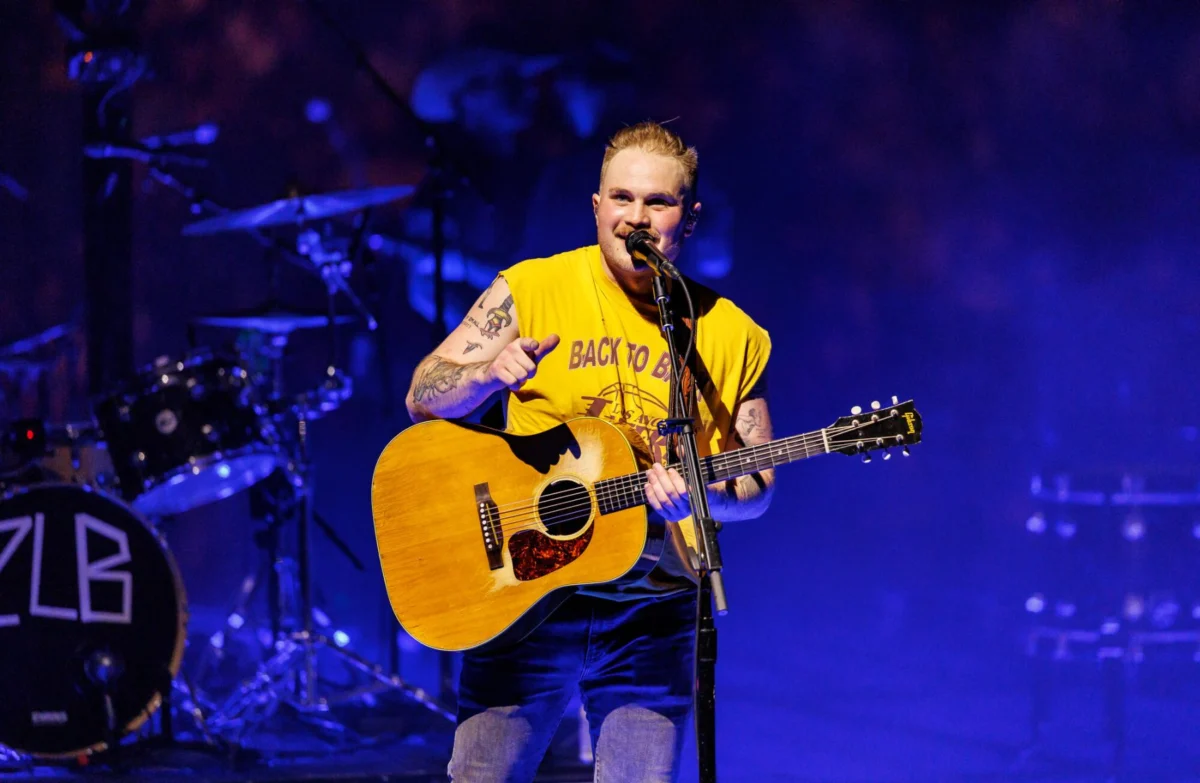
Noah Kahan’s involvement in the Massachusetts legislative effort marks another significant step in his burgeoning role as a champion for ticketing reform. The folk-pop sensation, whose album The Great Divide became a cultural touchstone in 2026, has consistently used his platform to advocate for fairer practices in an industry plagued by consumer grievances. His virtual appearance at Governor Healey’s press conference underscored the deep connection artists feel to this issue, recognizing that exploitative ticketing practices directly impact their relationship with their fanbase.
"I heard about what you’re announcing today, and I just wanted to let you know how excited I am about it," Kahan stated via video during the announcement. "The artist community and fans will greatly benefit from limiting ticket scalping and the sales of speculative tickets. I love my fans and want to protect them however I can. Artists alone could not tackle the market manipulation of secondary resellers. So, thank you so much for making this a priority in Massachusetts."
Kahan’s advocacy is rooted in personal experience and a profound understanding of his audience’s struggles. His music, often celebrated for its authenticity and connection to everyday life, resonates deeply with fans who feel priced out of experiencing live performances. This commitment was previously evident in his home state of Vermont, where he played a pivotal role in advocating for similar legislation. At the end of May 2026, Vermont Governor Phil Scott signed a resale cap bill into law, making it only the second state in the nation, following Maine, to enact such comprehensive legislation. Kahan’s consistent voice highlights a growing consensus among artists that systemic changes are needed to ensure their art remains accessible to all. His recent historic achievement of headlining four consecutive sold-out shows at Fenway Park in Boston further solidifies his status as a major artist whose concerns carry significant weight within the industry and political spheres.

A National Movement for Ticketing Reform
The introduction of The Great Divide Act in Massachusetts is not an isolated incident but rather a significant development within a broader national movement for ticketing reform. Across the United States, states and municipalities are increasingly recognizing the urgent need to address the widespread issues plaguing the live event ticketing market. More than 20 other states have introduced various ticketing consumer protection bills this year alone, signaling a bipartisan legislative appetite for change.
Just this week, the Washington, D.C. Council passed the RESALE Act, a comprehensive bill aimed at regulating the ticketing market in the nation’s capital. This federal district’s move, alongside actions in Maine, Vermont, and now Massachusetts, demonstrates a snowball effect, where successful legislative efforts in one jurisdiction inspire similar initiatives in others.
The impetus for this national push stems from years of consumer frustration, exacerbated by high-profile incidents such as the ticketing controversies surrounding major tours like Taylor Swift’s "Eras Tour," which brought the issue of dynamic pricing, bot attacks, and secondary market exploitation into sharp focus for millions of Americans. Federal lawmakers have also engaged with the issue, with discussions around the "Junk Fees Prevention Act" and the "TICKET Act" aiming to mandate greater transparency and fairness at a national level. The Massachusetts bill adds substantial weight to this ongoing dialogue, presenting a tangible framework for states to adopt.
The Dysfunctional Ticketing Ecosystem: A Deeper Dive
The need for legislation like The Great Divide Act arises from a complex and often opaque ticketing ecosystem that has evolved significantly with the advent of digital platforms. The primary market, dominated by a few major players like Live Nation Entertainment (which owns Ticketmaster), sells tickets directly from artists and venues. However, the secondary market, where tickets are resold, has grown exponentially, fueled by technology and demand.
A significant portion of consumer frustration stems from "scalping," the practice of purchasing tickets at face value and reselling them at a profit. While legitimate resale can provide flexibility, the widespread use of automated "bots" by professional scalpers has become a major problem. These bots can bypass security measures and rapidly acquire thousands of tickets within seconds of their release, leaving genuine fans with little chance to purchase at face value. A 2023 report by the Government Accountability Office (GAO) highlighted that for popular events, secondary market prices can often be 50% to 1000% higher than the original face value, creating an insurmountable barrier for many fans.
Hidden fees, or "drip pricing," are another major point of contention. Consumers often encounter seemingly reasonable ticket prices only to find substantial service charges, processing fees, and delivery fees added at checkout, sometimes increasing the total cost by 30-50%. These fees are often not clearly disclosed upfront, leading to a sense of deception and eroding consumer trust. The U.S. live entertainment market is estimated to be worth over $25 billion annually, and a significant portion of that revenue is diverted through these opaque practices and inflated resale prices.
Speculative ticketing and deceptive websites further compound the problem. Speculative tickets, as mentioned, are sold by resellers who don’t actually possess the tickets, creating a risk of fraud or non-delivery. Deceptive websites, often designed to mimic official vendor sites, trick consumers into paying inflated prices or inadvertently providing personal information. These practices contribute to hundreds of thousands of consumer complaints annually, detailing everything from fraudulent tickets to unexpected charges. The Great Divide Act directly tackles these core issues, aiming to restore integrity and fairness to the live event experience.
Industry Perspectives and Potential Reactions
The introduction of The Great Divide Act in Massachusetts is expected to elicit a spectrum of reactions from various stakeholders within the live entertainment industry.
Consumer advocacy groups are likely to be staunch supporters, viewing the bill as a victory for fan rights and accessibility. Organizations such as the National Consumers League and others have long campaigned for greater transparency, lower fees, and protection against predatory resale practices, aligning perfectly with the act’s objectives. They would emphasize that these measures foster a healthier market where more fans can afford to attend events, thereby supporting artists and local economies.

Artists and artist management teams are also largely expected to welcome the legislation. While some artists engage in dynamic pricing or premium ticket sales, the overwhelming sentiment is a desire for their music to be accessible to their fanbase. Many artists recognize that excessively high secondary market prices damage their relationship with fans, make tours less equitable, and can even deter future attendance. Measures that curb scalping and ensure more revenue stays within the official ecosystem are generally favored.
Primary ticketing platforms, such as Ticketmaster (owned by Live Nation), typically advocate for "all-in" pricing, where all fees are disclosed upfront, a concept that aligns with aspects of the Massachusetts bill’s push for transparency. However, they may express nuanced views on resale caps. While they often blame the secondary market for many issues, strict price caps could potentially impact their own strategies for premium ticket offerings or dynamic pricing models. Their primary concern often revolves around combating bots and ensuring tickets sold through their official channels are protected.
Secondary ticketing platforms, including major players like StubHub, SeatGeek, and Vivid Seats, are likely to voice strong opposition to the resale cap provisions. Their business model relies on an open market where ticket prices can fluctuate based on supply and demand. They typically argue that price caps interfere with a free market, stifle competition, hurt legitimate resellers (individuals who can no longer recoup their investment or make a modest profit), and ultimately reduce consumer choice by making it harder for fans to find tickets for sold-out events. They might also argue that such caps drive the market underground, making it harder to regulate. Legal challenges citing interstate commerce or antitrust concerns from these platforms are a distinct possibility.
Broader Implications and Future Outlook
Should The Great Divide Act pass into law, its implications for the live entertainment landscape in Massachusetts and potentially beyond could be profound.
For Fans: The most immediate and tangible benefit would be increased affordability and accessibility to live events. Fans would be better protected from price gouging, hidden fees, and fraudulent tickets, fostering a more positive and trustworthy ticket-buying experience. This could lead to higher attendance rates for events, boosting local economies through increased spending on hospitality, dining, and transportation.
For Artists and Venues: The legislation could help artists ensure more of their tickets reach genuine fans at fair prices, strengthening fan loyalty and reducing the perception that artists are complicit in high secondary market prices. For venues and promoters, it could lead to more predictable revenue streams and potentially higher initial sales as fans feel more confident in purchasing directly.
For the Ticketing Industry: The secondary market would face significant operational adjustments. Platforms would need to adapt their business models, potentially focusing more on transparency, anti-fraud measures, and facilitating legitimate resales within the established caps. This could accelerate innovation in direct-to-fan ticketing models or blockchain-based solutions aimed at ensuring ticket authenticity and limiting resales.
Legal and Economic Landscape: The passage of The Great Divide Act would set a powerful precedent for other states considering similar measures. It could also ignite further debate at the federal level regarding uniform national standards for ticketing. However, the bill’s journey through the legislative process is far from over. It will now be considered by the Massachusetts House and Senate, where it will undergo committee reviews, public hearings, and potential amendments. Industry lobbying efforts, particularly from secondary market interests, are expected to be robust. Legal challenges from entities that believe their business models are unfairly impacted could also emerge, potentially testing the limits of state regulatory authority over a national market.
Ultimately, The Great Divide Act represents a significant legislative attempt to rebalance the power dynamics within the live event ticketing market, shifting the focus back to consumer protection and fair access. Its success in Massachusetts could well serve as a blueprint for a nationwide transformation, promising a future where the joy of live entertainment is once again within reach for all fans.