 Johan Budi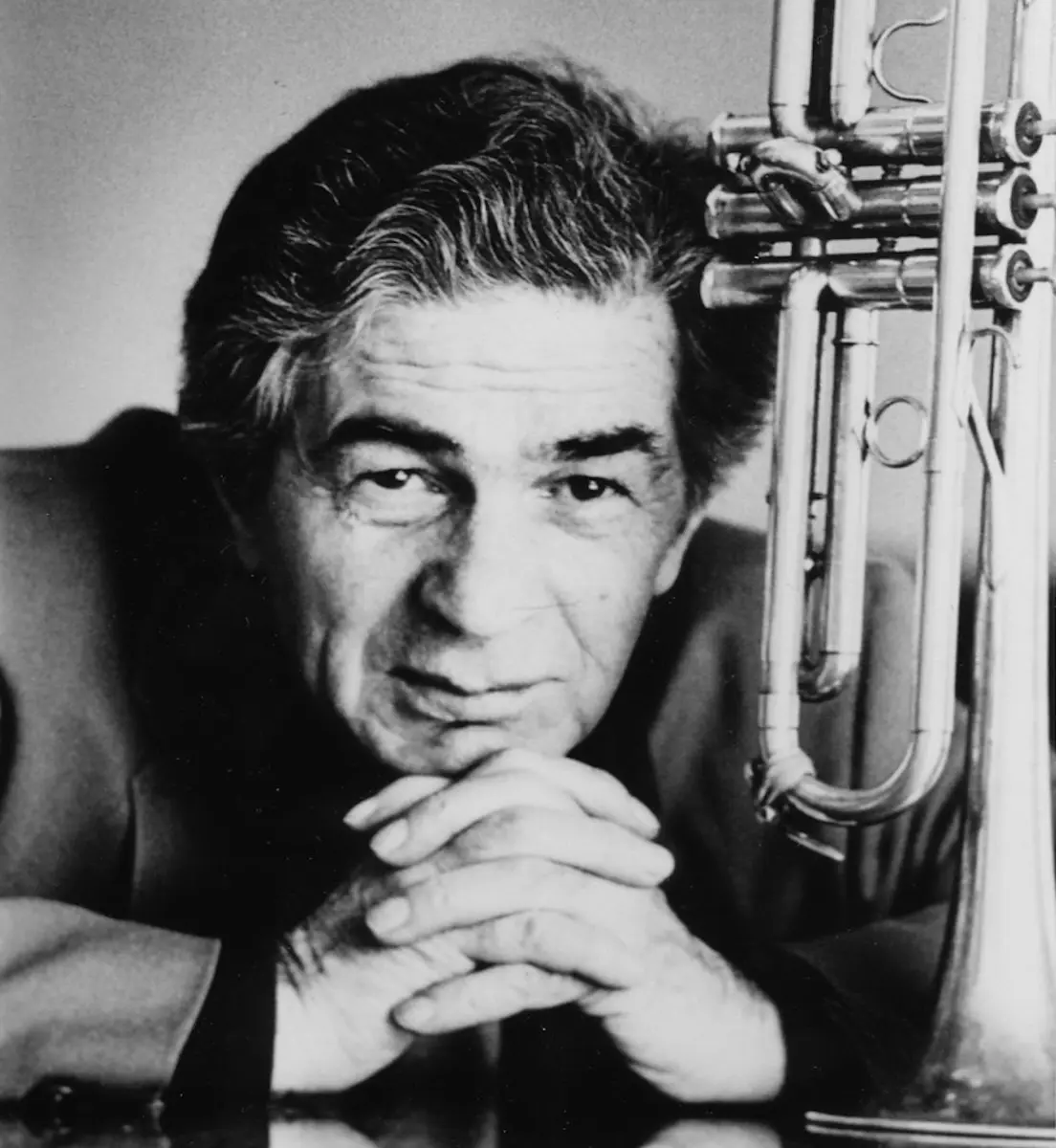
The mid-20th century served as a transformative era for American jazz, characterized by a departure from the frantic tempos of bebop toward more structured, melodic, and rhythmically diverse explorations. Three specific recordings—Miles Davis’s Birth of the Cool, the Dave Brubeck Quartet’s Dave Digs Disney, and Stan Getz and Charlie Byrd’s Jazz Samba—stand as monumental pillars in this evolution. These albums did more than just capture performances; they redefined the genre’s commercial viability, technical boundaries, and international reach. By examining the historical context, technical innovations, and market impact of these records, one gains a comprehensive understanding of how jazz transitioned from a niche subculture into a global phenomenon that influenced both high art and popular culture.
The Genesis of the Cool: The Miles Davis Nonet
The origins of what would become known as "Cool Jazz" can be traced to the late 1940s, specifically within the creative vacuum left when the Claude Thornhill orchestra temporarily disbanded. Key arrangers Gil Evans and Gerry Mulligan, who had been instrumental in shaping Thornhill’s signature "lush" sound, began collaborating with John Lewis and John Carisi. Their objective was technically ambitious: to replicate the dense, orchestral sonorities of a large ensemble using the smallest possible number of instruments. This experimentation took place primarily at Nola’s Studios in New York City, where a rehearsal band was formed.
The personnel for this ensemble was a "who’s who" of emerging talent, many of whom were seeking a respite from their duties with Thornhill. The lineup included Lee Konitz on alto saxophone, Joe Shulman on bass, Sandy Siegelstein on French horn, and Bill Barber on tuba. The inclusion of the French horn and tuba was a radical departure for a small jazz group, providing the "pastel" tonal colors that would define the era. While Miles Davis eventually assumed leadership of the group, historical accounts suggest his appointment was largely due to his growing reputation following his work with Charlie Parker. Davis had been meticulously studying Evans’s charts for the Thornhill band, making him the logical choice to front the project.
Technical Innovation and the Payment Dispute
Between 1949 and 1950, the nonet recorded twelve titles for Capitol Records, initially released as 78s. These tracks, including "Jeru," "Boplicity," and "Israel," showcased a revolutionary approach to jazz arrangement. Unlike the improvisational heavy-lifting of bebop, these pieces relied on intricate, pre-written structures where the soloists were integrated into the ensemble’s texture. Gerry Mulligan’s contribution was particularly significant; despite early sleeve notes crediting him with five arrangements, it was later confirmed that he penned seven, including "Deception," "Rocker," and "Godchild."
However, the transition from a rehearsal band to a recording act was not without internal friction. As documented by Gene Lees in Arranging The Score, the writers—Mulligan, Evans, Lewis, and Carisi—were initially unpaid for their labor. John Lewis famously confronted Davis, noting that the material was created for the group’s internal growth as a rehearsal band, but once the recordings became commercial products, financial compensation was a necessity. This tension highlighted the shifting nature of jazz from a communal laboratory to a professional industry.
The nonet’s brief live residency at the Royal Roost in December 1948, where they performed opposite giants like Count Basie, served as the public debut of this new sound. Yet, it was not until 1957 that Capitol Records compiled these recordings into an LP titled Birth of the Cool. The title, coined by producer Pete Rugolo, provided a definitive name for a movement that had already begun to dominate the West Coast jazz scene.
Commercial Dominance and the Brubeck Phenomenon
By the time the Dave Brubeck Quartet entered the studio in 1957 to record Dave Digs Disney, the group had already established itself as a commercial juggernaut. Through a series of successful live recordings such as Jazz at Oberlin and Jazz Goes to College, Brubeck had successfully marketed jazz to academic and middle-class audiences. The quartet was not only a critical darling, frequently winning polls in Downbeat and Metronome magazines, but it was also the highest-paid small group in the industry, surpassing even George Shearing’s quintet.
The decision to record jazz interpretations of Disney film themes was a strategic move that bridged the gap between "high art" jazz and "low-brow" popular culture. While the repertoire—including "Alice in Wonderland" and "Heigh-Ho"—might have seemed unconventional for a serious jazz ensemble, it provided a familiar melodic framework for the quartet’s sophisticated technical explorations.
Rhythmic Complexity and the Classic Lineup
Dave Digs Disney served as a showcase for the quartet’s evolving rhythmic language. A key factor in this evolution was the arrival of drummer Joe Morello. Unlike his predecessor Joe Dodge, who preferred a supportive, non-soloistic role, Morello was a virtuoso who brought a new level of dynamism to the group. His extended contribution on "Heigh-Ho" marked a turning point, signaling that the drums would henceforth be a lead voice in the Brubeck sound.
The album also highlighted the "delightful contrapuntal interplay" between Brubeck’s piano and Paul Desmond’s alto saxophone. On "Someday My Prince Will Come," the group experimented with polyrhythms—a precursor to the odd-meter experiments that would define their 1959 masterpiece, Time Out. In this track, the alto, piano, and bass operate in a 3/4 time signature while the drums play in 4/4, creating a complex, shifting foundation for Desmond’s "elegantly structured" solos.
This period also marked a final transition in the quartet’s personnel. Bassist Norman Bates, weary of the rigors of touring, departed shortly after the sessions. He was replaced by Eugene Wright, an African American bassist whose rock-solid timing and "big" sound completed the "Classic Brubeck Quartet." This lineup would go on to break social and musical barriers during the Civil Rights era.
The Bossa Nova Revolution: Getz and Byrd
In 1961, tenor saxophonist Stan Getz returned to the United States after a three-year residency in Denmark. Facing a domestic jazz scene that had moved on in his absence, Getz sought a project that would re-establish his relevance. The result was Jazz Samba, a collaboration with guitarist Charlie Byrd that would inadvertently spark a national obsession with Brazilian music.
Byrd had recently returned from a diplomatic tour of South America, sponsored by the U.S. State Department, where he had been exposed to the emerging "bossa nova" (new trend) sound of João Gilberto and Antonio Carlos Jobim. Byrd brought these rhythms back to Washington D.C., and convinced Getz that the cool, airy quality of his saxophone would be the perfect match for the Brazilian beat.
Recording and Market Impact
The recording session took place on February 13, 1962, at Pierce Hall within the All Souls Unitarian Church in Washington D.C. The choice of venue was inspired; the superior acoustics of the church hall captured the nuances of Byrd’s nylon-string guitar and Getz’s lyrical phrasing with exceptional clarity.
The album’s success was unprecedented for a jazz record. It reached No. 1 on the Billboard Top LPs chart and remained on the charts for 70 weeks. The single "Desafinado" became a crossover hit, peaking at No. 15 on the Hot 100 Pop Singles chart. This commercial performance was particularly notable because the album was marketed simply as "Samba." Producer Creed Taylor famously omitted the term "bossa nova" from the initial sleeve notes, fearing that American audiences would find the term confusing.
Musically, Jazz Samba simplified some of the more complex Brazilian modulations to suit American "blowing" (improvisational) styles. On "Desafinado," Getz and Byrd utilized a montuno-style vamp for the solo sections, providing a stable platform for Getz’s creative excursions. The album’s emotional range was equally impressive; from the melancholy of "Samba Triste" to the chromatic intensity of "One Note Samba," the record demonstrated that jazz could be both sophisticated and accessible.
Chronology of Influence and Broader Implications
The timeline of these three records illustrates a broader narrative of jazz’s maturation:
- 1948–1950: The Miles Davis Nonet establishes the aesthetic of "Cool," prioritizing arrangement and tonal color over raw speed.
- 1957: The release of the Birth of the Cool LP and the recording of Dave Digs Disney signify the institutionalization of jazz as a serious, commercially viable art form.
- 1962: Jazz Samba breaks through the pop charts, proving that jazz can absorb international influences and achieve mass-market success.
The implications of these albums were profound. Birth of the Cool laid the groundwork for the West Coast "Cool Jazz" movement, influencing artists like Chet Baker and Art Pepper. Dave Digs Disney proved that jazz could engage with popular media without losing its integrity, a lesson that would be applied decades later by artists covering contemporary pop songs. Finally, Jazz Samba opened the floodgates for the "Bossa Nova craze," leading to further collaborations between American jazz stars and Brazilian masters, most notably the Getz/Gilberto album in 1964.
In conclusion, these recordings represent more than just successful sessions; they were strategic pivots that allowed jazz to survive and thrive in a changing cultural landscape. By embracing new instruments, new rhythms, and new marketing strategies, Davis, Brubeck, and Getz ensured that jazz remained a dynamic and evolving language. The technical brilliance and commercial foresight found in these albums continue to serve as a blueprint for musicians and producers in the modern era.