 Johan Budi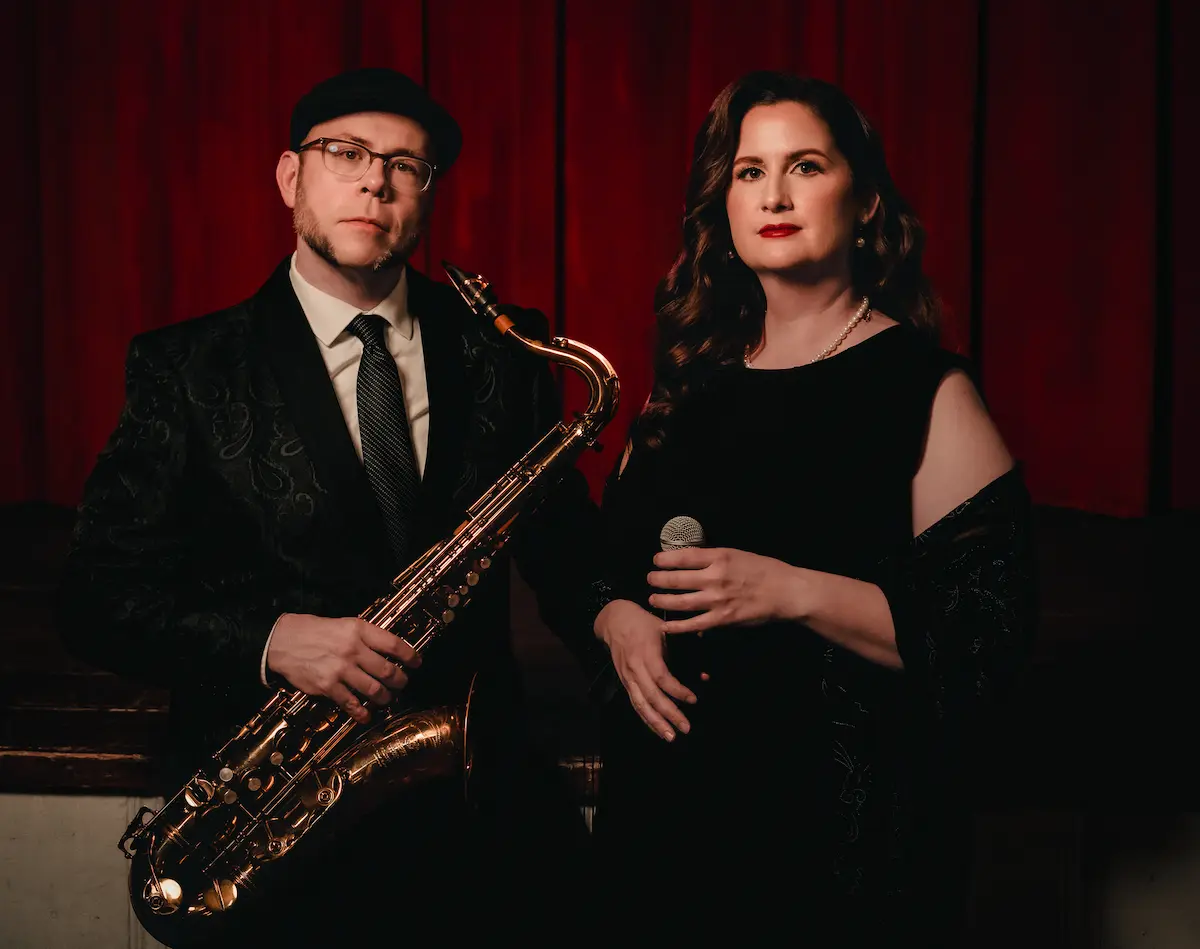
Contemporary jazz continues to expand its boundaries through a series of prominent album releases, live recordings, and cross-genre explorations from both emerging artists and established performers. Recent months have seen significant contributions to the modern jazz landscape, highlighted by Justin Pierce’s debut quintet record, David Bode’s ambitious live big-band recording at the New Orleans Jazz & Heritage Festival, and Sarah Pillow’s latest boundary-stretching venture. These projects collectively illustrate the evolving nature of jazz performance, production, and arrangement in the mid-2020s, reflecting both a reverence for historical songbooks and a willingness to incorporate contemporary popular idioms.
Justin Pierce Steps Out with Debut Quintet Album Sway
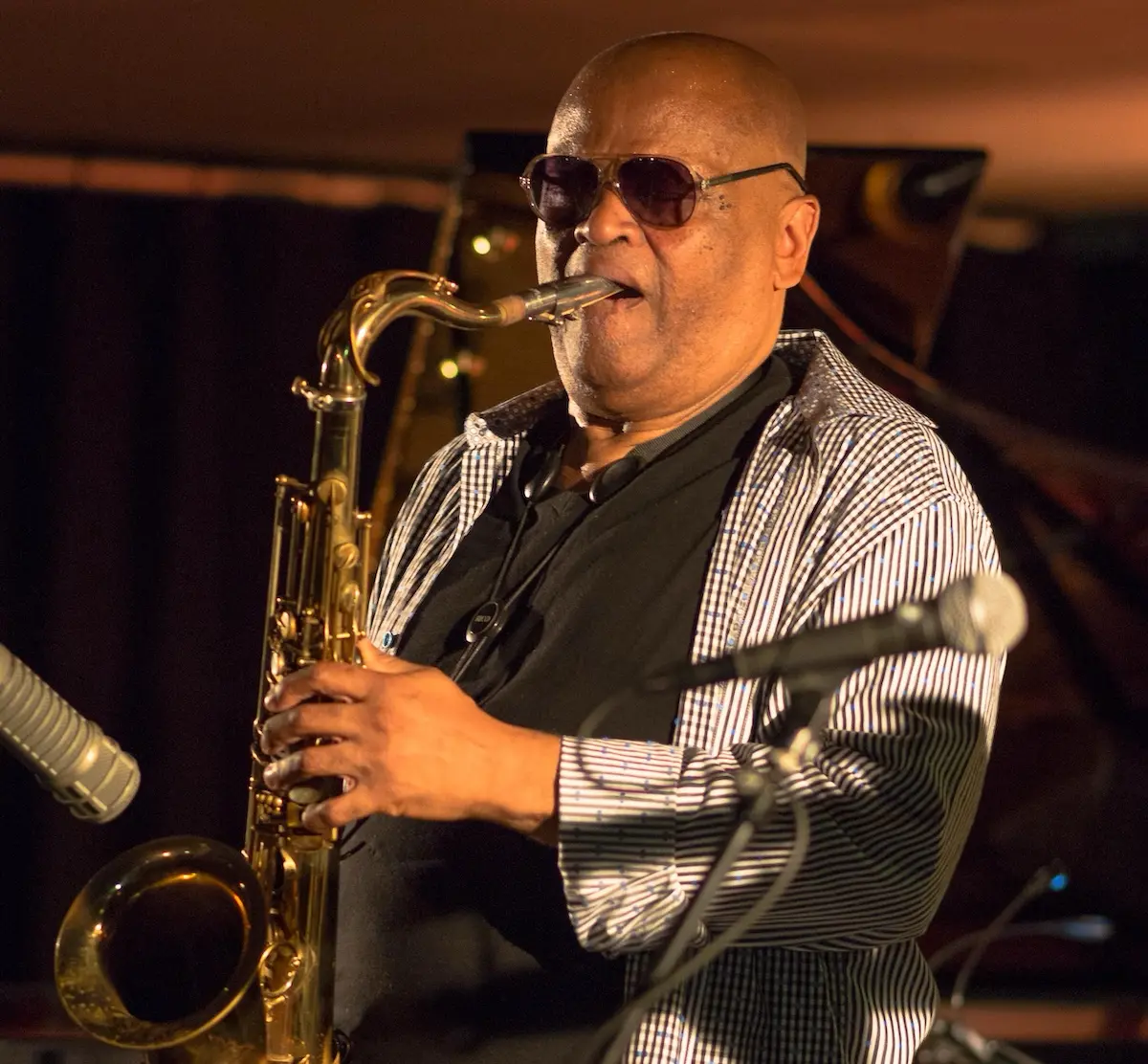
Dallas-based saxophonist Justin Pierce has established a reputation within regional and national jazz circuits through collaborations with high-profile artists including Arturo Sandoval, Bob Mintzer, and Randy Brecker. On May 5, 2025, Pierce entered a Dallas studio to record his debut album as a leader, titled Sway, released under the Justin Pierce Music imprint (catalog JPM-001). For this 10-track project, Pierce primarily features on tenor saxophone, joined by a tightly knit rhythm section comprising pianist Sean Giddings, bassist Young Heo, and drummer Matt Young. Notably, these three instrumentalists are alumni of the renowned One O’Clock Lab Band, an ensemble in which Pierce previously served as lead alto player. Furthermore, the quintet features musical and domestic partner Ashley Pierce on vocals.
The 48-minute album offers a curated selection of standards drawn from the Great American Songbook, reframing classic swing arrangements with subtle infusions of Latin and New Orleans jazz textures. The opening title track, Sway, establishes the foundational dynamic of the record, coupling Pierce’s robust saxophone work with Ashley Pierce’s clear, expressive vocal delivery, though the track’s continuity is briefly disrupted by a dissonant piano interlude.
Throughout the album, the ensemble demonstrates flexibility in reinterpreting familiar material. Fats Waller’s Honeysuckle Rose commences with a minimalist voice and bass duet before expanding into a full-band arrangement. The track is followed by Horace Silver’s Jody Grind, the first of three instrumental performances on the record, which showcases shifting tempos and agile horn work. Mancini’s Meglio Stasera is subsequently transformed into an uptempo samba featuring Italian-language lyrics, preceding a dynamic, New Orleans-inflected revamp of Miles Davis’s All Blues.
The second half of Sway maintains this stylistic diversity. Schwarz and Dietz’s Alone Together receives a Latin-leaning treatment before segueing directly into a waltz-tempo rendition of Moon River. Duke Ellington’s In A Sentimental Mood highlights Pierce’s breathy saxophone interpretation in an instrumental setting, which is followed by a soulful revision of Bill Withers’s Just The Two Of Us. The album concludes with a spirited, New Orleans-style interpretation of the classic Bert Kaempfert and Milt Gabler composition L-O-V-E. Critical assessment of the project highlights the cohesive interplay of the rhythm section and the distinct warmth of Ashley Pierce’s vocal contributions, solidifying the release as a noteworthy entry for modern mainstream vocal-and-instrumental jazz.
David Bode Captures Contemporary Big-Band Energy Live in New Orleans
Transitioning from studio production to the dynamic atmosphere of a major music festival, New Orleans-born saxophonist and arranger David Bode has expanded his large-ensemble vision. Following the 2025 release of his debut studio recording, Good Hang—produced with a 19-piece orchestra—Bode elevated his compositional scope by recording a follow-up project with a 22-piece big band during the April 25, 2026, New Orleans Jazz & Heritage Festival. Issued via MunkMix, the resultant live album captures 55 minutes of contemporary big-band performance across eight primary musical arrangements entirely penned by the bandleader.
Bode’s orchestration defies conventional big-band parameters by integrating rock beats, synthesizer textures, and stylistic nods to 1990s neo-soul, funk, and reggae. The performance opens with an energetic take on Kenny Garrett’s Happy People, quickly shifting into a poignant reading of Jeff Buckley’s Lover, You Should Have Come Over. A focal point of the set is James Black’s Monkey Puzzle, which utilizes an arrangement heavily modeled on Sammy Nestico’s classic Basie Straight Ahead framework. This is paired with Billy Strayhorn’s Lush Life, featuring modern synthesizer solos and guest vocals by Jenna Winston.
The second half of the performance leans further into genre experimentation. John Coltrane’s Syeeda’s Song Flute is delivered with a driving rock backbeat, extended trumpet exchanges, and an assertive trombone solo. This flows into Bode’s original composition, Cold Train Funk, which the artist describes as a synthesis of Coltrane’s harmonic language, the Baroque counterpoint of J.S. Bach, and the funk rhythms of The Meters. The setlist also reimagines Radiohead’s Airbag through a rhythmic New Orleans bounce filter, concluding with a medley of John Lennon and Paul McCartney compositions—pairing Dear Prudence with a reggae-inflected version of Don’t Let Me Down.
While the album demonstrates technical precision and imaginative arranging from its 22-piece roster, reviewers have noted certain stylistic challenges inherent in live festival recordings of this scale. The persistent inclusion of stage banter urging the audience to generate noise, combined with a relentless backbeat underpinning much of the set, introduces performance elements that some listeners may find demanding over the course of a full-length recording.
Sarah Pillow Explores Interdisciplinary Boundaries on Wanderer
Demonstrating a different approach to vocal jazz integration, New York-based vocalist Sarah Pillow released Wanderer on Buckyball Records (BR046) on January 14, 2026. Recorded at Raw Recording Studio in Patterson, New York, the 13-track project spans 64 minutes and showcases Pillow’s extensive background in classical opera, early music, and progressive rock. Having performed at the Montreux Jazz Festival at age 18, studied jazz at the University of California, and pursued classical training at the Oberlin Conservatory—alongside performances at Carnegie Hall and touring with early music ensembles like Galileo’s Daughters—Pillow brings a multifaceted technical background to her recorded output.
Wanderer features arrangements composed by Pillow’s husband and accompanying vibraphonist, Marc Wagnon, who leads a septet comprising prominent jazz instrumentalists Donny McCaslin on tenor saxophone, Nicola Caminiti on alto saxophone, Joey Curreri on trumpet, Dave Kikoski on piano, Joe Martin on bass, and Mike Clark on drums. The album’s repertoire covers an eclectic mix of material, ranging from interpretations of Irving Berlin and Sérgio Mendes to compositions by Dizzy Gillespie and Charles Mingus, alongside Eden Ahbez’s exotica and the traditional folk standard Wayfaring Stranger.
Pillow’s vocal execution across the album frequently employs a semi-operatic delivery style, incorporating occasional scat singing and wordless vocalizations. This approach merges traditional jazz standards with a theatrical, Broadway-inspired aesthetic. Consequently, critical response to the project often frames the album as "jazz-adjacent" rather than a strict entry into the jazz canon. While the backing ensemble features respected figures in contemporary improvised music, their contributions within this specific stylistic framework have been described by critics as restrained, underscoring the ongoing critical debate surrounding genre boundaries in contemporary vocal crossover recordings.
Implications for the Contemporary Jazz Ecosystem
The simultaneous release of projects by Justin Pierce, David Bode, and Sarah Pillow illustrates the current diversification of the jazz market. As traditional acoustic swing finds renewed vigor through debut releases like Sway, large-ensemble conductors like David Bode continue to test the limits of festival performance by merging big-band traditions with rock, funk, and electronic elements. Simultaneously, interdisciplinary artists like Sarah Pillow challenge traditional categorization by fusing jazz standards with operatic vocal techniques and classical arrangements.
These divergent approaches highlight an industry-wide trend where artists leverage foundational jazz training to explore adjacent musical territories. Whether through direct adherence to the Great American Songbook, the expansion of orchestral jazz boundaries in live settings, or vocal crossover experimentation, contemporary jazz practitioners continue to redefine audience expectations and stylistic definitions in the mid-2020s.