 Mia Khoirunisa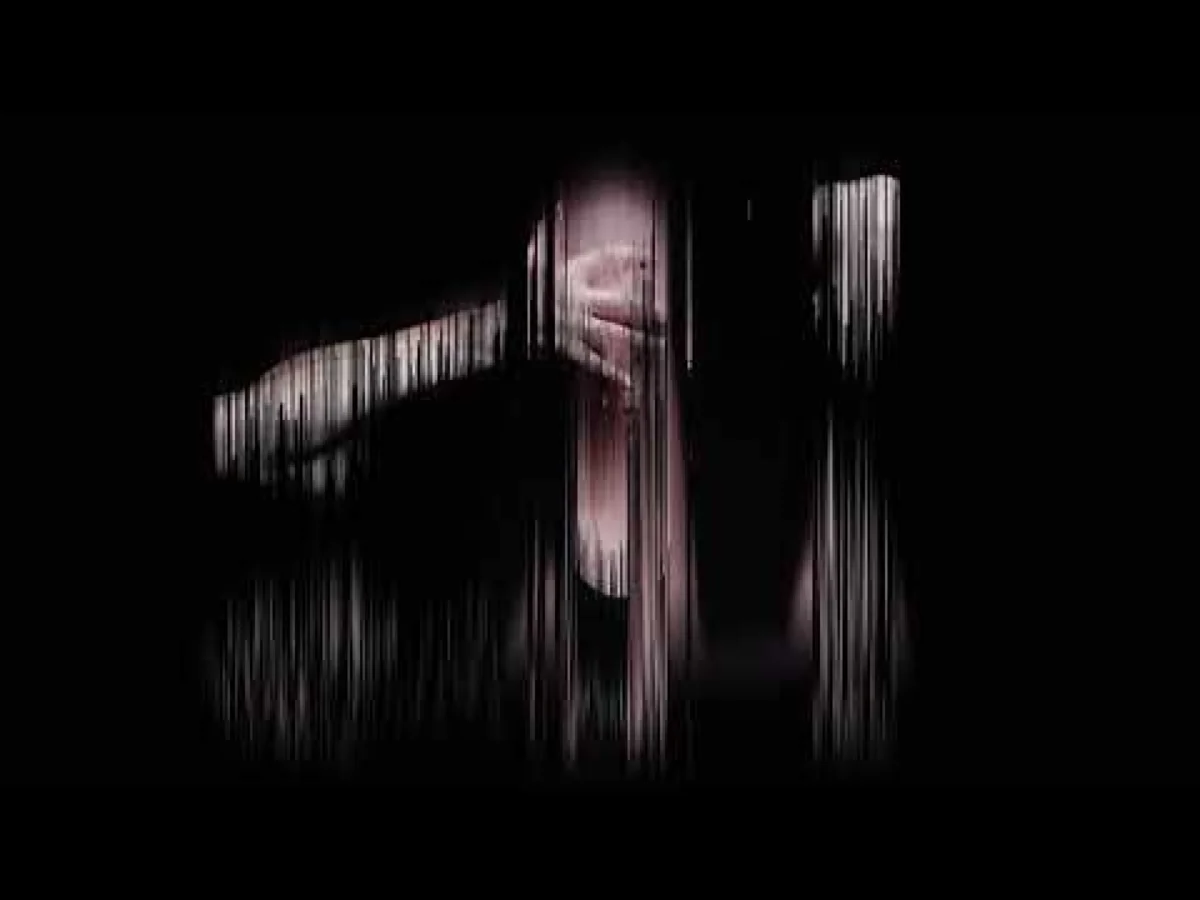
The global electronic music community is mourning the loss of Sean Tate, widely recognized by his moniker The Butcher, a foundational architect of the Detroit techno movement. Tate’s passing marks another devastating blow to a city and a genre that has endured a particularly sorrowful period, losing several of its most influential visionaries over recent years. Rather than relying on traditional obituary formats, the electronic music sphere is honoring Tate’s memory by reflecting on his profound artistic philosophy, his unparalleled contributions to DJ culture, and his lifelong dedication to capturing the raw, industrial soul of Motor City through sound.
The Evolution and Core Philosophy of Sean Tate
Sean Tate’s impact on techno extends far beyond standard performance metrics; he was a selector and producer whose artistic output served as an auditory archive of Detroit’s socio-economic landscape. In a defining interview and guest mix recorded for BassAgenda, Tate articulated the intricate relationship between geography, human experience, and electronic music production. His perspective illuminated how the city’s environment directly bled into the grooves of vinyl records and the frequencies of synthesizer patches.
"The main element is production—it’s what every producer has put in each and every track," Tate explained during the BassAgenda session. "You can hear Detroit in every single track… you can hear the streets, you can hear the sounds, you can hear the gunshots, you can hear the police sirens, you can hear the ambulance sirens, you can hear the kids playing, you can hear the cheers from the old Tiger Stadium, you can hear the cheers from Joe Lewis Arena, you can hear the people laughing at Hart Plaza, you can hear the water running at Belle Isle."
This deep-rooted connection transformed Tate’s sets into visceral spatial experiences. For Tate, listening to a properly curated techno mix was akin to walking the streets of Detroit during its industrial peak and subsequent eras of transformation. He noted that listeners could visualize specific landmarks—the fountain, Hart Plaza, Belle Isle—and feel the resilient pulse of a city that defined electronic music for generations. Through his acute ear as a selector, Tate amplified the personality of individual producers, stitching disparate tracks into a cohesive narrative of survival, grit, and cultural innovation.
A Chronology of Detroit Techno and Tate’s Place in History
To understand the weight of Sean Tate’s passing, it is essential to contextualize his role within the broader timeline of Detroit techno’s evolution:

- Early 1980s: The genesis of the Detroit sound takes shape in the suburbs and inner city, heavily influenced by European synth-pop, funk, industrial music, and futuristic Afrofuturist themes pioneered by figures like the Belleville Three (Juan Atkins, Derrick May, and Kevin Saunderson).
- Late 1980s to Early 1990s: As the genre gains international traction, local underground artists, producers, and DJs forge distinct sub-genres and sonic identities. Sean Tate emerges within this fertile ground, adopting the moniker The Butcher to reflect the unyielding, aggressive, and razor-sharp precision of his mixing style and track selection.
- 1990s to 2000s: Tate solidifies his reputation as a revered underground tastemaker, contributing heavily to the local circuit, underground pirate radio, and specialized mix series that preserve the raw, uncompromised ethos of early Detroit techno.
- Contemporary Era: Tate’s legacy is increasingly recognized through historical documentation, video projects like Aconite’s visual accompaniments, and specialized audio releases such as his contributions to BassAgenda, which cement his status as an elder statesman of the genre.
Sonic Legacy and Visual Documentation
Tate’s artistic output was characterized by a distinct duality between creation and deconstruction. This is prominently captured in works such as "A Matter of Creation" and "A Matter of Destruction," paired with visual interpretations by Aconite, as well as his resonant piece "A Matter of Pain." These compositions and mix sessions function as masterclasses in atmospheric tension, rhythmic propulsion, and emotional resonance.
In these recordings, Tate utilized sparse industrial soundscapes, heavy sub-bass frequencies, and hypnotic percussion to evoke the psychological weight of urban existence. His ability to balance aggressive sonic architecture with profound emotional depth separated him from transient trend-followers. For Tate, techno was never merely functional dancefloor utility; it was a living, breathing chronicle of human emotion and societal friction.
The Broader Impact on Detroit and the Global Techno Community
The passing of Sean Tate reverberates deeply within a Detroit music community that has faced significant structural challenges, economic shifts, and the inevitable loss of its founding generation. The city that gave birth to techno—a genre now celebrated across global festival stages from Berlin to Tokyo—often struggles to adequately support the aging pioneers who laid its foundational infrastructure.
The sentiment expressed across the electronic music underground following Tate’s death emphasizes the urgent need for ongoing support, documentation, and appreciation for living artists. Observers and peers note that the loss of figures like Tate leaves an irreplaceable void in the institutional memory of dance music. When a pioneer passes, a library of unrecorded history, unspoken anecdotes, and direct lineage to the genre’s inception disappears with them.
As the international community pays tribute, the focus turns toward preservation. Archiving sets, documenting oral histories, and supporting local Detroit artists remain critical initiatives to ensure that future generations understand the socio-cultural roots of the music. Sean Tate’s voice, preserved through his mixes, interviews, and visual collaborations, ensures that "The Butcher" will continue to haunt the machine, reminding listeners of the soul and passion embedded within every kick drum and hi-hat.
The grieving process for the Detroit community is compounded by the sheer volume of history tied to Tate’s generation. Yet, the enduring vitality of the tracks he championed—and the distinct perspective he offered on the sounds of the city—guarantee that his imprint on electronic music will endure. As the music community processes this significant loss, the prevailing ethos remains anchored in Tate’s own evocative questioning of the art form: “Can you imagine… the soul… the passion?”