 Jia Lissa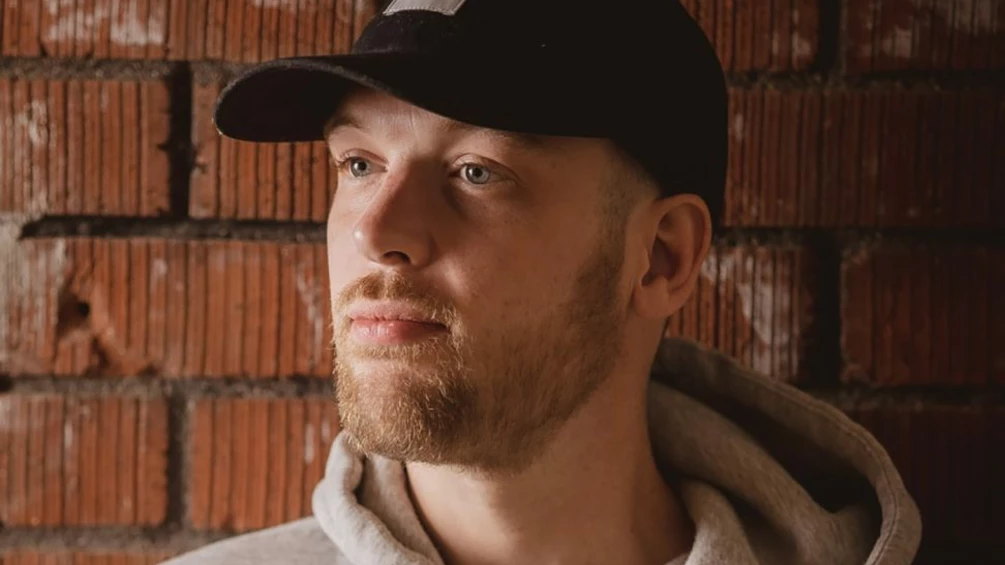
Chris Mercer, widely known by his stage name Rusko, a foundational figure in the global proliferation of dubstep, has announced an indefinite cessation of his musical career and touring commitments. The decision, communicated by Mercer himself via an Instagram post on Saturday, July 18th, stems from a profound and necessary focus on his mental health, which he described as experiencing a "breakdown." This candid disclosure from an artist who has spent over two decades traversing the international music landscape underscores the escalating conversation surrounding mental well-being within the high-pressure entertainment industry.
Mercer’s statement, delivered with a tone of profound introspection and gratitude, detailed the deeply personal journey that led to his public declaration. "When I first decided to call it a day on music and shows, I really wasn’t sure how, or even if, I wanted to share more publicly," he wrote. This initial hesitation highlights the common struggle artists face in balancing their public personas with their private vulnerabilities. He continued, reflecting on a career built on unwavering dedication: "I dedicated all my life and spirit to being an artist, and have been travelling the world for over 20 years. I am so unbelievably lucky and grateful for every experience and the most amazing fans who have been alongside me." The acknowledgment of his fans’ unwavering support serves as a testament to the strong community ties forged throughout his extensive career. However, the core of his decision was unmistakable: "But it became clear I was having a breakdown mentally… and so needed to dip out the game for the foreseeable future." This frank admission resonates with a growing number of public figures who have prioritized health over relentless professional demands.
The immediate consequence of Mercer’s announcement is the cancellation of all forthcoming live engagements. The Leeds-born DJ and producer extended his apologies to fans who had anticipated his performances, expressing regret for any disappointment caused. He articulated his immediate priority: "For now, I have to follow my instincts for healing and recovery." While the door to a potential return remains open, albeit cautiously, his closing sentiment conveyed a hopeful yet uncertain future: "While I can’t guarantee any kind of return, I hope in my heart one day this is not goodbye, but more ‘see ya later, alligator’." This blend of realism and hope captures the complex emotional landscape of an artist stepping away from their life’s work.
A Pioneer’s Journey: Rusko’s Enduring Impact on Dubstep
Rusko’s influence on the dubstep genre is indelible, marking him as a pivotal figure in its transition from underground UK sound system culture to a global electronic music phenomenon. Born in Leeds, Chris Mercer emerged from a vibrant British electronic music scene that was fertile ground for experimentation in the early to mid-2000s. His musical journey began with a formal education in music at Leeds College of Music, where he developed a sophisticated understanding of sound design and composition.
By the mid-2000s, as dubstep began to solidify its identity in South London, Rusko, alongside contemporaries like Caspa, Benga, Skream, and Digital Mystikz, began to push its sonic boundaries. While early dubstep was often characterized by its darker, minimalist, and more introspective qualities, Rusko infused the genre with a brighter, more aggressive, and undeniably energetic sound, often described as "brostep" in its later Americanized iterations. His tracks were characterized by their massive basslines, intricate drum programming, and infectious, often melodic, synth hooks.
Key releases that cemented his status include "Cockney Thug," a track that became an anthem for the burgeoning genre, known for its raw power and distinctive vocal sample. His collaborative FabricLive.37 mix with Caspa, released in 2007, was a landmark compilation that showcased the dynamic energy and diverse facets of dubstep to a wider audience, moving beyond its traditional London strongholds. This mix, alongside other early works, was instrumental in popularizing dubstep’s unique rhythm and bass-heavy aesthetics.
In 2010, Rusko released his debut album, "O.M.G.!", on Mad Decent, the label founded by Diplo. The album was a commercial and critical success, further propelling dubstep into the mainstream consciousness, particularly in North America. Tracks like "Woo Boost" became crossover hits, frequently featured in advertisements, video games, and mainstream media, exposing millions to the genre. His innovative approach, blending elements of reggae, dancehall, and drum and bass with dubstep’s foundational principles, broadened the genre’s appeal significantly, paving the way for its later explosion in popularity. His energetic live performances, characterized by their high-octane delivery and crowd interaction, became legendary, drawing massive audiences to festivals and clubs worldwide.
Previous Health Battles: A Precedent of Resilience
This is not the first time Chris Mercer has faced significant health challenges that led to a temporary withdrawal from his career. In 2017, Rusko was diagnosed with stomach cancer, a battle he fought publicly and with remarkable courage. The diagnosis necessitated an immediate halt to his touring schedule and musical output, prompting an outpouring of support from fans and fellow artists across the electronic music spectrum. He underwent intensive treatment, which he openly discussed as a challenging period.
Later that same year, Rusko delivered the welcome news that his treatment had been successful and that he was cancer-free. His return to music was met with widespread relief and celebration, seen as a testament to his resilience and dedication. This previous experience with a life-threatening illness, and his subsequent recovery and return to the stage, provides important context for his current announcement. It underscores a pattern of prioritizing health when faced with severe personal challenges, demonstrating a commitment to well-being that transcends professional obligations. While the nature of the current challenge is different, both instances highlight the immense personal toll that a demanding career can exact and the courage required to step back.
The Demands of the Industry: Mental Health in Music
Rusko’s decision to step away due to a "mental breakdown" brings into sharp focus the often-overlooked mental health crisis simmering within the music industry. The romanticized image of a touring DJ or musician often belies a reality of chronic sleep deprivation, erratic schedules, prolonged periods of isolation away from family and friends, substance abuse pressures, financial instability, and constant performance anxiety. These factors create a potent cocktail for mental health issues, including anxiety, depression, burnout, and in severe cases, breakdowns.
Recent studies and anecdotal evidence from organizations like Help Musicians UK, Music Industry Therapists and Coaches (MITC), and others consistently highlight the alarming prevalence of mental health struggles among music professionals. A 2016 study by Help Musicians UK found that 71% of musicians experience anxiety and 68% suffer from depression, significantly higher than the national average. The demands of constant travel, the pressure to produce new content, maintain a public image, and perform at peak levels repeatedly can be unsustainable. The industry’s culture, historically characterized by a "show must go on" mentality, has only recently begun to openly address these systemic issues.
The COVID-19 pandemic, while devastating for the live music sector, paradoxically shone a spotlight on artist well-being. The enforced pause in touring allowed many artists to confront mental health issues that had been masked by the relentless pace of their careers. As the industry gradually recovers, there’s a growing movement towards fostering more supportive environments and providing resources for mental health support. Rusko’s public statement contributes significantly to destigmatizing mental health issues, especially among high-profile figures, encouraging others to seek help and prioritize their well-being.
Industry Reactions and Broader Implications
While specific official statements from labels or promoters regarding Rusko’s announcement are pending, the general sentiment across the electronic music community has been overwhelmingly supportive. Social media platforms have seen an influx of messages from fans and fellow artists expressing empathy, understanding, and wishing Mercer a swift and complete recovery. This collective response mirrors a broader industry shift towards greater compassion and recognition of the human element behind the artistry.
Industry commentators and mental health advocates have lauded Rusko’s transparency, viewing it as a powerful example for others. His willingness to openly discuss a "mental breakdown" helps to normalize these experiences and reduce the stigma often associated with mental health challenges in creative fields. It reinforces the idea that prioritizing one’s health is not a sign of weakness but an act of strength and self-preservation.
The implications of Rusko’s hiatus extend beyond his personal well-being. For the dubstep scene, it signifies the temporary absence of one of its most dynamic and beloved figures. While the genre has diversified significantly since his early days, his unique sound and electrifying stage presence have remained influential. His break creates a void that will be felt by his dedicated fanbase and by the wider electronic music community.
More broadly, this event serves as another poignant reminder to the music industry at large about the urgent need for sustainable practices that support artist well-being. It prompts further introspection on touring schedules, contractual demands, and the provision of mental health resources. The conversation initiated by artists like Rusko, Avicii (whose struggles with mental health and the pressures of touring ultimately led to his tragic passing), and others, is slowly but surely pushing the industry towards a more empathetic and health-conscious future. It reinforces the understanding that an artist’s greatest asset is their health, and without it, the music itself cannot thrive.
Looking Ahead: Uncertainty and Hope
Rusko’s statement, while definitive in its immediate implications, leaves the door ajar for a potential return. His hopeful "see ya later, alligator" suggests a desire to reconnect with his passion and his audience once his healing journey is complete. However, the indefinite nature of his break underscores the severity of his current condition and the unpredictable timeline of mental health recovery.
For now, the focus remains on Chris Mercer’s recovery. His candidness provides a valuable lesson in prioritizing self-care in a demanding world. As the music industry continues to evolve, stories like Rusko’s will undoubtedly shape future policies and cultural attitudes, fostering an environment where artists can thrive creatively without sacrificing their mental and physical well-being. The community awaits his potential return with patience and unwavering support, recognizing that true artistry flourishes best from a place of health and balance.