Mia Khoirunisa
The live visuals and media server community is experiencing a significant shift as real-time computer vision transitions from centralized cloud processing to localized, creative applications. Resolume has officially released version 7.28 of its flagship VJ and media server software, introducing robust local computer vision capabilities through its node-based patching environment, Wire. By integrating features such as Human Segmentation and Depth Estimation directly into the software, Resolume 7.28 bypasses the need for online data pipelines, offering artists privacy-conscious, highly responsive tools designed entirely for artistic expression, interactive installations, and live stage performances.
This latest update arrives at a time of growing public scrutiny regarding automated surveillance and data privacy. While commercial computer vision is frequently deployed in corporate tracking and government monitoring infrastructure, the integration of these technologies into creative software highlights a stark philosophical and functional divergence. Rather than capturing data to identify or monitor subjects, Resolume 7.28 utilizes pixel-level depth maps and human silhouette isolation to manipulate visual aesthetics, alter motion graphics, and redefine how physical spaces interact with digital displays.
Core Architectural Updates in Resolume 7.28
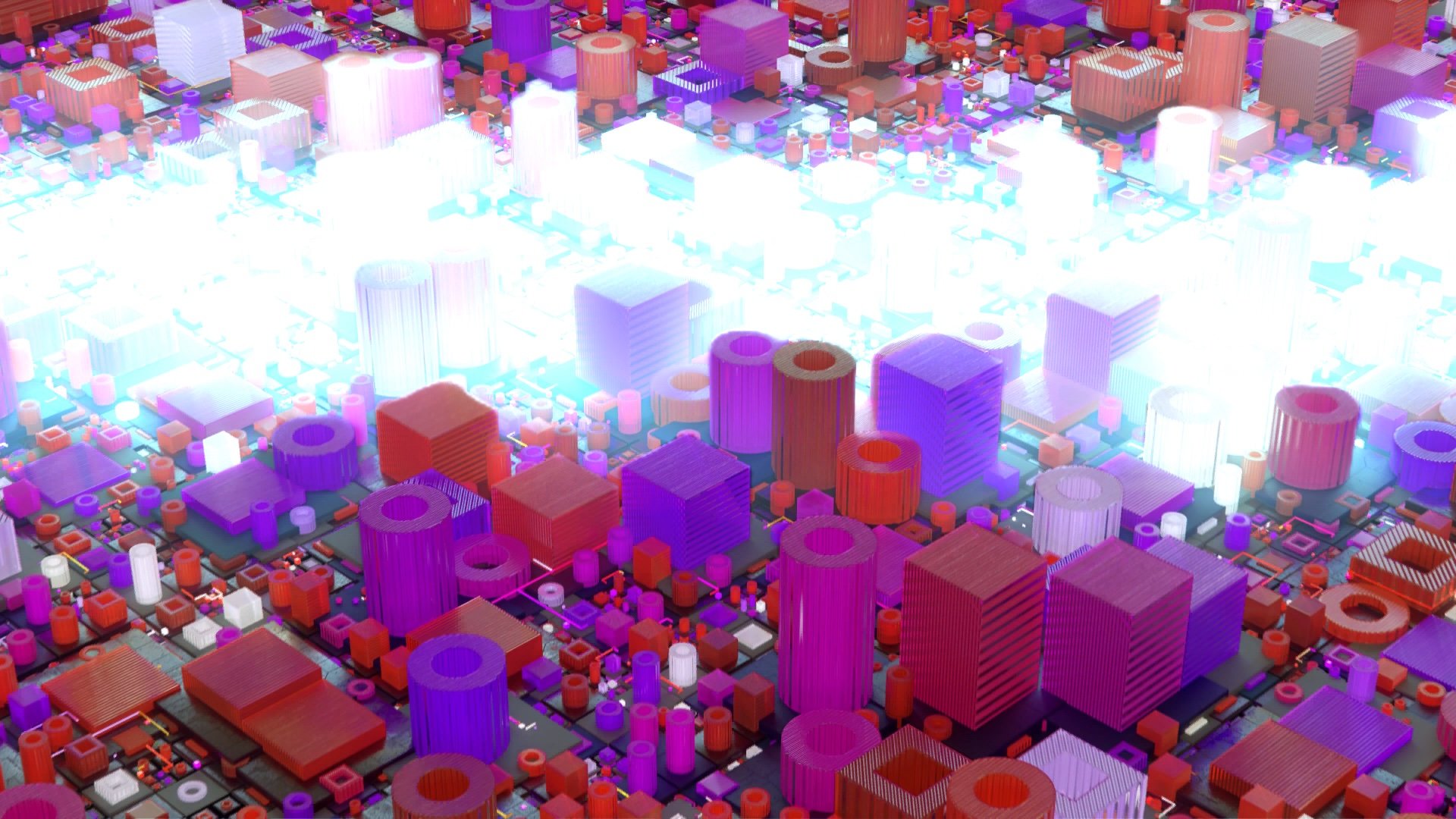
At the foundation of the 7.28 release are two primary processing building blocks embedded within Wire: Human Segmentation and Depth Estimation. These local models process incoming video feeds—typically from standard webcams or dedicated capture devices—entirely on the user’s local machine hardware. This localized processing ensures ultra-low latency, making the tools viable for live performance environments where timing and frame rates are critical.
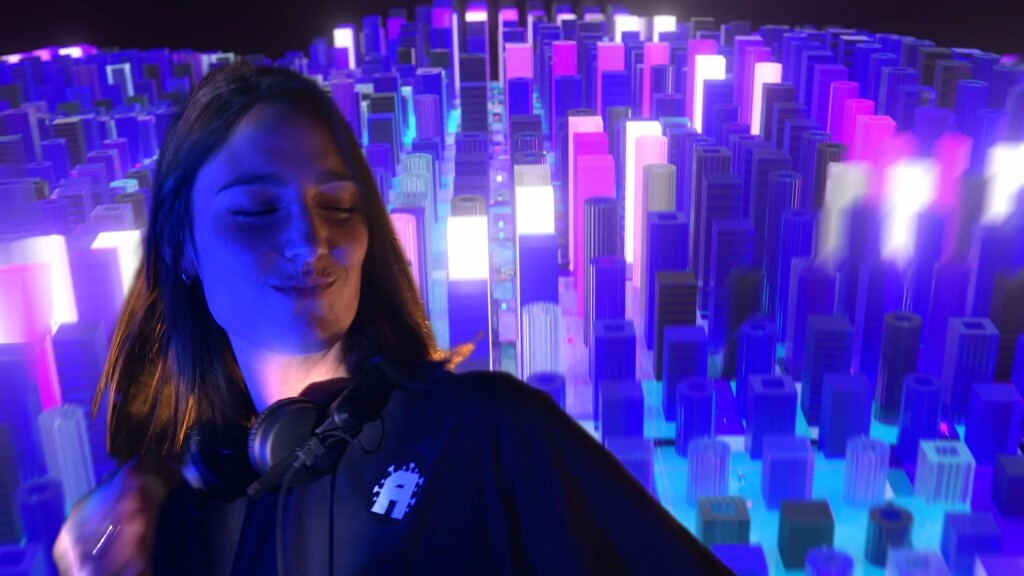
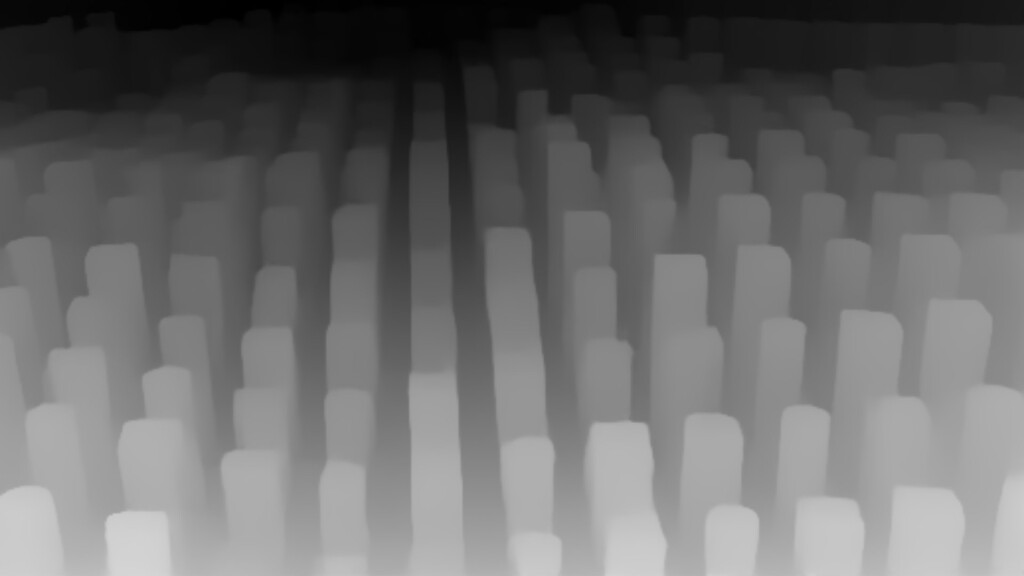
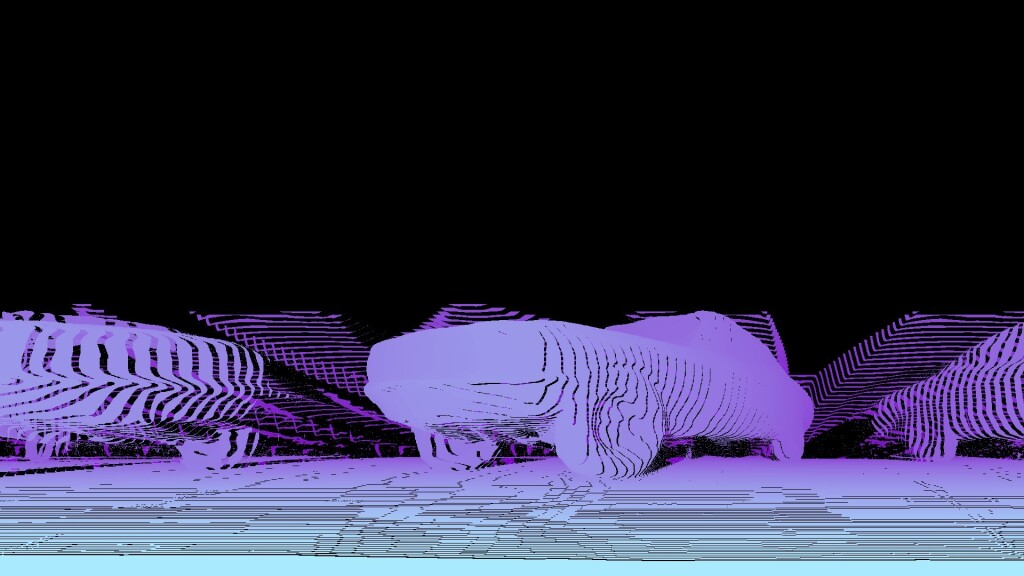
Human Segmentation allows operators to cleanly isolate human subjects from complex backgrounds without requiring physical green screens or studio lighting setups. This capability opens up dynamic possibilities for live performers, dancers, and installation participants, enabling them to trigger foreground and background effects independently. Meanwhile, Depth Estimation generates real-time depth maps from standard two-dimensional video inputs, interpreting spatial proximities within a scene to calculate how near or far objects and subjects are from the camera lens.
Leveraging these two fundamental building blocks, Resolume has shipped an array of out-of-the-box visual effects and a brand-new Depth Blend mode. Unlike traditional blending modes that rely strictly on opacity or luminance thresholds, the Depth Blend mode mixes visual layers based on spatial depth data. This allows artists to composite digital elements seamlessly behind or in front of moving physical subjects depending on their distance from the camera.
Additional effects included in the 7.28 package utilize these depth calculations to introduce spatial blur, depth-of-field manipulation, and spatial displacement effects. Because these tools are constructed natively within Wire, users are not restricted to preset parameters. Every effect can be unpacked, examined, modified, or used as a template to build entirely custom node networks tailored to specific production requirements.
The Evolution of Creative Computer Vision
The inclusion of accessible computer vision in mainstream media server software marks a milestone in live performance technology. Historically, achieving real-time depth mapping and background subtraction required complex, resource-intensive pipelines. Media artists and creative coders frequently relied on CPU-bound differential imaging techniques, custom OpenCV scripts, or external hardware sensors like the Microsoft Kinect to achieve similar spatial interactions.
These legacy workflows often demanded extensive technical overhead, requiring developers to write custom bridging software to pass tracking data into media servers like Resolume, Arena, or Avenue. By baking these complex machine learning tasks directly into the native rendering pipeline, Resolume has lowered the barrier to entry for spatial interaction design. Artists can now achieve sophisticated tracking-based visuals with standard hardware setups, streamlining the production workflow for concerts, theater productions, and architectural projection mapping.
Furthermore, the development roadmap for the platform indicates that computer vision is only one facet of Resolume’s current upgrade cycle. Software developers have confirmed that upcoming iterations will focus heavily on expanding audio-reactivity features. The ongoing integration of Fast Fourier Transform (FFT) audio analysis within Arena, alongside new audio spectrum features and advanced path-drawing tools in Wire, aims to bridge the gap between reactive audio-visuals and spatial tracking. Subsequent minor updates, including version 7.29, are slated to introduce targeted slice effects designed for complex LED wall mapping and geometric projection surfaces.
The Controversy Surrounding AI Integration and Model Context Protocols
While the computer vision updates in version 7.28 have been widely welcomed for their creative utility, Resolume’s broader software trajectory has sparked intense debate regarding the implementation of automation and artificial intelligence. In version 7.26, Resolume introduced support for Model Context Protocol (MCP) servers, integrating large language model (LLM) assistance directly into the software to help users generate and troubleshoot Wire patches via text commands.
The feature received a polarized reaction from the user base. While corporate messaging surrounding AI integration frequently emphasizes productivity gains and accelerated workflows, a substantial segment of the digital art community has questioned whether speed is the primary objective of creative practice. For many visual artists, the core value of node-based programming lies in the exploratory process of manual patching, troubleshooting logic errors, and discovering unexpected visual results through trial and error.
Beyond philosophical concerns regarding automation, critics have raised ethical questions concerning the corporate entities behind foundational AI models, including OpenAI and Anthropic. Issues ranging from environmental sustainability and heavy energy consumption to the downstream utilization of AI technologies in military and defense applications have prompted broader industry discussions. While many digital artists rely on high-performance computers manufactured with complex global supply chains, the debate underscores a growing desire for transparency and critical dialogue within the creative technology sector regarding the tools artists choose to adopt.
Despite these divisions, industry adoption of AI-assisted scripting and patching environments highlights a broader technological shift. Developers exploring MCP integration note potential use cases in high-pressure, live-production environments where rapid troubleshooting is essential. Nevertheless, the ongoing tension between automated efficiency and manual craftsmanship remains a central theme in the evolution of digital art software.
Surveillance Dystopia Versus Artistic Play Spaces
The intersection of computer vision technology and media art forces a critical examination of how tracking systems are deployed in contemporary society. As commercial infrastructure increasingly relies on pervasive surveillance—exemplified by widespread automated license plate readers, smart city sensors, and consumer wearable devices equipped with continuous recording capabilities—the public sphere is subjected to constant, often non-consensual observation.
Media art, by contrast, operates within a fundamentally different ethical and aesthetic framework. When computer vision is utilized within an artistic or interactive context, participation is conceptually rooted in an opt-in model. Rather than monitoring populations covertly for security or commercial profiling, artistic installations create bounded physical spaces where participants intentionally subject themselves to camera feeds to manipulate digital environments.
This distinction shifts the technological paradigm from surveillance to expression. The computer ceases to act as an impartial observer or punitive monitor and instead functions as a digital paintbrush, translating human movement into abstract visual output. As artists continue to navigate an increasingly surveilled world, the creative reclamation of computer vision offers a vital counter-narrative, transforming tracking technology into a medium for communal play and aesthetic exploration.
Looking Ahead: The Future of Resolume and VJ Culture
Resolume’s steady update cadence demonstrates the platform’s adaptability to emerging computational trends. By balancing advanced computational features like local computer vision and audio-reactive node networks with core media server stability, the software maintains its position as an industry standard for live visual performance.
As version 7.28 rolls out to users across Windows and macOS ecosystems, the primary impact will be measured in the field. VJs, stage designers, and interactive installation artists are already beginning to experiment with Human Segmentation and Depth Estimation in live environments, testing the limits of what localized machine learning can achieve in real time. Whether utilized for subtle depth-of-field adjustments in narrative concert visuals or massive, interactive projection-mapped installations, these tools provide a glimpse into the future of live media production—one where advanced computational power serves the imagination of the artist rather than the demands of the surveillance state.