Muhammad Ibadurrohman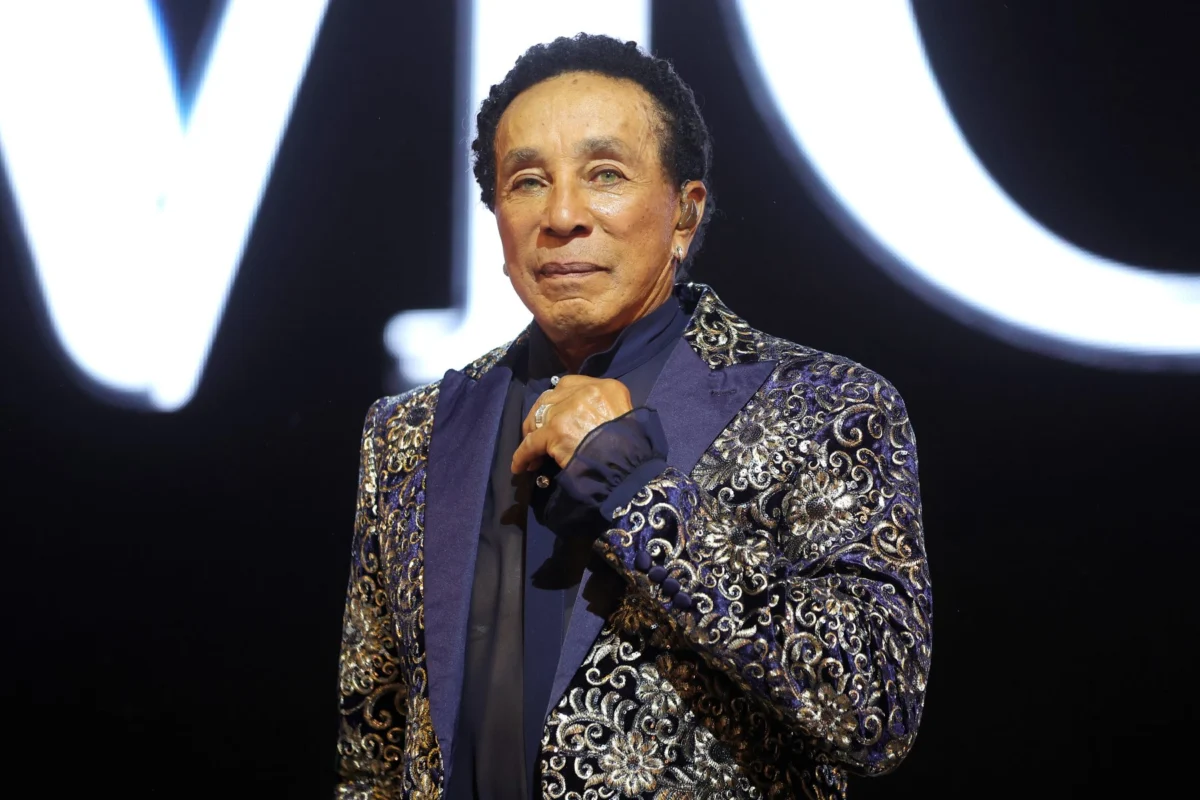
The ongoing legal proceedings involving Motown legend Smokey Robinson have entered a volatile new chapter as the 86-year-old singer navigates a rapid succession of counsel amid a sprawling $50 million civil lawsuit. Court records obtained by industry analysts confirm that Robinson has engaged three different legal teams within a three-month window, underscoring the complexities and mounting pressures of a case that threatens to overshadow the musical legacy of one of the most significant figures in American popular music. The litigation, which centers on severe allegations of sexual misconduct involving six former employees at his Los Angeles-area residence, remains a centerpiece of high-stakes civil action in California.
The Chronology of Legal Representation
The fluidity of Robinson’s legal defense has become a focal point of the pre-trial phase. Initially, the defense was spearheaded by Christopher Frost, a litigator of considerable standing known for navigating the affairs of high-profile entertainment figures such as Berry Gordy and guitarist Dave Navarro. Frost’s departure from the case in June 2025 was marked by a lack of public explanation, signaling what many legal observers interpret as a significant strategic pivot or internal friction.
Following Frost, the responsibility shifted to David Kenner, a prominent criminal defense attorney whose previous high-profile clients include Death Row Records co-founder Suge Knight and Fugees member Pras Michel. Kenner’s tenure, however, proved exceptionally brief. By August, Kenner filed a formal motion to withdraw as counsel, citing an irreparable "breakdown in the attorney-client relationship." This development, while not uncommon in litigious environments, highlights the intense pressure exerted on legal teams tasked with managing both the public relations fallout and the technical rigor of a multi-plaintiff sexual assault suit.
On September 15, 2025, Anahita Sedaghatfar officially entered an appearance as the third lead counsel in this cycle. Sedaghatfar brings a diverse background to the case, having represented entities ranging from professional athletes to television personalities. Her entry signals a potential shift in the defense’s approach as they prepare for a trial date currently set for October 2027.
Genesis and Expansion of the Lawsuit
The roots of the current legal crisis date back to May 2025, when four anonymous plaintiffs filed a lawsuit alleging a systemic pattern of sexual abuse occurring between 2007 and 2024. The plaintiffs, all of whom were employed as household staff at Robinson’s property, contend that the environment fostered by the artist and his wife, Frances, was one of exploitation and fear.
The scope of the case expanded significantly in the months following the initial filing. A fifth female housekeeper and a male automotive technician subsequently joined the suit, alleging that they, too, were victims of assault. These additions have increased the complexity of the evidentiary discovery phase, as each plaintiff’s account requires meticulous investigation and cross-examination. The allegations are not limited to Robinson himself; his wife, Frances, is named as a defendant, with claims suggesting that she was an active participant in enabling the alleged misconduct, thereby creating a culture of liability for both parties.
Defense Strategy and Procedural Counter-Moves
Smokey Robinson has maintained a posture of absolute denial since the allegations surfaced. In public statements and formal filings, his team has characterized the suit as a "vile" and "false" attempt to leverage his status for financial gain. The defense’s initial strategy involved a robust counter-offensive, with Robinson filing a defamation lawsuit against his accusers.
However, this strategy encountered a significant procedural roadblock when the court dismissed the defamation claims due to insufficient evidence. Robinson’s legal team is currently appealing that dismissal, maintaining that the accusers have engaged in illicit behavior, including the unauthorized deletion of evidence and the theft of property from the Robinson residence. This ongoing dispute over the integrity of evidence—ranging from digital records to physical property—suggests that the trial will rely heavily on forensic digital investigation and character testimony.

The Broader Implications of the Criminal Investigation
While the civil suit occupies the headlines, a parallel criminal investigation adds a layer of existential risk for the legendary singer. The Los Angeles County Sheriff’s Department has confirmed that it is conducting an inquiry into the allegations, prompted by the formal police reports filed by the plaintiffs.
In the American legal system, the existence of a concurrent criminal investigation significantly complicates a civil defense. Anything stated or filed in the civil proceedings can, in certain circumstances, be utilized by prosecutors. Consequently, the constant turnover in Robinson’s legal team may reflect a struggle to balance the need for a vigorous civil defense against the necessity of avoiding self-incrimination. To date, no formal criminal charges have been filed, but the shadow of potential prosecution remains a critical factor in the overall trajectory of the case.
Analysis of the "Attorney-Client Breakdown"
The phenomenon of "attorney-client breakdown," which led to the exit of David Kenner, is often a euphemism for irreconcilable differences regarding litigation strategy. In cases of this magnitude, attorneys must navigate the desires of the client—who may wish to pursue an aggressive, scorched-earth policy—against the counsel’s professional assessment of the risks inherent in the courtroom.
When a defendant cycles through counsel at this rate, it often leads to delays in discovery and potential sanctions from the presiding judge. The court has a vested interest in keeping the trial on its current October 2027 schedule. The appointment of Anahita Sedaghatfar suggests a desire to stabilize the defense, as she has publicly expressed a commitment to "vigorously advocating" for the Robinsons.
"Changing attorneys during the course of litigation is not unusual and is in fact common," Sedaghatfar stated in a brief press interaction. "My clients unequivocally deny the allegations, and I look forward to presenting the facts, addressing the evidence and vigorously advocating on their behalf."
The Road to 2027
As the litigation moves toward its 2027 trial date, the industry and the public are left to watch a slow-motion collision between a celebrated cultural icon and the modern mechanisms of #MeToo-era accountability. The case is expected to involve extensive depositions, expert testimony regarding the working conditions at the Robinson estate, and a rigorous examination of the credibility of all parties involved.
For the Motown icon, the stakes are not merely financial; they involve the preservation of a legacy that spans decades. The upcoming discovery phase will likely unearth volumes of correspondence and personal testimony that will test the resilience of both the plaintiffs’ claims and the defense’s narrative of innocence.
The legal proceedings have now moved into a phase of intense document review and witness preparation. With Sedaghatfar now at the helm, the defense is expected to adopt a more focused, perhaps more procedural, approach to counter the momentum built by the plaintiffs. Whether this change in guard will provide the stability needed to survive the upcoming trial remains the central question in a case that continues to captivate the legal and entertainment worlds alike. As both sides prepare for the long road ahead, the courtroom will become the final arbiter of truth in a matter that has already permanently altered the public perception of one of music’s most enduring figures.