 Muhammad Ibadurrohman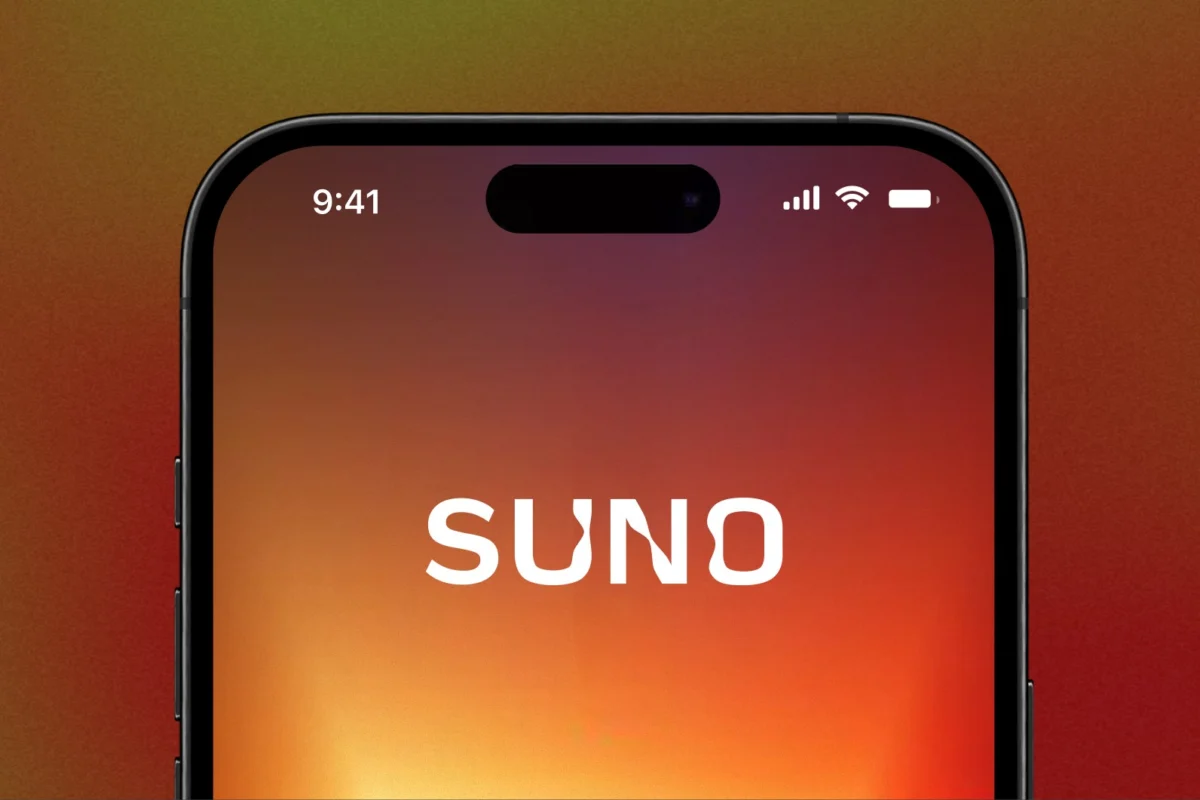
On Wednesday, September 9, 2026, the artificial intelligence music startup Suno officially unveiled its latest suite of generative AI models, designated as v6. This release represents a significant strategic pivot for the company, as it marks the first time Suno has deployed technology developed explicitly in partnership with major music industry stakeholders. The v6 models are touted as the fastest in the company’s history and, crucially, the first to include a formal compensation mechanism for participating music partners, signaling a potential shift in how generative AI firms interact with the traditional music copyright landscape.
A Chronology of Conflict and Cooperation
The announcement follows a tumultuous year for Suno, characterized by a dual-track strategy of aggressive expansion and legal defensive posturing. The startup has spent the past 12 months navigating a precarious path between forging high-profile industry alliances and fighting existential legal battles.
The timeline of this transition reflects the mounting pressure on AI firms to legitimize their training data. Earlier in 2026, Suno successfully negotiated and finalized landmark agreements with Warner Music Group and BMG. By September 8, the company had added the French-based distribution and services powerhouse Believe to its list of partners. These deals were framed as a move toward a "fully licensed" future, though the precise nature of the agreements remains a subject of intense industry scrutiny.
Conversely, the company remains embroiled in high-stakes litigation. Major record labels, including Universal Music Group and Sony Music, alongside international collection societies like GEMA, SOCAN, and Koda, have filed lawsuits against Suno. These cases center on allegations that Suno trained its previous models on vast quantities of copyrighted music without authorization or compensation. The situation reached a nadir recently in Germany, where Suno suffered a notable legal defeat in a copyright infringement lawsuit brought by GEMA, which ruled that the unauthorized use of protected works for model training constituted an infringement of intellectual property rights.

Technical and Operational Framework of V6
According to Suno CEO Mikey Shulman, the v6 models represent a departure from the "black box" training methods that defined the company’s earlier releases. The new architecture is built upon a hybrid data set consisting of "partner data"—content provided or licensed by Warner Music Group, BMG, and Believe—and "user interactions."
Shulman described user interactions as a feedback loop where the model learns from implicit and explicit user preferences. By presenting users with multiple musical outputs and analyzing which versions are favored, the system refines its understanding of what constitutes a "high-quality" or "catchy" composition. Critically, Shulman asserted that the training data for v6 is entirely devoid of unlicensed content. He explicitly confirmed that no songs from Universal, Sony, or Kobalt were utilized in the development of the new models, marking a clean break from the controversial data sets of the past.
However, industry analysts note a degree of ambiguity in these statements. If the model relies on user behavior data that was informed by earlier, unlicensed models, the "cleanliness" of the new system may be more complex than public relations messaging suggests. The distinction between a model trained on licensed audio files and a model optimized by users who previously interacted with unlicensed material remains a point of contention among legal experts.
The Economics of the Partnership
At the heart of the new agreements is a revenue-sharing model. Suno Chief Product Officer Jack Brody confirmed that revenue generated by the platform will be distributed to rights holders, who will subsequently determine how those funds are allocated to their respective artists and songwriters.
This structure creates a significant degree of opacity. While it provides a formal channel for compensation, it leaves the actual distribution of funds to the discretion of the labels and publishers. The American Federation of Musicians (AFM) has already expressed skepticism, filing a lawsuit against Warner Music Group to demand transparency regarding how these AI-derived revenues are trickling down to the session musicians and performers who actually created the underlying works.

Furthermore, the "opt-in" language used in these agreements has sparked debate. Warner Music Group CEO Robert Kyncl indicated that the partnership would provide artists with an opt-in mechanism regarding the use of their name, image, likeness, and voice in AI-generated songs. However, legal experts point out that this is distinct from opting into the training process of the AI itself. Because many record contracts already grant labels broad rights, the extent to which an individual artist has a meaningful choice in whether their catalog is used to train a model remains a subject of intense legal interpretation.
Future Outlook: The Race to Remix
Beyond the immediate launch of v6, Suno has signaled its intent to enter the competitive landscape of AI music remixing. The company plans to release products that allow users to sample, alter, and create derivative works from existing, licensed catalogs. This move positions Suno directly against other industry players such as Spotify, Udio, KLAY, and Hook, all of which are vying to define the future of consumer-facing AI music tools.
This "remixing race" is widely viewed by the industry establishment as a more palatable alternative to the generative AI models that create entirely new music from scratch. The latter is often seen as a threat to the market share of human creators, as it allows for the infinite, low-cost production of synthetic tracks. By pivoting toward a "remixing" paradigm, Suno is attempting to align itself with the traditional music ecosystem, potentially transforming from a disruptor into a licensed service provider.
Broader Implications for the Music Industry
The rollout of v6 is a litmus test for the viability of "AI-industry cooperation." If Suno can successfully integrate licensed content and prove that its revenue-sharing model is sustainable and transparent, it may set a new industry standard. If, however, the legal challenges from the major holdouts—specifically Universal and Sony—continue to gain traction, the "partnership" model may prove insufficient to shield the company from further liability.
The core of the issue remains the legal definition of "fair use." AI companies maintain that the analytical process of training a model on billions of data points is transformative and thus exempt from traditional copyright restrictions. The music industry, conversely, views the ingestion of its catalogs as a clear violation of intellectual property rights.

As Suno prepares to release its remixing tools in the coming months, the industry is left with several unanswered questions:
- Differentiated Value: How will these products provide a distinct experience that justifies the costs of licensing?
- User Demand: Is there a sustainable market for AI-remixed content, or is this a niche interest that will struggle to scale?
- The Walled Garden vs. Open Platform: Will these tools be accessible to all, or will they be restricted to "walled garden" environments that limit how the resulting music can be shared and monetized?
Ultimately, the Suno v6 launch is more than a technical upgrade; it is a strategic effort to normalize the presence of AI in the music industry. Whether this approach succeeds in balancing the interests of technology developers, record labels, and human creators will be determined not just by the quality of the output, but by the legal and economic precedents set in the courtrooms and at the negotiating tables over the coming year. As of now, the industry remains in a state of cautious observation, waiting to see if Suno’s "partnership" is a genuine reconciliation or merely a tactical maneuver in a long-standing war for the future of digital music.