Kholidah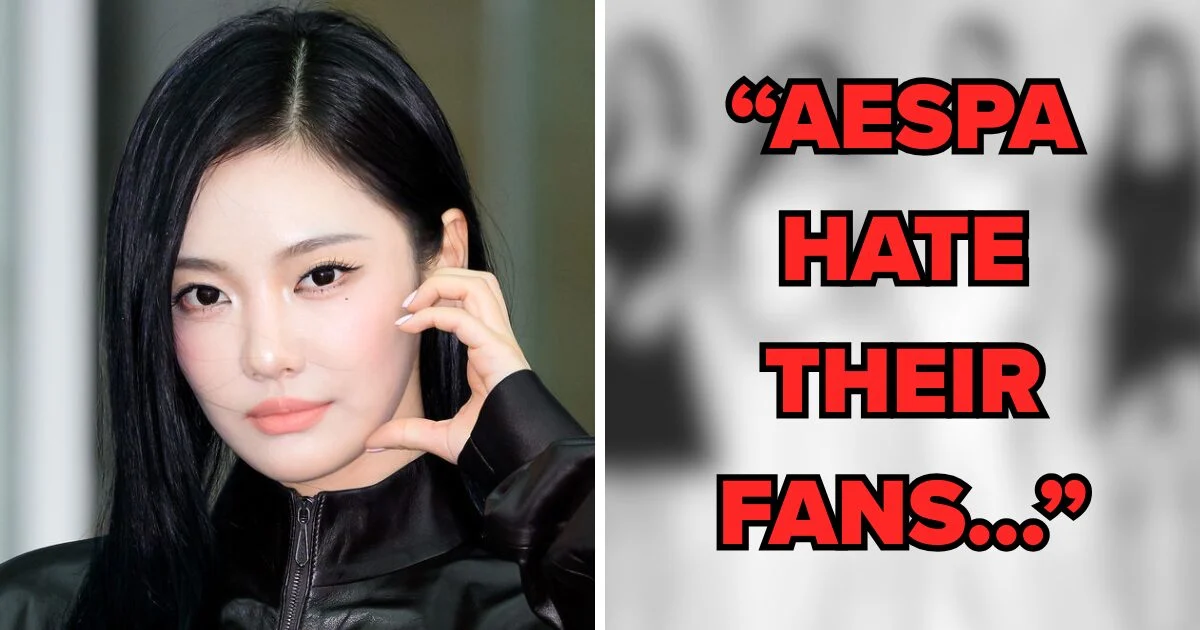
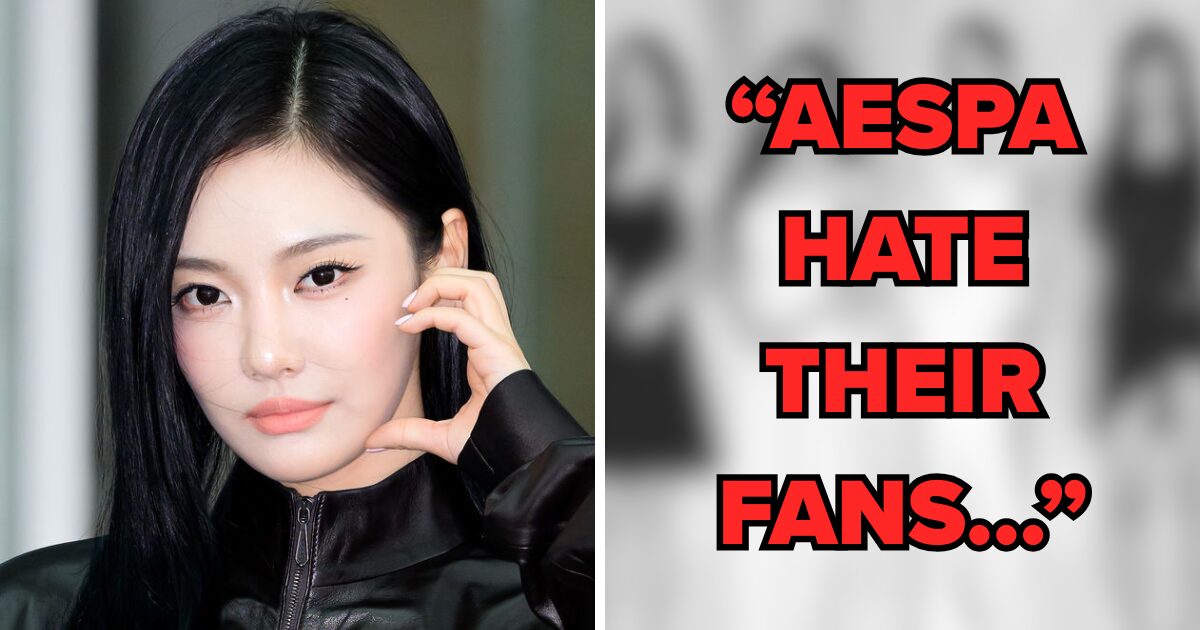
The intersection of digital identity and celebrity public relations reached a contentious juncture on September 11, 2026, when Ningning, a prominent member of the South Korean girl group aespa, updated her personal Instagram profile picture. The new image, a modified version of a standard default avatar featuring an arm raised with a middle finger, triggered an immediate and polarized response from the global fan base and broader online communities. While intended by some as an expression of personal autonomy, the gesture has reignited long-standing industry discussions concerning the boundaries of professional conduct for K-pop idols and the increasing scrutiny directed toward their social media activity.
Chronology of the Digital Incident
The controversy began on the morning of September 11, 2026, when fans noticed that Ningning had replaced her previous profile image with the controversial graphic. By the afternoon, the change had gained significant traction on platforms such as X (formerly Twitter) and various online forums, including TheQoo and Pann.
The initial reaction was a mix of bewilderment and amusement. Supporters of the idol quickly dubbed it a quintessential "IDGAF" (I don’t give a f***) moment, interpreting the image as a harmless, tongue-in-cheek reaction to the pressures of fame. However, as the image circulated, a more critical narrative began to emerge. By September 12, the conversation had shifted toward accusations of unprofessionalism, with critics labeling the choice as "immature," "distasteful," and a potential insult to the group’s fan base, known as MY.
The Spectrum of Public Opinion
The discourse surrounding the profile picture has divided observers into two distinct camps. The first, primarily consisting of dedicated supporters, views the act as an assertion of personality. In an industry often criticized for the rigid curation of idol images, these fans argue that Ningning’s decision to use a provocative avatar is a refreshing, albeit blunt, rejection of the "perfect idol" archetype. For these individuals, the image is not directed at the fans but rather serves as a humorous reflection of the singer’s private, irreverent sense of humor.
Conversely, a significant segment of the online population has framed the incident as a failure of judgment. Critics have posited that, given the global scale of aespa’s influence and their standing as a top-tier K-pop act, such public displays are inherently counterproductive. The discourse has, in some instances, veered into harsh territory, with commenters questioning the idol’s maturity and even suggesting that the incident is a symptom of a broader lack of educational or professional guidance within the industry. Some detractors went as far as to compare her behavior unfavorably to other members of the group, creating an unnecessary internal divide in the public perception of the quartet.
Contextualizing K-pop Social Media Standards
To understand the intensity of this backlash, one must consider the historical context of K-pop social media management. Historically, entertainment agencies have maintained strict control over the digital presence of their artists. This "curated authenticity" is designed to protect brand value, minimize scandal, and ensure that idols remain palatable to a wide demographic, including international corporate sponsors and family-oriented fan segments.
In recent years, however, the industry has seen a shift toward more personal, "authentic" engagement. Idols are increasingly expected to manage their own social media accounts, which provides a direct line of communication to fans but also exposes them to unprecedented levels of scrutiny. When an idol deviates from the carefully maintained persona, the reaction from the public is often disproportionately severe, as it shatters the established expectations of the "idealized celebrity."
Data and Engagement Trends
The viral nature of this incident highlights the rapid spread of information within the K-pop ecosystem. Within 24 hours of the profile picture change, search volume for "Ningning Instagram" and "aespa controversy" spiked by approximately 400% on major Korean search engines. The engagement on social media platforms followed a similar trajectory, with thousands of posts generated across multiple languages, illustrating the global reach of the issue.
Quantitatively, the incident served as a stress test for the artist’s brand loyalty. While the criticism was loud, it did not translate into a measurable loss of followers or a significant decline in the engagement metrics of her previous posts. This suggests that while the incident generated a high volume of commentary, the core audience remains largely supportive or indifferent to the controversy, distinguishing between the idol’s private aesthetic choices and her professional musical output.
Professional Implications and Agency Responsibility
From a management perspective, the incident raises questions about the degree of autonomy artists should have over their digital identities. SM Entertainment, the agency representing aespa, has not issued an official statement regarding the profile picture, which is common practice when agencies determine that a response would only serve to amplify a relatively minor issue.
Public relations experts note that in the age of "parasocial relationships"—where fans form deep, often personal connections with idols—a seemingly minor social media update can have real-world consequences for brand deals and public image. The "basement training" criticism leveled by some netizens reflects a common, if sometimes misplaced, belief that idols are sequestered from the realities of adult life. In reality, modern K-pop stars are highly trained professionals navigating a complex landscape where their personal lives and professional identities are inextricably linked.

The Broader Impact on Celebrity Culture
The backlash against Ningning is symptomatic of a larger phenomenon: the "policing" of celebrity behavior. In an era where every pixel on a screen is analyzed, the room for error has narrowed significantly. The incident serves as a case study in how quickly a subculture can turn on one of its own for a perceived breach of conduct.
Furthermore, the focus on "mental age" and "values" in the criticism suggests that there is a demand for idols to embody a specific set of moral standards that go beyond their musical talent. This burden of representation is unique to the K-pop industry, where the idol is expected to be an aspirational figure—a role model, a fashion icon, and a friend. When an artist pushes back against this mold, even in a small way like a profile picture change, the reaction serves as a reminder of the narrow tightrope that performers must walk.
Future Outlook and Media Analysis
As of now, the fervor surrounding the profile picture has begun to subside, following the typical lifecycle of a viral social media event. However, the underlying tensions remain. The incident serves as a prompt for both artists and their management to re-evaluate the strategies used in digital communication. Moving forward, the balance between personal expression and brand maintenance will continue to be a primary challenge for K-pop agencies.
While the "middle finger" incident may be categorized by many as a trivial matter, its longevity in the news cycle underscores the intense scrutiny placed on K-pop idols. Whether viewed as an act of rebellion, a lapse in judgment, or simply a non-issue, the event provides a clear look at the volatile, hyper-connected, and deeply critical nature of modern celebrity culture. As aespa continues its global ascent, the lessons learned from this digital brushfire will likely inform how the group and its members navigate their online presence in the future, highlighting the persistent tension between the individual behind the idol and the image required by the industry.