Kholidah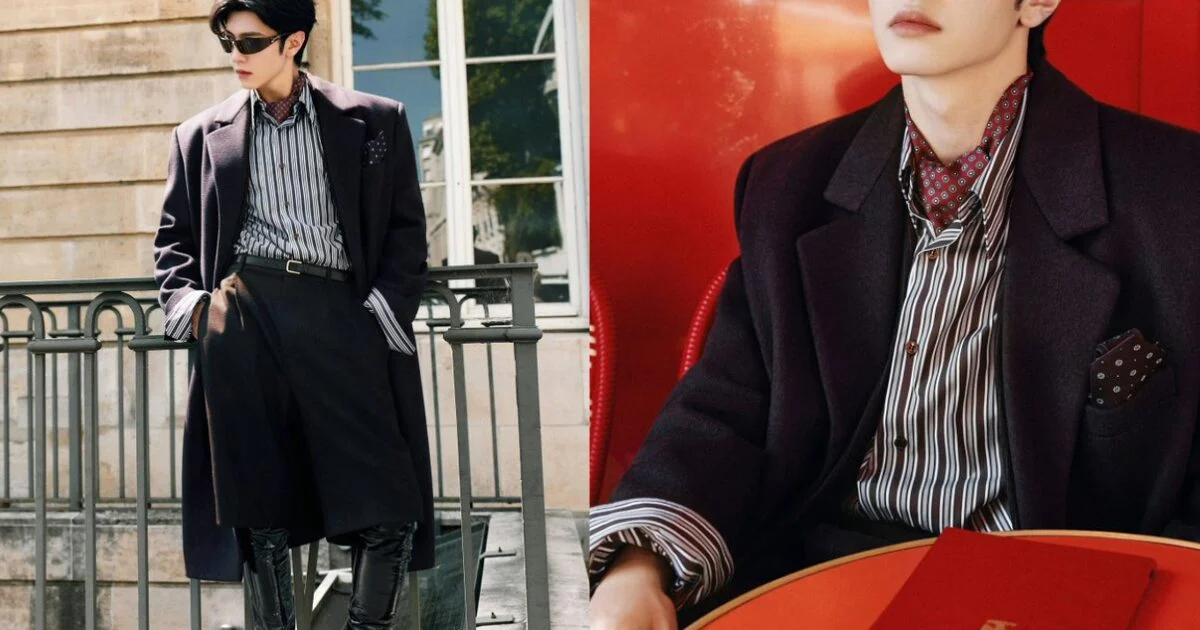
Vogue France, a cornerstone of global high-fashion journalism, found itself at the center of a significant social media controversy following an editorial oversight during its coverage of the Saint Laurent Men’s Spring/Summer 2027 show in Paris. The publication, widely regarded as an authority on style and celebrity culture, misidentified the prominent Chinese actor Chen Zhe Yuan as a member of the South Korean boy group ENHYPEN. This error, disseminated via the publication’s official X (formerly Twitter) account, triggered an immediate and multifaceted reaction from global fanbases, raising questions about editorial rigor and cultural literacy within Western fashion media.
The incident occurred during the height of Paris Fashion Week, an event where luxury houses like Saint Laurent, under the creative direction of Anthony Vaccarello, showcase their latest collections to an audience of international elites, critics, and high-profile brand ambassadors. As the fashion world looked to the Saint Laurent runway for the 2027 season, the presence of Asian celebrities remained a focal point of digital engagement. However, the prestige of the event was momentarily eclipsed by the viral spread of Vogue France’s erroneous post.
The Anatomy of the Editorial Error
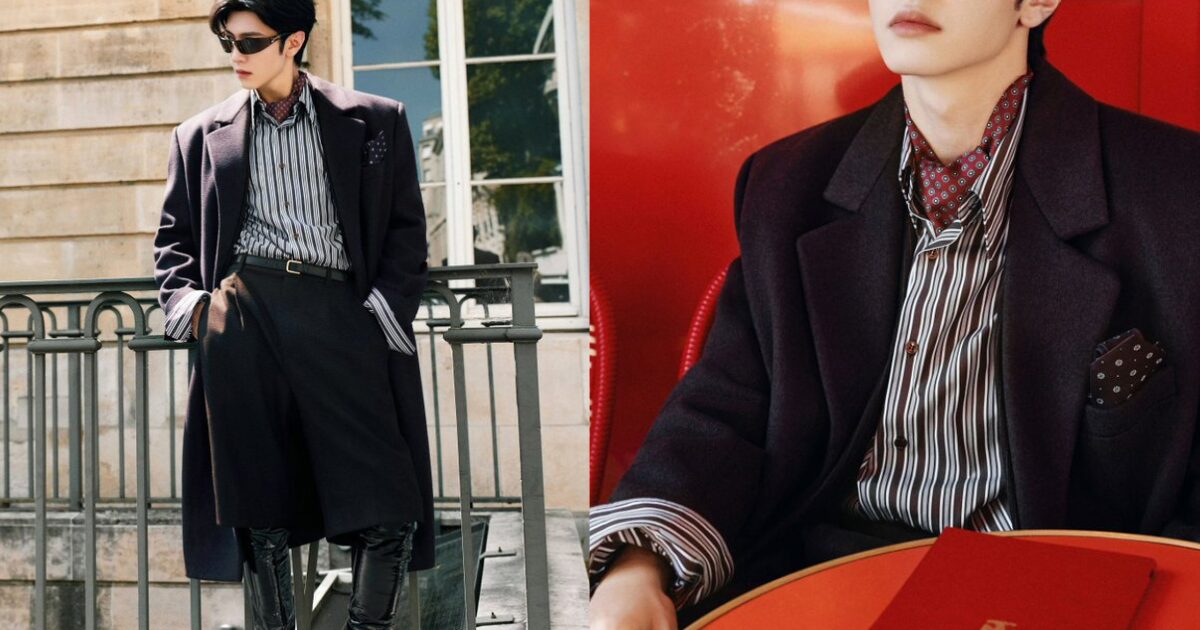
On June 23, 2026, Vogue France shared a post on X intended to highlight the arrival of Chen Zhe Yuan at the Saint Laurent presentation. The post featured a high-resolution image of the actor, who was dressed in a meticulously tailored brown suit, embodying the sleek, Parisian aesthetic characteristic of the YSL brand. The caption, written in French, stated: "Dans un costume brun impeccablement coupé, #ChenZheyuan du groupe #Enhypen a incarné la vision et l’élégance du défilé @YSL homme printemps-été 2027 par #Anthonyvaccarello."
The translation—"In an impeccably cut brown suit, #ChenZheyuan from the group #Enhypen embodied the vision and elegance of the YSL men’s spring-summer 2027 show"—immediately set off alarm bells among netizens. Chen Zhe Yuan is a highly successful actor based in China, renowned for his lead roles in hit television series and films. He has no professional affiliation with ENHYPEN, a seven-member K-Pop group managed by BELIFT LAB, a subsidiary of HYBE. The two entities exist in different sectors of the entertainment industry and operate out of different countries, making the conflation particularly jarring to fans and industry observers alike.
Profiles of the Misidentified Figures
To understand the scale of the backlash, it is necessary to look at the profiles of the parties involved. Chen Zhe Yuan is one of China’s most prominent "liuliang" (high-traffic) stars. He gained international fame through his role in the 2023 romantic drama Hidden Love, which became a global sensation on streaming platforms. His filmography also includes The Princess and the Werewolf and Handsome Siblings. As a frequent guest at international fashion weeks, Chen is recognized as a major influence in the luxury market, specifically within the Greater China region.
On the other hand, ENHYPEN is a powerhouse in the music industry. Formed through the survival reality show I-LAND, the group—consisting of Heeseung, Jay, Jake, Sunghoon, Sunoo, Jungwon, and Ni-ki—has become a fixture in the fashion world. The group currently serves as global brand ambassadors for Prada, and their appearances at fashion events typically draw thousands of fans and generate millions of dollars in Earned Media Value (EMV). While ENHYPEN members are known for their sharp fashion sense, they are distinct individuals whose faces and careers are well-documented by global media.
Chronology of the Controversy
The timeline of the event illustrates the speed at which digital errors escalate in the modern era:
- The Post (June 23, 2026): Vogue France uploads the promotional post to X during the Saint Laurent show.
- Initial Discovery: Within minutes, followers of both Chen Zhe Yuan and ENHYPEN noticed the discrepancy. Fans of Chen Zhe Yuan pointed out that he is an actor, while "Engenes" (ENHYPEN’s fandom) clarified that their idols were not present in the photo.
- Viral Escalation (June 24, 2026): The post gained thousands of retweets and quote-posts. Screenshots of the error began circulating on other platforms, including Weibo, Instagram, and TikTok.
- Community Corrections: Users utilized X’s "Community Notes" feature to add context to the post, officially flagging it as misinformation.
- Public Outcry: By the afternoon of June 24, hashtags related to the mistake began trending in various regions, with fans calling for a formal apology and a correction from the publication.
Social Media Reaction and Fan Sentiment
The reaction from the public was a mix of incredulity, humor, and genuine frustration. Many fans took a lighthearted approach, joking that Chen Zhe Yuan had "secretly debuted" as the eighth member of ENHYPEN. One viral tweet remarked, "Zheyuan making debut in enha without me knowing damn," reflecting the absurdity of the situation.
However, a significant portion of the discourse was more critical. Many netizens pointed to a recurring trend where Western media outlets struggle to distinguish between different Asian celebrities, often grouping them together regardless of their nationality or profession. One user, writing in French, noted: "Instead of using AI for research, a simple internet search is enough to know that Chen Zhe Yuan is a Chinese actor and not part of the Korean group Enhypen!"
This sentiment highlights a deeper issue regarding the "Western lens" through which Asian talent is often viewed. Despite the massive economic and cultural impact of stars from China, Korea, and Japan on the global fashion industry, errors like these suggest a lack of localized knowledge or a failure in the fact-checking process that would likely not occur with Western celebrities of similar stature.
Supporting Data: The Value of Asian Ambassadors
The impact of this error is amplified by the sheer data-driven value that these celebrities bring to brands like Saint Laurent. According to data from marketing platforms like Launchmetrics and Lefty, Asian celebrities consistently drive the highest engagement rates during Paris Fashion Week. For instance, in previous seasons, K-Pop and C-drama stars have been responsible for over 40% of the total EMV generated during the week.
Misidentifying a "traffic star" like Chen Zhe Yuan is not merely a social media gaffe; it is a failure to accurately represent a brand’s strategic partner. When a publication with the reach of Vogue France mislabels an ambassador, it potentially dilutes the brand’s message and alienates a massive demographic of consumers who are deeply invested in these celebrities’ careers.
Analysis of Editorial Implications
In the fast-paced environment of digital journalism, social media managers are often under immense pressure to publish content in real-time. This "first-to-post" culture can lead to shortcuts in the verification process. There is also speculation among industry analysts that the use of automated tagging systems or Artificial Intelligence (AI) in social media management may contribute to such errors. If an AI tool sees "Asian male celebrity" and "Fashion Week," it might erroneously pull trending keywords like "ENHYPEN" due to the group’s high search volume in fashion contexts.
Furthermore, this incident underscores the necessity for diverse editorial teams. As fashion houses increasingly look to the East for growth, the media outlets covering them must possess the cultural competency to distinguish between the distinct entertainment landscapes of different Asian nations.
Broader Impact on the Fashion Media Landscape
The Vogue France incident serves as a cautionary tale for the industry. While the publication has a storied history of excellence, its digital presence is subject to the same scrutiny as any other platform. In an era where "cancel culture" and "stan culture" are prominent, a single mistake can overshadow an entire season’s worth of high-quality reporting.
For Saint Laurent, the error is an unwelcome distraction from the artistic vision of Anthony Vaccarello’s Spring/Summer 2027 collection. The show, which was praised for its sophisticated silhouettes and dark elegance, found its digital narrative partially hijacked by the "ENHYPEN-Chen" mix-up.
Conclusion and Future Outlook
As of the latest reports, fans continue to demand a formal correction and an acknowledgment of the mistake from Vogue France. While such errors are often corrected silently by deleting and reposting, the permanence of screenshots ensures that the incident will remain a part of the publication’s digital footprint.
This controversy highlights the evolving relationship between traditional fashion media and the globalized entertainment industry. As the lines between music, film, and fashion continue to blur, and as Asian talent continues to dominate the global stage, the requirement for precision in reporting becomes paramount. Moving forward, the industry may see a shift toward more rigorous fact-checking protocols and a greater investment in specialized editorial staff who can navigate the complexities of international celebrity culture with accuracy and respect. For now, the "debut" of Chen Zhe Yuan in ENHYPEN remains a viral moment of confusion that serves as a stark reminder of the challenges facing media in the digital age.