 Aveline Kirana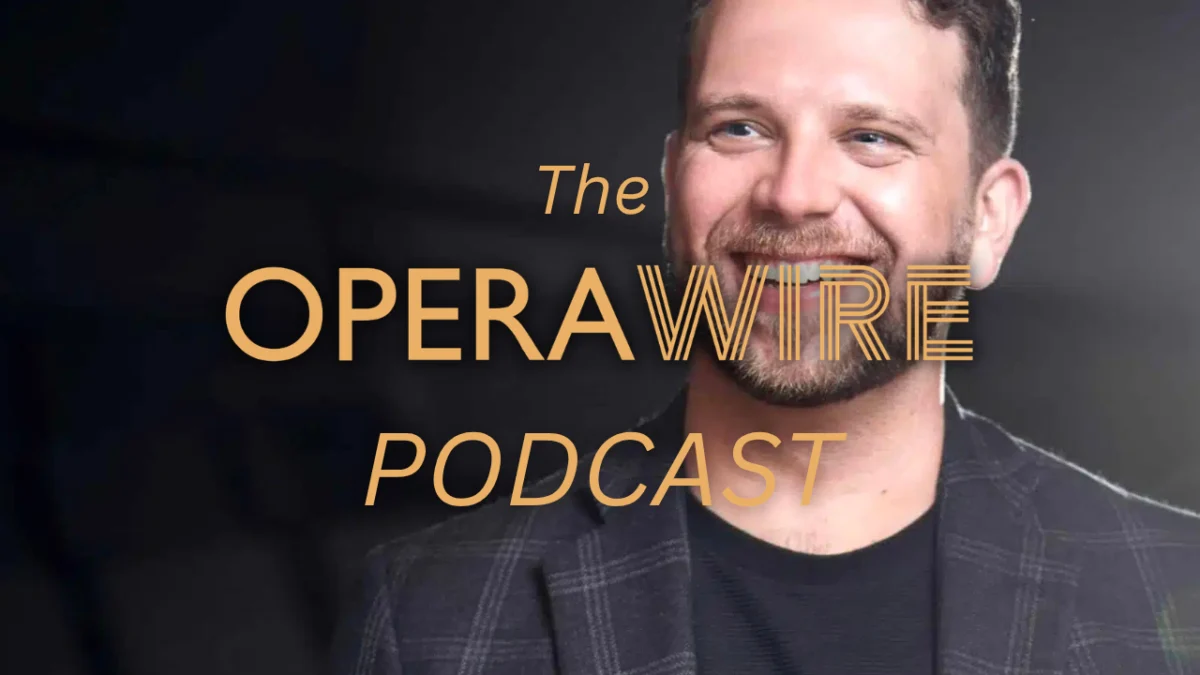
In the latest installment of the OperaWire Podcast, Episode 14, host Francisco Salazar engaged in a comprehensive discussion with Johnathan McCullough, a prominent figure in the operatic world. The conversation delved into McCullough’s multifaceted career as a singer, director, and program director, with a particular focus on his leadership at the acclaimed National Youth Opera Academy and its highly anticipated upcoming summer program. The episode, available for both audio and video consumption, offers a deep dive into the initiatives and vision behind nurturing the next generation of operatic talent.
A Vision for Young Opera: The National Youth Opera Academy
The National Youth Opera Academy (NYOA) stands as a testament to the commitment of cultivating young voices and fostering a passion for opera. Founded with the explicit goal of providing unparalleled training and performance opportunities for aspiring young singers, the academy has quickly established itself as a vital institution within the operatic landscape. Its programs are meticulously designed to offer a holistic approach to operatic development, encompassing vocal technique, dramatic interpretation, stagecraft, and the broader understanding of operatic history and repertoire.
McCullough’s role as Program Director at the NYOA is central to its success. He brings a wealth of experience, both as a seasoned performer and as an educator, to guide the academy’s curriculum and artistic direction. His understanding of the demands of a professional singing career, coupled with a pedagogical insight into the needs of young artists, informs the academy’s approach. This dual perspective allows the NYOA to not only refine technical skills but also to instill the resilience, discipline, and artistic sensibility crucial for a sustainable career in opera.
The Upcoming Summer Program: A Gateway to Excellence
The forthcoming summer program at the National Youth Opera Academy is poised to be a significant event, drawing in talented young singers from across the nation and potentially beyond. These intensive programs are typically structured to immerse participants in a rigorous yet supportive environment, mirroring the demands of professional operatic training. Such programs often include private vocal coaching, masterclasses led by esteemed artists and educators, opera scene work, language diction coaching, and opportunities for public performance.
The strategic timing of these summer intensifies is no accident. They often serve as a crucial period for young singers to refine their skills during academic breaks, gain exposure to new repertoire, and network with peers and mentors. For many, these programs represent a significant stepping stone towards collegiate opera programs, conservatories, and ultimately, professional careers. The competitive nature of admissions to such programs underscores their perceived value and the high caliber of instruction and opportunity they provide. Historically, similar intensive programs have been instrumental in launching the careers of many renowned opera singers, offering them early visibility and invaluable experience.
Balancing a Dynamic Career: Singer, Director, and Program Director
Johnathan McCullough’s conversation with the OperaWire Podcast highlights the demanding yet rewarding nature of managing a career that spans multiple facets of the operatic world. His experience as a singer provides him with an intimate understanding of the vocal instrument, the challenges of performance, and the psychological demands of the stage. This firsthand knowledge is invaluable when shaping training programs and guiding young artists.
As a director, McCullough possesses the ability to envision and execute theatrical productions, translating musical scores into compelling dramatic narratives. This directorial acumen informs his approach to teaching dramatic interpretation and stage presence, ensuring that young singers develop not only beautiful voices but also the ability to embody characters and engage audiences.
Furthermore, his role as a program director requires a distinct set of skills, including curriculum development, faculty management, financial oversight, and strategic planning. The successful administration of an organization like the NYOA necessitates a keen understanding of educational best practices, artistic integrity, and the operational realities of arts institutions. The ability to seamlessly transition between these roles and leverage the insights from each is a testament to McCullough’s dedication and expertise.
The OperaWire Podcast: A Platform for Artistic Dialogue
The OperaWire Podcast, hosted by David and Francisco Salazar, has established itself as a significant platform for engaging with the opera community. By featuring interviews with leading artists, conductors, directors, and administrators, the podcast provides listeners with insightful perspectives on the current state and future of opera. Episode 14, with its focus on the National Youth Opera Academy, underscores the podcast’s commitment to spotlighting initiatives that are shaping the next generation of operatic talent.

Francisco Salazar, the publisher of OperaWire and a classically trained cellist, brings a unique journalistic and artistic background to his role. His experience in media production and his extensive journalism career, including work with publications like Latin Post and Remezcla, lend a professional and informed tone to the podcast and its accompanying written content. His academic background, with a Master’s in Media Management and a Bachelor’s in Film Production and Italian studies, further enriches his understanding of the arts and media landscape.
Supporting Data and Context: The Landscape of Young Artist Development
The importance of programs like the National Youth Opera Academy can be further understood by examining the broader context of young artist development in the classical music world. The path to a professional opera career is exceptionally competitive and demanding. Statistics from leading conservatories and opera companies often reveal a high ratio of applicants to available positions. For instance, many prestigious young artist programs receive hundreds, if not thousands, of applications for a limited number of spots.
This intense competition highlights the critical need for robust pre-professional training. The NYOA, by offering specialized instruction and performance opportunities, directly addresses this need. Its curriculum likely draws inspiration from established models of young artist development found in major opera houses and conservatories worldwide. These models often emphasize a phased approach, starting with foundational vocal training and progressing to more advanced repertoire study, operatic scene work, and full production participation.
The financial aspect of operatic training is also a significant consideration. High-quality instruction, private coaching, and participation in intensive programs can incur substantial costs for families. Therefore, the existence of academies that provide accessible and high-caliber training is invaluable, potentially offering scholarships or financial aid to ensure that talent is not hindered by economic barriers. The NYOA’s success in attracting and training young singers suggests a strong demand for such resources.
Chronology of Development and Future Outlook
While the specific founding date of the National Youth Opera Academy is not detailed in the provided content, the mention of its "upcoming summer program" implies an established operational history. Such academies typically evolve over time, refining their programs based on pedagogical advancements, student feedback, and the evolving demands of the professional opera world.
The trajectory of similar institutions suggests a consistent focus on identifying and nurturing promising young talent. The NYOA’s continued engagement with prominent figures like Johnathan McCullough and its presence on platforms like the OperaWire Podcast indicate a strategic approach to visibility and growth. The success of past summer programs would logically inform the planning and execution of future endeavors, with each iteration building upon the previous one.
The future outlook for the NYOA, as presented through McCullough’s discussion, appears robust. The academy is not only providing essential training but also actively contributing to the pipeline of future opera professionals. By fostering a supportive and challenging environment, it equips young singers with the technical skills, artistic understanding, and professional network necessary to thrive in a highly competitive industry.
Broader Impact and Implications for the Opera World
The work undertaken by the National Youth Opera Academy, and by individuals like Johnathan McCullough, has significant implications for the broader opera world. By investing in young talent, these initiatives are ensuring the continued vitality and evolution of the art form. A strong foundation in early training can lead to a more diverse and skilled pool of future performers, enriching operatic productions for decades to come.
Furthermore, the academy’s focus on comprehensive development—encompassing not just vocal technique but also dramatic interpretation and stage presence—reflects a modern understanding of what it takes to be a successful opera singer. This holistic approach prepares artists for the multifaceted demands of contemporary opera, where strong acting and communicative skills are as crucial as vocal prowess.
The accessibility of such programs also plays a role in broadening the demographic reach of opera. By providing opportunities for young people from various backgrounds, academies like the NYOA can help cultivate a more diverse audience and performer base, making opera more relevant and relatable to a wider society. The insights shared on the OperaWire Podcast offer a valuable glimpse into the dedication and strategic vision required to sustain and grow such vital institutions, ultimately contributing to the enduring legacy of opera.