Nayara Elvina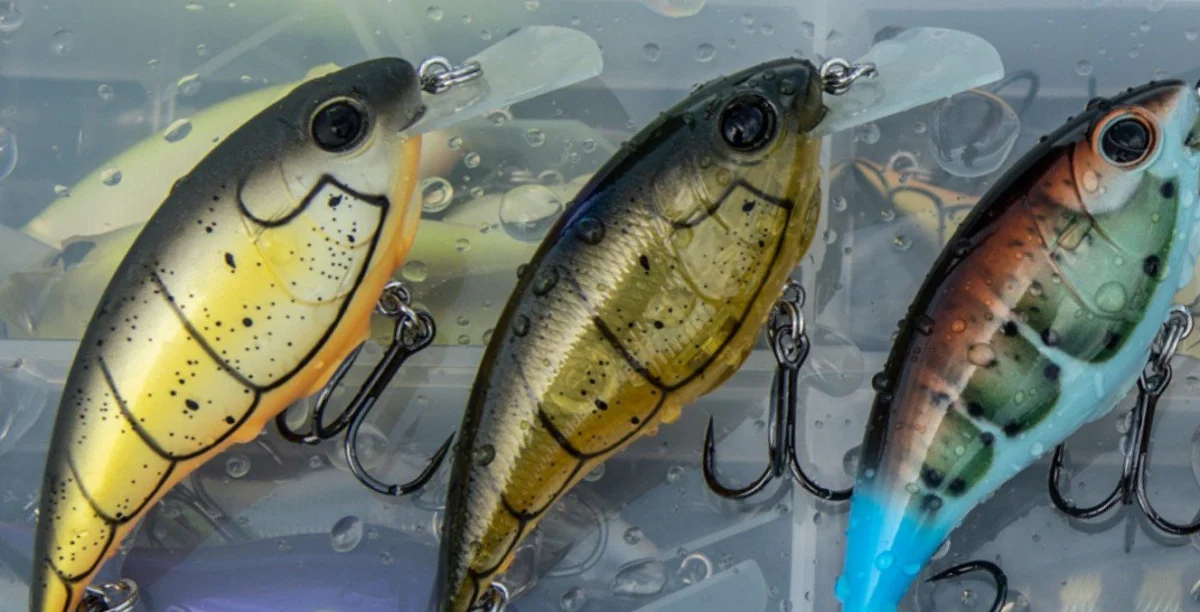
As environmental temperatures drop and daylight hours steadily diminish, largemouth and smallmouth bass undergo a predictable behavioral shift driven by biological imperatives. Autumn represents a critical calendar window for these apex freshwater predators, which must actively accumulate substantial fat reserves to sustain themselves through the impending winter months. This seasonal transition initiates a mass migration of baitfish, primarily threadfin and gizzard shad, from deeper pelagic zones into the shallow, oxygen-rich waters of creek arms and major tributaries. In response, bass abandon their deep-water summer sanctuaries to pursue forage relentlessly, herding schools of baitfish against shorelines, rocky banks, and shallow cover. For anglers seeking to capitalize on this aggressive autumn feeding window, deploying fast-moving reaction baits—specifically crankbaits tailored to precise depth profiles and water conditions—remains an indispensable strategy.
The mechanics of autumn bass fishing require a nuanced understanding of aquatic thermodynamics and predator-prey dynamics. As water temperatures cool from the high 70s down into the 50s and low 40s over a span of several weeks, the metabolic rates of bass fluctuate significantly. Early in the fall, warm residual water allows for blistering retrieves and aggressive reaction strikes. As autumn deepens, however, dropping water temperatures necessitate a more measured approach. Professional anglers and fisheries biologists note that successfully targeting transitioning bass hinges on matching the exact physical characteristics, action profiles, and running depths of the local forage base.
To navigate the diverse scenarios presented during the autumn turnover and cooling period, elite anglers rely on a specialized rotation of hard-bodied crankbaits. Industry experts have identified three distinct bait categories that consistently dominate the fall transition: the balsa squarebill, the flat-sided crankbait, and the aggressive mid-depth runner. Each tool serves a specific hydrological purpose, designed to trigger the predatory instincts of bass positioned in varying stages of their seasonal migration.
The Balsa Squarebill: A Shallow-Water Powerhouse
When autumn bass aggressively herd shad into the extreme shallows, targeting rocky banks, laydowns, and submerged stump fields requires a bait built to withstand heavy impacts while provoking immediate reaction strikes. The squarebill crankbait is universally recognized as the ultimate shallow-water weapon for this precise application. Unlike standard lip-dive crankbaits that track uniformly, a square-lipped design is intentionally engineered to deflect violently off hard cover. This erratic deflection mimics a disoriented or fleeing baitfish, triggering a hardwired predatory strike response from lurking bass.
Among shallow-water squarebills, balsa wood constructions offer distinct hydrodynamic advantages over traditional plastic models. Balsa possesses a high buoyancy-to-weight ratio, allowing the bait to back up and pop off submerged obstacles rapidly when the retrieve pauses or strikes wood. This rapid deflection capability drastically reduces snag rates in dense cover. According to seasoned tournament anglers, the cardinal rule of fishing a squarebill in the fall is constant contact with the bottom environment; if an angler is not actively bouncing the bait off rocks, timber, or docks, the lure is not being fished to its maximum potential.
The Rapala Ott’s Garage OG Rocco 5 stands out as a premier example of this engineering philosophy. Designed in collaboration with elite bass fishing professionals, the OG Rocco combines a custom circuit-board square bill with responsive balsa construction, delivering a wide wobbling action that excels in water depths ranging from zero to five feet. Optimal locations for deploying the OG Rocco during the autumn transition include shallow creek channels, riprap banks, boat docks, and isolated timber. Effective color selections during this period typically mirror local forage, with popular choices including Rootbeer Crawdad, Bruised Citrus Shad, and Green Gizzard Shad, each retailing around $11.99.
The Evolution of the Flat-Sided Crankbait for Late-Fall Conditions
As the autumn season progresses into its final weeks and water temperatures dip firmly into the low 50s, the physiological behavior of bass undergoes a noticeable transformation. Colder water reduces the metabolism and overall activity level of cold-blooded species, rendering them significantly more lethargic than they were during the early-fall feeding frenzies. Consequently, wide-kicking, highly aggressive wide-wobble crankbaits that proved effective in September and October often fail to draw strikes as water temperatures plummet.
To counter this seasonal slowdown, anglers transition to flat-sided crankbaits. The narrow, compressed body profile of a flat-sided crankbait produces a much tighter, subtler vibration and a high-frequency wiggle that closely replicates the natural swimming motion of a cold, sluggish baitfish. This understated presentation appeals to lethargic bass that are unwilling to expend energy chasing fast, erratic moving targets, yet remain willing to ambush easy prey passing within close proximity.
The Berkley Frittside X 5 represents a major technological advancement within this specialized category. Building upon the proven success of the original Berkley Frittside line, the newer "X" iteration features an upgraded, highly durable body structure designed to withstand repeated impacts against abrasive surfaces without compromising its delicate tracking action. The Frittside X retains the tight, thump-heavy swimming profile essential for cold-water applications while incorporating a robust build quality favored by touring professionals. Biologists and veteran guides recommend focusing flat-sided crankbaits along steep rocky banks, vertical bluff walls, and major structural transition zones where cooling water forces fish to suspend or hug hard substrates. Proven color patterns for late-fall conditions include Black Chartreuse, Mossback Craw, and Chrome Shad, available at a retail price of $17.99.
Targeting Staging Areas with Mid-Depth Crankbaits
Before bass complete their final migration to the absolute extremities of creek arms and shallow flats, they frequently utilize transitional staging areas. During this intermediate phase, fish occupy secondary points, sharp channel swings, and the outer edges of deeper weedlines. These structural features act as underwater highways and feeding stations where bass can easily ambush schools of baitfish moving between deep basins and shallow feeding grounds.
Successfully intercepting these staging fish requires a bait capable of effectively covering the critical five-to-seven-foot depth range. The Berkley Money Badger series has established a formidable reputation among tournament competitors for bridging this exact ecological gap. Emitting a distinct, high-frequency commotion and featuring an aggressive diving bill, the standard Money Badger descends efficiently into the mid-depth zone to trigger active feeding schools. Furthermore, variations such as the Shallow Money Badger allow anglers to transition seamlessly into ultra-shallow environments—such as riprap, concrete boat ramps, and rocky points—using the same familiar bait profile.
While lipless crankbaits can occasionally serve a similar purpose when bass congregate over extensive grass flats, experienced anglers generally reserve lipless baits for early spring applications, favoring the precise diving control of a billed crankbait during the autumn cool-down. Prime locations for deploying the Berkley Money Badger include major channel bends, steep underwater points, deep-water dock pilings, and the exterior edges of decaying aquatic vegetation. Anglers looking to stock their tackle boxes with this versatile mid-depth option can acquire the Berkley Money Badger 4 for $9.99, with productive colorways including Vanilla Chartreuse, Ghost Green Craw, and Black Gold.
Data-Driven Optimization and Modern Angling Technology
Navigating the complexities of seasonal bass migrations requires more than just high-quality terminal tackle; it demands precise environmental timing. Modern sportfishing increasingly relies on advanced predictive analytics and meteorological data to optimize time spent on the water. Recognizing that variables such as barometric pressure, lunar cycles, water temperature fluctuations, and cloud cover profoundly impact fish behavior, technological platforms have emerged to assist anglers in pattern recognition.
Tools such as the Bass Forecast Bait Advisor integrate complex algorithms analyzing over 11,000 distinct environmental and behavioral factors. By inputting a specific geographic ZIP code or GPS coordinate, anglers receive customized bait recommendations, localized bite ratings, and precise calculations for major and minor feeding windows. This data-driven approach removes much of the guesswork inherent in transitional fishing, allowing sportsmen to align their on-the-water strategies with peak biological feeding periods. As environmental conditions continue to shift throughout the autumn months, combining proven reaction-bait tactics with sophisticated predictive modeling remains the most reliable methodology for consistent angling success.