 Aveline Kirana
The 2026-2027 season of the Los Angeles Opera commenced this Saturday at The Music Center, marking a pivotal moment for the organization as it introduced Domingo Hindoyan as the new Music Director. While the evening was characterized by a high-fashion red carpet—notably attended by cultural figures such as Jennifer Lopez—and a palpable sense of institutional optimism, the production itself, a new Spanish Gothic staging of Georges Bizet’s "Carmen," failed to achieve the artistic cohesion required to match the prestige of the occasion. Despite the company’s stated commitment to avant-garde perspectives and fresh thematic interpretations, the premiere highlighted a persistent tension between experimental ambition and the practical requirements of operatic performance.
The atmosphere preceding the performance was one of carefully curated pageantry. The outdoor plaza of The Music Center served as a vibrant prelude, featuring live flamenco performances and an audience that, while invited to dress as they pleased, largely opted for high-opulence attire. This enthusiasm was rooted in the announcement of Domingo Hindoyan’s appointment, a strategic move by the LA Opera board to pivot toward a more contemporary, internationally informed sound. For a company that consistently ranks among the top five opera houses in the United States by operating budget—often exceeding $50 million annually—the debut of a new Music Director is a bellwether event that signals the artistic trajectory of the coming decade.
A New Direction for the Podium
The choice of "Carmen," perhaps the most recognizable work in the standard operatic repertoire, provided a high-stakes litmus test for Hindoyan. The opera, which premiered in 1875, carries with it an immense weight of historical performance tradition. Hindoyan’s approach, however, proved to be a departure from the "showy" flair traditionally associated with Bizet’s score. Throughout the evening, the orchestra maintained a restrained, at times muffled, acoustic profile. While this technical choice allowed for greater clarity in the vocal lines, it frequently drained the score of its inherent dramatic buoyancy.
Data from the evening’s performance suggests that Hindoyan’s methodology prioritized long-term structural balance over immediate emotional impact. In the orchestral interludes, or entr’actes, the lack of dynamic range was particularly noticeable, leading to a performance that felt more like a clinical dissection of the score than a visceral theatrical experience. However, the conductor’s restraint found its justification during the Act I confrontation between Carmen and Don José. In this sequence, the orchestra provided a taut, rhythmically precise foundation that effectively underscored the psychological volatility of the characters. This suggests that while the debut may have lacked the "pop" factor expected by casual audiences, it demonstrated a deliberate, if cautious, attempt by the new director to prioritize internal narrative logic.
Thematic Ambiguity in Stagecraft
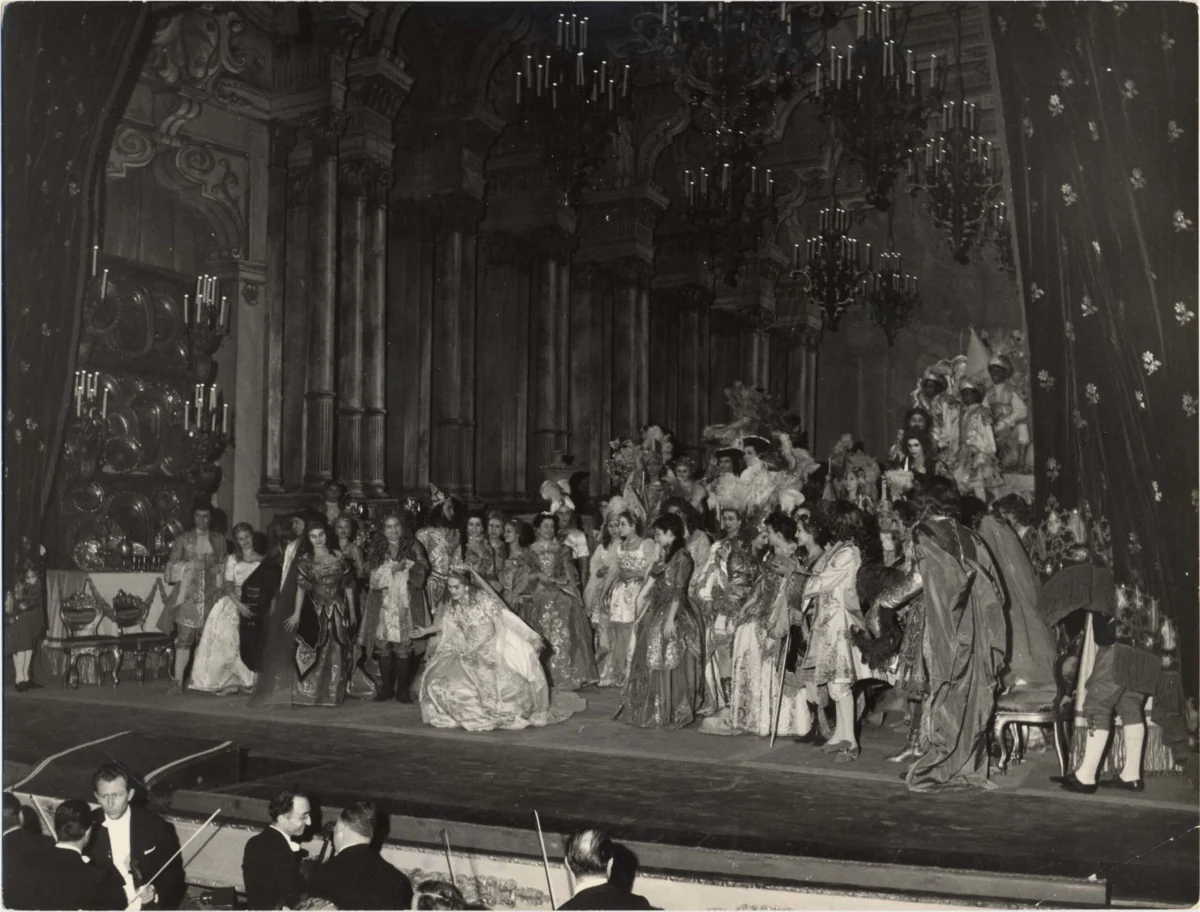
Director Thaddius Strassberger’s vision for this production was centered on a "Seville suspended between centuries," an aesthetic choice that sought to blend traditional Spanish Gothic architecture with abstract, modern visual projections. According to production notes released by the LA Opera, the intent was to evoke the "eerier" undercurrents of Spanish history, moving away from the romanticized, folkloric versions of the opera often staged in the early 20th century.
In practice, the visual execution encountered significant friction. The projections—often manifesting as atmospheric smoke or abstract patterns—frequently clashed with the physical set pieces. While the set construction was objectively impressive in its scale and architectural detail, it suffered from a lack of "lived-in" authenticity. The rigid symmetry of the set design, while aesthetically pleasing to some, stood in stark contrast to the chaotic, passionate nature of the libretto.
However, the costume design by Mattie Ulrich emerged as the production’s most successful element. By utilizing a rigorous color schematic, Ulrich managed to delineate the shifting emotional states of the characters, particularly that of Don José. As his moral decline progressed throughout the three-act structure, his wardrobe evolved in a way that provided a visual shorthand for his internal collapse. This level of detail, contrasted with the broader, less successful projections, highlights a recurring issue in contemporary operatic production: the struggle to reconcile high-concept visual arts with the traditional demands of stage blocking and narrative flow.
Performative Dynamics and Characterization
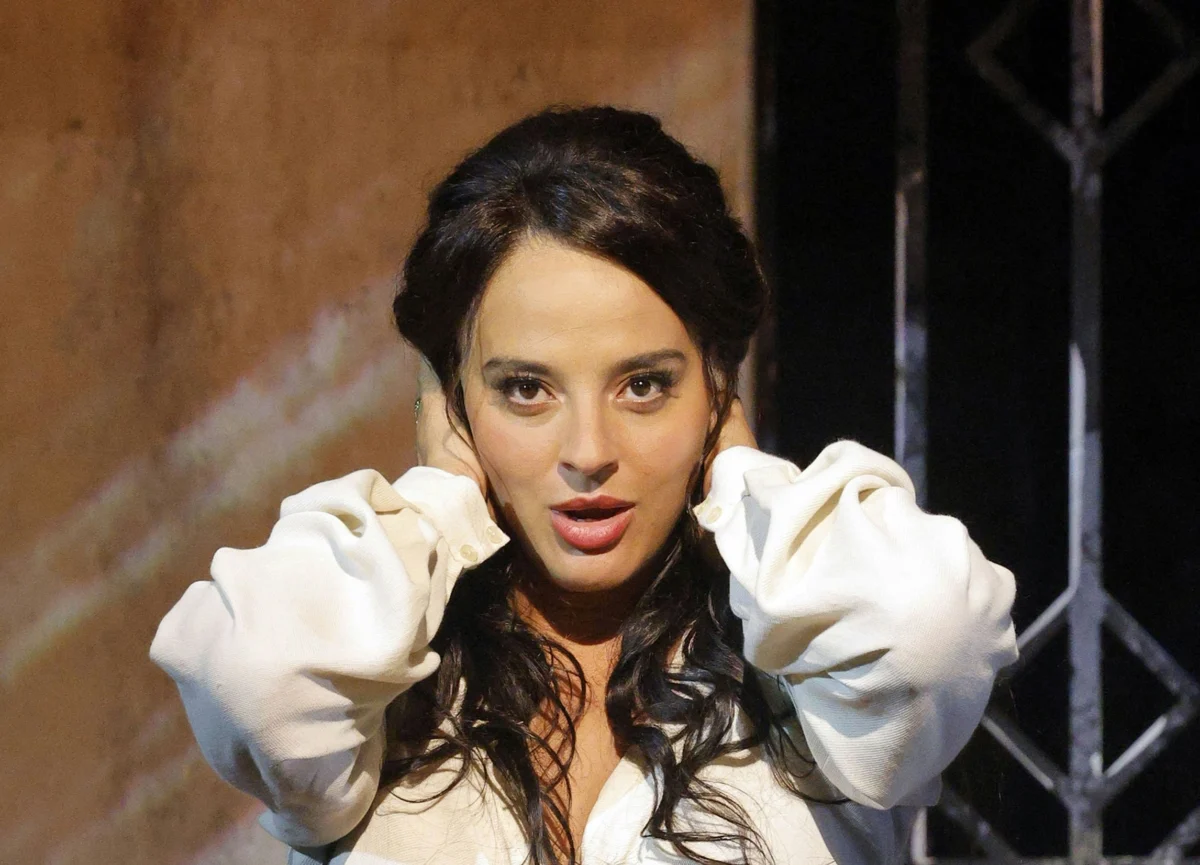
The casting of Rihab Chaieb as Carmen marked a departure from the stereotypical "femme fatale" portrayal. Chaieb’s interpretation leaned toward a more authoritative, matriarchal figure, stripping away much of the character’s traditional volatility. While this approach is theoretically interesting, it created a vacuum of energy that the production struggled to fill. Without the sharp, unpredictable edges that define the character of Carmen, the central conflict of the opera—the obsessive, destructive love of Don José—lost much of its stakes.
Chaieb’s vocal performance was technically proficient, marked by a polished, controlled delivery. Yet, the lack of dynamism in her phrasing, particularly in the iconic "L’amour est un oiseau rebelle," left the audience wanting. Conversely, Joshua Guerrero’s Don José provided a necessary emotional anchor. Guerrero approached the role with a vulnerability that transformed the character from a standard romantic lead into a tragic, relatable figure. His vocal performance, characterized by a "milquetoast" sweetness in the early acts, provided a heartbreaking contrast to the violent outbursts that closed the performance. His duets with Kathleen O’Mara, who played Micaëla, were the vocal highlights of the evening. O’Mara’s ability to project with clarity and emotional depth successfully filled the house, providing the production with the only moments of true, unadulterated operatic catharsis.
Institutional Implications and Future Outlook
The reception of this production by critics and long-term subscribers suggests that the LA Opera is currently in a transitional phase. Following the opening night, institutional insiders noted that the company is under pressure to balance its traditional subscription base with the need to attract a younger, more diverse demographic. The use of "Carmen" as a season opener is a high-risk strategy; it is a work so familiar that every deviation from expectation is magnified.
The broader implications for the organization remain positive, provided the company can bridge the gap between its ambitious new leadership and the logistical realities of its productions. Hindoyan’s tenure is still in its infancy, and the "timidity" noted in this production may well be the result of a conductor testing the acoustics of a new house and the capabilities of a new orchestra. As the season progresses, the key for the LA Opera will be to ensure that the intellectual freedom granted to directors like Strassberger does not come at the expense of the visceral power that defines the medium.
Chronologically, the company is now set to transition into a series of smaller-scale, more intimate performances, which may prove better suited to Hindoyan’s current approach to conducting. If the company can harness the technical competence displayed by the orchestra during the Act I finale and pair it with a more daring, decisive approach to stage direction, the 2026-2027 season could still recover from this uneven start.
Ultimately, the opening night of "Carmen" was a masterclass in the complexity of modern grand opera. It proved that while funding, celebrity, and high-concept design are significant assets, they cannot replace the essential, intangible spark of performance. The LA Opera’s commitment to "fresh perspectives" is commendable, but the challenge for the coming months will be to ensure those perspectives serve the music, rather than merely decorating it. For a city that prides itself on being a global hub for the arts, the stakes are high, and the trajectory of the LA Opera under Hindoyan will be monitored closely by the global operatic community. As the curtains closed on Saturday, the consensus remained one of cautious optimism—a belief that this production was not a failure of talent, but a difficult, necessary learning curve in the evolution of one of the nation’s most vital cultural institutions.