Aveline Kirana
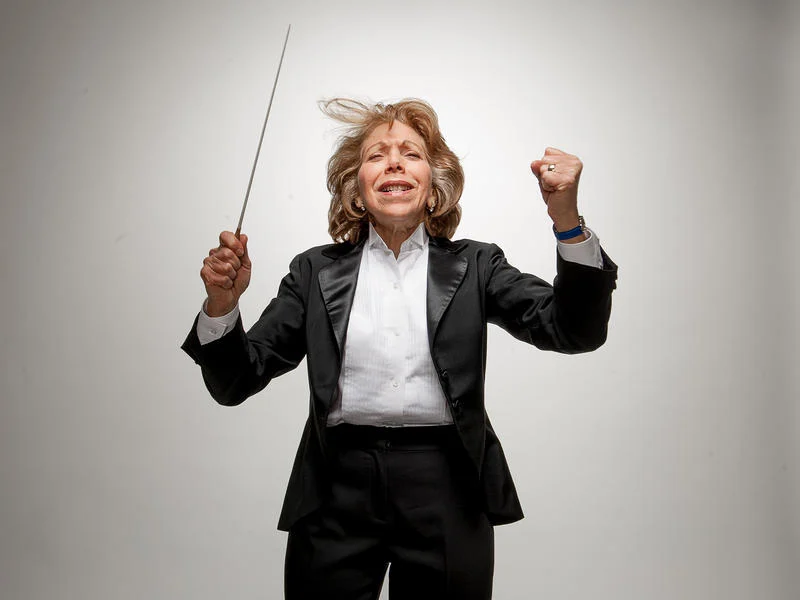
The Orchestre Philharmonique et Chœur des Mélomanes (OPCM) has unveiled its ambitious 2026-27 season, marking its twelfth year of artistic endeavor. Under the visionary direction of its conductor, artistic director, and founder, Francis Choinière, the ensemble will embark on a profound exploration of the Romantic era, presenting a curated selection of monumental works at the esteemed Maison symphonique de Montréal. This season promises to immerse audiences in the emotional depth, dramatic flair, and virtuosic brilliance that define this pivotal period in musical history.
The OPCM’s commitment to artistic excellence and community engagement has solidified its position as a significant cultural force in Montreal and beyond. Since its inception in 2015, the organization has consistently strived to present both beloved masterpieces and contemporary compositions, fostering a dynamic and accessible classical music experience. The choice of Romanticism as the overarching theme for its twelfth season is a testament to the enduring power and universal appeal of composers like Mendelssohn, Brahms, Verdi, and Rachmaninoff, whose works continue to resonate with audiences across generations.
A Grand Overture to the Romantic Season
The 2026-27 season will commence with a program that immediately sets a tone of profound beauty and emotional resonance. The opening concert, scheduled for December 12, 2026, will feature Felix Mendelssohn’s Violin Concerto in E minor, Op. 64, a cornerstone of the violin repertoire celebrated for its lyrical melodies and virtuosic demands. This iconic concerto, composed in 1844, is renowned for its seamless integration of orchestra and soloist, offering a dazzling display of technical prowess and expressive depth. The OPCM’s performance will undoubtedly highlight the concerto’s intricate interplay between the solo violin and the orchestral texture, a hallmark of Mendelssohn’s masterful craftsmanship.
Complementing the Mendelssohn concerto will be Johannes Brahms’s A German Requiem, Op. 45. Composed between 1865 and 1868, Brahms’s Requiem stands apart from its Latin counterparts by utilizing biblical texts in German, focusing on themes of comfort, solace, and the affirmation of life for those who mourn. This monumental work, often considered one of Brahms’s greatest achievements, demands a powerful orchestral and choral presence, as well as deeply sensitive solo performances. The OPCM’s rendition of this profound work promises to be a deeply moving experience, offering a contemplative and ultimately hopeful reflection on life, death, and remembrance.
The soloists gracing the stage for this opening program are Guillaume Villeneuve, a highly regarded tenor, and Aline Kutan, a celebrated soprano, both of whom have garnered critical acclaim for their interpretations of operatic and concert repertoire. Baritone Geoffroy Salvas will also lend his powerful voice to the Requiem, contributing to the rich vocal tapestry of Brahms’s masterpiece. The combined talents of these artists, guided by Maestro Choinière’s baton, are expected to deliver a performance of exceptional artistry and emotional impact, setting a high standard for the remainder of the season.
Verdi’s Timeless Tragedy Takes Center Stage
The OPCM’s dedication to presenting operatic masterpieces will be further exemplified by its production of Giuseppe Verdi’s iconic opera, "La Traviata." Scheduled for January 29 and 30, 2027, this production promises to be a highlight of the season, bringing to life one of the most enduring and beloved operas in the repertoire. "La Traviata," which premiered in 1853, tells the poignant story of Violetta Valéry, a courtesan who finds true love with Alfredo Germont, only to be forced to sacrifice her happiness for the sake of his family’s honor.
The cast assembled for this production features a constellation of talented artists. Soprano Nino Machaidze, known for her captivating portrayals of operatic heroines, will take on the demanding role of Violetta. Tenor Piotr Buszewski will portray the passionate Alfredo Germont, and bass-baritone Gregory Dahl will embody the stern but ultimately sympathetic Giorgio Germont. The supporting cast includes a robust ensemble of singers, including Alex Halliday, Ariane Cossette, Simona Genga, Sam Champagne, and Geoffrey Schellenberg, ensuring a rich and nuanced performance of Verdi’s intricate vocal writing.
Verdi’s "La Traviata" is celebrated not only for its dramatic intensity and complex characters but also for its melodic richness and emotional depth. From the dazzling courtesan’s aria "Sempre libera" to the heart-wrenching duets between Violetta and Alfredo, the opera is replete with unforgettable music that has captivated audiences for over a century. The OPCM’s production, staged at the Maison symphonique, will provide an intimate yet grand setting for this timeless tragedy, allowing the emotional nuances of the story and the power of Verdi’s music to fully unfold. The choice to present the opera over two nights suggests a significant investment in its staging and a desire to offer audiences ample opportunity to experience this operatic gem.
Rachmaninoff’s Passionate Melodies and Dramatic Scope
The season will culminate in a powerful program dedicated to the passionate and virtuosic works of Sergei Rachmaninoff. On May 8, 2027, the OPCM will present Rachmaninoff’s Piano Concerto No. 2 in C minor, Op. 18, a work synonymous with lush melodies, sweeping romanticism, and breathtaking piano virtuosity. Composed between 1900 and 1901, this concerto is one of the most popular and frequently performed piano concertos in the classical canon, its opening chords alone instantly recognizable and deeply evocative.
Paired with the concerto will be Rachmaninoff’s choral symphony, "The Bells," Op. 35. Based on Edgar Allan Poe’s poem of the same name, "The Bells" is a symphonic work that uses voices to depict the different stages of life through the sounds of various bells – wedding bells, marriage bells, alarm bells, and funeral bells. This ambitious and dramatic work, composed between 1910 and 1913, showcases Rachmaninoff’s mastery of orchestral color and his ability to create powerful emotional narratives through music. The OPCM’s performance of "The Bells" promises to be a grand and thrilling conclusion to the season, highlighting the ensemble’s capabilities in both orchestral and choral performance.
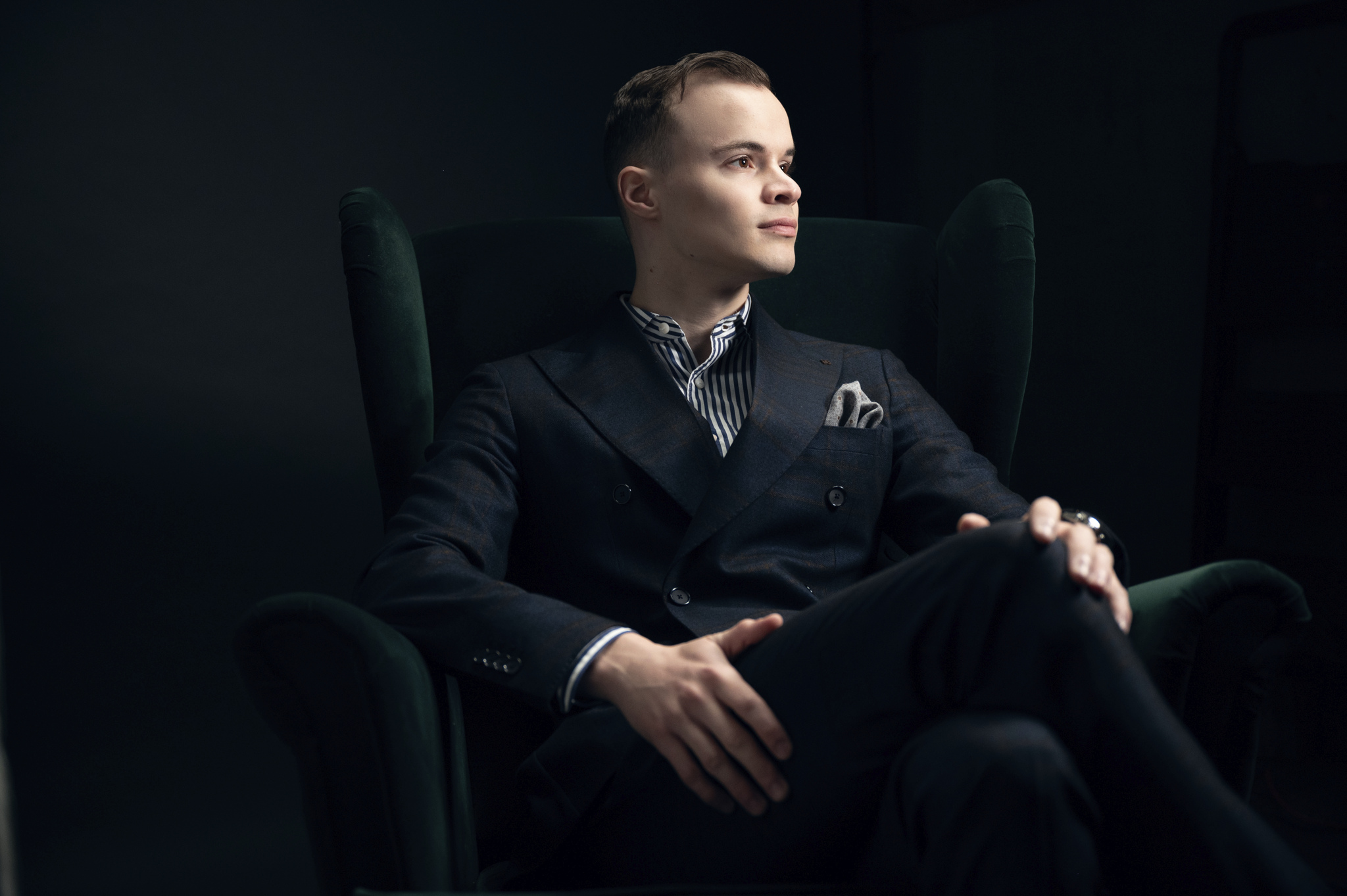
The soloists for this Rachmaninoff program include pianist Alain Lefèvre, a celebrated virtuoso known for his interpretations of romantic repertoire, who will undoubtedly bring his formidable technique and expressive artistry to the Piano Concerto No. 2. The vocal soloists for "The Bells" will be Sydney Baedke, Sam Champagne, and Mikelis Rogers, who will be tasked with navigating the demanding vocal lines and dramatic arc of Rachmaninoff’s unique choral symphony. This program offers a compelling showcase of Rachmaninoff’s distinctive musical voice, characterized by its profound lyricism, emotional intensity, and virtuosic demands.
Artistic Vision and the Legacy of Romanticism
Francis Choinière’s artistic direction has been instrumental in shaping the OPCM into a respected institution. His founding vision, which emphasizes both artistic integrity and audience accessibility, has guided the ensemble through its first decade and continues to inspire its programming. The choice of Romanticism for the 2026-27 season is not merely an aesthetic preference but a deliberate decision to engage with a period that profoundly influenced the trajectory of Western classical music. The Romantic era, spanning roughly from the early 19th century to the early 20th century, was characterized by a heightened emphasis on emotion, individualism, imagination, and nature. Composers of this era sought to express a wide range of human experiences, from intense passion and profound melancholy to heroic triumph and spiritual transcendence.
The OPCM’s programming reflects a comprehensive understanding of this diverse era. Mendelssohn, often seen as bridging the Classical and Romantic periods, offers a refined and elegant approach. Brahms, while rooted in tradition, infused his music with a deep emotional intensity and structural sophistication. Verdi, a titan of Italian opera, brought unprecedented dramatic realism and psychological depth to his works. And Rachmaninoff, a late Romantic, synthesized the grandeur and emotionalism of the 19th century with the evolving musical language of the 20th.
The OPCM’s commitment to presenting these diverse facets of Romanticism at the Maison symphonique de Montréal is significant. The Maison symphonique, inaugurated in 2011, is a state-of-the-art concert hall renowned for its exceptional acoustics and its ability to accommodate large-scale orchestral and choral performances. Its modern facilities provide an ideal environment for the OPCM to present these demanding works with the clarity and power they deserve, ensuring an optimal experience for both performers and audiences.
Supporting Data and Broader Context
The OPCM’s twelfth season arrives at a time when classical music organizations are increasingly focused on audience development and engagement. In recent years, data has shown a growing interest in live classical music experiences, particularly among younger demographics, who are drawn to the emotional impact and shared communal experience that concerts offer. The OPCM’s programming, which balances iconic masterpieces with the potential for rediscovery, is well-positioned to capture this interest.
Furthermore, the emphasis on a specific thematic season, such as Romanticism, allows for a deeper dive into a particular artistic period, offering educational opportunities and fostering a more cohesive audience experience. This approach can lead to increased attendance and engagement as patrons anticipate a curated journey through a rich musical landscape. The OPCM’s consistent presentation of major works, such as Brahms’s Requiem and Verdi’s "La Traviata," also demonstrates a commitment to artistic quality that resonates with seasoned classical music aficionados.
The presence of renowned soloists like Alain Lefèvre, Nino Machaidze, and Piotr Buszewski adds significant draw to the season. Their established reputations and critically acclaimed performances attract audiences who might otherwise be unfamiliar with the OPCM, thereby expanding the organization’s reach and potential donor base. The inclusion of local artists alongside international names also highlights a commitment to nurturing and showcasing talent within the Montreal arts community.
Inferred Reactions and Future Implications
While direct statements from all involved parties were not available at the time of this report, the programming choices themselves suggest a collaborative effort driven by a shared passion for the repertoire. Maestro Choinière’s leadership is undoubtedly the guiding force, but the selection of esteemed soloists and the commitment to ambitious productions imply a strong working relationship between the artistic director and the performers. It is reasonable to infer that the soloists are enthusiastic about the opportunity to perform these celebrated works with a respected ensemble like the OPCM in a venue as prestigious as the Maison symphonique.
The implications of this season’s programming extend beyond mere entertainment. By focusing on Romanticism, the OPCM is contributing to the ongoing dialogue about the enduring relevance of classical music in contemporary society. The emotional depth, humanistic themes, and sheer artistic brilliance of the Romantic repertoire offer solace, inspiration, and a profound connection to shared human experiences. The OPCM’s efforts to present these works with the highest artistic standards help to ensure that this rich musical heritage remains accessible and appreciated by new generations.
The success of this season could also have a ripple effect on the broader Montreal arts scene. A strong and vibrant OPCM contributes to the city’s cultural identity, attracting tourists and enriching the lives of its residents. By consistently delivering high-quality performances, the OPCM solidifies Montreal’s reputation as a hub for classical music excellence, potentially encouraging further investment in the arts and fostering a more dynamic cultural ecosystem. The organization’s twelfth season appears poised to be a significant artistic triumph, reinforcing its commitment to excellence and its vital role in the cultural landscape.