Muhammad Ibadurrohman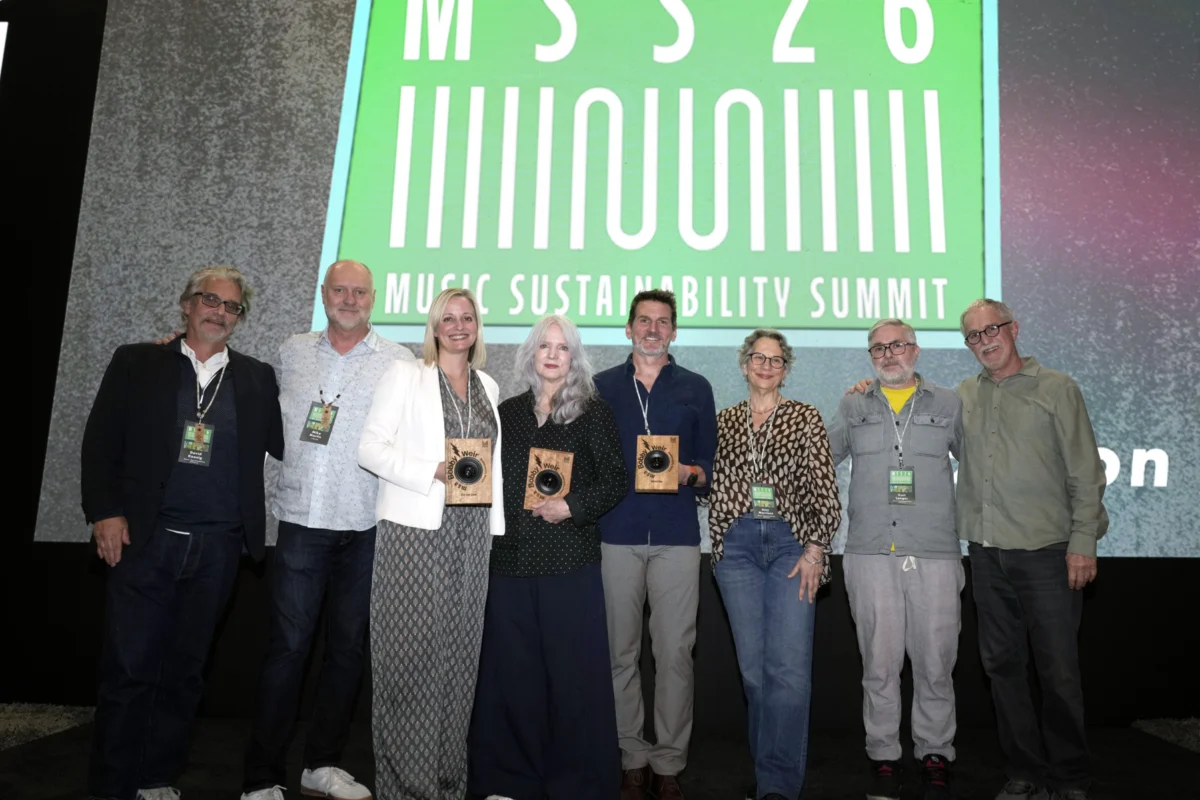
The third annual Music Sustainability Summit, held on Tuesday, April 14, 2026, at Solotech Studios in Los Angeles, brought together hundreds of prominent figures from across the global music industry to address the escalating environmental challenges facing the sector. Organized by the pioneering Music Sustainability Alliance (MSA), the full-day event served as a crucial platform for dialogue, innovation, and the formulation of tangible strategies aimed at integrating sustainability into every facet of the music ecosystem. From the carbon footprint of live tours and fan travel to waste management at mass events and the ecological impact of merchandise, the summit underscored a collective urgency to transition towards more environmentally responsible practices.
A Deep Dive into Industry Challenges and Solutions
The 2026 summit marked a significant expansion in scope and participation since its inception, reflecting a growing awareness and commitment within the music community to tackle climate change and environmental degradation. Attendees, comprising artists, record label executives, venue operators, tour managers, technology developers, and sustainability experts, engaged in more than a dozen meticulously curated panel discussions. These sessions delved into specific areas of environmental impact, including the complex logistics of live shows and festivals, the often-overlooked emissions associated with fan travel, sustainable food sourcing for events, comprehensive waste reduction strategies, and the broader implications for large-scale gatherings.
The choice of Solotech Studios, a facility increasingly recognized for its advanced technical capabilities and burgeoning commitment to sustainable operations, provided an apt backdrop for the discussions. The venue itself subtly reinforced the summit’s message, showcasing how infrastructure can adapt to greener standards. Throughout the day, comedian Esteban Gast injected moments of levity, ensuring that the intense discussions remained engaging and accessible. A plant-based lunch, meticulously sourced and prepared, not only energized attendees but also served as a practical demonstration of sustainable catering—a powerful statement on reducing the environmental impact associated with food consumption at events. Studies have consistently shown that plant-based diets significantly lower greenhouse gas emissions, land use, and water consumption compared to meat-heavy alternatives, a point frequently highlighted in the summit’s discussions on event catering. For instance, shifting just 25% of global meat consumption to plant-based foods could cut annual greenhouse gas emissions from agriculture by a substantial margin, according to research from the University of Oxford.
A particularly inspiring segment of the day featured rapid-fire, 90-second presentations by various product developers. These "innovation showcases" spotlighted groundbreaking advancements in sustainable technology designed specifically for the music industry. Prototypes ranged from eco-friendly glowsticks made from biodegradable materials and powered by kinetic energy, to advanced water refilling stations that significantly reduce plastic bottle waste, and even guitars crafted from reclaimed and sustainable wood, incorporating innovative electronics that minimize energy consumption without compromising sound quality. These presentations underscored the potential for technological ingenuity to drive significant environmental improvements across the sector, offering viable alternatives to conventional, high-impact products.

The Genesis and Growth of the Music Sustainability Alliance
The Music Sustainability Alliance (MSA) was formed in response to the growing recognition that the music industry, despite its cultural influence, has a considerable environmental footprint. Founded in 2023, the MSA brought together a diverse group of stakeholders, including major labels, independent artists, venue owners, tour promoters, and technology providers, all committed to fostering a more sustainable future for music. Its mission is to facilitate collaboration, share best practices, and develop industry-wide standards for environmental responsibility. The inaugural summit in 2024 focused on establishing a baseline understanding of the industry’s environmental impact, while the second in 2025 began to explore nascent solutions and set preliminary targets. The 2026 summit, therefore, represented a crucial third phase: moving beyond assessment and goal-setting to concrete, actionable strategies. This chronological progression highlights the industry’s evolving maturity in addressing sustainability, from initial awareness to practical implementation.
Honoring Environmental Stewardship: The MSA Bobby Weir Sustainability Awards
A highlight of the 2026 summit was the inaugural presentation of the MSA Bobby Weir Sustainability Awards. Named in honor of the late Grateful Dead co-founder, Bobby Weir, a legendary musician and unwavering environmental advocate, these awards were established to recognize exemplary leadership and innovation in sustainability within the music industry. Weir, who passed away in 2025, was a pioneer in integrating environmental consciousness into his music and touring practices for decades, long before sustainability became a mainstream concern. His deep connection to nature and his consistent advocacy for ecological preservation made him an iconic figure in the green movement.
The first-ever recipients of these prestigious awards were Manchester’s Co-op Live, a state-of-the-art arena designed with sustainability at its core; REVERB, a non-profit organization renowned for its extensive work in greening live music tours and events; and Support + Feed founder Maggie Baird, celebrated for her impactful initiatives promoting plant-based food systems. Co-op Live, which opened in 2023, boasts features such as rainwater harvesting, solar panels, and a commitment to zero-waste to landfill operations, setting a new benchmark for venue sustainability. REVERB, co-founded by Adam Gardner of Guster, has worked with hundreds of artists, including Billie Eilish and Dave Matthews Band, to reduce the environmental footprint of their tours through initiatives like sourcing local food, promoting reusable water bottles, and powering stages with biodiesel. Maggie Baird’s Support + Feed, founded in 2020, addresses both food insecurity and climate change by providing plant-based meals to communities in need, demonstrating the intersectionality of social and environmental justice.
During the awards presentation, Music Sustainability Alliance leaders Amy Morrison and Kurt Langer shared a poignant statement provided by the Weir family. "Bobby understood that music doesn’t exist in a vacuum," they read, emphasizing Weir’s holistic view. "It lives in communities, it’s in the air that we all share, and he understood the responsibility that comes with bringing people together. He approached touring not just as a series of events, but as a living, breathing ecosystem, one that could evolve, improve and give back." This sentiment resonated deeply with the summit’s attendees, reinforcing the idea that environmental responsibility is not merely an obligation but an inherent part of the music industry’s cultural and communal mission. Weir’s legacy, marked by his early and consistent advocacy for environmental causes, serves as a powerful inspiration for the contemporary movement to green the music sector. His understanding of the interconnectedness between art, community, and the environment laid a foundational philosophy for organizations like the MSA.

The Urgent Need for Industry-Wide Action
The music industry, despite its cultural contributions, carries a substantial environmental footprint. From the energy consumption of massive concerts and recording studios to the waste generated by merchandise and the carbon emissions from global touring, the sector’s impact is considerable. A 2023 report by Julie’s Bicycle, a leading non-profit working with the creative industries on environmental sustainability, estimated that the UK music industry alone generates around 400,000 tonnes of greenhouse gas emissions annually, with live music accounting for a significant portion. Globally, these figures are exponentially higher. For example, a major stadium tour can produce thousands of tons of CO2 equivalent, comparable to the annual emissions of a small town. The production of vinyl records, while experiencing a resurgence, also has a notable environmental cost due to the materials and energy involved. The summit aimed to translate these stark realities into actionable strategies, moving beyond mere acknowledgment to practical implementation. The collaborative spirit fostered at the event, bringing together competitors and collaborators alike, is crucial for addressing such a pervasive and systemic challenge.
Nine Action Items for Immediate Industry Implementation
With the urgency of the climate crisis in mind, the summit culminated in the identification of nine critical action items that the music industry can implement immediately to drive meaningful environmental change. These initiatives represent a synthesis of insights from the various panel discussions and expert presentations, offering a clear roadmap for a greener future.
-
Decarbonizing Live Tours and Logistics:
- Action: Implement comprehensive strategies to reduce greenhouse gas emissions associated with artist travel, equipment transport, and tour production. This includes prioritizing electric or biofuel-powered tour buses and trucks, optimizing tour routes to minimize mileage, and exploring sustainable freight options for international travel (e.g., opting for sea freight over air cargo where feasible).
- Implications: A typical arena tour can generate thousands of tons of CO2. Shifting to renewable energy sources for transportation and on-site power generation at venues can drastically cut these emissions. Industry collaboration on shared logistics hubs and backhauling initiatives, where trucks return full rather than empty, can further reduce the number of vehicle movements and associated emissions. Data from organizations like REVERB indicates that tour bus fuel consumption alone can account for a significant portion of a tour’s carbon footprint.
-
Transitioning to Renewable Energy Sources for Venues and Events:

- Action: Accelerate the adoption of renewable energy, such as solar and wind power, to supply electricity for concert venues, festivals, and recording studios. This includes direct installation of panels on rooftops, purchasing certified renewable energy credits (RECs), and advocating for greener energy grids at local and national levels.
- Implications: Venues are major energy consumers, with large-scale lighting, sound systems, and climate control contributing significantly to their carbon footprint. Switching to renewables not only reduces carbon emissions but can also offer long-term cost savings, enhance public image, and contribute to energy independence. Industry leaders emphasized the importance of collective bargaining for green energy to drive market demand and make renewable options more accessible.
-
Eliminating Single-Use Plastics:
- Action: Phase out single-use plastics at all venues, festivals, and events, replacing them with reusable, compostable, or truly recyclable alternatives. This includes water bottles, food packaging, cutlery, and merchandise bags.
- Implications: The music industry generates vast quantities of plastic waste, much of which ends up in landfills, incinerators, or pollutes oceans, taking hundreds of years to decompose. Implementing robust reusable cup systems (e.g., deposit-return schemes), providing accessible water refill stations, and mandating compostable food service ware made from plant-based materials can dramatically reduce this environmental burden. Studies suggest that a single major festival can produce over 2,000 tonnes of waste, with plastics forming a substantial portion.
-
Promoting Sustainable Merchandise and Production:
- Action: Encourage the use of ethically sourced, recycled, organic, or upcycled materials for all merchandise, including apparel, albums (vinyl, CDs), and promotional items. Prioritize local and transparent production to reduce transport emissions and ensure fair labor practices.
- Implications: Merchandise production often involves resource-intensive processes and long, opaque supply chains. By demanding sustainable materials (e.g., organic cotton, recycled polyester, FSC-certified paper for album packaging, bio-based plastics for vinyl) and transparent manufacturing, the industry can significantly reduce its environmental and social impact. This also includes minimizing overproduction and exploring print-on-demand models.
-
Enhancing Waste Diversion and Circular Economy Principles:
- Action: Implement comprehensive waste management systems at events and venues, focusing on maximizing recycling, composting, and food waste diversion. Embrace circular economy principles where materials are continuously reused, repaired, or remanufactured rather than being discarded after a single use.
- Implications: Beyond plastics, food waste, paper, and other refuse from events contribute significantly to landfill volumes and methane emissions. Effective waste sorting, on-site composting facilities, and partnerships with local food banks for unserved food are crucial. The goal is to move towards "zero-waste" events, where over 90% of waste is diverted from landfills. This requires infrastructure and behavioral changes from both event organizers and attendees.
-
Encouraging Sustainable Fan Travel and Engagement:
- Action: Develop initiatives to encourage fans to choose more sustainable modes of transport to events, such as public transportation, carpooling, cycling, or walking. Offer incentives (e.g., discounted tickets, exclusive access) and provide clear information on greener travel options.
- Implications: Fan travel is often the largest component of an event’s overall carbon footprint, sometimes accounting for 70-80% of emissions. Collaborating with public transport authorities to offer extended services, organizing shuttle buses from central locations, and creating "green travel" reward programs can significantly reduce these emissions while fostering a sense of shared responsibility among attendees. Digital engagement platforms can also help fans track their environmental impact.
-
Adopting Plant-Based and Locally Sourced Catering:
- Action: Prioritize plant-based and locally sourced food options for artists, crew, and attendees at all events. This includes significantly reducing reliance on meat and dairy products, supporting local farmers and food producers, and minimizing food miles (the distance food travels from farm to plate).
- Implications: As demonstrated by the summit’s lunch, sustainable catering offers immense environmental benefits. A shift towards plant-rich menus can lower the carbon footprint of food service by up to 70% and reduce water usage, aligning with global dietary recommendations for sustainability. Supporting local economies also builds community resilience and reduces the emissions associated with long-distance food transport.
-
Investing in Green Technology and Innovation:

- Action: Allocate resources and foster partnerships for the research and development of new green technologies specifically tailored for the music industry, from energy-efficient stage lighting (e.g., LED technology) and sound systems to sustainable materials for instruments and digital infrastructure that minimizes server energy consumption.
- Implications: The rapid presentations from product developers highlighted the vast potential in this area. Continued investment can lead to breakthroughs that not only reduce environmental impact but also create new economic opportunities, enhance the fan experience through innovation, and improve operational efficiency. For instance, advanced battery storage systems can power stages without noisy, polluting diesel generators.
-
Fostering Collaboration, Education, and Advocacy:
- Action: Strengthen cross-industry collaboration, share best practices, and invest in educational programs for artists, staff, and fans on sustainability issues. Actively advocate for policy changes that support environmental protection and sustainable development within the creative industries and beyond.
- Implications: No single entity can solve the industry’s environmental challenges alone. The MSA’s role in facilitating dialogue and sharing knowledge is paramount. By educating stakeholders and collectively advocating for greener policies (e.g., government incentives for sustainable venues, carbon pricing), the music industry can amplify its impact far beyond its immediate operations, positioning itself as a leader in global environmental stewardship.
Broader Impact and Future Outlook
The 2026 Music Sustainability Summit marks a pivotal moment, signaling a maturing commitment within the industry to move from discussion to decisive action. The adoption of these nine actionable items provides a concrete framework for stakeholders at all levels—from global superstars and major labels to independent artists and local venues—to contribute to a more sustainable future.
Beyond the immediate environmental benefits, embracing sustainability offers a multitude of advantages for the music industry. It enhances brand reputation, attracting environmentally conscious fans and sponsors. It can lead to significant operational cost savings through energy efficiency, reduced waste disposal fees, and optimized logistics. Furthermore, it positions the industry as a responsible corporate citizen, aligning with global efforts to combat climate change and fostering a positive relationship with communities worldwide. As consumers increasingly prioritize ethical and sustainable brands, the music industry’s proactive stance on environmental issues is also a strategic business imperative.
The Music Sustainability Alliance, through its annual summits and ongoing initiatives, is poised to continue leading this transformation. Future summits are expected to track progress on these action items, introduce new challenges (such as the environmental impact of digital streaming and NFTs), and celebrate further innovations. As the global climate crisis intensifies, the music industry, with its unique cultural influence and ability to mobilize vast audiences, has a profound opportunity—and responsibility—to not only entertain but also to inspire and drive meaningful environmental change. The collaborative spirit, innovative solutions, and unwavering commitment demonstrated at the 2026 summit offer a hopeful cadence for a greener, more harmonious future for music and the planet.