Jia Lissa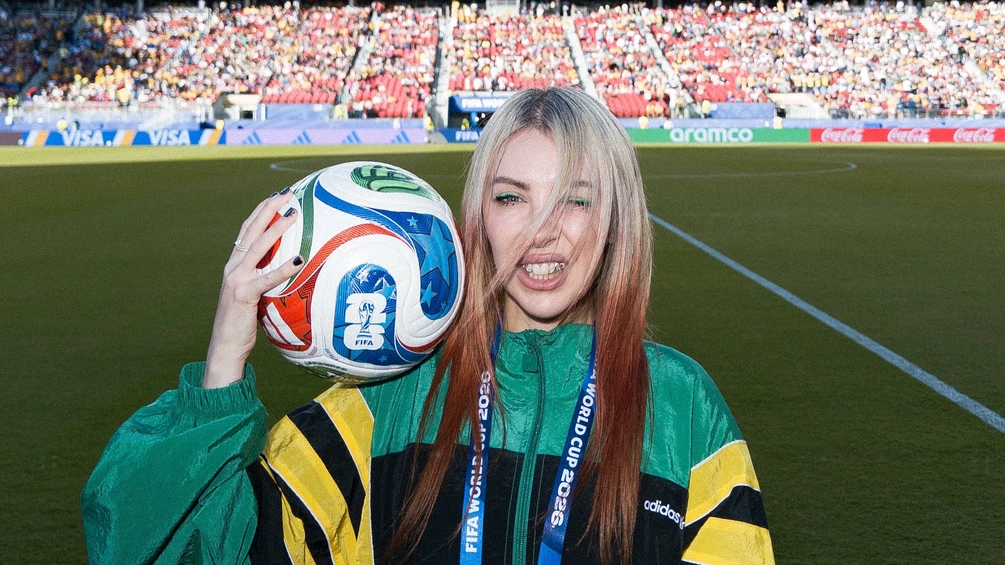
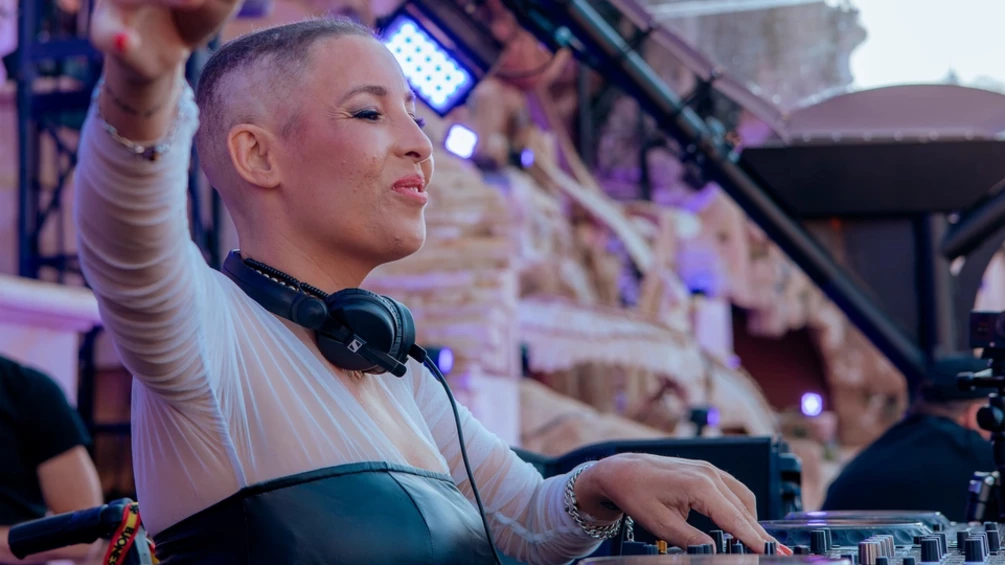
In a remarkable convergence of global sport and contemporary music, Australian DJ and producer Alison Wonderland, born Alexandra Sholler, took center stage at Levi’s Stadium in Santa Clara, California, over the weekend, carrying the official match ball onto the pitch ahead of Australia’s FIFA World Cup Group D clash against Paraguay. The unexpected yet highly celebrated role saw Wonderland designated as the "stadium captain" for the significant fixture on Friday, June 26th, an honor that placed a prominent figure from the electronic music world squarely in the international football spotlight. Her participation not only underscored a growing trend of integrating cultural icons into major sporting events but also ignited a wave of national pride and widespread social media engagement, reaffirming the global appeal of both her artistry and the FIFA World Cup itself.
The Stadium Captain Initiative: Bridging Culture and Sport
The selection of Alison Wonderland as a stadium captain is part of a broader FIFA initiative designed to enhance the spectacle of the World Cup beyond the athletic competition alone. This program strategically invites celebrities, influential figures, and national heroes from diverse fields—ranging from music and film to philanthropy and local community leadership—to participate in pre-match ceremonies. The primary objective is to infuse each match with a unique local flavor, create memorable moments for fans, and broaden the tournament’s appeal to audiences who might not typically engage with football. By aligning the world’s most watched sporting event with popular cultural figures, FIFA aims to cultivate a sense of shared global celebration, fostering connections between sports, entertainment, and national identity. These "stadium captains" often represent the host nation or a participating country, serving as symbolic ambassadors who embody the spirit and pride of their respective cultures. Their presence adds an extra layer of prestige and excitement, transforming the walk onto the pitch with the match ball into a ceremonial highlight before the whistle blows.
Precedent: Other Celebrity Match Ball Carriers
The program’s success is evident in its recurring implementation across various World Cup matches. Just two days prior to Alison Wonderland’s appearance, on Wednesday, June 24th, Brazilian DJ Mochakk and British artist Barry Can’t Swim performed similar duties, representing their respective nations by carrying the official match ball onto the pitch for the Brazil vs. Scotland World Cup match. Such instances highlight FIFA’s deliberate strategy to tap into the immense fanbases of these artists, generating significant buzz across social media platforms and traditional media outlets alike. This cross-promotional approach not only provides a unique platform for the artists but also introduces football to new demographics, thereby expanding the tournament’s reach and cultural footprint globally. The shared experience among these diverse personalities underscores a universal language of honor and excitement associated with participating in the world’s premier football event.
A Global Stage: Australia’s Journey and Levi’s Stadium
The match itself held considerable significance for both competing nations. Australia, often referred to as the Socceroos, entered the tournament with aspirations of progressing deep into the knockout stages, carrying the hopes of a nation passionate about sport. The Group D fixture against Paraguay was a crucial encounter, with both teams vying for a stronger position to advance. The outcome saw both Australia and Paraguay successfully progress to the knockout rounds, setting the stage for Australia to face Egypt on Friday, July 3rd, a testament to their competitive spirit and strategic play during the group stage. The atmosphere at Levi’s Stadium, with thousands of fans draped in national colors, was electric, embodying the fervent global support that defines the FIFA World Cup.
Australia’s World Cup Hopes and Performance
Australia’s national football team has steadily gained prominence on the international stage, consistently qualifying for the FIFA World Cup in recent decades. Their journey to this particular tournament was marked by rigorous qualification campaigns, showcasing the team’s resilience and tactical prowess. The Socceroos’ participation in the World Cup is a source of immense national pride, uniting Australians across diverse backgrounds. Expectations for the team are always high, with fans and pundits closely following their performance against some of the world’s best footballing nations. Advancing from Group D was a significant achievement, validating the team’s hard work and signaling their potential to make a deeper run in the tournament. Each match is meticulously analyzed, with the nation’s focus intently fixed on every pass, tackle, and goal, underscoring football’s growing stature in Australian sports culture.
Levi’s Stadium: A Premier Venue
The choice of Levi’s Stadium in Santa Clara, California, as a host venue for the FIFA World Cup matches further elevates the prestige of the tournament. Opened in 2014, Levi’s Stadium is a state-of-the-art facility renowned for its modern amenities, impressive capacity, and commitment to sustainability. Primarily serving as the home of the NFL’s San Francisco 49ers, the stadium has a rich history of hosting major sporting and entertainment events, including Super Bowl 50, numerous CONCACAF Gold Cup matches, and high-profile concerts. Its strategic location in the heart of Silicon Valley makes it a prime destination for international events, attracting a diverse audience and offering world-class facilities for both athletes and spectators. The stadium’s ability to host such a significant global event like the FIFA World Cup underscores its status as a premier sports arena capable of handling the logistical complexities and immense crowds associated with international football.
Alison Wonderland: An Australian Icon on the World Stage
Alison Wonderland, whose real name is Alexandra Sholler, has carved out an indelible niche in the global electronic music scene. Hailing from Sydney, Australia, her journey from a classical cellist to a powerhouse DJ and producer is a testament to her artistic versatility and unwavering dedication. Known for her distinctive blend of trap, future bass, and ethereal electronic sounds, Wonderland has garnered critical acclaim and a massive international following. Her captivating live performances, characterized by high energy and emotional depth, have graced stages at some of the world’s most prestigious music festivals, solidifying her reputation as a formidable force in the industry. Her selection as stadium captain is not merely a celebrity endorsement but a recognition of her status as a global ambassador for Australian creativity and talent, showcasing a unique facet of her national identity to a worldwide audience.
From Sydney to Global Headliner: Wonderland’s Musical Journey
Alison Wonderland’s ascent in the music industry has been marked by a series of significant milestones. Her debut album, "Run," released in 2015, propelled her into the mainstream, followed by "Awake" in 2018, both receiving widespread critical acclaim and achieving commercial success. Her music is often characterized by introspective lyrics fused with powerful, dynamic beats, resonating deeply with her fanbase. Beyond her studio albums, Wonderland is celebrated for her innovative DJ sets and her ability to connect with audiences on a profound level. She has consistently pushed boundaries, not only through her musical output but also through her strong visual aesthetic and candid engagement with her fans. This relentless drive and artistic integrity have cemented her position as one of Australia’s most successful musical exports, demonstrating her profound impact on contemporary electronic music.
The "Unlikely Side Quest" in a Packed Schedule
The opportunity to carry the match ball arrived during an exceptionally demanding period for Alison Wonderland. The artist is currently immersed in a rigorous global tour supporting her latest album, "GHOST WORLD," which has been met with enthusiastic reception from fans and critics alike. This album showcases her continued evolution as an artist, delving into themes of self-discovery and resilience with her signature sonic landscape. In the coming months, her schedule remains packed with headline performances at some of the world’s most iconic music festivals, including Tomorrowland, Lollapalooza, and EDC Orlando. These engagements underscore her status as a top-tier performer, constantly traveling and performing for massive crowds. Her participation in the FIFA World Cup ceremony, therefore, was indeed an "unlikely side quest" that temporarily diverted her from her intense touring commitments, adding a unique highlight to an already illustrious year. This moment of national representation stands as a distinct achievement amidst her musical endeavors, further broadening her already diverse portfolio of experiences.
Social Media Buzz and Public Reception
Following the event, Alison Wonderland promptly took to Instagram, sharing a series of photos and a video reel of her experience. Her caption, "One of the top moments of my LIFE. WALKING THE BALL OUT FOR THE AUS VS PARAGUAY FIFA WORLD CUP GAME. What an honour to do this for my country. GO THE ROOS!", captured the raw emotion and immense pride she felt. The post quickly went viral, garnering hundreds of thousands of likes, thousands of comments, and extensive shares across various social media platforms. Fans from both the electronic music and football communities flooded her comments section with messages of congratulations and admiration, celebrating the unique crossover moment. This digital explosion underscored the power of social media in amplifying such events, allowing millions to share in her excitement and the national pride she so clearly expressed. The immediate and overwhelmingly positive reception highlighted the universal appeal of seeing a beloved cultural figure represent their nation on such a grand stage.
Digital Echoes: Instagram and Beyond
The impact of Alison Wonderland’s appearance extended far beyond her personal Instagram feed. News of her participation rapidly disseminated across Twitter, Facebook, TikTok, and other digital platforms, with sports news outlets, music publications, and fan accounts all chiming in. Hashtags related to her name, the Socceroos, and the FIFA World Cup trended, generating widespread discussion and engagement. Videos of her walking onto the pitch were shared countless times, often accompanied by enthusiastic commentary from users expressing their delight at the unexpected collaboration. This digital footprint not only enhanced the visibility of the FIFA World Cup but also introduced Alison Wonderland to new audiences who might not have been familiar with her music, further expanding her global reach. The event served as a powerful example of how digital media can instantly transform a singular moment into a shared global phenomenon, transcending geographical and cultural boundaries.
Unifying Fandoms: Music and Football Enthusiasts React
The reaction to Alison Wonderland’s role was particularly noteworthy for its ability to bridge disparate fandoms. Electronic music enthusiasts, proud of seeing one of their own honored on such a prestigious platform, expressed immense support and excitement. Simultaneously, football fans, particularly those supporting Australia, embraced her as a national representative, celebrating the unique fusion of sport and culture. This dual appeal generated a vibrant online dialogue, with discussions ranging from her musical achievements to Australia’s World Cup prospects. The shared sense of national pride provided a common ground, demonstrating how cultural events can effectively unify diverse communities under a common banner of celebration and support. This cross-pollination of fanbases proved to be a powerful tool for engagement, creating a broader and more inclusive narrative around both the artist and the global sporting event.
Broader Implications: The Synergy of Entertainment and Sport
The inclusion of Alison Wonderland and other cultural figures as stadium captains is indicative of a broader strategic shift in how major sporting events are presented and marketed. Recognizing that the modern audience seeks more than just athletic competition, organizers are increasingly integrating elements of entertainment, culture, and celebrity to create a more immersive and appealing experience. This synergy between entertainment and sport offers mutual benefits: it injects a fresh dose of glamour and popular appeal into traditional sporting events, while simultaneously providing an unparalleled global platform for artists and cultural figures to connect with new audiences. Such initiatives underscore a deliberate effort to transform sports tournaments into comprehensive cultural festivals, appealing to a wider demographic and enhancing their overall global footprint.
Enhancing Global Reach and Engagement
By featuring globally recognized artists like Alison Wonderland, the FIFA World Cup significantly enhances its global reach beyond traditional football fan demographics. Her millions of followers across social media platforms, spanning various continents, were exposed to the tournament, potentially sparking new interest in football. This strategy allows the World Cup to tap into diverse cultural zeitgeists, attracting individuals who might primarily follow music or fashion but are then drawn into the sporting narrative through their admiration for the chosen celebrity. The increased visibility translates into higher viewership figures, broader media coverage, and greater social media engagement, all of which contribute to the tournament’s overall commercial success and cultural impact. This cross-promotional model is a highly effective way to expand brand awareness for both the artists and the sporting event.
Cultural Representation and National Pride
Beyond commercial considerations, these celebrity appearances also serve a vital role in cultural representation and fostering national pride. For Alison Wonderland, carrying the match ball for Australia was a profound expression of her national identity, publicly celebrated by her and her fans. Such moments allow nations to showcase their cultural icons on a global stage, demonstrating the breadth and depth of their talent beyond sports alone. It provides a powerful narrative of national achievement, where success in one field (music) can converge with success in another (sport) to create a unified sense of national accomplishment. These instances reinforce the idea that national pride can manifest in myriad ways, celebrating not just athletic prowess but also artistic excellence, inspiring citizens and projecting a positive image of the country to the world.
Looking Ahead: The Knockout Rounds and Beyond
As Australia prepares to face Egypt in the knockout rounds on Friday, July 3rd, the memory of Alison Wonderland’s walk onto the pitch remains a poignant reminder of the tournament’s rich tapestry of moments. Her presence infused the event with a distinct cultural flavor, amplifying the excitement and demonstrating the multifaceted appeal of the FIFA World Cup. Her contribution, alongside that of other celebrity stadium captains, highlights an evolving trend in major sports event management, where the fusion of sport and entertainment is increasingly seen as crucial for global engagement.
Australia’s Next Challenge
The upcoming match against Egypt represents a critical juncture for the Socceroos. Having successfully navigated the group stage, they now face a formidable opponent in a do-or-die scenario. The pressure will be immense, with national hopes resting on their performance. The team’s preparation, strategy, and execution on the day will determine their fate in the tournament. Fans across Australia and around the world will be watching intently, hoping to see their team continue its impressive run and advance further into the competition, potentially creating more memorable moments both on and off the pitch.
The Evolving Landscape of Sports Entertainment
The phenomenon of celebrity stadium captains points towards a future where the lines between sports and entertainment continue to blur. Major sports leagues and event organizers are increasingly looking for innovative ways to captivate audiences, and integrating popular culture figures is proving to be a highly effective strategy. This approach not only broadens viewership but also creates unique, shareable content that resonates strongly in the digital age. As the global landscape of media consumption continues to evolve, we can expect to see more such creative collaborations, further cementing the role of sports as not just competitive events, but as grand spectacles that celebrate human achievement across all its diverse forms.
Alison Wonderland’s appearance at the FIFA World Cup served as a powerful testament to the unifying potential of major global events. By bringing together the electrifying world of electronic music with the passion of international football, her role as stadium captain created an indelible moment that celebrated Australian talent on a global stage, enriching the tournament experience for millions and showcasing the vibrant intersection of sport and culture.