 Indra Aziz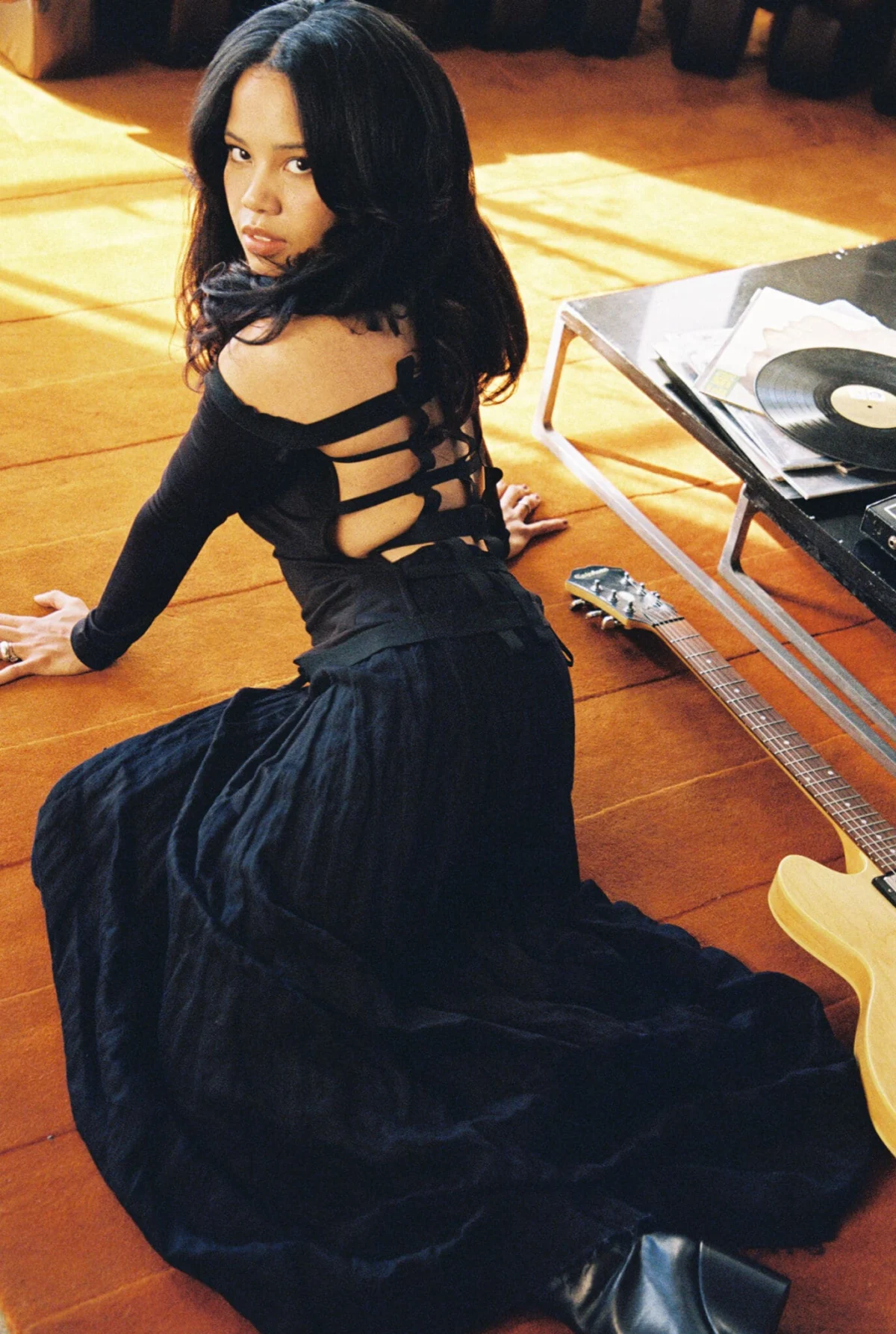
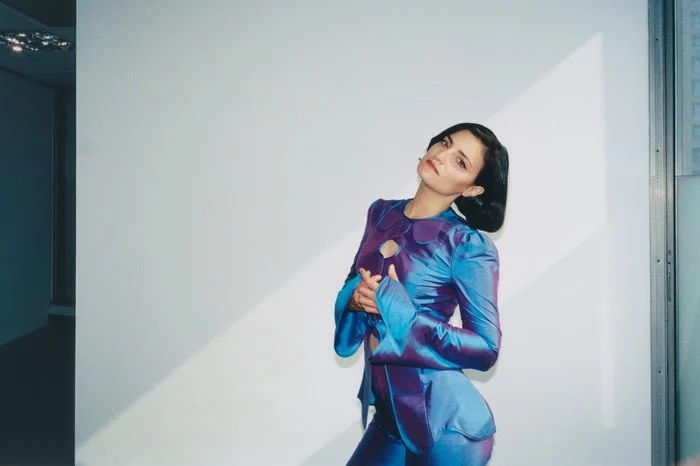
North Carolina native Baby Rose is at a pivotal moment in her career, releasing her third studio album, "YEARNALISM." This project is a deep dive into the human experience of desire, presented through a lens that feels both ancestral and strikingly contemporary. In an era saturated with digital artifice, Rose’s music serves as a vital anchor to authenticity, drawing from the rich traditions of R&B, soul, jazz, and gospel. Her voice, described as "haunting" and "predating her time on earth," imbues her work with a profound sense of timelessness. "YEARNALISM" is not merely a collection of songs; it is an anthropological study of longing, an invitation for listeners to confront their own inner landscapes and "hardened edges." The album’s release coincides with significant cultural conversations around artificial intelligence and its impact on art, a context Rose explicitly addresses, positioning her work as a powerful counterpoint that champions genuine human emotion.
The Alchemical Power of Desire in the Digital Age
Baby Rose articulates a profound connection between her music and the human condition, particularly the complex emotion of desire. She views "YEARNALISM" as a response to the pervasive uncertainty of the digital age, where discerning reality from synthetic creation has become increasingly challenging. "For me to be able to bring something that is truly human in this time is so important," Rose states. "Desire is something that is indicative of living; desire is to truly be present and truly be here." This perspective elevates desire from a mere impulse to a fundamental aspect of human existence, a marker of being alive and engaged with the world.
The album’s title, "YEARNALISM," is a portmanteau that encapsulates this central theme. Rose defines it as "the study and the documentation of different forms of desire." This concept encompasses a broad spectrum of human yearning, from the deeply personal and romantic to the existential search for peace and self-expansion. She elaborates on the multifaceted nature of desire, noting, "Whether you’re yearning for someone else or yearning for a sense of peace and expansion in yourself." This inclusive definition acknowledges that yearning can manifest in both outward-facing and inward-directed ways, reflecting the complex inner lives individuals navigate.
Pleasure, Pain, and the Spectrum of Yearning
Rose’s exploration of desire is inextricably linked to her understanding of pleasure. She posits that while pleasure is a beautiful and essential component of life, it can also serve as a form of anesthetic, masking deeper emotional needs. "Pleasure is joy, happiness, warmth, comfort, and safety," she explains, but cautions, "Pleasure has also been an anesthetic, something that’s there to numb and fill gaps that only real meaningful work can do." This nuanced perspective acknowledges the restorative power of pleasure while also recognizing its potential to distract from essential emotional processing and personal growth.
Her personal journey, informed by therapy and life experiences, has allowed her to present a more comprehensive view of yearning. "Seeking pleasure sometimes can border on self-deprecation," she admits, highlighting the potential for unhealthy coping mechanisms. However, she emphasizes her evolution: "I’m growing and therapy is beautiful and life has really given me a lot more perspective. So I’m able to offer a little bit more variety when it comes to the study of yearning." This self-awareness allows her to move beyond a singular, potentially simplistic portrayal of desire, offering instead a rich tapestry of human emotion.
The Ancestral Roots of R&B and "YEARNALISM"
Baby Rose’s artistic lineage is deeply rooted in the foundational sounds of R&B, soul, and gospel. Her connection to these genres predates her formal musical training, stemming from early exposure to artists like Sam Cooke, Motown, James Brown, Marvin Gaye, and Stevie Wonder, cultivated by her great aunt. "My great aunt was in my house and she was always an elder. A southern woman… She encouraged me to play piano and sing and would teach me about Sam Cook, Motown, James Brown, Marvin and Stevie," she recalls. This early immersion instilled in her a deep appreciation for music that was emotionally resonant and narratively rich, setting the stage for her own artistic endeavors.
The resurgence of classic R&B sounds in contemporary music is a trend Rose actively participates in and observes. She notes the importance of authentic expression in a landscape increasingly dominated by digital trends. "I feel like that just dropped out of nowhere. I don’t even know what’s going on. Not that AI is a bad thing… But the fact that it’s so insidious and coming into the space of art, it just feels so dark and dystopian." In this context, "YEARNALISM" is presented as a vital counter-movement, a testament to the enduring power of analog, heartfelt artistry.
A Critical Lens on the Evolution of R&B
Rose offers a thoughtful critique of the contemporary R&B landscape, advocating for a more holistic representation of Black artistry and culture. She observes a tendency towards a hyper-focus on certain narratives, particularly those emphasizing hyper-independence. "There is a diaspora. We are not a monolith," she asserts, pushing back against monolithic portrayals. While acknowledging the importance of independence, she stresses the equal significance of love, healthy families, and community bonds.
"My sociology brain just goes to the fact that historically, this has always been a mission: to try to break us apart and to keep people more on this capitalist, pull yourself up by your bootstraps approach," she analyzes. This historical context informs her belief in the critical need to nurture love and community for collective well-being. She points to contemporary artists like Leon Thomas, Summer Walker, and Olivia Dean as examples of the vibrant and diverse talent within the genre, arguing that dismissing R&B as "dead" is a lazy and inaccurate assessment.

Navigating the Public Sphere with Intentionality
In an age of constant digital engagement, Baby Rose cultivates a deliberate approach to her public presence. She prioritizes protecting her "peace" to ensure she has the energy for endeavors that are genuinely meaningful, such as the "Yearner’s Anonymous" community gatherings. While not ruling out increased camera presence, she admits that the relentless demand for constant content creation on platforms like TikTok doesn’t always resonate with her artistic ethos.
She finds inspiration in artists who share their creative processes authentically, citing Doechii’s early YouTube vlogs as an example of genuine connection. "When I came across that, it was just like, ‘Wow, I feel so seen.’" This suggests a desire for deeper, more meaningful engagement rather than superficial online performance. Rose acknowledges a common perception of her as a "loner or a sad, suffering artist" but notes that real-life encounters often reveal a warmer, more "bubbly" persona, challenging preconceived notions. Her enjoyment of everyday activities, like visiting "Black Market Flea," further demonstrates her commitment to experiencing life fully, which in turn fuels her creative output. "I am every woman and I have a very wide perspective. I’m young, you know what I mean? I think balance is key," she concludes, emphasizing the importance of integrating diverse life experiences into her art.
The Genesis of "YEARNALISM": A Creative Odyssey
The creation of "YEARNALISM" was a journey of discovery, with the music taking shape before a definitive title or overarching theme fully emerged. The album’s songs draw from various periods of Rose’s life, with some tracks dating back several years while others were born from more recent challenges. This diversity of inspiration necessitated a cohesive artistic vision to tie the disparate elements together. Rose drew upon lessons learned from the swift, intuitive creation of her previous project, "Slow Burn," to avoid overthinking and allow for more organic development.
She collaborated with a network of producers with whom she had established strong creative relationships, including Ryan James Carr on drums, Joe Harrison on keyboards and flute, and Biako on bass and guitar. The core of the recording process involved capturing the fundamental rhythm section live at 64 Sound studio over two weeks, creating a warm, cohesive sonic foundation. This period is described as a "camp-like" experience, where raw musical ideas were meticulously refined with additional instrumentation and production elements. The initial pool of over thirty songs presented a challenge in selection, but Biako’s guidance proved instrumental in sequencing and mixing the final tracklist into a unified narrative.
Defining "Yearnalism": A Study in Human Longing
For those unfamiliar with the term, Rose clarifies that "yearnalism" is the "study and the documentation of different forms of desire." The album’s title emerged organically as she realized the pervasive theme of yearning across her compositions. Songs like "Sunday," representing a desire for peace and a fresh start, and "Friends Again," which explores the complex yearning for something unattainable yet mutually desired, exemplify the spectrum of emotions captured on the album. This contrast allowed her to identify the album’s core concept, filling the space between these distinct expressions of longing.
Processing Unreleased Material and Artistic Evolution
Rose approaches the songs that don’t make the final album cut with a pragmatic and forward-looking perspective. She views them as integral "stepping stones" in her creative process, recognizing that each song, even if unreleased, informs future ideas. "Nothing was wasted," she asserts, believing that all creative output contributes to her artistic development. Her ambition extends beyond simply creating individual songs; she aims to construct "true worlds" within her albums that reflect her current state of being and the prevailing societal mood.
"YEARNALISM" is presented as a mature evolution from her earlier works, "To Myself" and "Through and Through," which she describes as capturing her "messiest" moments. This new album, informed by "time and perspective and learning and growing and therapy and travels," offers a more comprehensive and self-aware portrayal of her journey. It signifies a move beyond solely expressing heartbreak and blues, demonstrating a newfound confidence and an understanding of her own worth.
The Power of Collective Experience: Touring and Community
The upcoming tour supporting Olivia Dean represents a significant moment of alignment for Baby Rose. Having been discovered by Dean at a performance in 2024, Rose expresses profound gratitude for the opportunity to serve as direct support throughout the summer. This platform is seen as a crucial step in sharing her music and message with a wider audience.
Looking ahead, Rose hopes that listeners of "YEARNALISM" will engage in self-study and extend themselves grace and love. She advocates for making "checking in with yourself" a daily practice, encouraging introspection about one’s feelings, reactions, and intuition. In an era of readily available online advice, she stresses the importance of reconnecting with one’s inner guidance.
Her "Yearner’s Anonymous" initiative aims to foster safe spaces for open dialogue about feelings and desires, emphasizing that community is paramount. "I don’t want self-study to mean self isolation," she states, recognizing the vital role of human connection. She acknowledges the lingering impact of the COVID-19 pandemic on social dynamics and encourages intentionality in fostering community. Rose believes that true connection involves showing up authentically, understanding that one’s community will meet them where they are. Ultimately, she hopes "YEARNALISM" will spark conversations and inspire a "quiet revolution of love, desire, community and self preservation," reminding listeners that even in the face of external uncertainties, the strength of human connection and self-awareness provides an enduring anchor.