Johan Budi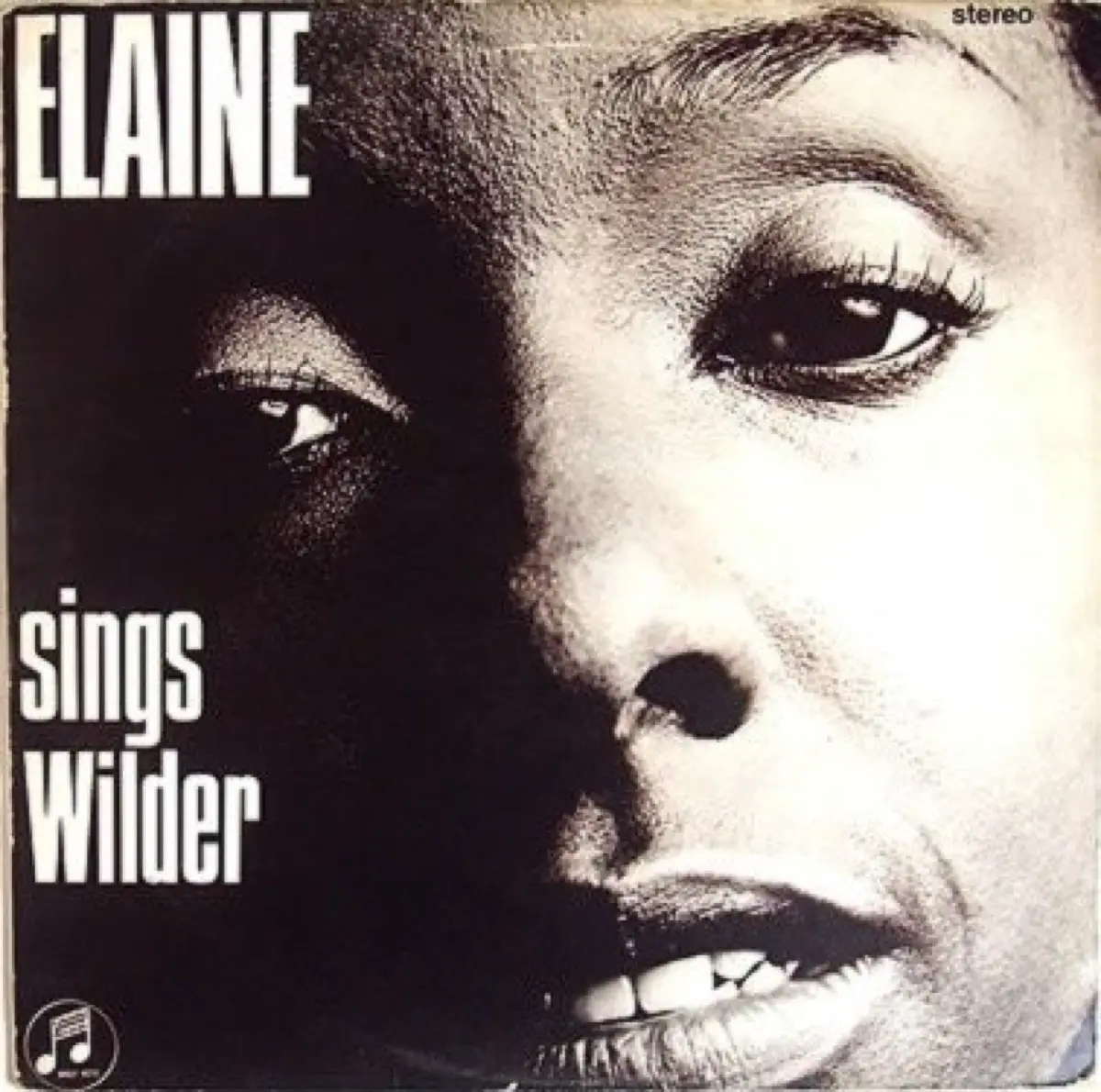
The release of Elaine Delmar Sings Wilder under the Columbia label (SX / SCX 6044) marks a significant moment in the intersection of British jazz vocal tradition and the sophisticated American songbook. Alec Wilder, the subject of this dedicated collection, occupies a singular position in 20th-century music. Often described as a "composer’s composer," Wilder’s work defies easy categorization, blending elements of jazz, classical art song, and traditional popular melody. This album features Elaine Delmar, a vocalist of considerable pedigree and technical facility, interpreting a selection of Wilder’s most enduring and complex compositions. Accompanied by a disciplined ensemble under the direction of pianist Colin Beaton, the recording serves as both a tribute to Wilder’s idiosyncratic genius and a showcase for Delmar’s evolving artistry during a pivotal era for the British recording industry.
The Idiosyncratic Compositional Style of Alec Wilder
To understand the significance of this album, one must first examine the nature of Alec Wilder’s repertoire. Unlike the standard fare of Tin Pan Alley, Wilder’s melodies are characterized by unexpected intervals, sophisticated harmonic shifts, and a structural logic that demands focused attention from both the performer and the listener. Songs such as "I’ll Be Around," "Summer Is A-Comin’ In," and "The April Age" represent a departure from the "run-of-the-mill" popular songs of the mid-20th century. Wilder’s work often requires a higher degree of musical literacy to execute correctly, as his phrasing frequently mimics the cadences of natural speech while maintaining a rigorous internal musicality.
Wilder’s status as an outsider in the commercial music industry—despite his success—stemmed from his refusal to adhere to formulaic songwriting. His melodies are often described as "whistleable" yet musically profound, a rare combination that ensured his work was championed by discerning vocalists like Frank Sinatra, Mabel Mercer, and Peggy Lee. In this Columbia release, Elaine Delmar joins this elite group of interpreters, demonstrating a profound understanding of the specialized care required to navigate Wilder’s "melancholy melodies."
Elaine Delmar: A Legacy of Jazz Excellence
The choice of Elaine Delmar for this project was not incidental. As the daughter of the renowned trumpeter and bandleader Leslie "Jiver" Hutchinson, Delmar was immersed in the highest echelons of the jazz tradition from an early age. Her father was a seminal figure in the British jazz scene, leading the first all-Black swing band in the United Kingdom and serving as a bridge between the American jazz influence and the European performance context. Delmar inherited more than just a name; she inherited a refined jazz sensibility that is evident throughout this recording.
Delmar’s performance on this album is characterized by perfect pitching and a sophisticated sense of control. In the landscape of 1960s vocal jazz, where many singers were moving toward more pop-oriented or avant-garde styles, Delmar remained committed to the integrity of the lyric and the melody. Her ability to treat songs as personal experiences—particularly the more somber tracks like "The Winter of My Discontent"—elevates the album from a mere collection of covers to a cohesive artistic statement.
Technical Analysis of the Ensemble and Arrangements
The success of a vocal album often rests upon the quality of its accompaniment, and in this regard, Elaine Delmar Sings Wilder excels. Under the direction of pianist Colin Beaton, the ensemble provides a "most sympathetic" backing that supports the vocalist without ever intruding upon the melodic line. The instrumentation is notably varied, featuring a mix of traditional jazz rhythm section components and more orchestral textures.
The personnel for the session includes:
- Elaine Delmar: Vocals
- Colin Beaton: Piano and Direction
- Tommy Whittle: Tenor Saxophone
- Moe Miller: Trumpet and French Horn
- John Borthwick: Bass
- Laurie Wise: Guitar
- Harvey Bruns: Drums
The inclusion of the French horn, played by Moe Miller, is particularly noteworthy. This choice reflects the "Third Stream" influence often associated with Wilder’s own arrangements, blending the mellow, classical timbre of the horn with the improvisational flexibility of the jazz rhythm section. Tommy Whittle, a stalwart of the British jazz scene, provides tenor saxophone work that is both lyrical and technically precise, mirroring Delmar’s own vocal approach. The result is a soundstage where the music sits "right behind the singer," providing a helpful and harmonically rich foundation.
Discography and Programmatic Structure
The album is structured into two distinct halves, totaling approximately 33.5 minutes of music. This duration was standard for the 12-inch LP format of the mid-1960s, allowing for a focused listening experience without the filler often found in contemporary releases.
Side One (16.5 minutes):
- "It’s So Peaceful In The Country"
- "The Wrong Blues"
- "While We’re Young"
- "Is It Always Like This?"
- "Summer Is A-Coming In"
- "I’ll Be Around"
Side Two (17 minutes):
- "Who Can I Turn To?"
- "You’re Free"
- "The Winter Of My Discontent"
- "That’s The Way It Goes"
- "The Lady Sings The Blues"
- "The April Age"
The selection of tracks highlights the emotional breadth of Wilder’s catalog. "It’s So Peaceful In The Country," written in 1941, serves as a pastoral opening, while "I’ll Be Around" provides a familiar anchor for the listener. The second side delves into deeper emotional territory, with "The Winter Of My Discontent" and "The April Age" showcasing Delmar’s ability to handle complex, moody narratives with grace and vocal precision.
Historical Context and Industry Implications
The release of this album (Columbia SX 6044) occurred during a period of transition for the British music industry. In 1966, the year of its release, the "British Invasion" was in full swing, and rock and pop were dominating the charts. However, labels like Columbia (part of the EMI group) continued to maintain a strong jazz and "easy listening" portfolio, catering to an adult audience that valued high-fidelity recordings and sophisticated arrangements.
The "SX" prefix indicates a mono recording, while "SCX" denotes the stereo version, priced at 32 shillings—a standard price for a premium LP at the time. This release was part of a broader effort to document the work of top-tier British jazz talent. By choosing to record an entire album of Alec Wilder’s music, Delmar and Columbia made a clear statement about the importance of artistic quality over commercial trends. It was a move that solidified Delmar’s reputation as a serious interpreter of the Great American Songbook, a reputation she would maintain through subsequent decades of stage and concert performances.
Critical Reception and Artistic Legacy
Initial critical reactions to the album emphasized the "full justice" Delmar does to Wilder’s compositions. Critics noted that while Wilder’s tunes can be difficult to master, Delmar’s inherited talent and rigorous training allowed her to navigate them with ease. The album has since been recognized as a definitive entry in the Wilder discography.
From an analytical perspective, the album’s significance lies in its restraint. In an era where vocalists often utilized over-the-top dramatics or excessive vibrato, Delmar’s "perfect pitching" and "musical control" provided a refreshing clarity. This allowed Wilder’s intricate melodies to speak for themselves. The collaboration between Delmar and Beaton is often cited as a model for how a vocalist and an arranger should interact—there is a shared understanding of the material that permeates every track.
Conclusion: A Milestone in British Jazz Vocals
Elaine Delmar Sings Wilder remains a vital document of a specific moment in jazz history. It captures a vocalist at the height of her powers, tackling the work of a composer who demanded nothing less than perfection. For enthusiasts of Alec Wilder’s music, the album is an essential acquisition, providing a unique British perspective on an American master.
Beyond its historical value, the album serves as a testament to the enduring power of the well-crafted song. In the hands of a performer like Elaine Delmar, Wilder’s melodies transcend their era, offering a timeless exploration of human emotion through the medium of jazz. As the daughter of Jiver Hutchinson, Delmar not only upheld her family’s musical legacy but also carved out a unique space for herself as one of the preeminent vocalists of her generation. This Columbia release stands as a high-water mark in her distinguished career and a sophisticated tribute to the "unusual" but profoundly rewarding music of Alec Wilder.




![Sijya announces Leather and Brass [Retrofitted] EP, shares Do I Know [Rachika Nayar Edit]: Listen](https://empire-music.net/wp-content/uploads/2026/09/sijya-announces-leather-and-brass-retrofitted-ep-shares-do-i-know-rachika-nayar-edit-listen.webp)