Johan Budi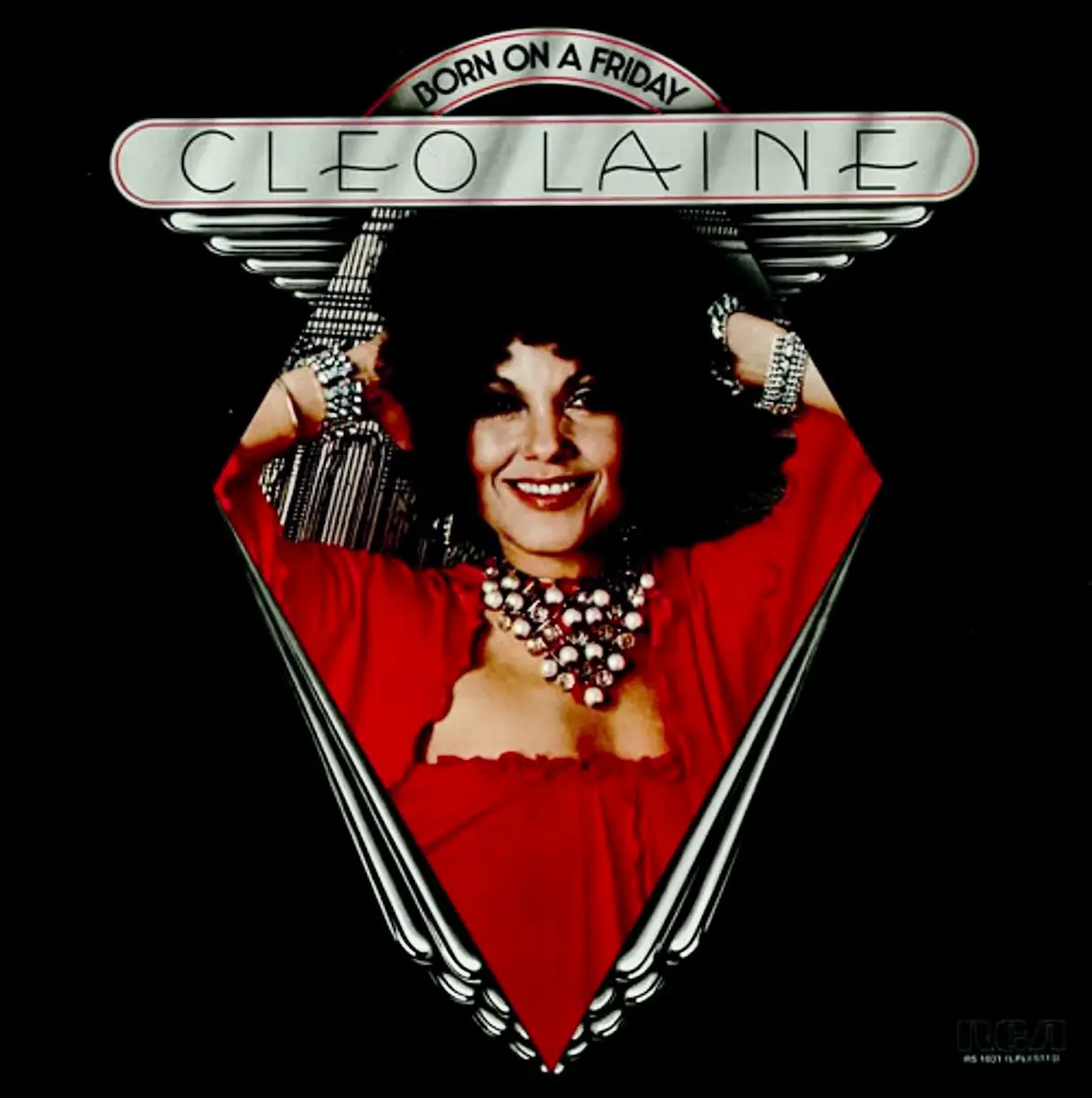
The release of Cleo Laine’s "Born On A Friday" (RCA RS 1031) marks a pivotal moment in the mid-1970s British music scene, representing a sophisticated fusion of traditional jazz, contemporary pop, and orchestral arrangements. Produced by the legendary George Martin, the album serves as a showcase for Laine’s expansive vocal range and her ability to transcend rigid genre boundaries. Accompanied by a large string section and a cohort of top-tier session musicians, the project highlights the evolving landscape of jazz-pop crossover during an era when high-fidelity recording techniques were reaching new heights of clarity and impact.
Historical Context and the Laine-Dankworth Partnership
To understand the significance of "Born On A Friday," one must look at the career trajectory of Cleo Laine and her husband and musical director, John Dankworth. By the mid-1970s, Laine had established herself as one of the most versatile vocalists in the world. Her background in the Dankworth Seven and later the John Dankworth Orchestra provided a rigorous jazz foundation, but her interests were never confined to a single idiom.
Laine’s career is defined by a rare "crossover" appeal that predates the modern use of the term. She was equally at home performing Shakespearean settings, contemporary pop ballads, and even the challenging avant-garde works of Arnold Schoenberg, such as "Pierrot Lunaire." This versatility is the cornerstone of "Born On A Friday," an album that refuses to be pigeonholed. At the time of this recording, Laine was gaining significant international momentum, following her successful 1972 Carnegie Hall debut, which solidified her status as a global star.
The George Martin Influence and Production Aesthetics
The involvement of George Martin as producer is a defining characteristic of this LP. Martin, widely recognized for his transformative work with The Beatles at Abbey Road and the establishment of AIR Studios, brought a specific "symphonic pop" sensibility to the project. His production style on "Born On A Friday" is characterized by a meticulous attention to detail, particularly in how the orchestral elements interact with the jazz rhythm section.
Historically, jazz critics have often been wary of "jazz with strings" projects. The phrase "lousy with violins," famously coined by Spike Hughes in Melody Maker to describe the Paul Whiteman Orchestra, reflects a long-standing tension between the raw improvisational nature of jazz and the perceived "sweetening" effect of a string section. However, Martin’s production avoids the pitfalls of saccharine orchestration. By employing Sidney Sax—a titan of the London session scene and leader of the National Philharmonic Orchestra—to lead the strings, Martin ensured a level of technical precision that complements rather than smothers Laine’s vocals.
Technical Analysis and Musical Continuity
One of the most innovative aspects of "Born On A Friday" is its structural continuity. While the album contains individual tracks separated by scrolls, George Martin implemented musical bridges that allow the sound to flow seamlessly from one piece to the next. This "concept album" approach was relatively rare for jazz-vocal LPs of the period but was a hallmark of Martin’s work in the rock and pop spheres.
A notable example of this technique occurs between the track "Unlucky Woman" and "Streets of London." The transition is managed via a single held woodwind note, a subtle yet effective device that maintains the listener’s immersion. This continuity serves to unify a diverse tracklist that ranges from hard-edged blues to folk-inspired narratives.
Key Track Evaluations
- "Unlucky Woman (Born On A Friday)": As the title track, this piece serves as the album’s emotional anchor. It is a "hard blues" number that allows Laine to demonstrate her lower register and her ability to convey deep pathos. John Dankworth provides a standout clarinet solo here, reminding listeners of his impeccable jazz credentials.
- "Streets of London": A cover of the Ralph McTell folk classic, Laine’s version reinterprets the song through a jazz-pop lens. The arrangement is sensitive, moving away from the starkness of the original toward a more cinematic soundscape.
- "I Think It’s Going To Rain Today": This Randy Newman composition is perfectly suited for Laine’s interpretive skills. The production emphasizes the melancholy of the lyrics, with the string section providing a somber, atmospheric backdrop.
- "The Colours Ran": This track showcases the "modern stereo recording" mentioned in contemporary reviews. The separation of instruments and the clarity of the percussion highlight the high production values RCA invested in the project.
Personnel and Instrumentation
The album features an impressive roster of musicians, representing the "who’s who" of the British jazz and session world in the 1970s. The brass and woodwind sections include:
- Derek Watkins (Trumpet): A legendary lead trumpeter known for his work on James Bond soundtracks and with the Maynard Ferguson orchestra.
- John Dankworth (Alto/Soprano Sax, Clarinet): Providing the primary melodic counterpoint to Laine’s vocals.
- Vic Ash (Tenor Sax) and Mike Page (Baritone Sax): Rounding out a robust reed section that adds weight to the more "hefty" rock-pop influenced tracks.
The rhythm section, comprising keyboards, guitars, bass guitars, and a comprehensive percussion unit, provides a contemporary foundation that bridges the gap between traditional jazz swing and the more rhythmic, groove-oriented pop of the mid-70s. This blend of "rock-pop style" with "sensitive" orchestral arrangements was a deliberate attempt to broaden Laine’s appeal to a younger, more diverse audience.
Chronology of Release and Market Context
Released on the RCA label with the catalog number RS 1031, the album was priced at £2.99 at the time of its debut. In the context of 1976-1977, this was a premium price point for a high-quality studio recording. The mid-70s were a period of transition in the music industry; the rise of disco and punk was beginning to challenge the dominance of "adult contemporary" and jazz-fusion artists.
"Born On A Friday" was positioned to capture the sophisticated listener who valued vocal virtuosity and high-end production. It followed a string of successful albums for Laine, including "I Am A Song" (1973) and "A Beautiful Thing" (1974). The album’s success further cemented the RCA-Laine-Dankworth partnership as one of the most productive and artistically credible in the industry.
Broader Impact and Critical Implications
The legacy of "Born On A Friday" lies in its refusal to adhere to the strict categorizations of the time. In the 1970s, the "jazz" label was often used restrictively. By incorporating elements of folk (McTell), contemporary pop (Newman), and classical-style orchestration, Cleo Laine and George Martin argued for a more fluid definition of musical artistry.
Laine’s ability to "range from jazz to Schoenberg" was not merely a display of technique but a statement on the universality of music. The album demonstrated that a jazz singer could lead a large-scale orchestral production without losing their improvisational soul. Furthermore, it proved that George Martin’s "symphonic" approach to production was as applicable to the world of jazz as it was to the pop-rock revolution he helped spearhead a decade earlier.
Conclusion of Analysis
"Born On A Friday" remains a testament to a specific era of British recording excellence. It captures Cleo Laine at the height of her powers, supported by a husband who understood her voice better than anyone and a producer who knew how to frame that voice in the most grand yet tasteful manner possible. While the "plethora" of strings might have initially concerned purists, the final result is a balanced, imaginative, and expertly executed work of art.
The album’s use of modern stereo recording, its innovative structural bridges, and its diverse repertoire ensure its place as a significant entry in the discography of Cleo Laine. It stands as a reminder that when virtuosity meets high-level production, the result is a timeless piece of music that transcends the labels of its time.
Discography and Credits
- Born On A Friday
- Label: RCA RS 1031
- Price (at launch): £2.99
- Tracks:
- Come Back To Me
- The Colours Ran
- Sunday
- Do You Really Want Him
- Birdsong (Sambalaya)
- Let Me Be The One – Living Is Easy
- I Think It’s Going To Rain Today
- Unlucky Woman (Born On A Friday)
- Streets Of London
- Any Place I Hang My Hat Is Home
- Personnel: Cleo Laine (vocals); Sidney Sax (string leader); Derek Watkins (trumpet); David Horler (trombone); Ray Swinfield (alto sax); Vic Ash (tenor sax); Mike Page (baritone sax); John Dankworth (alto/soprano sax/clarinet solos); various session musicians on keyboards, guitars, bass, and percussion.
- Producer: George Martin.