Aveline Kirana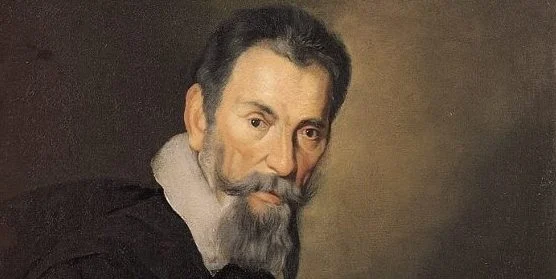
The Ensamble Arcana, a distinguished Baroque music ensemble affiliated with the Universidad Nacional de las Artes’ Departamento de Artes Musicales y Sonoras, is poised to present a compelling free concert celebrating the enduring genius of Claudio Monteverdi. This significant musical event, scheduled for June 19, 2026, will unfold within the hallowed acoustics of the Iglesia Metodista de Flores in Buenos Aires, offering audiences a profound immersion into both the sacred and secular facets of Monteverdi’s groundbreaking repertoire. The concert, aptly titled "Esplendor de Monteverdi: música sacra y profana del divino Claudio," promises to be a cornerstone of Buenos Aires’ classical music calendar for 2026, drawing attention to the continued relevance and profound impact of early Baroque masterworks.
Under the meticulous direction of Andrés Gerszenzon, a conductor renowned for his insightful interpretations of early music, the Ensamble Arcana will bring to life a carefully curated selection of Monteverdi’s compositions. The vocal ensemble, a crucial element in conveying the dramatic and emotional depth of Monteverdi’s music, comprises a constellation of talented singers. The soprano voices of Oriana Bucello, Constanza Leoni, and Cinthia Belén Zapata will soar, complemented by the rich timbre of mezzo-soprano Agustina Lo Vecchio and the resonant alto of Malena Justo. The tenor lines will be expertly handled by Julián Zimenspitz and Alan Nuñez Burgos, while the foundational depth of the vocal texture will be provided by baritones Pablo Martín García and Germán Rodas. This carefully assembled group of vocalists underscores the ensemble’s commitment to authentic performance practice and vocal virtuosity.
The instrumental accompaniment is equally impressive, featuring specialists in early music performance. Nicole Romero will grace the proceedings with the delicate tones of the flute, while Tiago Colman and Sofía Campbell will lend their artistry to the violin parts, their playing likely to reflect the nuanced phrasing characteristic of the Baroque era. The foundational harmonic and melodic support will be provided by Facundo Arguelles on the theorbo and Baroque guitar, instruments that were central to the development of early continuo practice. Raül Pastro Manfredi will command the harpsichord, its intricate ornamentation and rhythmic drive essential to Monteverdi’s sonic landscape. The organ, played by Marcelo Dutto, will further enrich the textures, particularly in the sacred works, and Dutto will also serve in the crucial role of assistant director, contributing to the overall coherence and execution of the program. The concert is slated to commence promptly at 7:00 PM, allowing ample time for attendees to experience the full breadth of the program.
The Enduring Legacy of Claudio Monteverdi
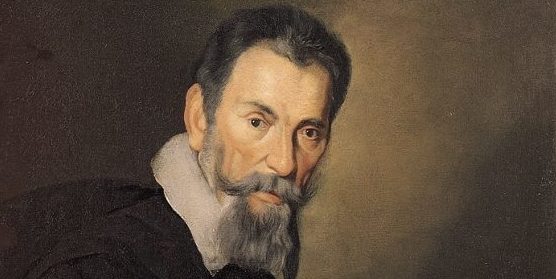
Claudio Monteverdi (1567-1643) stands as a colossus of the early Baroque period, a composer whose innovations fundamentally reshaped the trajectory of Western music. He is widely credited with bridging the Renaissance and Baroque eras, ushering in a new era of dramatic expression and musical complexity. His contributions span the genres of madrigal, opera, and sacred music, each of which he imbued with unprecedented emotional intensity and technical mastery. The "Esplendor de Monteverdi" concert thus offers a timely opportunity to revisit the work of a composer whose influence continues to resonate centuries later.
Monteverdi’s secular works, particularly his madrigals, are celebrated for their profound exploration of human emotion. He moved beyond the polyphonic traditions of the Renaissance, employing what he termed the "seconda pratica," a style that prioritized the text and its emotional content over strict adherence to contrapuntal rules. This allowed for greater dissonance and harmonic freedom, creating a more direct and visceral connection between the music and the listener. His opera, notably "L’Orfeo" (1607), is considered the first great masterpiece of the operatic form, demonstrating the power of music to convey narrative and character with unparalleled dramatic force.
In the realm of sacred music, Monteverdi also demonstrated a remarkable ability to synthesize tradition and innovation. His "Vespro della Beata Vergine" (1610), a monumental collection of liturgical music, showcases his command of both older polyphonic styles and the newer, more dramatic Baroque idiom. This work, in particular, is a testament to his compositional genius, blending grandeur with intimate devotion. The selection of works for the "Esplendor de Monteverdi" concert will likely draw from these diverse and influential facets of his oeuvre, offering a comprehensive overview of his artistic achievements.
Context and Significance of the Event
The presentation of Monteverdi’s music by Ensamble Arcana at the Iglesia Metodista de Flores is more than just a concert; it is an event with considerable cultural and educational significance for Buenos Aires and the broader artistic community. The Iglesia Metodista de Flores, known for its excellent acoustics and historical ambiance, provides an ideal setting for the performance of early music, enhancing the immersive experience for the audience.
The decision to present this concert as a free event further underscores a commitment to accessibility and the democratization of classical music. In a global landscape where ticket prices for major cultural events can often be prohibitive, offering such a high-caliber performance without charge is a commendable initiative. This approach encourages wider participation, allowing individuals from all socioeconomic backgrounds to engage with and appreciate the richness of Monteverdi’s musical legacy. Such initiatives are vital for fostering a more inclusive and vibrant arts scene.
The Ensamble Arcana’s affiliation with the Universidad Nacional de las Artes is also a crucial point of context. As the Baroque music ensemble of the university’s Departamento de Artes Musicales y Sonoras, their performances serve a dual purpose: enriching the cultural landscape of Buenos Aires and providing invaluable practical experience and performance opportunities for advanced music students and faculty. This creates a symbiotic relationship, where academic rigor informs artistic practice, and performance excellence elevates the educational mission of the institution.
Timeline of Monteverdi’s Impact and the Concert’s Anticipation
While the concert is set for June 19, 2026, the anticipation for this event is built upon a long history of Monteverdi’s influence and the ongoing dedication of ensembles like Ensamble Arcana to early music performance.
- Late 16th and Early 17th Centuries: Claudio Monteverdi actively composed and revolutionized musical forms, establishing the foundations of Baroque music. His madrigals and early operas gained significant recognition across Italy and beyond.
- 17th Century: Monteverdi’s innovations, particularly in opera and sacred music, spread throughout Europe, influencing composers such as Heinrich Schütz and the development of musical styles in Germany and France.
- 18th and 19th Centuries: While later musical periods saw shifts in stylistic preferences, Monteverdi’s works, particularly "L’Orfeo," were occasionally revived and recognized for their historical importance and dramatic power.
- 20th and 21st Centuries: The early music revival of the 20th century led to a significant re-evaluation and rediscovery of Monteverdi’s complete oeuvre. Period instrument ensembles and historically informed performance practices have brought his music to the forefront of the classical repertoire, with numerous recordings and scholarly editions making his works more accessible than ever before.
- 2026: The "Esplendor de Monteverdi" concert marks a specific point in this ongoing engagement with Monteverdi’s music, showcasing the continued relevance and performance expertise of contemporary ensembles in Buenos Aires. The choice of a future date allows for ample planning, promotion, and preparation, ensuring a high-quality artistic experience.
The sustained interest in Monteverdi’s music across centuries speaks to its universal themes and its foundational role in the development of Western musical language. The concert’s programming is likely to reflect this enduring appeal, offering pieces that are both historically significant and emotionally resonant for a modern audience.
Supporting Data and Artistic Considerations
The success of such a concert hinges on several factors, including the ensemble’s proficiency, the venue’s suitability, and the programming itself.
- Ensemble Size and Instrumentation: The listed vocal and instrumental forces suggest a chamber-sized ensemble, which is ideal for the intimate and nuanced performance of Monteverdi’s music. The specific inclusion of instruments like the theorbo and harpsichord are crucial for authentic Baroque continuo realization.
- Acoustics of Iglesia Metodista de Flores: While specific acoustic data for the church is not provided, churches of this era are generally designed with excellent reverberation times, which can enhance the richness of choral and instrumental music, particularly polyphony. This would be a significant asset for Monteverdi’s often complex textures.
- Repertoire Selection: The breadth of "sacred and secular works" implies a program that will showcase Monteverdi’s versatility. This could include excerpts from his Vespers, motets, or masses for the sacred portion, and madrigals or operatic arias for the secular component. The specific choices will significantly impact the program’s narrative flow and emotional arc.
- Director’s Expertise: Andrés Gerszenzon’s leadership is paramount. A conductor experienced in early music can guide the ensemble in understanding the stylistic nuances, ornamentation, and expressive conventions of the Baroque period, ensuring a performance that is both musically accurate and emotionally compelling.
Broader Impact and Implications
The "Esplendor de Monteverdi" concert has the potential to generate several positive outcomes for the arts community in Buenos Aires and beyond.
- Cultural Enrichment: The performance contributes to the rich tapestry of Buenos Aires’ cultural offerings, providing residents and visitors with access to world-class classical music.
- Educational Value: As a free event, it serves an important educational function, exposing a wider audience to the historical significance and artistic merit of Monteverdi’s music. For students of music, it offers a tangible example of early music performance practice.
- Support for Early Music: By dedicating a concert to a composer of Monteverdi’s stature, Ensamble Arcana reinforces the importance of early music within the contemporary concert scene, encouraging continued appreciation and support for this genre.
- Community Engagement: Free public events foster a sense of community and shared cultural experience, strengthening social bonds through the appreciation of art.
- International Recognition: High-quality performances by ensembles like Ensamble Arcana can attract attention from international music critics and audiences, potentially leading to greater visibility for Buenos Aires as a cultural hub.
The successful execution of this concert by Ensamble Arcana will not only honor the legacy of Claudio Monteverdi but also reaffirm the vitality and artistic sophistication of Buenos Aires’ classical music scene. It represents a significant investment in cultural dissemination and artistic excellence, promising an evening of profound musical exploration for all who attend.


![Sijya announces Leather and Brass [Retrofitted] EP, shares Do I Know [Rachika Nayar Edit]: Listen](https://empire-music.net/wp-content/uploads/2026/09/sijya-announces-leather-and-brass-retrofitted-ep-shares-do-i-know-rachika-nayar-edit-listen.webp)