Aveline Kirana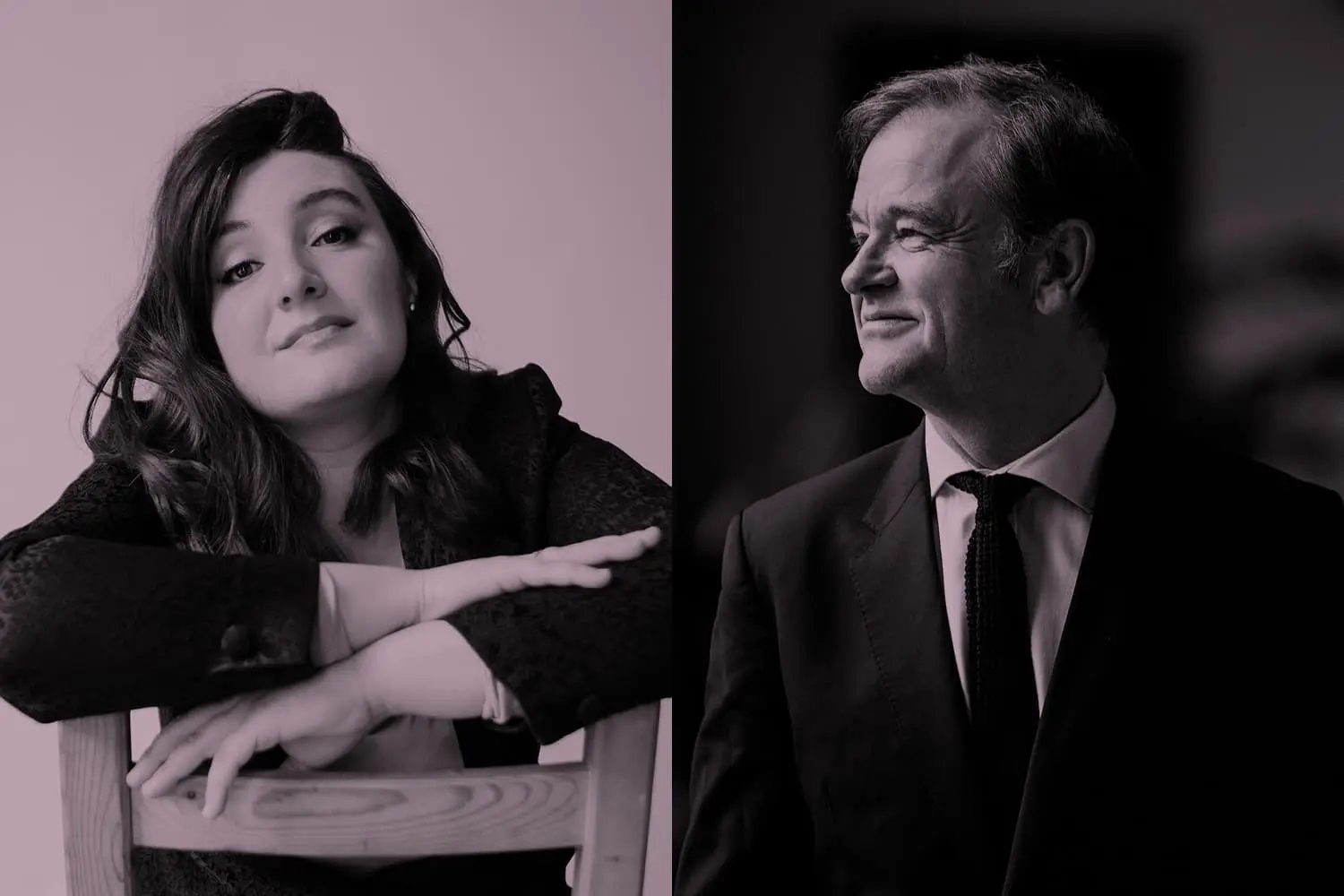
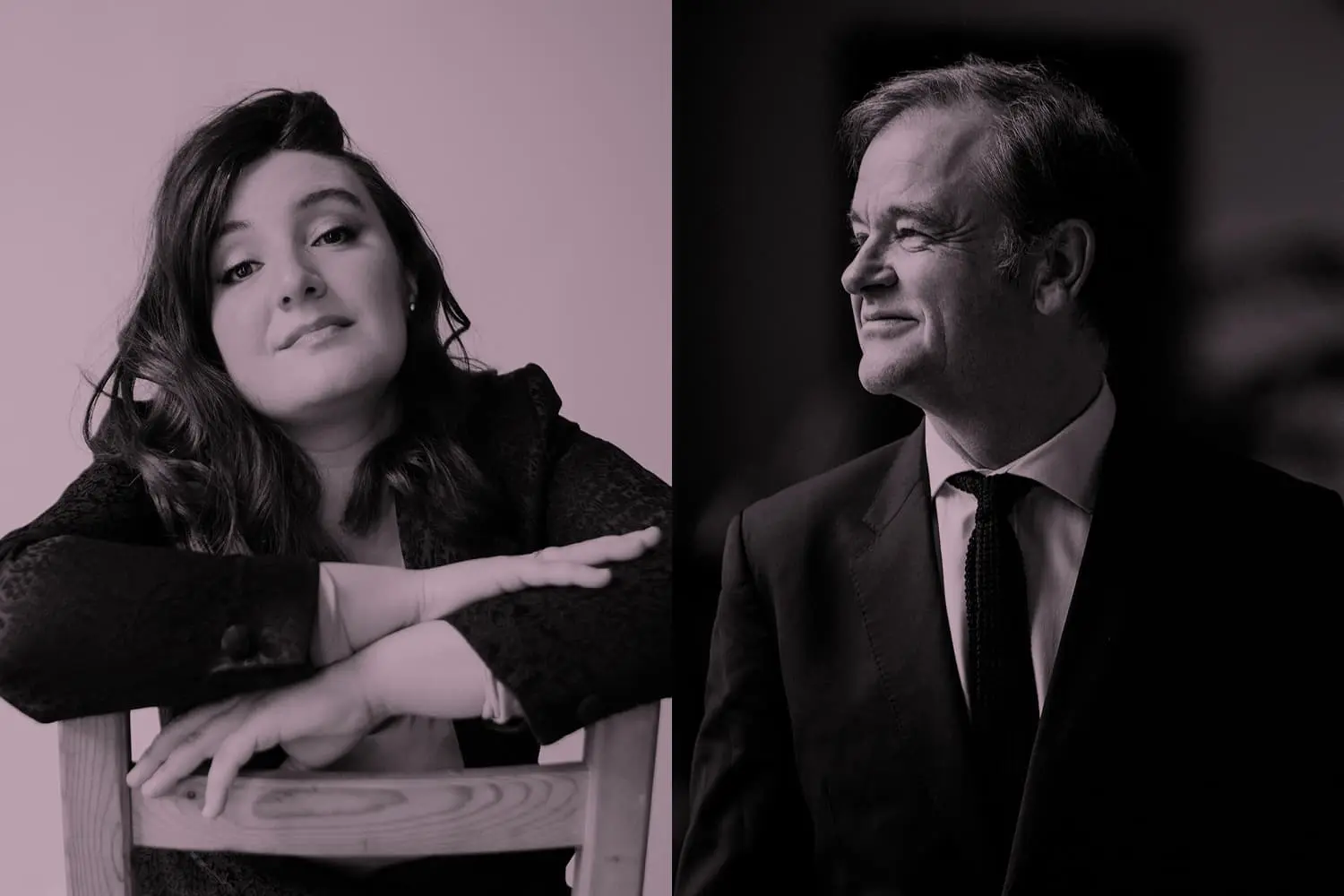
The prestigious Festival Aix-en-Provence has announced a significant cast change for its highly anticipated recital scheduled for July 17, 2026. Mezzo-soprano Ailyn Pérez has regrettably withdrawn from her solo performance due to personal reasons. Stepping into this prominent role is the exceptionally talented mezzo-soprano Beth Taylor, who has previously captivated audiences at the festival with her powerful and emotionally resonant interpretation of the solo alto part in the revival of Requiem at the Théâtre de l’Archevêché earlier this summer. Taylor will perform her recital accompanied by the esteemed pianist Julius Drake.
This unexpected change, while a disappointment for those looking forward to Pérez’s artistry, presents a remarkable opportunity to witness Beth Taylor’s burgeoning talent on a significant international stage. Her program for the Aix-en-Provence recital promises a diverse and compelling journey through the works of distinguished composers, including Hahn, Chretien, Elgar, Schumann, Tailleferre, and Holmes. This selection suggests a program that will showcase Taylor’s vocal versatility and interpretative depth, likely spanning a range of emotional landscapes and stylistic nuances. The inclusion of composers like Elgar and Schumann hints at potential renditions of emotionally charged art songs, while the inclusion of Tailleferre and Hahn points towards a more contemporary or perhaps French-influenced repertoire.
A Resounding Debut and a Proven Talent
Beth Taylor’s ascent in the opera and concert world has been marked by a series of critically acclaimed performances. Her previous engagement at the Festival Aix-en-Provence, where she delivered a "dazzling" performance in the alto solo of Requiem, has clearly left a lasting impression on festival organizers and audiences alike. This prior success has undoubtedly contributed to the confidence placed in her to deliver a memorable recital. Her ability to convey "intensity" in such a demanding role as part of Berlioz’s Requiem signals a vocal maturity and dramatic presence that are essential for a successful solo recital.
Taylor’s extensive performance history includes collaborations with some of the world’s most renowned orchestras and opera houses. She has graced stages with the LA Philharmonic, performed at the illustrious BBC Proms, and sung with the Bayerisches Rundfunkorchester and the BBC Scottish Symphony. Her operatic credentials include significant engagements at the Glyndebourne Festival, Deutsche Oper Berlin, and Opéra de Lorraine, among others. These experiences have honed her stagecraft and vocal technique, preparing her for the demanding nature of a solo recital where the performer is the sole focus. Her partnership with Julius Drake, a celebrated accompanist known for his sensitive musicality and insightful collaborations, further enhances the anticipation for this performance. Drake’s reputation for drawing out the best from his partners ensures a nuanced and deeply musical experience for the audience.
Context of the Festival Aix-en-Provence
The Festival Aix-en-Provence is one of Europe’s most venerable and respected summer music festivals, renowned for its exceptional opera productions, chamber music concerts, and recitals. Founded in 1948, it has consistently attracted leading artists and discerning audiences, establishing itself as a cornerstone of the classical music calendar. The festival’s programming typically emphasizes a blend of classic masterpieces and contemporary works, often presented in historically significant and breathtaking venues throughout the city of Aix-en-Provence. The Théâtre de l’Archevêché, with its open-air setting, and the Grand Théâtre de Provence are among its iconic performance spaces.
A solo recital within the festival’s program is a significant artistic statement, offering a platform for singers to showcase their individual artistry and interpretative choices in an intimate setting. The expectation for such a performance is exceptionally high, demanding not only vocal prowess but also a compelling stage presence and a thoughtfully curated program. The festival’s commitment to presenting diverse repertoire, as evidenced by Taylor’s chosen composers, reflects its broader mission to engage audiences with the richness and evolution of classical music.
Chronology of the Announcement and Potential Implications
The announcement of Ailyn Pérez’s withdrawal and Beth Taylor’s substitution was made with relatively short notice, given that the recital is scheduled for July 17, 2026. While the exact date of the announcement is not provided, such a change typically occurs several months, if not a year or more, in advance of a major festival performance to allow for ticket holder adjustments and promotional updates.
Hypothetical Timeline:
- Early 2025/Late 2024: Initial programming and artist confirmations for the July 2026 festival. Ailyn Pérez is confirmed for a solo recital.
- Mid-2025: Potential for initial marketing materials and early ticket sales to be released, featuring Pérez.
- Late 2025/Early 2026: Pérez informs the festival of her personal reasons for withdrawal. Festival organizers begin the process of identifying a suitable replacement.
- Early 2026: Beth Taylor is approached and agrees to perform. Her program is finalized.
- Mid-2026 (prior to July 17): Official announcement of the cast change is released by the Festival Aix-en-Provence. Marketing and ticketing information are updated.
The "personal reasons" cited for Pérez’s withdrawal are understandably vague, as is common in such announcements to respect the artist’s privacy. However, such situations can sometimes lead to speculation within the industry. For the festival, the immediate challenge is to manage this change in a way that minimizes disruption and maintains audience confidence.
The substitution of Beth Taylor, a singer who has already demonstrated her capabilities at Aix-en-Provence, is a strategic and positive move. It leverages a known and appreciated talent, mitigating the risk associated with introducing an entirely new artist to the festival’s discerning audience. The fact that Taylor has "dazzled Aix audiences" previously provides a strong endorsement and creates a pre-existing positive connection.
Supporting Data and Artistic Context
The chosen composers for Beth Taylor’s recital offer a rich tapestry of musical styles and historical periods.
- Reynaldo Hahn (1874-1947): A Venezuelan-born composer and conductor who became a prominent figure in French musical life. His songs are known for their elegant lyricism and sophisticated harmonic language, often drawing inspiration from poetry.
- Gabriel Chretien: Information on a prominent composer by this exact name and spelling within the context of major recital repertoire is less readily available. It is possible this refers to a lesser-known composer, a contemporary artist, or a typo in the original source. Further research might clarify if this is a specific work or a composer of particular relevance to Taylor’s repertoire.
- Edward Elgar (1857-1934): One of Britain’s most celebrated composers, known for his grand orchestral works and deeply expressive chamber music and songs. His lieder are often characterized by their introspective and melancholic qualities.
- Robert Schumann (1810-1856): A central figure of the Romantic era, renowned for his piano music and art songs (Lieder). His songs are deeply personal, often exploring themes of love, nature, and the human psyche, and are a staple of the recital repertoire.
- Germaine Tailleferre (1892-1983): The only female member of Les Six, a group of composers who sought to break away from the romanticism of French music. Tailleferre’s music is often characterized by its clarity, wit, and modernistic charm.
- Caroline Holmes: Similar to Gabriel Chretien, identifying a widely recognized composer named Caroline Holmes within the standard recital canon requires further context. It is possible this refers to a contemporary composer or a specific commission.
The breadth of this selection—from the Romanticism of Schumann and Elgar to the early 20th-century elegance of Hahn and the modernism of Tailleferre—indicates a program designed to showcase Taylor’s ability to navigate different musical languages and expressive demands. The inclusion of French composers like Hahn and Tailleferre might also align with the festival’s location in Provence, known for its strong cultural ties to French art.
Official Statements and Broader Impact
The official statement from the Festival Aix-en-Provence, as quoted, is professional and empathetic: "Unfortunately, Ailyn Pérez must withdraw from her recital for personal reasons. The mezzo-soprano Beth Taylor — who dazzled Aix audiences with the intensity of her performance in the solo alto part of Requiem, revived this summer at the Théâtre de l’Archevêché — has agreed to perform instead, still accompanied by Julius Drake."
This statement achieves several key objectives:
- Transparency: It clearly communicates the change and the reason, albeit generally.
- Empathy: It acknowledges the artist’s situation with sensitivity.
- Endorsement of the Replacement: It highlights Beth Taylor’s previous success at the festival, building excitement and confidence.
- Continuity: It confirms the continued involvement of Julius Drake, a reassuring element for the audience.
The broader impact of such a cast change, while not altering the fundamental artistic merit of the festival, can have subtle effects. For ticket holders who specifically purchased tickets to see Ailyn Pérez, there might be disappointment. However, the Festival Aix-en-Provence likely has a robust ticketing and exchange policy to address such situations. For Beth Taylor, this represents a significant opportunity to further solidify her reputation among a global audience of classical music aficionados. Her performance will be closely watched, serving as a potential springboard for future engagements.
For the festival itself, the successful management of this change is crucial for maintaining its reputation for excellence and reliability. The proactive and positive announcement, focusing on the strengths of the replacement artist, is a testament to effective communication and programming strategy. The festival’s ability to secure a highly regarded artist like Taylor on relatively short notice also speaks to its strong network within the classical music world.
In conclusion, while the withdrawal of Ailyn Pérez is a notable event, the Festival Aix-en-Provence’s swift and strategic announcement of Beth Taylor as her replacement, accompanied by the esteemed Julius Drake, ensures that the July 17, 2026 recital remains a highly anticipated event. Taylor’s proven talent and her thoughtfully curated program promise a memorable evening of vocal artistry, further enriching the esteemed legacy of the Festival Aix-en-Provence.