Mia Khoirunisa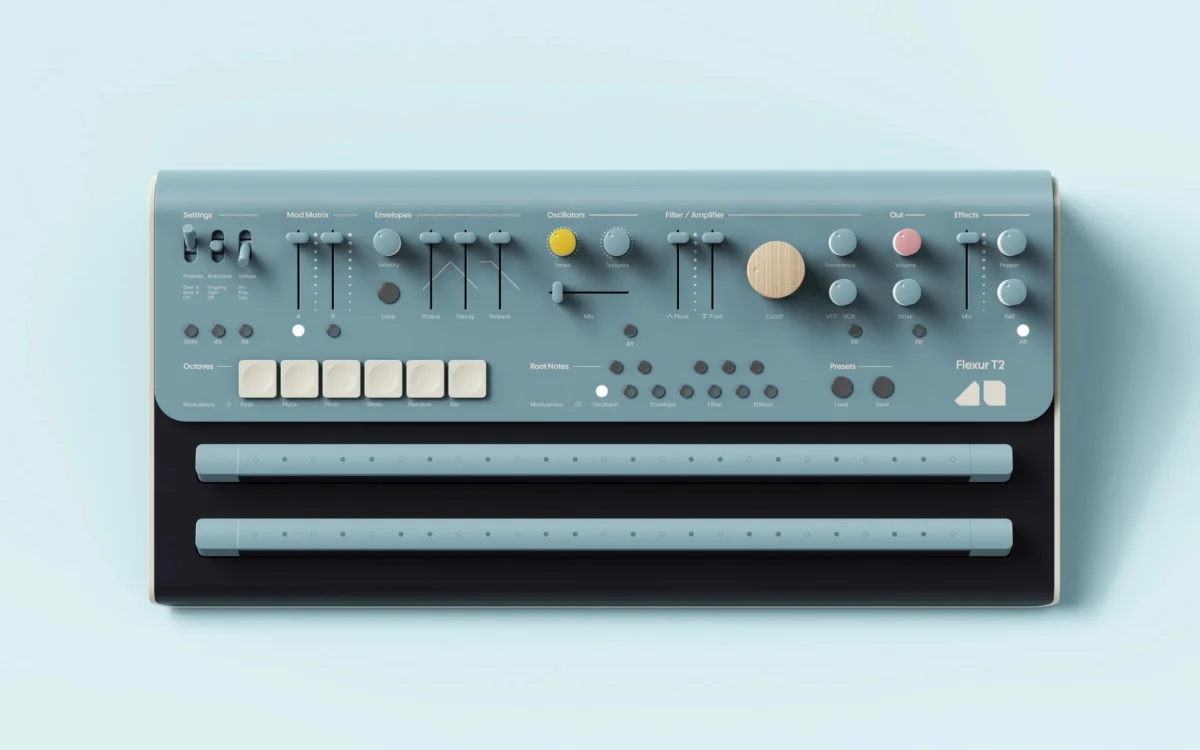
The world of electronic music instrument design is experiencing a resurgence of interest in historical sonic palettes, and the recently unveiled Flexur T2 Trautonium synthesizer stands as a compelling testament to this trend. While initially reported earlier in June, the significance of this project warrants a deeper examination of its origins, development, and the unique sonic territory it aims to explore. The Flexur T2, inspired by the groundbreaking Trautonium, offers a modern interpretation of this seminal instrument, promising a unique tactile and auditory experience for musicians and enthusiasts alike.
The Legacy of the Trautonium
To fully appreciate the Flexur T2, one must understand the historical context of its namesake. The Trautonium, first developed in the early 1930s by Friedrich Trautwein, was a revolutionary instrument that predated many of the synthesizers we recognize today. Its innovative design, particularly its use of a wire drawn across a metal rail to control pitch and a pressure-sensitive touch strip for volume and timbre modulation, allowed for incredibly expressive and nuanced sound manipulation. This made it a favorite among early electronic music pioneers, including Oskar Sala, who famously used a modified Trautonium to create the iconic sounds for Alfred Hitchcock’s "The Birds." The instrument’s ability to produce glissandi and a wide range of timbres, from string-like textures to ethereal drones, set it apart from other electronic instruments of its era.
The scarcity and complexity of original Trautoniums have made them highly sought after by collectors and musicians. However, this has also spurred efforts to recreate and reinterpret the instrument for contemporary use. The development of the Flexur T2 can be seen as part of this lineage, bridging the gap between historical sonic exploration and modern instrument manufacturing.
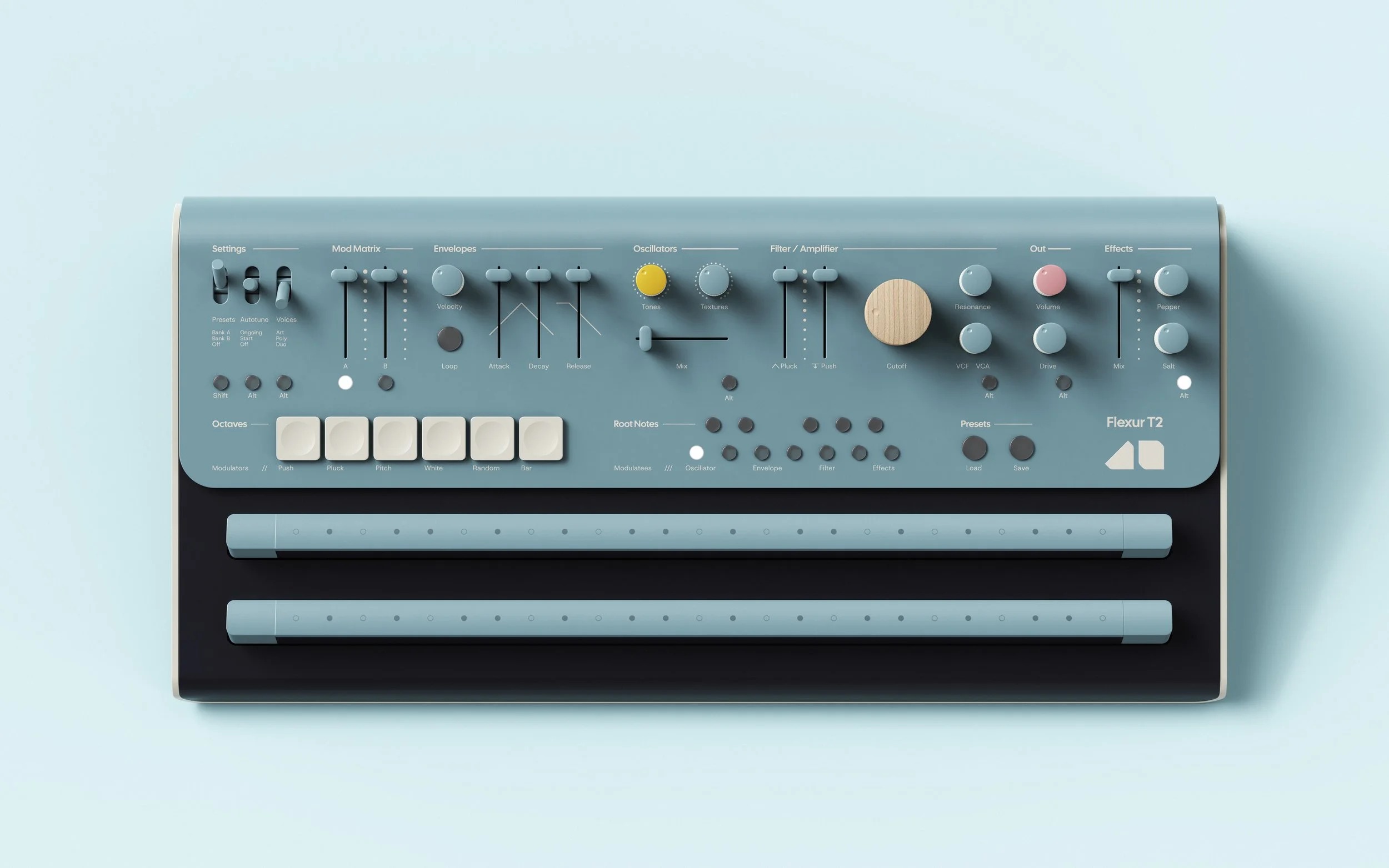
Flexur T2: A Modern Embodiment of Trautonium Principles
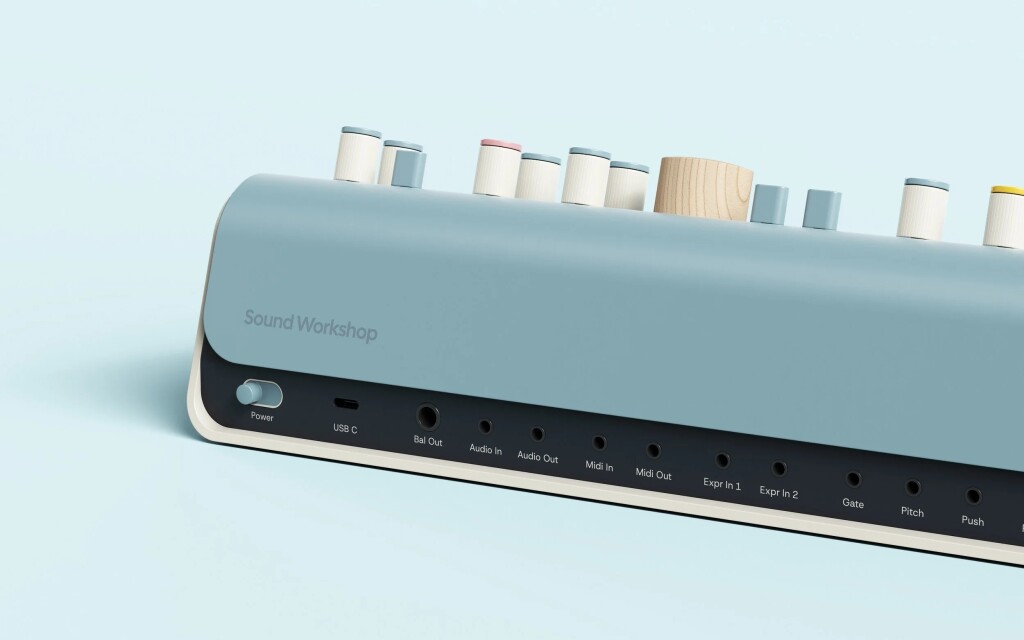
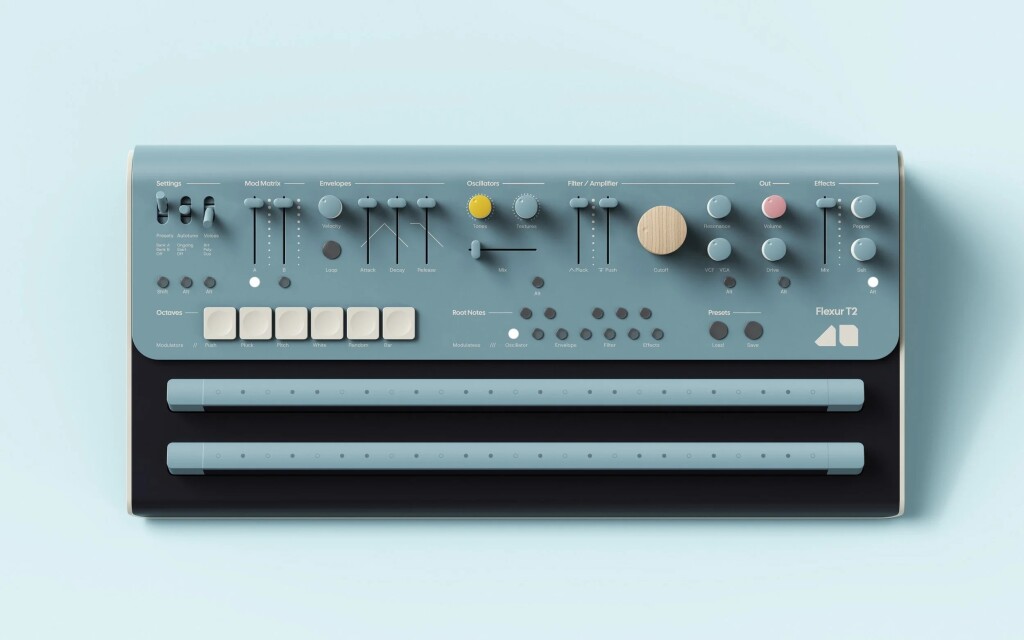
The Flexur T2 is not merely a replica but an evolution, designed with a focus on the smooth, gliding sounds characteristic of the original Trautonium. Developed by Soundwork.shop, the project aims to bring the expressive capabilities of this vintage instrument into the hands of a new generation of musicians. The initial pre-order phase, which opened earlier this month, saw a rapid sell-out, indicating a strong demand for instruments that offer a departure from conventional synthesizer interfaces.
The pre-order price for the Flexur T2 was set at $1,399.00, a figure that, while substantial, reflects the specialized nature of the instrument and its innovative design. It is important to note that this price point positions the Flexur T2 as a premium instrument, catering to those who prioritize unique sonic capabilities and expressive control. The final retail price is anticipated to be $1,599.00, with a significant lead time for delivery, estimated between 6 to 24 months. This extended production and delivery window is not uncommon for bespoke, hardware-intensive electronic musical instruments, particularly those in early production stages. The creators have emphasized that this extended timeline is necessary to ensure the quality and meticulous craftsmanship of each unit.
Development and Prototyping: A Commitment to Sonic Excellence
A key indicator of the Flexur T2’s development maturity is the successful creation and testing of four functional prototypes. This rigorous prototyping phase suggests a dedicated effort to refine the instrument’s design and sonic characteristics before full-scale production. The availability of demonstration videos, such as the "Meet: Flexur (Trautonium Synthesizer)" and "Flexur and Chill (Standalone Trautonium Synth)" embedded within promotional materials, allows potential users to experience the instrument’s unique sound firsthand. These videos showcase the instrument’s ability to produce the signature gliding tones and expressive timbres that are central to the Trautonium’s appeal.
The creators have openly shared insights into their development process, highlighting the dedication to achieving the desired sonic quality. The fact that these prototypes are functional and producing audible results is a significant milestone, demonstrating the project’s viability and the team’s technical expertise.
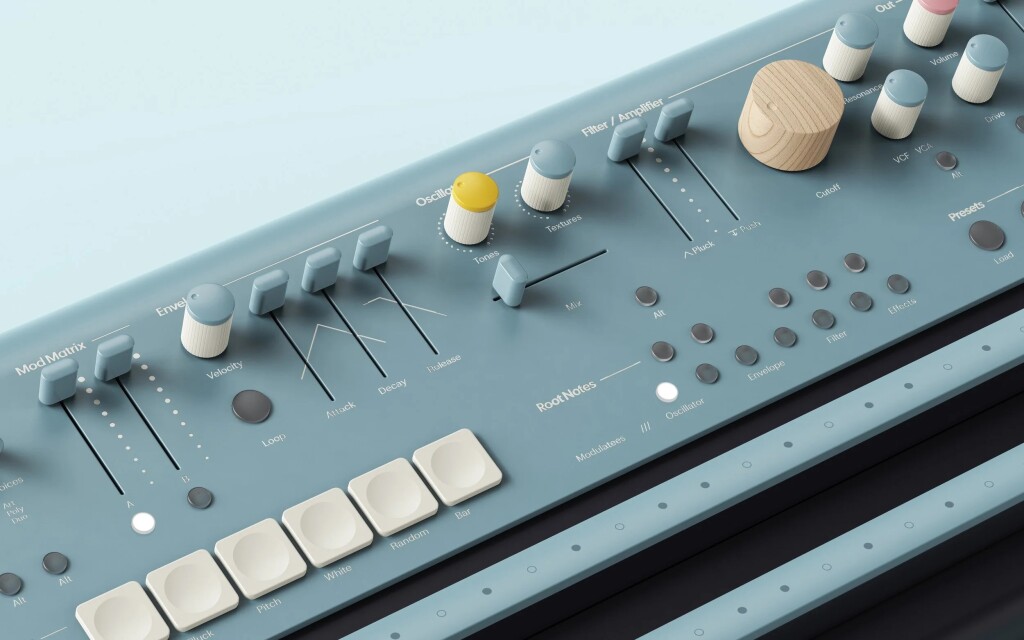
Understanding the Trautonium’s Revival
The resurgence of interest in instruments like the Trautonium is part of a broader movement in the New Interfaces for Musical Expression (NIME) community and among electronic music enthusiasts. This movement often prioritizes tactile interaction, expressive control, and unique sonic textures that go beyond the capabilities of standard keyboard-based synthesizers. The Trautonium, with its unique control mechanism, fits perfectly into this paradigm.
To further contextualize the Trautonium’s appeal, resources like the video featuring Hainbach and LudoWic, titled "The Surprising Comeback of a 1930s Experimental Synth," provide valuable historical and technical background. These explorations delve into the instrument’s origins, its impact on early electronic music, and the ongoing efforts to preserve and reinterpret its legacy. Such content is crucial for educating a wider audience about the significance of these historical instruments and the innovative spirit behind their modern iterations.
Beyond the Flexur T2: A Vision for Expressive Interfaces
The creators behind the Flexur T2 are not solely focused on this single instrument. Their work at Soundwork.shop suggests a broader commitment to exploring innovative interfaces for musical expression. This is evident in their other projects, such as a "bumpy LinnStrument" and an "Otamatone into a Trautonium" conversion, humorously dubbed "Otamatonium." These diverse projects demonstrate a playful yet serious engagement with the concept of alternative control surfaces and novel sound generation methods.
The "bumpy LinnStrument" project, for instance, hints at an interest in creating tactile feedback mechanisms that enhance the playing experience. The LinnStrument itself is known for its grid-based MPE (MIDI Polyphonic Expression) capabilities, and adding a "bumpy" surface could introduce new layers of gestural control and sensory engagement.
The "Otamatone into a Trautonium" project, while likely more experimental and perhaps a bit whimsical, showcases a willingness to push boundaries and explore unconventional instrument modifications. The Otamatone, a toy synthesizer with a distinctive wobbly sound, offers a stark contrast to the refined tones of a Trautonium, suggesting an interest in bridging the gap between accessible, toy-like instruments and sophisticated musical tools.
Another intriguing project is the "Airloom," described as a "slide flute and computer fan drone instrument." This piece highlights an experimental approach to sound design, utilizing everyday objects and unique physical interfaces to create atmospheric and drone-based textures. Such projects underscore a philosophy that embraces sonic exploration through diverse and often unexpected means.
The overarching theme across these various endeavors appears to be a deep fascination with instruments that offer a physically engaging and sonically distinctive playing experience. The emphasis on "bumpy, lumpy, or slide-y and bendy" interfaces suggests a deliberate departure from the uniformity often found in mass-produced musical equipment, instead favoring instruments that encourage nuanced performance and personal connection with the sound.
Implications for the Future of Synthesizer Design
The success of projects like the Flexur T2 has several implications for the future of synthesizer design and the broader music technology landscape. Firstly, it signals a growing market for instruments that prioritize expressivity and unique control methods over sheer digital complexity. Musicians are increasingly seeking tools that allow for a more organic and intuitive interaction with sound, moving beyond the limitations of traditional keyboards and controllers.
Secondly, the revival of historical instrument concepts, such as the Trautonium, demonstrates the enduring value of vintage innovations. These instruments often possess sonic qualities and control paradigms that are difficult to replicate with modern digital synthesis alone. By reinterpreting these classic designs, manufacturers can offer a fresh perspective on sound creation, appealing to both nostalgic enthusiasts and adventurous sound designers.
Furthermore, the extended development and delivery timelines associated with these specialized instruments highlight the challenges and rewards of boutique hardware manufacturing. The commitment to quality, craftsmanship, and sonic fidelity often necessitates a slower, more deliberate production process. This, in turn, can foster a sense of exclusivity and value among those who acquire these instruments.
The community engagement, evident in the prompt sell-out of pre-orders and the availability of detailed information and demonstration videos, suggests that transparency and direct communication with potential customers are crucial for building trust and anticipation in this niche market.
In conclusion, the Flexur T2 Trautonium synthesizer represents more than just a new piece of hardware; it is a bridge between the past and the future of electronic music. By honoring the innovative spirit of the original Trautonium and infusing it with modern design sensibilities, Soundwork.shop is offering musicians a powerful and expressive tool for sonic exploration. As the music technology industry continues to evolve, the demand for instruments that offer depth, character, and a truly engaging playing experience is likely to grow, making projects like the Flexur T2 significant indicators of where the industry is heading. The continued exploration of alternative interfaces and the reinterpretation of historical instruments promise an exciting and sonically diverse future for musicians worldwide.