Kholidah
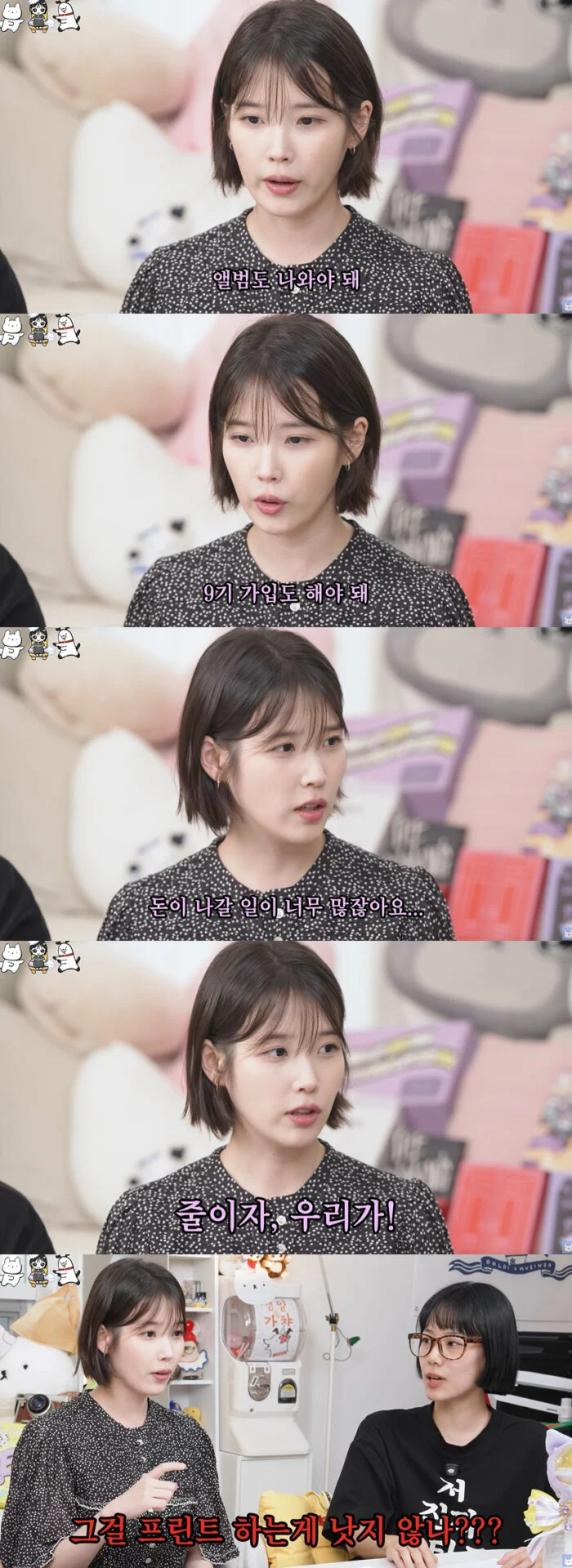
OH MY GIRL’s Mimi has sparked a significant conversation within the South Korean entertainment industry following her recent appearance on the YouTube channel 12F. In a video titled “Honey, I’ll let you know tomorrow about our date depending on how I feel,” released on September 24, the veteran idol addressed her personal stance on dating and, more notably, provided a candid critique of professional conduct among younger idols at television broadcasting stations. Her remarks have since circulated widely across social media, reigniting long-standing debates regarding the hierarchical etiquette and interpersonal standards expected within the highly disciplined K-Pop ecosystem.
The Context of the Commentary
Mimi, a prominent member of the girl group OH MY GIRL, debuted in 2015 and has navigated the complexities of the industry for over a decade. During the interview, the conversation initially pivoted to her personal life. She revealed that her last romantic relationship occurred when she was 17 years old, prior to her formal debut. She cited a distaste for the ambiguity and emotional volatility often associated with the early stages of dating, characterizing the "will-they-won’t-they" dynamic as "cringeworthy" and emotionally draining.
However, the tone of the interview shifted when the discussion moved toward her professional environment. Mimi described her experiences at music broadcasting stations—hubs where numerous groups converge for promotional cycles—and identified a recurring issue regarding the lack of proper professional etiquette among some junior artists. Specifically, she expressed frustration with idols who exhibit “half-hearted” behaviors when interacting with senior peers or colleagues, such as offering only a perfunctory nod when exchanging greetings.
Professional Etiquette in the K-Pop Industry
In the hierarchical structure of the South Korean entertainment industry, the tradition of in-sa (greeting) is paramount. Seniority is typically determined by the date of an artist’s official debut. It is an industry standard for junior idols to approach senior idols, often with a 90-degree bow, to offer formal greetings. This practice is viewed not merely as a social nicety but as a testament to the artist’s professionalism and respect for the discipline required to maintain a career in the public eye.
Mimi’s specific grievance centered on the lack of sincerity in these interactions. She noted that while she consistently makes an effort to respond to colleagues with enthusiasm and warmth, she finds the dismissive nature of some younger idols—who may provide a mere nod of the head—to be unprofessional. “Whether they’re interested or not, just seeing that attitude makes me angry,” she stated, emphasizing that the issue is not about personal ego, but about the baseline level of mutual respect required in a shared workplace.
Chronology of the Discourse
- September 24, 2026: The YouTube channel 12F releases the interview featuring Mimi.
- September 25, 2026: Clips of the interview begin trending on various South Korean online forums, including TheQoo and Instiz, drawing thousands of views and comments.
- September 26, 2026: Industry analysts and fan communities begin discussing the broader implications of “idol burnout” and the evolving standards of trainee education regarding etiquette.
Supporting Data and Industry Trends
The K-Pop industry has seen a massive surge in the number of active idol groups over the last five years. According to recent industry reports, the number of active K-Pop groups has grown by approximately 15% annually since 2020. This rapid expansion has led to increasingly crowded waiting rooms and shorter rehearsal times at broadcasting stations like SBS, KBS, and MBC.
Psychological studies on high-pressure performance environments suggest that when artists are subjected to extreme schedules, sleep deprivation, and intense competition, their capacity for social empathy can fluctuate. While not an excuse for poor behavior, some industry observers suggest that the “half-hearted” attitude Mimi described could be a symptom of the exhaustion prevalent in the industry. Nevertheless, management companies typically invest significant resources into "personality education," where trainees are explicitly coached on how to interact with staff, seniors, and the media. A lapse in these behaviors often reflects either a failure in management training or a shift in the cultural values of the incoming generation of performers.
Implications for Agency Training Programs
The public critique delivered by a respected senior idol like Mimi often serves as an informal regulatory mechanism. When an artist of her stature highlights behavioral deficiencies, it frequently prompts talent agencies to re-evaluate their internal training curricula.
Historically, such public calls to action have led to:
- Reinforced Mentorship: Agencies often organize internal workshops to emphasize the importance of professional networking and respect.
- Stricter Compliance: Agencies may implement more rigid monitoring of their artists’ behavior during public schedules to avoid negative public perception.
- Public Relations Adjustments: Artists may be briefed on how to handle public interactions more intentionally to avoid appearing dismissive or "arrogant" to the public or their peers.
The Broader Impact on Idol Culture
Mimi’s remarks touch upon a fundamental tension in modern K-Pop: the conflict between the authenticity valued by younger generations and the rigid tradition of the "sunbae-hoobae" (senior-junior) system. Critics of the current idol landscape argue that as the industry becomes more globalized, the traditional Korean emphasis on hierarchical greetings is sometimes perceived as outdated by younger idols who prioritize efficiency and personal boundaries.
However, proponents of the traditional system, like Mimi, argue that these small gestures are the glue that holds the professional community together. By calling out this behavior, Mimi is advocating for a return to a standard where respect is displayed explicitly rather than through convenient, performative gestures.

Analysis of the Public Reaction
The reaction from the public has been polarized. A significant portion of the audience, particularly older fans and those familiar with traditional Korean social customs, has praised Mimi for her honesty. These supporters argue that if an idol cannot manage a polite greeting, they lack the foundational character necessary for a long-term career.
Conversely, some younger netizens have suggested that the pressures of the industry should allow for a more relaxed approach to interpersonal interactions, arguing that “half-hearted” greetings might simply be the result of a grueling 18-hour workday rather than a sign of genuine disrespect. This divide highlights a generational shift in how "professionalism" is defined in the digital age.
Conclusion and Future Outlook
Mimi’s comments have provided a rare, unvarnished look at the realities of life behind the scenes in the K-Pop industry. By challenging the status quo of broadcasting station etiquette, she has sparked a necessary conversation about the sustainability of current professional standards.
As the industry continues to evolve, the challenge for agencies will be to balance the intense performance demands of the modern era with the interpersonal traditions that have long defined the K-Pop experience. Whether this public critique leads to a measurable change in behavior remains to be seen, but it is clear that for artists like Mimi, the integrity of the profession is intrinsically linked to the manners and respect shown in the hallways of the music industry. The discourse initiated by her statement serves as a reminder that even in an era of global stardom, the basic tenets of professional respect remain the primary currency of the industry.