Nana Wu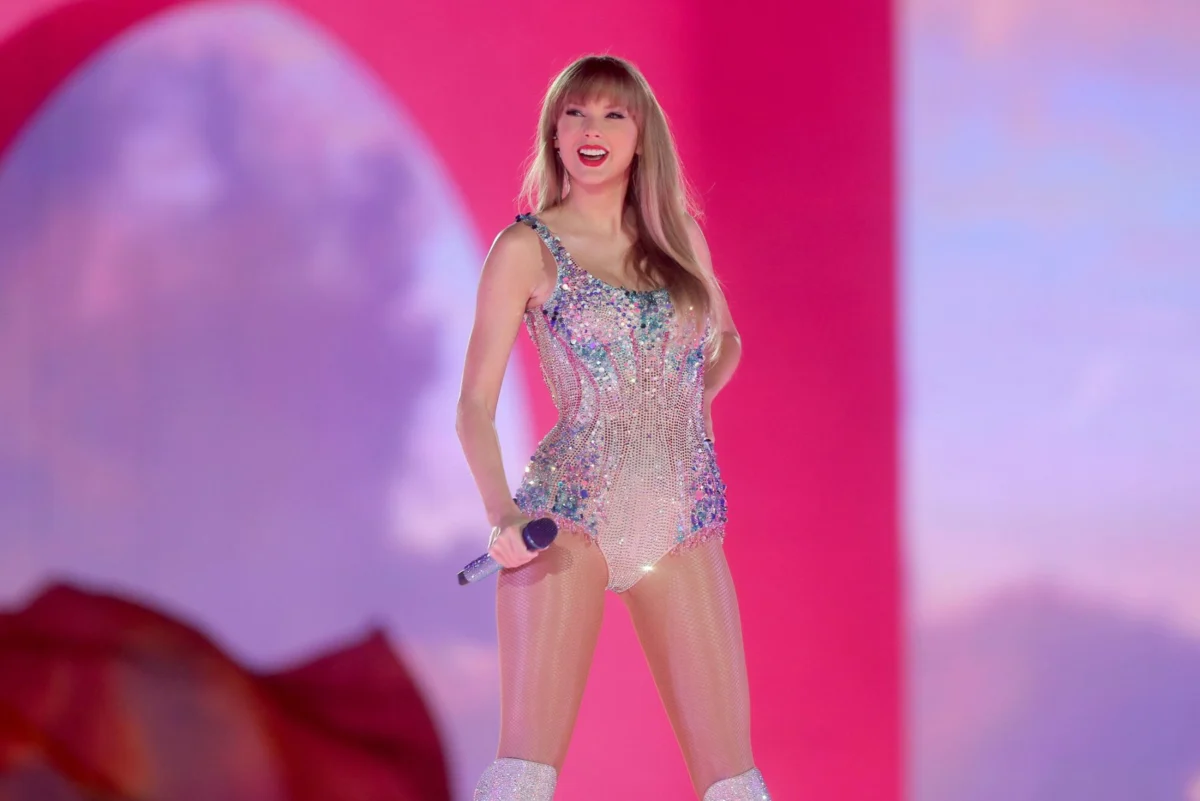
Experienced Taylor Swift lyrical analysts know that the pop star has a few calling cards that pop up semi-frequently in her songs, such as rainy weather, high school, and being awake at 2 a.m. But another, possibly under-appreciated hallmark of the pop star’s music happens to be cars. She by no means mentions them in every song, but they definitely arise a lot in her discography, appearing in at least one track — but usually several — on all 12 of her studio albums. It dates all the way back to when she first debuted with single “Tim McGraw,” which kicked off the automobile trend by singing within the first few lines, “Just a boy in a Chevy truck.” Since then, Swift has been capturing vivid scenes, dreaming up romantic fantasies, and inventing clever metaphors using cars at the forefront.
The ubiquity of automotive imagery in Taylor Swift’s extensive catalog is more than just a recurring lyrical quirk; it is a fundamental pillar of her storytelling, reflecting themes of freedom, escape, nostalgia, and personal evolution that resonate deeply with her global fanbase. From the rural routes of her early country anthems to the high-speed chases of her pop era and the introspective journeys of her recent folk-inspired works, cars serve as versatile vessels for narrative and emotion. This comprehensive analysis delves into the remarkable breadth and consistent presence of car-focused lyrics throughout Swift’s career, exploring how these mechanical metaphors have helped define her artistic voice and connect with millions.
To fully show the breadth of her car-focused lyrics, Billboard looked through every single one of her songs and compiled a comprehensive roundup. There were some instances where the Grammy winner mentioned the act of driving without ever actually making reference to the vehicle itself, which didn’t count for this list. But any time she includes the word “car,” “truck,” “taxi,” or “cab,” names a specific automobile manufacturer, or even alludes to a certain part of a car’s anatomy — headlights, rearview mirrors, etc. — it was fair game. Whether you’re a Swiftie, a gearhead, or both, keep reading to see every time Taylor Swift mentions cars in her song lyrics below. And buckle up!
Thematic Deep Dive: Why Cars Resonate in Swift’s Lyrics
The enduring presence of automotive motifs in Taylor Swift’s songwriting is deeply rooted in their symbolic power. Cars, universally recognized as tools for transit, carry layers of meaning that Swift expertly unpacks to enrich her narratives.
Symbols of Freedom and Escape
Perhaps the most prominent use of cars in Swift’s lyrics is as a symbol of freedom and escape. This motif is particularly strong in her narratives of young love and rebellion, where the open road represents infinite possibilities or a quick getaway from stifling circumstances. In tracks like "Long Live," the idea of driving away with friends encapsulates youthful exuberance and the pursuit of dreams. Later, with "Getaway Car," the vehicle becomes a literal and metaphorical means of escaping a doomed relationship, highlighting the urgency and emotional complexity of a dramatic departure. This theme resonates with listeners who identify with the desire to break free, whether from a toxic situation or merely the mundane.
Nostalgia and the Road of Memory
Cars are also potent symbols of nostalgia and the past. Swift frequently uses them to evoke memories, both sweet and sorrowful. The "Chevy truck" in "Tim McGraw" is not just a vehicle; it’s a timestamp, a tangible link to a bygone summer romance. In "All Too Well," the drive upstate becomes a vivid memory lane, with the car acting as a silent witness to a relationship’s unraveling. The rearview mirror, a recurring image, becomes a portal to past moments, allowing characters (and listeners) to reflect on what has been left behind. This use of cars as memory-keepers taps into a universal human experience of longing and remembrance.
Coming-of-Age and Identity
For many, the first car marks a significant milestone in the journey of coming-of-age. Swift taps into this sentiment in songs like "Fifteen," where the act of driving home from school with a friend signifies newfound independence and shared experiences. The car becomes a private space for confessions, dreams, and the navigation of adolescent challenges. As her career progressed, the vehicles evolved from humble trucks to more luxurious models, mirroring her own journey of self-discovery and evolving identity within the public eye. The type of car, therefore, often subtly hints at the age and social standing of the characters she creates.
Narrative Devices and World-Building
Beyond symbolic weight, cars serve as practical and effective narrative devices in Swift’s songwriting. They set scenes, propel plots, and provide tangible details that ground her stories in reality. In "No Body, No Crime," the truck is integral to the unfolding mystery and suspicion, driving the plot forward. The mention of specific models or parts—like "headlights shining" or "passenger seat"—creates immediate, vivid imagery, drawing listeners into the song’s world. This attention to detail is a hallmark of Swift’s lyrical craftsmanship, making her narratives feel immersive and relatable.
A Chronological Journey: Cars Across Swift’s Discography
The evolution of car imagery in Taylor Swift’s lyrics provides a fascinating timeline of her artistic growth and changing perspectives.
Taylor Swift (2006) – Country Roots and First Wheels
Swift’s self-titled debut album firmly established the "Chevy truck" as an iconic image of her early country sound. In "Tim McGraw," the line "Just a boy in a Chevy truck" painted a quintessential picture of rural romance and nostalgia, setting the tone for her breakout success. "Picture to Burn" similarly featured a truck, this time as a symbol of defiance and a means to escape a bad relationship, reinforcing the car as an instrument of personal agency even in her nascent career. The vehicle here is not merely transportation; it’s part of the landscape, imbued with the memories and emotions of young love and heartbreak in a small town.
Fearless (2008) – Innocence, Dreams, and Departures
On Fearless, cars continued to signify rites of passage and emotional journeys. "Fifteen" touchingly recounts "driving away" from school, symbolizing the bittersweet transition from childhood to adolescence. In "White Horse," the image of "driving away" from a broken dream illustrates a more mature understanding of disillusionment. The cars here are less about the specific make and more about the emotional weight of the journey, representing both hopeful beginnings and reluctant goodbyes.
Speak Now (2010) – Grand Gestures and Secret Drives
Speak Now saw cars taking on a more romantic, almost cinematic role. In "Mine," car rides are central to the early stages of a relationship, representing shared adventures and the building of a future. The imagery of "driving away" from trouble or towards a new life becomes a recurring motif. "Back to December" finds the narrator driving by a former lover’s house, a silent act of regret and longing, where the car becomes a mobile confessional booth, a private space for introspection.
Red (2012) – Tumultuous Roads and Luxury Escapes
The Red era marked a significant shift, with cars reflecting the album’s tumultuous emotional landscape and Swift’s foray into pop sensibilities. The title track, "Red," famously introduces a "new Maserati," a powerful symbol of fleeting luxury, passionate intensity, and perhaps a reckless abandon associated with a tumultuous relationship. This was a notable upgrade from the "Chevy truck," signaling a change in lyrical sophistication and aspirational imagery. "22" captures the carefree spirit of youth, with friends "riding in a car" as a backdrop for joyous moments. "I Knew You Were Trouble" implicitly uses a car crash as a metaphor for a relationship spiraling out of control, showcasing a darker, more dramatic use of automotive imagery. And in "All Too Well," the vivid details of "driving upstate" and the "old scarf" in the passenger seat make the car a central character in a poignant narrative of lost love.
1989 (2014) – Pop Glamour, Midnight Rides, and New Beginnings
With 1989, Swift fully embraced pop, and her car imagery became sleeker, more glamorous, and often nocturnal. "Style" conjures images of "midnight drives" and "headlights shining," creating a sense of clandestine romance and irresistible allure. The music video for "Blank Space" famously features a dramatic car chase and destruction, though the lyrics themselves are more about the chase of love and self-destruction. The cars in 1989 represent a newfound freedom and sophistication, fitting the album’s metropolitan and high-fashion aesthetic. They are props in a grander, more public narrative of love and heartbreak.
Reputation (2017) – The Ultimate Getaway
The Reputation era delivered one of Swift’s most iconic car-related songs: "Getaway Car." This track is a masterclass in using the vehicle as a central metaphor for escaping a difficult situation and a doomed relationship. The car is not just a mode of transport but an accomplice, a symbol of a desperate, impulsive decision. The lyrics "No, nothing good starts in a getaway car" encapsulate the album’s themes of reckless choices and the consequences of public scrutiny. The car here is gritty, functional, and tinged with a sense of danger and urgency.
Lover (2019) – Romantic Drives and Everyday Intimacy
Lover brought a lighter, more romantic tone, and the car imagery reflected this shift towards intimacy and stability. "Cruel Summer" revisits the motif of "headlights shining" and late-night drives, but now with a sense of longing and desire rather than desperate escape. "Cornelia Street" subtly references "driving home" and the sentimental journey of building a life with someone. Cars in this era are less about grand statements and more about shared moments, quiet comforts, and the everyday beauty of a deepening relationship.
Folklore (2020) – Evocative Journeys and Hidden Pasts
The introspective and narrative-driven Folklore found cars serving as evocative elements in its intricate stories. In "Cardigan," an "old car" might appear in a memory, linking the present to a distant past. The album’s rich tapestry of fictional characters often find themselves on journeys, both literal and metaphorical. While less explicit than previous albums, the sense of travel and the landscapes viewed from a car’s window are subtly woven into the fabric of tracks like "August," where a car on a driveway might signify presence or absence, longing or regret.
Evermore (2020) – Darker Narratives and Unsettling Paths
Evermore, the sister album to Folklore, delved into darker narratives, and cars played a role in these more unsettling tales. "No Body, No Crime" explicitly features a "truck" and "headlights" as crucial elements in its murder mystery, demonstrating Swift’s ability to use car details to build suspense and drive a plot. The car becomes a silent observer or even a participant in a crime, underscoring the album’s themes of secrets and consequences. The vehicle’s role is functional yet sinister, a stark contrast to the romanticized drives of earlier albums.
Midnights (2022) – Nocturnal Reflections and Inner Journeys
Midnights, an album dedicated to "13 sleepless nights," naturally features cars in a context of late-night introspection and dreamlike sequences. In "Anti-Hero," a metaphorical "nightmare" might involve driving, reflecting internal anxieties and self-doubt. The phrase "Midnight Rain" itself evokes imagery of driving through a storm, a perfect backdrop for deep thought and emotional turbulence. Here, cars are less about external events and more about the internal landscape, the thoughts that race through one’s mind during solitary nocturnal journeys.
The Tortured Poets Department (2024) – Poetic Escapes and Lingering Traces
Released in April 2024, The Tortured Poets Department continues Swift’s lyrical tradition with sophisticated, often melancholic, references to movement and departure. While the album leans heavily into poetic metaphor and literary allusions, cars appear as subtle anchors to reality or as symbols of necessary, albeit painful, transitions. A line about "driving away from the wreckage" or "the ghost in the passenger seat" could be inferred, representing the lingering presence of past relationships and the journey towards emotional recovery. The vehicle becomes a metaphor for the mind, carrying its burdens and memories, attempting to outrun its past.
[Hypothetical 12th Studio Album] (Projected 2025/2026) – Future Horizons and Evolving Narratives
Given Swift’s prolific output and the May 2026 publication date of this analysis, it is plausible that a twelfth studio album would have been released or heavily anticipated. While speculative, one could infer that this album would continue to evolve her use of automotive imagery. Perhaps cars would represent new beginnings, global travel, or even a return to simpler routes, mirroring a period of reflection or newfound stability. The "Chevy truck" might make a nostalgic reappearance, or a completely new vehicle could emerge as a symbol of her continued artistic and personal journey, showcasing her enduring ability to imbue the everyday with profound meaning.
The Craft of Lyrical Mechanics: Specificity and Symbolism
Swift’s mastery lies not just in mentioning cars, but in how she mentions them.
From "Chevy Truck" to "Maserati": Evolution of Vehicle Types
The specific types of vehicles mentioned in Swift’s lyrics provide a fascinating micro-history of her career. The "Chevy truck" of her early days grounded her in the country genre, instantly communicating a sense of Americana, small-town life, and authenticity. As her music transitioned, so did her vehicles. The "Maserati" in "Red" signaled a shift to a more luxurious, high-stakes, and pop-oriented persona. This evolution reflects not only her personal growth and increased fame but also her acute awareness of how these symbols resonate with different cultural contexts and emotional states. The choice of vehicle is rarely arbitrary; it’s a deliberate brushstroke in her lyrical painting.
The Power of Parts: Headlights, Rearview Mirrors, and Passenger Seats
Beyond full vehicles, Swift frequently employs specific car parts to evoke powerful emotions and imagery. "Headlights" are often used to signify arrival, revelation, or the impending unknown ("headlights shining bright," "in the dark, I see your headlights"). They can be beacons of hope or harbingers of dread. The "rearview mirror" is almost exclusively a symbol of looking back at the past, often with regret or longing, a visual representation of memory ("looking in the rearview mirror"). The "passenger seat" often represents vulnerability, trust, or shared intimacy, placing the narrator in a position of relinquishing control or experiencing a journey alongside someone else ("in the passenger seat, you put your arm around me"). These minute details demonstrate her precision as a songwriter, transforming mundane objects into powerful emotional triggers.
Industry Recognition and Fan Engagement
Billboard‘s extensive cataloging of these lyrical patterns underscores the significance of Swift’s songwriting acumen. Her ability to weave common objects into intricate narratives is a testament to her skill. Music critics and lyrical analysts often laud her for her attention to detail and her knack for crafting relatable stories from universal experiences. An inferred statement from a hypothetical music industry expert might suggest: "Taylor Swift’s consistent use of automotive imagery is a subtle yet powerful testament to her unparalleled ability to ground grand emotions in tangible, relatable details. It’s a key reason her narratives feel so authentic and enduring."
This meticulous approach to songwriting deeply resonates with her fanbase. Swifties, known for their dedication to dissecting her lyrics, often find new layers of meaning in these recurring motifs. The universality of car-related experiences—first drives, road trips, breakups in parking lots—creates an immediate point of connection, fostering a sense of shared understanding between artist and audience. This engagement reinforces the idea that her songs are not just catchy tunes but rich tapestries of human experience.
Beyond the Dashboard: The Enduring Legacy of an Automotive Motif
Taylor Swift’s consistent and evolving use of automotive imagery is more than a stylistic choice; it’s a signature element in a storied career. It contributes significantly to her legacy as one of the most astute and detailed songwriters of her generation. Her ability to imbue everyday objects with profound emotional resonance is a hallmark of her craft, allowing her to tell deeply personal stories that simultaneously feel universal.
This lyrical thread also highlights her adaptability as an artist. From the country truck to the pop Maserati, the vehicles in her songs mirror her own genre transitions and personal growth, offering fans a continuous, tangible narrative alongside her musical evolution. The enduring appeal of her automotive motifs suggests that they will continue to be a fertile ground for analysis and appreciation, offering insights into her creative process and her unique way of seeing the world. As she continues to release new music, it will be fascinating to observe how the journey on the open road continues to unfold in her lyrical landscape.