Aveline Kirana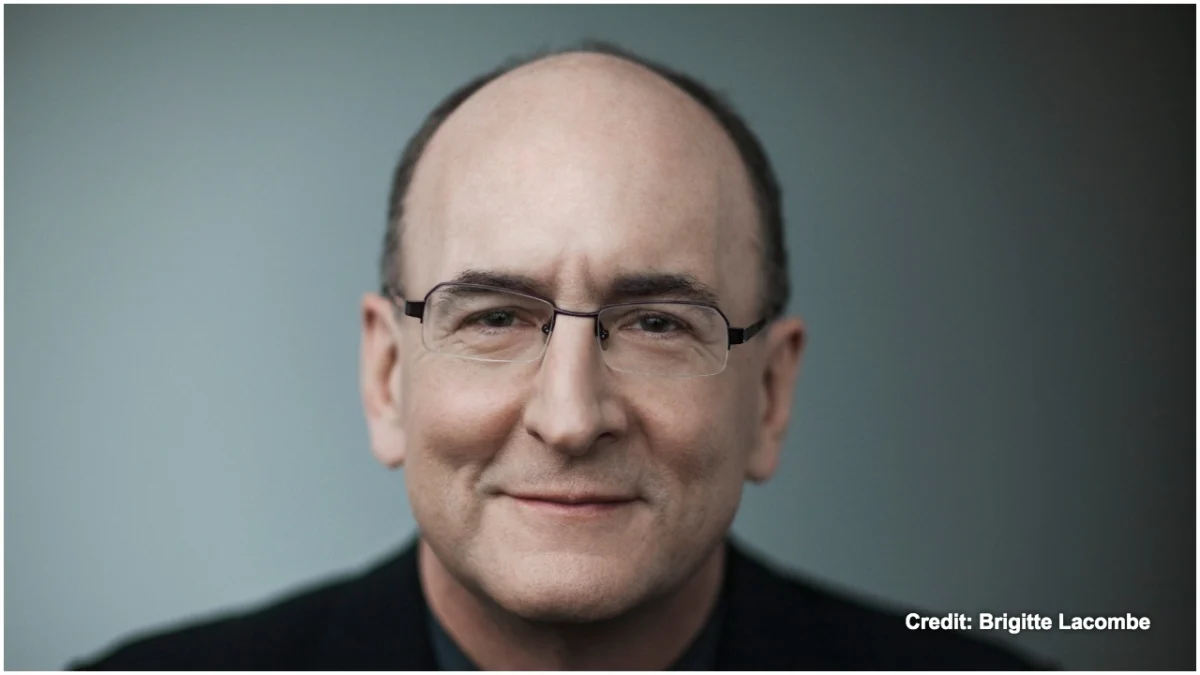
The question of succession at the helm of one of the world’s most prestigious cultural institutions, the Metropolitan Opera, has taken a significant turn. Peter Gelb, the current General Manager, has signaled a strong intention to continue his tenure beyond his current contract, which is set to expire on July 31, 2030. This decision, revealed in a recent in-depth profile by The New York Times, marks a departure from earlier indications that suggested his departure. Gelb, a figure known for his transformative, albeit sometimes controversial, leadership, expressed his desire to remain in his role, contingent upon his health and the continued confidence of the Met’s board of directors.
A Workaholic’s Dedication to the Met
In the extensive New York Times piece, titled "Does Peter Gelb Have ‘the Most Difficult Job on Earth’?", Gelb articulated a deep-seated commitment to his work, a sentiment that appears to fuel his reluctance to step away. He stated, "I should leave when I cannot do the job properly or when the board doesn’t want me to be here. I’m a workaholic, I’ve always worked. I don’t enjoy free time. I wake up in the middle of the night thinking about work. Some people have egos that are so satisfied that they don’t need work. I need work. My life would be empty without work." This candid admission underscores a profound personal connection to the demanding role of leading the Metropolitan Opera, an organization that has faced considerable headwinds during his leadership.
The pronouncements from Gelb come after a period of ambiguity regarding his future. Months prior, he had communicated to the Associated Press that he intended to step down in 2030. However, in the context of the New York Times’ comprehensive examination, Gelb characterized that earlier statement as an "errant remark." This recalibration of his retirement plans suggests a renewed conviction in his ability and desire to steer the Met through its ongoing challenges and future endeavors.
Board’s Unwavering Support for Gelb’s Vision
The Metropolitan Opera’s board of directors appears to be overwhelmingly in favor of Gelb’s continued leadership. Ann Ziff, the Chairman of the Board, expressed unequivocal support, stating that the Met "would be crazy not to try to get another contract from him because of the direction that he’s taken us. He has pulled us through all these crises." Ziff’s endorsement highlights a strong belief in Gelb’s strategic acumen and his capacity to navigate the complex operational and financial landscape of the opera house. She further affirmed, "I have faith in the situation with Peter at the helm."
The New York Times article further revealed that senior members of the board have lauded Gelb’s efforts to modernize and adapt the Metropolitan Opera for a contemporary audience. His initiatives aimed at attracting new demographics and his strategic approach to addressing the company’s persistent financial difficulties have garnered significant praise. The report indicated that a substantial majority of the board members stand behind his leadership, acknowledging his pivotal role in the institution’s survival and evolution.
Prominent figures within the arts and opera world have also weighed in, offering glowing assessments of Gelb’s impact. Deborah Borda, former president of the New York Philharmonic, described Gelb as someone who would be "hard to replace." Similarly, John Allison, editor of Opera Magazine, provided a historical perspective, remarking, "It’s hard to imagine the Met still being with us today if it had continued on the trajectory where it was 25 years ago." These accolades suggest a widespread recognition of Gelb’s instrumental role in averting potential decline and repositioning the Met for continued relevance.
Navigating Financial Storms and Strategic Realignments
Gelb’s tenure, which began in 2006, has been marked by a consistent effort to address the Metropolitan Opera’s substantial financial challenges. The institution has faced periods of significant fiscal strain, including two credit downgrades and substantial draws from its endowment. These financial pressures have necessitated difficult decisions and innovative, sometimes risky, strategies.
One such initiative, a proposed deal with Saudi Arabia, ultimately fell through, reportedly due to geopolitical tensions stemming from the war in Iran. This setback underscores the volatile external factors that can impact major cultural organizations. Furthermore, the once-lucrative "Metropolitan Opera: Live in HD" broadcast series, a significant revenue stream and outreach tool, has reportedly seen its audience numbers dwindle. According to The New York Times, revenues from these cinema screenings are now only sufficient to cover the production costs, indicating a significant shift in audience consumption habits and a need for further adaptation in the media landscape.
Despite these hurdles, Gelb has resisted calls from some board members to consider bankruptcy protection, particularly as the Met faces a $62 million line of credit coming due in February. Gelb has publicly deemed bankruptcy a "last resort," signaling his commitment to exploring all other avenues for financial stability and solvency. This stance reflects a long-term vision for the institution that prioritizes its continued operation and artistic output.
A Timeline of Challenges and Transformations
Gelb’s leadership at the Metropolitan Opera can be viewed through a chronological lens of significant events and strategic shifts:
- 2006: Peter Gelb assumes the role of General Manager, inheriting an institution facing evolving artistic and financial landscapes.
- Early Tenure (Late 2000s – Early 2010s): Gelb initiates ambitious programming and production changes, aiming to attract younger audiences and modernize the Met’s repertoire. This period also sees initial efforts to address financial sustainability.
- Mid-Tenure (2010s): The Met experiences notable financial difficulties, including credit downgrades, prompting discussions about fiscal responsibility and endowment management. The "Live in HD" series gains momentum as a key outreach and revenue generator.
- Late 2010s – Early 2020s: The COVID-19 pandemic presents unprecedented challenges, forcing the closure of the opera house and leading to significant financial losses and operational disruptions. Gelb leads the Met through this crisis, implementing safety protocols and artistic pivots.
- Post-Pandemic Era (2022-2024): The Met navigates a complex recovery phase. Efforts to rebuild audiences and secure financial stability continue. Discussions about Gelb’s future contract arise, with initial reports suggesting a 2030 departure.
- Spring 2026: The New York Times publishes a comprehensive profile, revealing Gelb’s revised stance on retirement, his deep commitment to the role, and the strong support he commands from the Met’s board. This article also highlights ongoing financial pressures and the need for continued strategic adaptation.
Broader Implications for the Arts Landscape
Peter Gelb’s decision to potentially extend his leadership at the Metropolitan Opera has significant implications for the broader arts and opera world. His unwavering commitment, particularly in the face of considerable adversity, suggests a strategic imperative to maintain continuity in a sector that often experiences leadership transitions. The confidence placed in him by the board, echoed by external observers, highlights the value placed on experienced leadership during times of economic uncertainty and evolving cultural consumption patterns.
The challenges faced by the Met—declining revenue from broadcast series, reliance on credit lines, and the ever-present need to innovate—are not unique to this institution. Many major performing arts organizations grapple with similar issues. Gelb’s strategies, whether successful or not, offer case studies for other institutions seeking to adapt and survive. His focus on reinventing the company for a new generation, while simultaneously managing immediate financial pressures, reflects a dual mandate that is increasingly common for arts leaders.
The potential for an extended tenure also raises questions about the pipeline of future leadership. If Gelb continues for an extended period, it may influence succession planning and the development of emerging talent within the opera world. The industry will be watching to see how the Metropolitan Opera, under Gelb’s continued guidance, further navigates its financial landscape and artistic future, setting precedents for other major cultural institutions. His emphasis on personal dedication and his workaholic nature underscore the intense demands of leading a global opera house, a role that requires not just managerial skill but also an almost all-consuming passion. The Met’s ability to secure a new contract with Gelb would signal a vote of confidence in his proven, though challenging, approach to leadership in a highly competitive and demanding artistic environment.