Johan Budi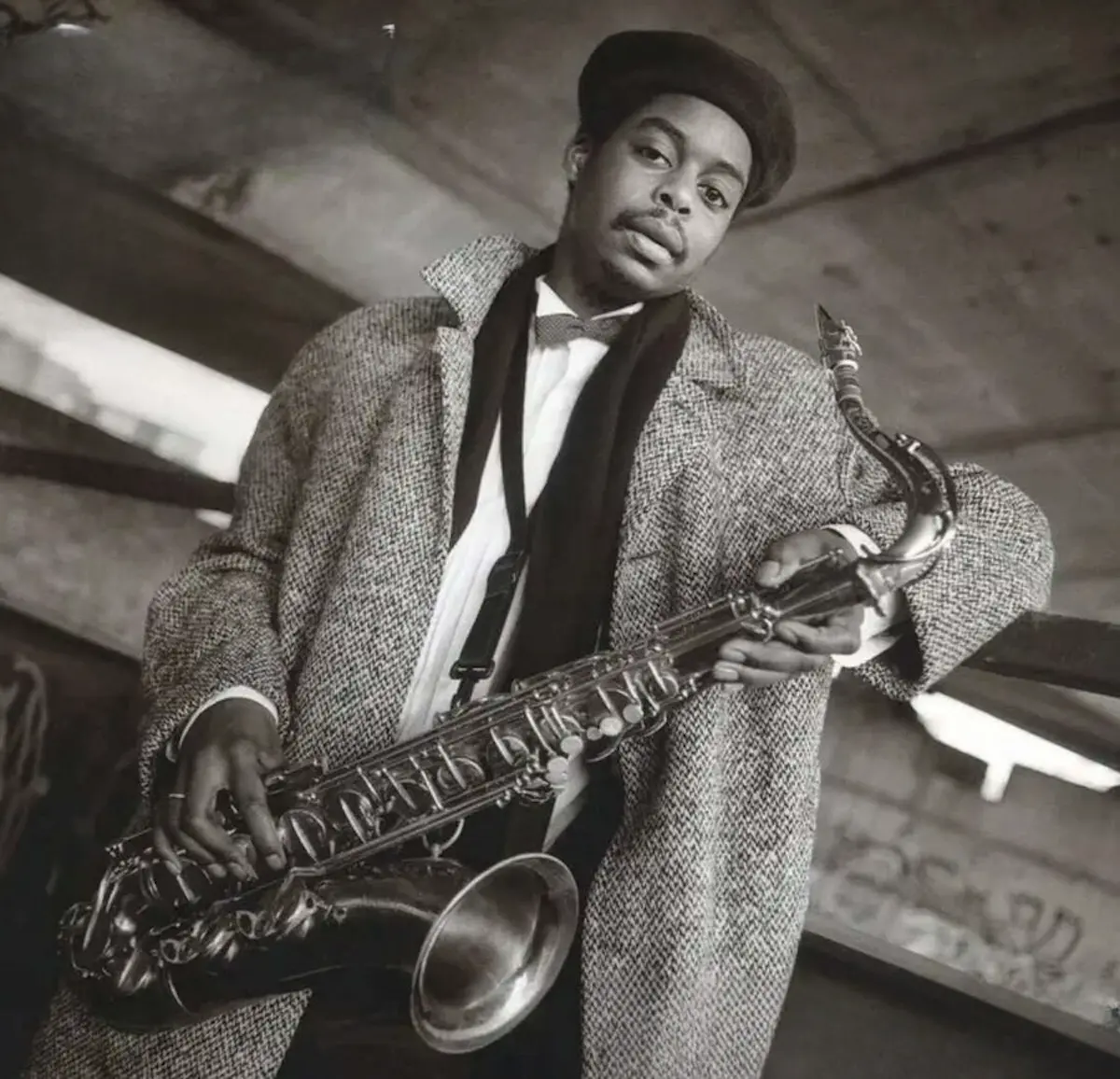
The 1986 iteration of Camden Jazz Week, hosted at London’s Shaw Theatre from March 17 to March 22, served as a pivotal moment for the British jazz scene, showcasing a dichotomy between avant-garde experimentation and a disciplined return to hard bop traditions. The week-long residency captured a period of significant cultural transition, often referred to as the British jazz renaissance, where homegrown talent began to command the same level of critical and commercial attention as their American counterparts. Through the performances of the Loose Tubes big band, the Courtney Pine Quintet, and the legendary Art Blakey and the Jazz Messengers, the festival illustrated the breadth of the genre’s evolution during the mid-1980s.
The Dual Nature of the British Jazz Renaissance
The Monday evening sessions provided a comprehensive look at the two distinct paths being forged by British jazz musicians. On one side was Loose Tubes, a 21-piece collective that challenged the traditional boundaries of big band arrangements. Their performance was described as a "jigsaw vision" of 20th-century music, blending jazz with an array of global influences. The ensemble’s approach was characterized by a "zany cocktail of burlesque and virtuosity," which initially felt at odds with the formal atmosphere of the Shaw Theatre.
To bridge the gap between the performers and the audience, Loose Tubes engaged in a New Orleans-style walkabout, a tactical move that successfully broke the "ice" often present in structured auditoria. Their set list was a testament to reformist zeal, where swing rhythms were integrated with funk, reggae, and incidental music. This eclectic fusion proved that disparate musical forms and a large cast of musicians could operate in harmony, despite the occasional necessity of "roughly contrived harnesses" to link the varying styles.
In contrast to the experimental nature of Loose Tubes, the Courtney Pine Quintet represented the "flip side" of the renaissance. Pine’s ensemble opted for a strictly all-acoustic format, leaning heavily into the aesthetics and soundscapes of the late 1950s and early 1960s. This stylistic choice aligned the band with the "modern jazz chic" of the era, capitalizing on a fashion-forward revival of the Blue Note Records era. While critics noted that this adherence to tradition made the band appear less original than their contemporaries, the technical proficiency of the quintet was undeniable.
Courtney Pine and the Influence of Post-Bop Traditions
Courtney Pine’s emergence in 1986 coincided with a broader cultural fascination with the year 1958, fueled in part by the hype surrounding the film Absolute Beginners. However, Pine’s performance demonstrated that his musical interests extended beyond mere retro-stylings. While polished hard bop served as the foundation, the quintet explored the complex phases of John Coltrane’s career. Pine, acting as a serious disciple of Coltrane, led the band through movements that touched upon both the accessible and the more avant-garde periods of the saxophonist’s work.
The quintet’s depth was further bolstered by pianist Julian Joseph and vocalist Cleveland Watkiss. The piano work drew significant inspiration from McCoy Tyner, providing a robust harmonic framework for Pine’s improvisations. Watkiss, meanwhile, showcased a mastery of jazz vocalese, tracing a lineage from Jon Hendricks to Bobby McFerrin. The repertoire also signaled an exploration of cultural identity, with "ethnic numbers" that saw the band investigating their African roots, suggesting that while the "Blue Note" marketing was effective, the band’s artistic ambitions were rooted in a deeper historical consciousness.
Art Blakey and the Jazz Messengers: A Friday Night Fusion
The festival’s momentum culminated on Friday night with a performance by Art Blakey and the Jazz Messengers. Blakey, a perennial mentor to young jazz talent, presented a lineup featuring a four-horn front line. The evening began with an unconventional opening by Jalal, the founder of the Last Poets, who delivered a "jazz rap." This transitioned into an up-tempo blues featuring trumpeter Terence Blanchard. Blanchard’s performance was noted for its finely honed technique and confident attack, maintaining the high standards set by previous Blakey trumpeters.
Alto saxophonist Donald Harrison also played a central role in the set, though his solo performance of "I Can’t Get Started" received mixed reviews. Despite rapturous applause from the audience, the performance was described as "indeterminate," with Harrison appearing caught between the sentimental requirements of the ballad and a desire for a contemporary reading. This hesitation resulted in several technical "fluffs," highlighting the high-wire act of performing standard repertoire in a modern context.
The Intersection of Jazz and Dance Culture
A significant highlight of the Friday performance was the inclusion of dance troupes, reflecting the growing intersection of jazz and street culture in 1980s London. The "hoofers" group, IDJ (I Dance Jazz), displayed a marked improvement in their professionalism compared to previous years. Their routine was described as slicker and more choreographed, moving away from its raw street origins toward a stage-ready performance. Art Blakey reportedly enjoyed the experience of providing the rhythmic backdrop for the dancers, a testament to his career-long commitment to the genre’s physical and rhythmic roots.
The evening further expanded with the addition of six extra horns for Bobby Watson’s arrangements, including the classic "Moanin’." Watson himself led this augmented section, which featured notable solos from Philip Bent on flute, Gail Thompson on baritone saxophone, and a return appearance by Courtney Pine. The visual and auditory spectacle continued with the Birmingham-based dance group Mahogany, whose "balletic gyrations" graced a rendition of "A Night in Tunisia." This eventually evolved into a "dance jam" featuring both Mahogany and IDJ, before the Messengers concluded the night as a standalone unit.
Chronology of Key Events: Camden Jazz Week 1986
- March 17 (Monday): Opening night featuring the contrast between the 21-piece Loose Tubes and the Courtney Pine Quintet. Focus on the "new" jazz coin of British talent.
- March 18–20: Mid-week sessions featuring various local and international ensembles, establishing the Shaw Theatre as a hub for the London jazz revival.
- March 21 (Friday): Headlining set by Art Blakey and the Jazz Messengers. Features guest appearances by Jalal, IDJ, Mahogany, and an augmented horn section led by Bobby Watson.
- March 22 (Saturday): Closing of the festival, cementing 1986 as a landmark year for the visibility of jazz in the UK mainstream.
Supporting Data and Contextual Analysis
The 1986 Camden Jazz Week occurred at a time when the "jazz revival" was facing a potential market saturation. The success of the event was crucial in determining whether the genre could sustain its newfound commercial viability. According to contemporary reports, the Shaw Theatre, with its capacity of approximately 500, was an intimate but challenging venue for larger ensembles like Loose Tubes. The decision to include dancers and rappers was a strategic attempt to appeal to a younger, more diverse audience that was increasingly influenced by the burgeoning hip-hop and club scenes in London.
Data from the period suggests that Courtney Pine’s involvement was a major draw. His debut album, Journey to the Urge Within, released later that year, would become the first jazz album by a British artist to reach the Top 40 of the UK Albums Chart. The Camden performance acted as a springboard for this success, validating the "marketing" strategies mentioned by critics of the time.
Broader Impact and Implications for British Jazz
The 1986 festival highlighted the tension between jazz as a historical artifact and jazz as a living, evolving art form. While the "Blue Note" aesthetic of the Courtney Pine Quintet suggested a reverence for the past, the "zany" experimentation of Loose Tubes and the inclusion of rap and street dance with Art Blakey pointed toward a genre-blurring future.
The "jazz revival" of the mid-80s in Britain was not merely about music; it was a cultural movement that intersected with fashion, film, and racial identity. The Shaw Theatre performances proved that British musicians were no longer just imitating American styles but were actively contributing to the global jazz dialogue. The collaboration between veteran American masters like Blakey and young British lions like Pine and Bent served as a symbolic passing of the torch.
Ultimately, the 1986 Camden Jazz Week demonstrated the resilience of the genre. Despite fears that the revival market might "go bust," the diversity of the performances—ranging from the structured hard bop of the Messengers to the eclectic "jigsaw" of Loose Tubes—ensured that jazz remained a vital component of the London arts scene. The event solidified the Shaw Theatre’s reputation as a premier venue for the genre and provided a platform for a generation of musicians who would dominate the British jazz landscape for decades to come.