Kholidah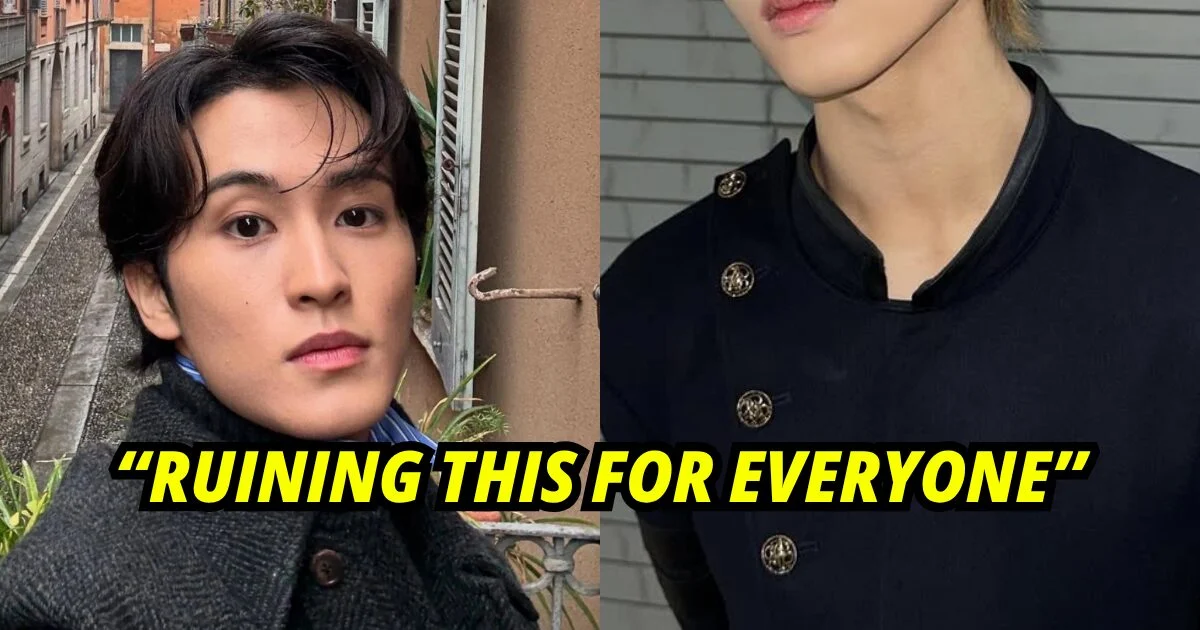
The landscape of the South Korean music industry was significantly altered earlier this year following the official announcement that Mark Lee, a foundational member of the global boy group NCT, would be departing from both the group and his long-time agency, SM Entertainment. The news marked the end of a prolific era for the artist, who had been a cornerstone of multiple subunits, including NCT 127, NCT DREAM, and the supergroup SuperM. While Mark Lee has since transitioned into a solo career, his recent activities and the lingering ties to his former group members have become a focal point of intense public scrutiny and fan discourse.
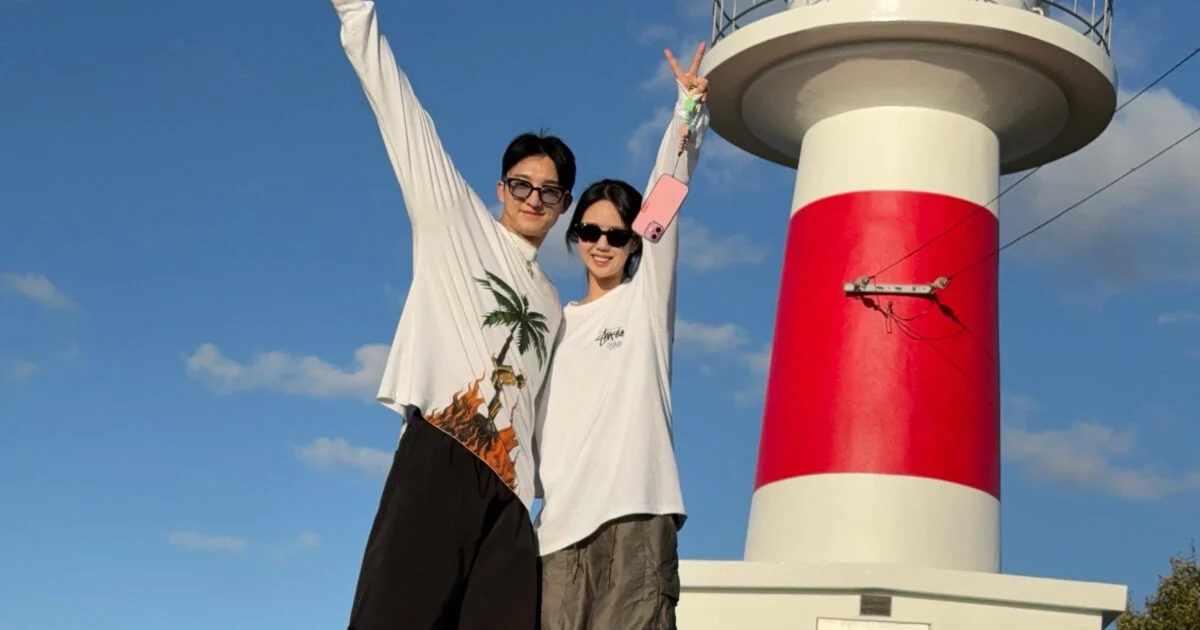
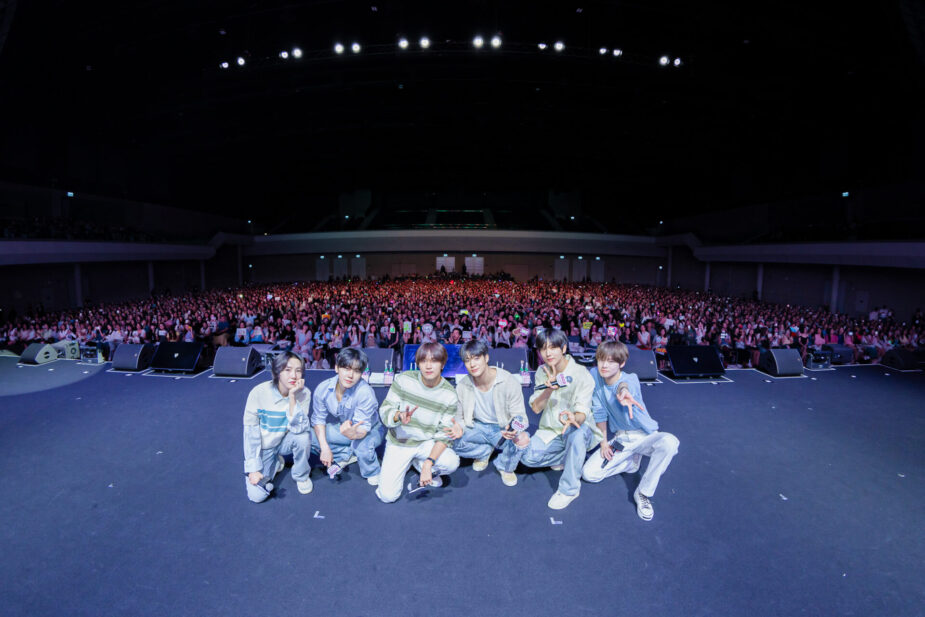
The most recent development in this narrative emerged in early July 2026, when Jisung, the youngest member of NCT DREAM, shared details regarding a private group excursion. Through the fan-communication platform Bubble, Jisung revealed that the members of NCT DREAM had recently taken a vacation to Yangpyeong, a popular retreat destination in Gyeonggi Province. While the group currently promotes as a six-member ensemble, Jisung’s disclosure that the trip consisted of seven individuals immediately led fans to conclude that Mark Lee had joined his former teammates for the getaway. This revelation has reignited discussions regarding the personal and professional boundaries of idols following high-profile departures.
The Context of Mark Lee’s Departure and Solo Transition
Mark Lee’s exit from SM Entertainment in early 2026 was met with widespread shock, despite his long tenure with the company. As one of the most hardworking and visible idols in the industry, his decision to pursue a solo path was seen as a move toward creative independence. However, the transition has not been without significant hurdles. Shortly after establishing his solo brand, Mark became embroiled in a series of controversies that shifted public perception.
Specifically, the artist faced intense backlash regarding what was described as "problematic actions" and the choice of a controversial outfit in a recent promotional update. While the specifics of the attire were debated across social media, the consensus among a vocal segment of the international fanbase was that the choice was culturally insensitive or otherwise inappropriate for an artist of his stature. This controversy created a rift within the fandom, with many long-time supporters expressing disappointment in his judgment as a solo artist, while others continued to defend his creative autonomy.

The Yangpyeong Retreat: A Controversial Reunion
The controversy surrounding Mark’s solo career provided a complex backdrop for Jisung’s recent update. According to Jisung’s messages sent on July 3, 2026, the members of NCT DREAM traveled to Yangpyeong in mid-June. Jisung’s communication style during the reveal was notably hesitant, suggesting an awareness of the potential PR implications of mentioning a former member who is currently navigating a reputational crisis.
"I wonder if I’m allowed to say this… Every time I’m about to say it, I suddenly stop myself," Jisung wrote to fans. He eventually confirmed, "We hung out as seven. We actually hung out as seven."
The term "7Dream" has historically been used by fans to refer to the original, complete lineup of NCT DREAM, including Mark. For many fans, the idea that the bond between the seven men remains intact despite professional changes was initially a source of comfort. However, the timing of the reunion—occurring so closely to Mark’s recent controversies—has led to a polarized reaction within the community.
Analyzing Fan Sentiment: Support vs. Criticism
The reaction to the "7Dream" reunion has highlighted a growing divide in how K-pop audiences perceive the personal lives of idols. On one side of the spectrum, a segment of the "NCTzen" and "Dreamzen" fanbase celebrated the news. These fans argue that a decade of shared history and growth cannot be erased by a change in management or a professional exit. For them, the trip to Yangpyeong serves as a testament to a genuine brotherhood that transcends the rigorous and often artificial constraints of the idol industry.
Conversely, a significant portion of the fanbase expressed frustration and anger. The criticism largely centers on the belief that by associating with Mark during his current period of backlash, the remaining members of NCT DREAM are inadvertently condoning his controversial actions. Some fans expressed that their ability to enjoy "7Dream" content has been tarnished.

"I don’t even know how to describe how i feel about this," one fan shared on social media. "I can’t believe my first instinct when hearing about 7dream isn’t to feel happy anymore. Why did Mark have to [make these mistakes]? I’m so frustrated I can’t even be happy."
Other fans directed their ire toward Mark himself, suggesting that his failure to adequately address his recent controversies is "ruining" the legacy of the group for the other six members who remain under SM Entertainment. This sentiment reflects a broader trend in K-pop where the actions of one individual are often seen as a reflection on the entire collective, regardless of official group status.
The Role of Direct Communication Platforms
The incident also brings into focus the risks and rewards of direct-to-fan communication platforms like Bubble. These apps allow idols to bypass traditional media filters and speak directly to their supporters, creating a sense of intimacy and transparency. However, as seen in Jisung’s case, this transparency can lead to the accidental disclosure of information that a company’s PR department might have preferred to keep private.
Jisung’s subsequent messages appeared to acknowledge the mixed reception of his reveal. Following the initial wave of responses, the idol shared a series of messages that some interpreted as an apology or a clarification, attempting to navigate the difficult balance between being honest with fans and protecting the group’s image. This highlights the immense pressure placed on younger idols to manage the complex social dynamics of a global fanbase.
Chronology of Events and Industry Implications
To understand the weight of this reunion, it is necessary to look at the timeline of Mark Lee’s relationship with NCT DREAM:
- 2016: Mark Lee debuts as the leader of NCT DREAM.
- 2018: Under the original "graduation" system, Mark officially leaves the group upon turning 20.
- 2020: Due to overwhelming fan demand and the group’s massive success, SM Entertainment abolishes the graduation system and reinstates Mark, making NCT DREAM a fixed seven-member unit.
- Early 2026: Mark Lee announces his departure from NCT and SM Entertainment to pursue solo ventures.
- May-June 2026: Mark Lee faces significant backlash over "problematic actions" and stylistic choices in his solo career.
- Mid-June 2026: The seven original members take a private trip to Yangpyeong.
- July 3, 2026: Jisung reveals the 7-person reunion on Bubble, sparking immediate global discourse.
From an industry perspective, this event is unusual. Typically, when a member leaves a high-profile K-pop group, especially under a cloud of controversy or a change in agencies, there is a period of "erasure" where the remaining members and the agency avoid mentioning the departed individual to prevent brand confusion or negative associations. The fact that the NCT DREAM members chose to not only maintain their friendship but also (in Jisung’s case) speak about it publicly suggests a shift in how the "new generation" of idols views their personal autonomy.
Broader Impact on the NCT Brand
The "7Dream" reunion poses a unique challenge for SM Entertainment. As the agency continues to promote NCT DREAM as a six-member unit, public reminders of the seventh member can complicate marketing strategies and fan engagement. Furthermore, if Mark Lee’s solo reputation continues to fluctuate, the agency may face pressure to distance the active group from him more firmly.
However, the enduring popularity of the "7Dream" identity remains a powerful force. For many fans, the seven members represent the heart of the NCT brand. The internal conflict currently felt by the fanbase—the struggle between loving the bond of the seven members and holding an individual accountable for his actions—is a microcosm of the modern K-pop experience.
As Mark Lee continues his solo journey and NCT DREAM prepares for future promotions, the fallout from the Yangpyeong trip serves as a reminder of the complexities of fame in the digital age. While the "7Dream" bond appears to be resilient, the public’s willingness to celebrate that bond is now inextricably tied to how Mark Lee manages his solo career and addresses the criticisms leveled against him. For now, the reunion remains a bittersweet milestone for a fandom caught between nostalgia for the past and the complicated realities of the present.