Aveline Kirana
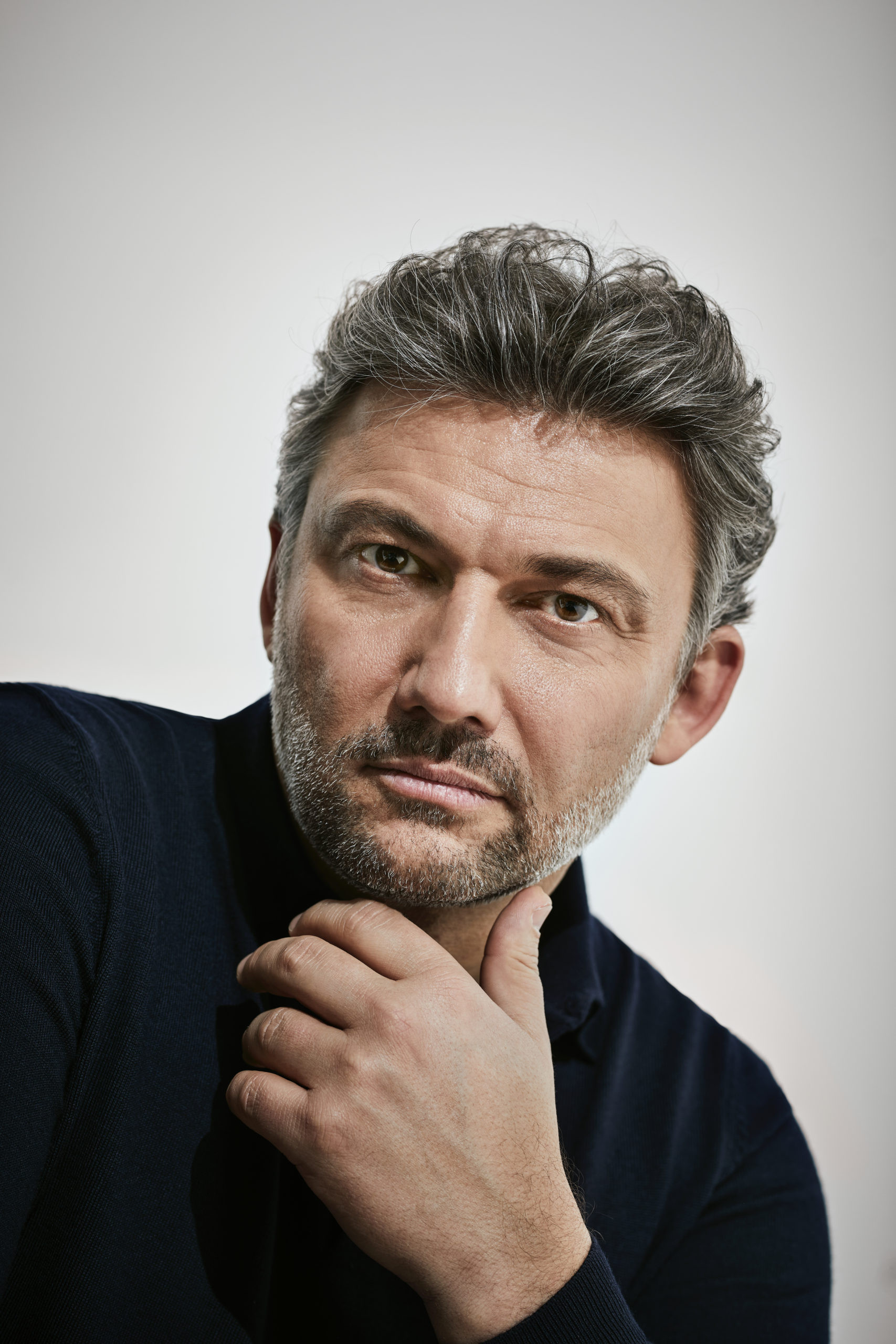
The Teatro di San Carlo in Naples has announced a significant cast alteration for its highly anticipated concert scheduled for July 17th. Renowned German tenor Jonas Kaufmann has been compelled to withdraw from the performance due to indisposition, a decision that has necessitated a last-minute replacement. American tenor Brian Jagde has been engaged to step into the spotlight, joining baritone Ludovic Tézier for an evening of operatic masterpieces. The program is slated to feature a selection of iconic arias and duets from the works of Giuseppe Verdi, Giacomo Puccini, and Amilcare Ponchielli, composers whose music has long been a cornerstone of the operatic repertoire.
This unfortunate cancellation marks the second such occurrence for Kaufmann in quick succession, raising concerns among his devoted following and impacting the operatic calendar. The tenor was recently forced to annul his participation in a recital at the prestigious Bayerische Staatsoper in Munich on July 13th. In that instance, the withdrawal was attributed to a vocal infection, with medical advice strongly recommending a period of rest for his voice. His planned return to the stage is now set for July 22nd at the Puccini Festival in Torre del Lago, a testament to his dedication and a glimmer of hope for audiences eager to witness his celebrated artistry.
Background and Context of the San Carlo Concert
The concert at the Teatro San Carlo was positioned as a highlight of the summer operatic season in Italy, bringing together two of the most sought-after artists in the current operatic landscape. Ludovic Tézier, a French baritone celebrated for his powerful stage presence and nuanced interpretations, was scheduled to share the stage with Kaufmann, whose dramatic intensity and vocal prowess have earned him a global following. The planned program, focusing on the titans of Italian opera, promised an evening of vocal fireworks and emotional depth, appealing to both seasoned opera aficionados and those new to the art form. The Teatro San Carlo, one of the oldest and most esteemed opera houses in the world, boasts a rich history and a commitment to presenting world-class performances, making any deviation from its planned schedule a matter of significant interest.
Chronology of Recent Cancellations and Rescheduling
The series of cancellations involving Jonas Kaufmann paints a picture of a demanding performance schedule and the inherent fragility of the operatic profession, where vocal health is paramount.
- July 13th: Jonas Kaufmann withdraws from a recital at the Bayerische Staatsoper in Munich. The official reason cited is a vocal infection and a doctor’s recommendation for vocal rest.
- July 17th: Kaufmann cancels his appearance at the Teatro San Carlo in Naples due to indisposition, leading to the engagement of Brian Jagde as his replacement.
- July 22nd: Kaufmann is scheduled to perform at the Puccini Festival in Torre del Lago, marking his anticipated return to the stage following these recent cancellations.
This timeline highlights the immediate impact of vocal health on performance schedules and the logistical challenges faced by opera houses in securing suitable replacements for high-profile artists.
Brian Jagde: A Capable Replacement
The selection of Brian Jagde to replace Kaufmann is a strategic one, demonstrating the Teatro San Carlo’s ability to react swiftly and effectively to unforeseen circumstances. Jagde is no stranger to the Neapolitan stage, having recently graced the Teatro San Carlo with his performance in Puccini’s epic opera, "Turandot." His familiarity with the venue and its acoustic qualities will undoubtedly contribute to a seamless integration into the concert program.
Jagde’s upcoming schedule further underscores his stature as a leading tenor of his generation. He is also slated to perform this summer at the Arena di Verona, another iconic Italian venue renowned for its large-scale opera productions, and will participate in the Puccini Festival, mirroring Kaufmann’s planned engagement there. This shared itinerary suggests a vibrant community of artists and a dynamic exchange of talent across leading operatic institutions. Jagde’s recent successes and his established presence in major operatic centers position him as a highly credible and exciting alternative for the San Carlo audience.
Supporting Data and Industry Implications
The impact of artist cancellations on opera houses extends beyond the immediate logistical hurdles. Ticket sales are often heavily influenced by the names of star performers, and a last-minute change can lead to a reassessment of audience expectations and, in some cases, a dip in attendance. However, the Teatro San Carlo’s proactive approach in securing a tenor of Jagde’s caliber mitigates potential negative financial repercussions.
Furthermore, the recurrence of such cancellations for prominent singers like Kaufmann raises broader questions about artist well-being, the pressures of a global touring schedule, and the importance of robust artist health management. The opera industry, like many performing arts sectors, relies on the physical and vocal resilience of its artists. Events like these can prompt discussions within artistic and administrative circles about tour pacing, the availability of adequate rest periods, and the development of comprehensive support systems for singers.
The engagement of Brian Jagde also highlights the interconnectedness of the international opera circuit. The ability of one house to draw upon the talent roster of another, and the willingness of artists to adapt their schedules to meet the needs of different institutions, are crucial for the continued vibrancy of operatic performance worldwide.
Official Responses and Inferred Statements
While the Teatro San Carlo’s announcement was concise, its implications resonate deeply within the operatic community. The statement, "due to indisposition," is a standard and professional way to communicate an artist’s inability to perform, respecting their privacy while informing the public. One can infer that the management of the Teatro San Carlo, while undoubtedly disappointed, has maintained a professional and understanding stance regarding Kaufmann’s health.
Similarly, the quick confirmation of Brian Jagde’s participation suggests a smooth and collaborative dialogue between the tenor’s representatives, the Teatro San Carlo, and potentially other entities with whom Jagde had prior commitments. The promptness of this announcement serves to reassure ticket holders and maintain confidence in the venue’s ability to deliver high-quality programming.
It is also reasonable to infer that Jonas Kaufmann, despite his current health challenges, would have expressed his sincere regrets to the Teatro San Carlo and its audience. Artists of his stature typically value their commitments and are deeply disappointed when unforeseen circumstances prevent them from performing. His focus on returning to the stage at the Puccini Festival indicates a determined effort to overcome his current indisposition and reconnect with his audience.
Broader Impact and Analysis
The recent schedule disruptions involving Jonas Kaufmann serve as a salient reminder of the human element at the heart of the performing arts. While the grandeur of opera often lies in its larger-than-life narratives and spectacular productions, the artists who bring these stories to life are individuals subject to the same vulnerabilities as anyone else.
The substitution of Brian Jagde for Jonas Kaufmann at the Teatro San Carlo, while a change in personnel, does not diminish the artistic merit of the planned concert. Jagde is a tenor of considerable talent and experience, and his presence ensures that the audience will still be treated to a night of exceptional vocal performance. The program, featuring the works of Verdi, Puccini, and Ponchielli, remains intact, promising an evening of beloved operatic repertoire.
This situation also offers an opportunity to appreciate the resilience and adaptability of opera companies. The swift and efficient management of such unexpected cast changes is a testament to the professionalism and dedication of the administrative and artistic teams within these institutions. Their ability to navigate such challenges ensures that the magic of opera continues to enchant audiences, even in the face of unforeseen circumstances. The forthcoming performances at the Puccini Festival and the Arena di Verona will be closely watched, as they will likely provide further insights into Kaufmann’s recovery and Jagde’s continued ascent on the international stage. The opera world, ever dynamic, continues to adapt, with artists and institutions working in concert to preserve the art form’s enduring appeal.


![Sijya announces Leather and Brass [Retrofitted] EP, shares Do I Know [Rachika Nayar Edit]: Listen](https://empire-music.net/wp-content/uploads/2026/09/sijya-announces-leather-and-brass-retrofitted-ep-shares-do-i-know-rachika-nayar-edit-listen.webp)