Aveline Kirana
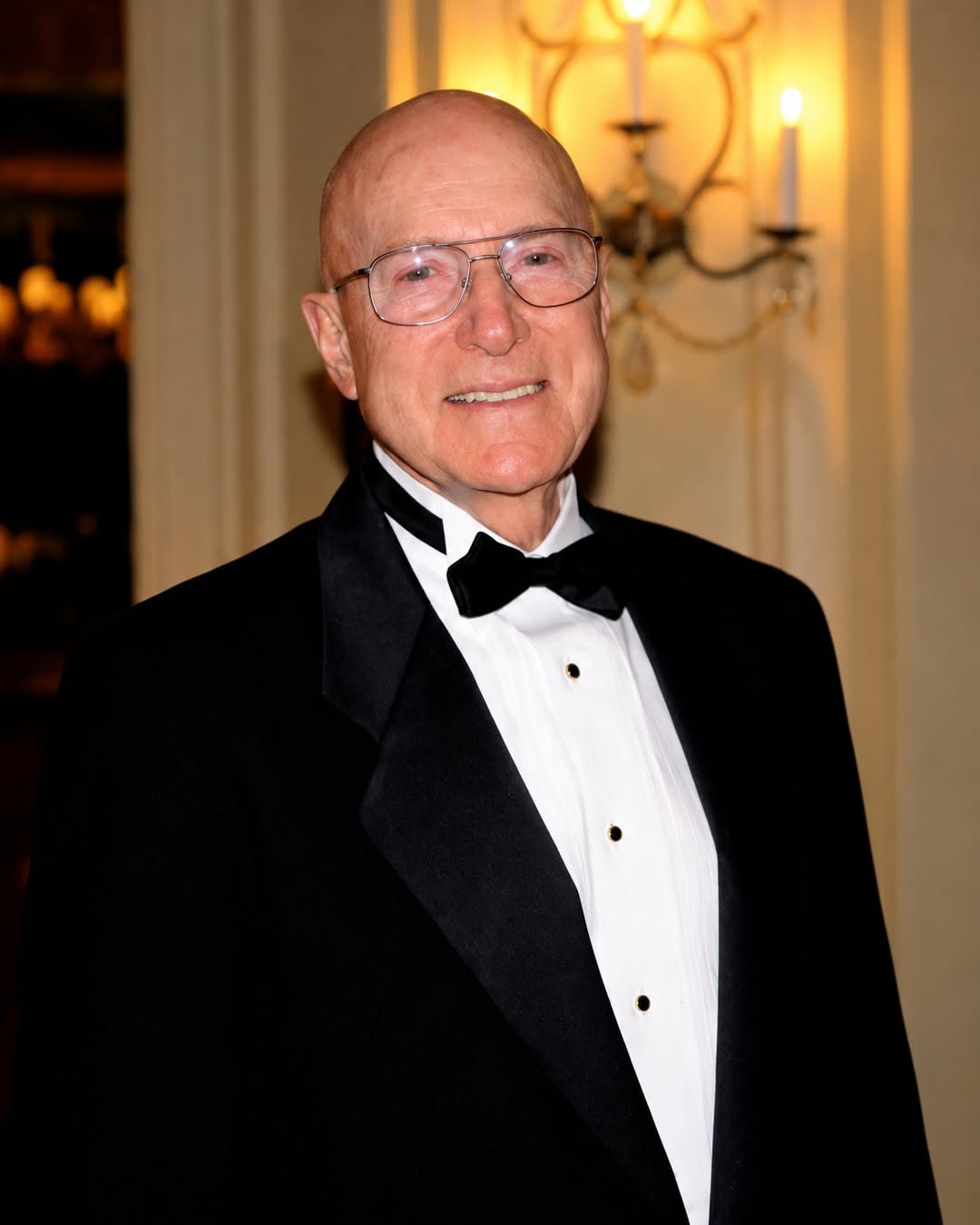
The New Orleans Opera Association mourns the passing of Joseph Young Jr., a distinguished figure whose lifelong dedication and transformative leadership left an indelible mark on the organization and the broader cultural landscape of New Orleans. Young, who passed away at the age of 96, was celebrated not only for his extensive service but also for his visionary approach to fundraising, outreach, and the overall administration of the opera. His passing marks the end of an era for an institution he so profoundly shaped.
A Legacy of Vision and Service
Born in 1929, Joseph Young Jr. was a man of exceptional vision and unwavering commitment. His tenure with the New Orleans Opera Association was characterized by a deep understanding of its needs and a remarkable capacity to translate those needs into concrete action. He was posthumously honored as the first Board Member Emeritus, a testament to the extraordinary and sustained contributions he made throughout his long association with the company.
During his leadership as President of the New Orleans Opera Association, Young often shouldered responsibilities that extended far beyond the typical scope of a board president. He effectively served in a dual capacity, acting as both President and a de facto Executive Director. This comprehensive involvement meant he was directly responsible for critical areas such as fundraising, community outreach, and a significant portion of the non-staged administrative operations that are vital to the functioning of any performing arts organization. His hands-on approach ensured that the Opera not only survived but thrived, navigating complex financial landscapes and expanding its reach within the community.
Innovations That Endured
Young’s innovative spirit was instrumental in the development of key programs and initiatives that continue to be pillars of the New Orleans Opera Association’s engagement with its supporters. Among his most significant achievements were the conceptualization and implementation of donor organizations such as the Mastersigners and the Opera Club. These initiatives were not merely fundraising vehicles; they were designed to cultivate deeper relationships with patrons, foster a sense of community among opera enthusiasts, and provide essential financial support that fueled artistic programming and operational stability.
The Mastersigners, for instance, likely represented a tier of significant benefactors, individuals or entities whose substantial contributions enabled the Opera to undertake ambitious productions and ambitious artistic endeavors. The Opera Club, as described by those close to Young, played a crucial role in broadening the base of support and making opera more accessible and engaging to a wider audience.
Bill Coe, a close friend and a longtime supporter of the New Orleans Opera, eloquently described the impact of Young’s efforts. "By sheer will of his personality, he made the ‘men’s club’ of the Opera a great success, providing a great source of (new association) membership for Opera enthusiasts," Coe remarked. This statement highlights Young’s ability to connect with people on a personal level, transforming what might have been a more exclusive group into a dynamic and inclusive community that actively contributed to the Opera’s growth and vitality. Coe’s words also underscore Young’s innate talent for community building, a skill that proved invaluable to the organization.
A Character of Loyalty and Humility
Beyond his professional accomplishments, Joseph Young Jr. was widely admired for his personal qualities. His loyalty to his friends was legendary, a characteristic that fostered deep and lasting bonds. He possessed a remarkable ability to see the best in people, consistently seeking to uplift and inspire those around him. "He was incredibly loyal to his friends. He was always looking for the good things in people, and he was always trying to make the people around him better people," Coe elaborated. This inherent goodness and his desire to foster positive growth in others were central to his character and his approach to leadership.
Young’s commitment to civic engagement was driven by a profound desire to improve the organizations he served. He believed in the power of collective action and actively sought to involve others in his endeavors. Crucially, his motivation was never about personal recognition or aggrandizement. "He would get involved in various civic activities with the goal of improving whatever organization he was working with. He wanted to get people involved, and he would never join any effort to highlight himself. He would always think of the good of the organization, never needing any recognition," Coe emphasized. This selfless dedication speaks volumes about his integrity and his unwavering focus on the mission of the New Orleans Opera.
A Force Multiplier for the Opera
Jay Gulotta, the current President of the New Orleans Opera Association, echoed the sentiments of admiration and loss, underscoring Young’s unique contributions. "Joe had a gift for relationships," Gulotta stated. "For an organization like the Opera, his ability to attract friends and supporters was itself a gift. It was a force multiplier that extended beyond his personal generosity—which itself was extraordinary." This recognition of Young’s "gift for relationships" is particularly pertinent in the context of arts organizations, which are often heavily reliant on the cultivation of strong community ties and philanthropic support. His ability to forge connections and inspire patronage was, as Gulotta aptly puts it, a "force multiplier," amplifying the Opera’s capacity to achieve its artistic and financial goals.
Gulotta’s poignant observation that "Joe is irreplaceable. He will be missed by all who knew him," encapsulates the profound void left by Young’s passing. His unique blend of strategic vision, administrative acumen, personal warmth, and selfless dedication made him an invaluable asset to the New Orleans Opera.
The Broader Context of Cultural Philanthropy
The passing of Joseph Young Jr. comes at a time when cultural institutions, particularly performing arts organizations, are navigating an increasingly complex landscape. The sustained success of an opera company, for instance, hinges on a delicate balance of artistic excellence, robust community engagement, and stable financial backing. Young’s multifaceted approach addressed these critical needs with remarkable efficacy.
The period during which Young was most active likely coincided with significant shifts in philanthropic trends and the economic realities facing arts organizations. His innovative fundraising strategies, such as the Mastersigners and the Opera Club, were likely developed in response to these evolving dynamics, demonstrating a forward-thinking mindset that ensured the Opera’s resilience. The emphasis on cultivating a broad base of support, not just from major donors but also from engaged enthusiasts, was a smart strategy for long-term sustainability.
Furthermore, Young’s role in effectively acting as both President and a de facto Executive Director highlights a common challenge faced by many non-profit organizations, especially those with limited resources. His willingness to dedicate himself so fully to the operational aspects of the Opera, beyond the traditional governance role, underscores a deep personal investment in its success. This level of commitment is rare and invaluable.
Looking Ahead: The Enduring Impact
The legacy of Joseph Young Jr. at the New Orleans Opera Association is one of profound impact and enduring influence. The initiatives he championed continue to serve as vital components of the organization’s operational framework and its relationship with its supporters. His innovative fundraising models have likely provided a blueprint for sustained financial health, while his emphasis on community engagement has fostered a culture of shared passion for opera.
His passing serves as a reminder of the critical role that dedicated individuals play in the survival and flourishing of cultural institutions. The New Orleans Opera Association, and indeed the wider New Orleans community, owes a debt of gratitude to Joseph Young Jr. for his decades of service, his visionary leadership, and his unwavering commitment to the arts. His memory will undoubtedly continue to inspire future generations of leaders and supporters to uphold the vibrant tradition of opera in the city. The organization’s ability to attract and retain devoted patrons, a testament to his skill in fostering relationships, will continue to be a crucial factor in its future endeavors. The lessons learned from his selfless dedication and strategic foresight will undoubtedly guide the New Orleans Opera as it moves forward, honoring his remarkable contributions by continuing its mission to bring world-class operatic experiences to the public.