 Reynand Wu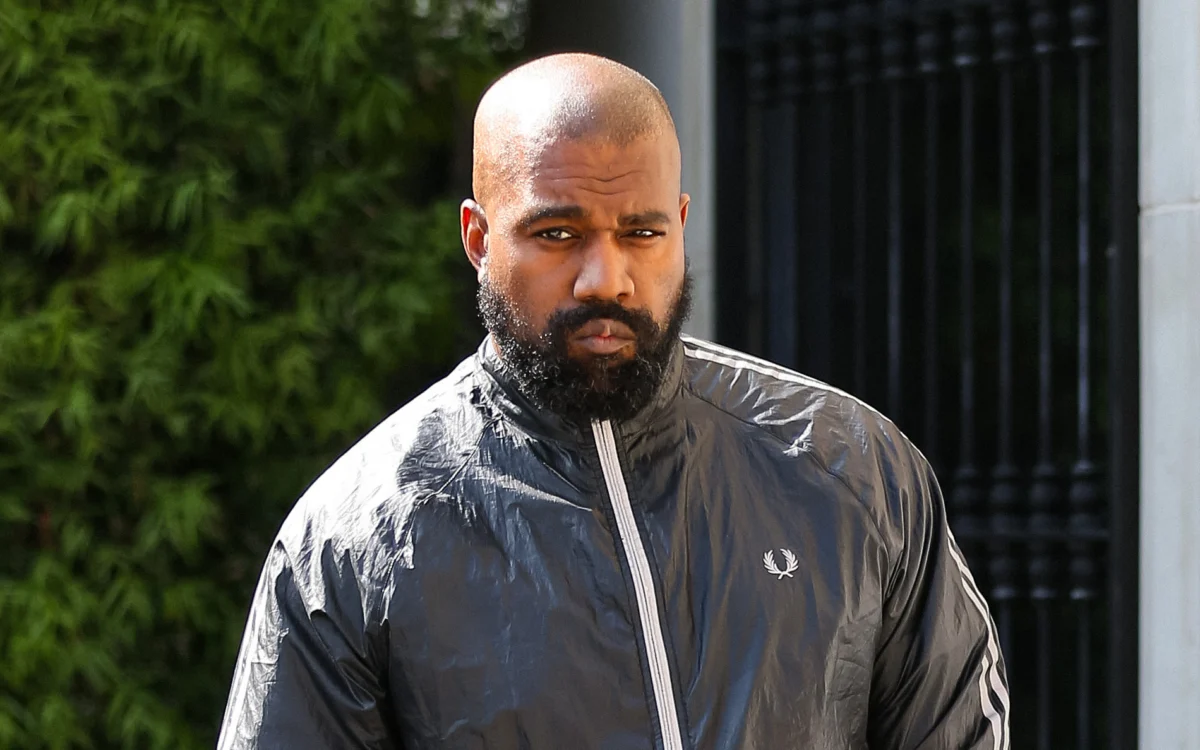
Wireless Festival, one of the United Kingdom’s premier urban music events, has been abruptly canceled following a pivotal decision by the UK Home Office to deny entry to its sole headliner, the internationally renowned artist Kanye West, also known as Ye. The London-based rap and R&B festival announced the cancellation in a statement issued on Tuesday, April 7, confirming that the Home Office’s ban on Ye entering the United Kingdom left organizers with no alternative. All ticket holders have been assured an automatic full refund, a measure aimed at mitigating the immediate disappointment and financial inconvenience for thousands of eager festival-goers.
The Unprecedented UK Ban
The denial of entry for an artist of Kanye West’s stature, especially one booked to headline a major festival, marks a significant and rare intervention by the British government. The Home Office’s decision was predicated on the grounds that West’s presence in the country would "not be conducive to the public good." This legal provision grants the government broad powers to refuse entry to individuals deemed a threat to public order, national security, or those whose past conduct suggests their presence would be detrimental to societal harmony. For Ye, this ruling came after a period of intense public scrutiny and widespread condemnation stemming from a series of antisemitic and pro-Nazi comments he made in recent years.
A Festival in Crisis: The Road to Cancellation
The cancellation of Wireless Festival represents the culmination of mounting pressure on its organizers, Festival Republic, to reconsider their booking of Ye. The controversy began to boil over as news of his headlining slot became public, reigniting concerns about his past rhetoric. Wireless Festival, celebrated for its vibrant lineup and drawing tens of thousands of attendees annually, found itself in an unprecedented predicament, caught between contractual obligations and escalating public outrage.
The festival was scheduled to take place over three nights—July 10, 11, and 12—with Ye slated to headline each evening. This ambitious booking, intended to be a major draw, instead became a lightning rod for criticism. Major corporate sponsors, including global brands like Pepsi, PayPal, and Diageo, began to withdraw their support in protest of Ye’s involvement. This exodus of sponsors signaled a severe financial and reputational crisis for the festival, as these partnerships are vital for funding and legitimizing large-scale events. Beyond corporate pressure, prominent political figures also voiced their disapproval. Prime Minister Sir Keir Starmer publicly described the decision to book Ye as "deeply concerning," adding significant weight to the calls for his removal.
Kanye West’s Controversies: A Timeline of Backlash
To understand the Home Office’s decision and the intensity of the public backlash, it is crucial to revisit the timeline of Kanye West’s controversial statements. The artist’s public image began to shift dramatically in late 2022 when he made a series of inflammatory remarks that quickly drew widespread condemnation.
- October 2022: West wore a "White Lives Matter" shirt at Paris Fashion Week, a slogan associated with white supremacist groups, sparking immediate outrage.
- October 2022: Following criticism, he posted on social media that he was going "death con 3 On JEWISH PEOPLE," an antisemitic threat that led to his accounts being restricted on platforms like Twitter and Instagram.
- December 2022: In an interview on Alex Jones’s InfoWars, West openly praised Adolf Hitler, stating, "I see good things about Hitler," and denied the Holocaust. He also made numerous other antisemitic comments throughout the interview, claiming to "like Nazis."
- Ongoing: Throughout this period, West continued to disseminate conspiracy theories, often targeting the Jewish community, and reiterated his admiration for figures associated with white nationalism and antisemitism.
These statements led to the termination of lucrative partnerships with brands such as Adidas, Gap, and Balenciaga, costing West billions of dollars and significantly impacting his business empire. Despite these repercussions, the artist offered sporadic, often ambiguous, apologies, which many critics deemed insufficient or insincere, especially when followed by further problematic remarks.
The Home Office’s Stance: "Not Conducive to the Public Good"
The Home Office’s decision was not made in isolation but was a direct response to Ye’s application to travel to the UK. According to reports, including one from the BBC, Kanye West submitted an Electronic Travel Authorisation (ETA) application on Monday, April 6. The ETA system, a digital permission required for visa-exempt foreign nationals to enter the UK, is designed to enhance border security and identify potential threats before arrival. The Home Office meticulously scrutinizes such applications, considering an applicant’s criminal history, past behavior, and any factors that might pose a risk to public safety or good order.
In Ye’s case, his widely publicized antisemitic and pro-Nazi rhetoric, which had already caused significant social unrest and condemnation globally, was clearly deemed to cross the threshold of "not conducive to the public good." This phrase is a standard legal ground used by immigration authorities to deny entry to individuals whose presence is considered undesirable, whether due to criminal records, extremist views, or actions that could incite hatred or division within the UK. The decision underscores the UK government’s firm stance against hate speech and its commitment to protecting its diverse communities from individuals perceived to promote intolerance.
Kanye’s Eleventh-Hour Appeal and Community Response
As the pressure mounted and the likelihood of a ban loomed, Kanye West attempted a last-ditch effort to salvage his Wireless Festival performances and, perhaps, his tarnished public image. Earlier on the day of the ban (Tuesday, April 7), he issued a statement addressing the backlash. In it, he promised that his "only goal is to present a show of change" and to "bring unity, peace and love through my music." He also extended an offer to meet with "members of the Jewish community in the UK in person, to listen."
This offer, however, was met with a cautious and conditional response from the Board of Deputies of British Jews, a leading voice for the Jewish community in the UK. They stated, "We are willing to meet Kanye West as part of his journey of healing, but only after he agrees not to play the Wireless Festival this year." Their condition highlighted the community’s deep concern that performing at such a high-profile event would provide an inappropriate platform for an individual who had caused so much distress, regardless of any stated intentions for reconciliation. The Home Office’s subsequent ban rendered the Board’s condition moot, as West was no longer able to enter the country to perform.
Festival Republic’s Initial Defense of Booking
Prior to the Home Office’s intervention and the festival’s ultimate cancellation, Melvin Benn, the managing director of Festival Republic, the company behind Wireless Festival, had publicly defended the decision to book Kanye West. His defense illustrated the complex ethical and commercial dilemmas faced by festival organizers.
Benn acknowledged the gravity of Ye’s past statements, asserting, "What Ye has said in the past about Jews and Hitler is as abhorrent to me." However, he argued that Ye’s music was widely available and played on commercial radio stations and streaming platforms in the UK, suggesting that if his music was acceptable, his performance should also be. He emphasized that the festival was "not giving him a platform to extol opinion of whatever nature, only to perform the songs that are currently played on the radio stations in our country and the streaming platforms in our country and listened to and enjoyed by millions."
Benn further appealed to principles of "forgiveness and giving people a second chance," suggesting these virtues were "becoming a lost virtue in this ever-increasing divisive world." He urged people to "reflect on their instant comments of disgust at the likelihood of him performing (as was mine) and offer some forgiveness and hope to him as I have decided to do." This stance, while rooted in a desire for reconciliation and artistic freedom, ultimately proved untenable in the face of overwhelming public, political, and corporate opposition, and the decisive action of the Home Office.
Financial and Reputational Fallout
The cancellation of Wireless Festival carries significant financial and reputational consequences for all parties involved. For Festival Republic, the logistical nightmare of canceling a major event just months before its scheduled date is immense. While ticket holders are promised full refunds, the festival will incur substantial non-recoverable costs related to production, marketing, staffing, and venue hire. Insurance policies may cover some losses, but the operational disruption and potential long-term damage to the festival’s brand are considerable. The withdrawal of major sponsors also indicates a loss of future revenue streams and partnership opportunities.
For the city of London, the cancellation means a loss of economic activity typically generated by such large-scale events, including tourism revenue, hospitality sector boosts, and employment for temporary staff. Thousands of attendees who had made travel and accommodation arrangements will also face personal losses, despite ticket refunds.
Kanye West himself faces further damage to his global touring prospects. The UK ban sets a precedent and signals that other nations may adopt similar policies, potentially limiting his ability to perform internationally. This adds to the already significant financial and reputational costs he has incurred since his controversial remarks.
Broader Implications for the Music Industry
This incident has profound implications for the wider music industry, especially concerning artist bookings, corporate responsibility, and the delicate balance between artistic freedom and social accountability.
- Artist Vetting: Festivals and promoters will likely implement more rigorous vetting processes for headliners, particularly those with a history of controversial statements. The pressure from sponsors and the public demands a higher standard of social responsibility from artists and the platforms that host them.
- Corporate Sponsorship: The rapid withdrawal of major sponsors highlights the increasing sensitivity of brands to the public image and values associated with the events they fund. Companies are under greater pressure from consumers and activists to align their sponsorships with ethical principles.
- Freedom of Speech vs. Public Good: The case reignites debates about the limits of artistic freedom and where it intersects with hate speech or rhetoric deemed "not conducive to the public good." While artists have a right to express themselves, governments and event organizers are increasingly drawing lines when such expression is perceived to incite hatred or division.
- Precedent for Future Bans: The UK Home Office’s decision could serve as a precedent, encouraging other countries to adopt similar measures against artists or public figures whose rhetoric is deemed harmful or undesirable.
A Contrast with US Reception
Interestingly, the reception to Kanye West in his home country, the United States, has been somewhat different. Despite the controversies, Ye recently performed two sold-out shows at Los Angeles’ SoFi Stadium in support of his new album, Bully. These concerts featured a number of high-profile special guests, including Lauryn Hill, Travis Scott, and Don Toliver, indicating that a significant portion of his fanbase and some industry peers continue to support or at least engage with his music and performances. While he has faced criticism and lost partnerships in the US, the government has not imposed a ban on his public appearances or travel within the country. This stark contrast highlights the differing legal frameworks, cultural sensitivities, and public tolerance levels for controversial figures across various nations.
The cancellation of Wireless Festival due to Kanye West’s UK ban serves as a stark reminder of the evolving landscape where artistic expression, corporate interests, and governmental authority intersect with societal expectations of decency and public good. The incident will undoubtedly prompt a re-evaluation of booking policies, risk management, and ethical considerations across the global music festival circuit.