 Reynand Wu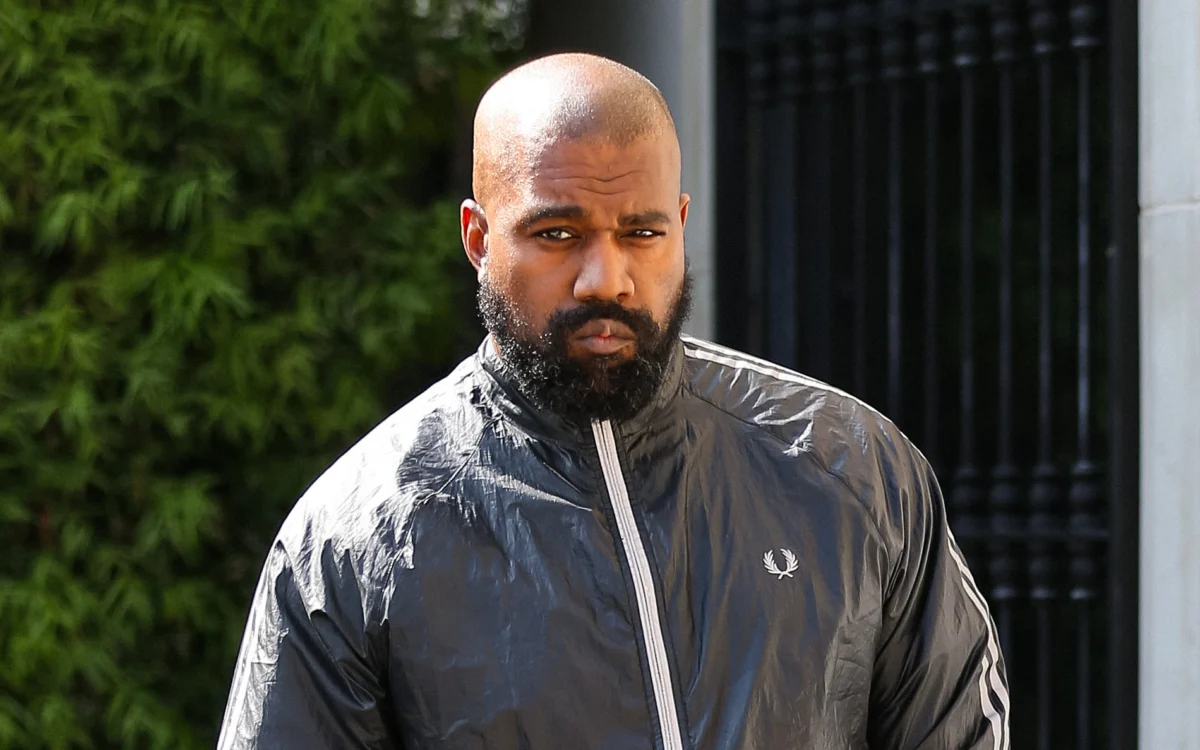
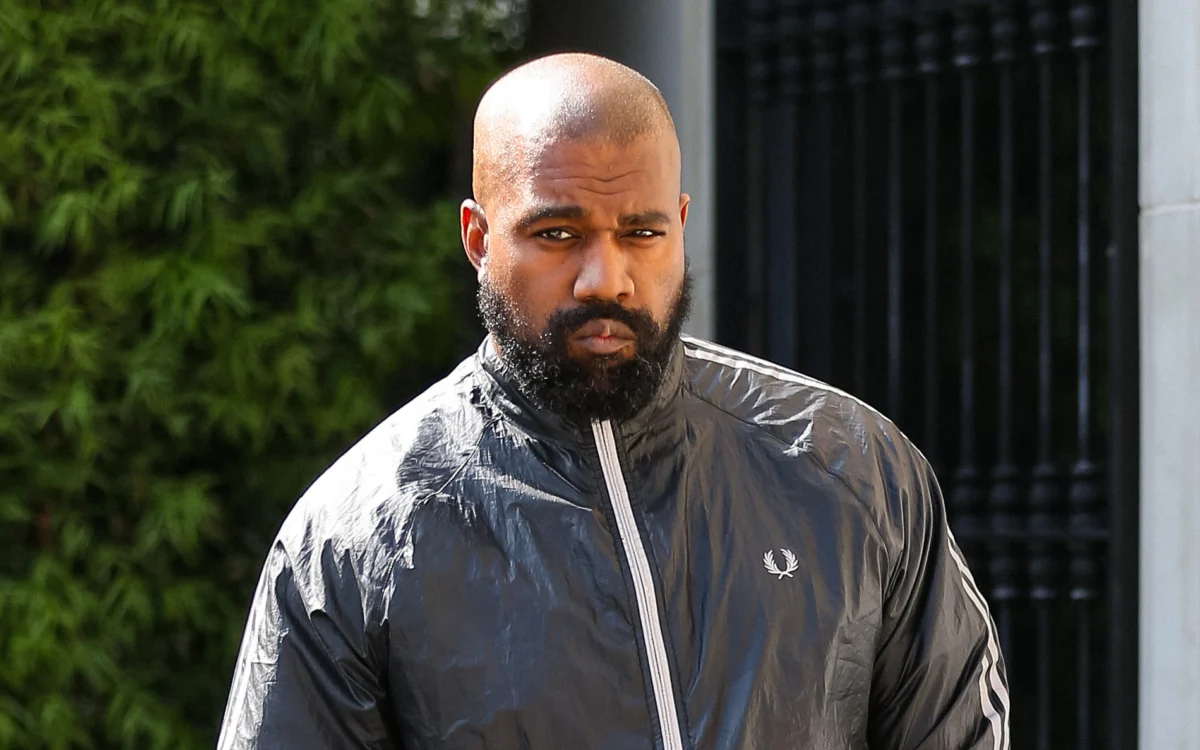
Wireless Festival, one of the United Kingdom’s premier urban music events, has been abruptly canceled after its designated headliner, the globally renowned artist Kanye West (who legally changed his name to Ye), was denied entry into the UK by the Home Office. The London-based rap and R&B festival made the somber announcement on Tuesday, April 7, stating: “As a result of the Home Office banning YE from entering the United Kingdom, Wireless Festival has been forced to cancel. All ticket holders will receive an automatic full refund.” This unprecedented decision sends significant ripples through the music industry, raising profound questions about artistic freedom, accountability for public figures, and the stringent immigration policies governing entry into sovereign nations.
The Genesis of Controversy: Ye’s Recent Public Statements
The cancellation stems from a protracted period of intense scrutiny and widespread condemnation directed at Ye following a series of antisemitic and pro-Nazi comments he made across various platforms in recent years. These remarks, which began to escalate in late 2022, included controversial statements on social media, during interviews, and on podcasts, often incorporating conspiracy theories and hateful rhetoric. For example, in October 2022, Ye posted an antisemitic message on X (formerly Twitter), leading to his account being temporarily restricted. He further exacerbated the situation by praising Adolf Hitler and denying the Holocaust during an appearance on Alex Jones’s InfoWars in December 2022. These utterances led to immediate and severe consequences, including the termination of his lucrative partnerships with major brands such as Adidas, Gap, and Balenciaga, costing him billions and significantly impacting his business empire. His public persona underwent a dramatic shift from a celebrated musical innovator and fashion mogul to a highly controversial figure facing widespread ostracization.
Wireless Festival’s Decision and Mounting Pressure
Despite the global backlash and Ye’s diminished commercial standing, Wireless Festival, organized by Festival Republic, made the controversial decision to book him as the sole headliner for all three nights of its upcoming event, scheduled for July 10, 11, and 12. This booking immediately ignited a firestorm of criticism from various sectors, including major sponsors, anti-hate campaign groups, and prominent political figures. The booking was perceived by many as providing an unwarranted platform to an individual whose recent rhetoric had caused significant harm and distress to Jewish communities worldwide.
The pressure on Wireless Festival intensified dramatically in the days leading up to the cancellation. Key financial backers began to withdraw their support. Brands like Pepsi, PayPal, and Diageo, all major players in event sponsorship, publicly announced their decision to pull out. For a festival of Wireless’s magnitude, sponsor withdrawal can represent a substantial blow, often making the event financially unviable. These companies cited their commitment to inclusivity and rejection of hate speech as reasons for their disassociation, highlighting the growing corporate responsibility to align with ethical standards.
Beyond corporate withdrawals, campaign groups such as the Campaign Against Antisemitism and the Board of Deputies of British Jews vehemently protested Ye’s inclusion, urging the festival to reconsider and calling on the Home Office to prevent his entry into the country. These groups emphasized the potential for his presence to embolden antisemitic sentiment and cause further pain to victims of hate speech. The public discourse quickly transcended mere artistic preference, evolving into a critical debate about moral responsibility and the limits of free expression.
Adding significant weight to the opposition, political figures also voiced their concerns. Prime Minister Sir Keir Starmer publicly called the booking "deeply concerning," signaling a high-level government disquiet regarding the potential implications of Ye’s performance. Such political interventions are rare in matters of festival bookings and underscored the gravity of the situation.
The Home Office Intervention: "Not Conducive to the Public Good"
The decisive blow came from the UK Home Office. On Monday, April 6, Ye made an application to travel to the UK, likely through an Electronic Travel Authorisation (ETA) or a similar visa process. The Home Office, responsible for immigration control and security, swiftly rejected his application on the grounds that his presence in the country "would not be conducive to the public good."
This legal provision grants the Home Secretary broad powers to refuse entry to individuals whose presence is deemed detrimental to UK society, public safety, or national interests. It has been invoked in various cases, including against individuals with criminal records, those associated with extremist groups, or those known for promoting hate speech. The decision regarding Ye marks a high-profile application of this policy to an internationally recognized celebrity, underscoring the UK government’s stance against individuals whose past conduct or rhetoric is deemed incompatible with British values of tolerance and respect. The Home Office does not typically comment on individual immigration cases, but the public nature of the controversy and the subsequent festival cancellation made the reasoning clear.
Kanye West’s Attempt at Reconciliation and the Board of Deputies’ Response
Hours before the Home Office’s definitive ruling, Ye had issued a statement addressing the mounting backlash. In his communication, he expressed a desire to present "a show of change" and promised to "bring unity, peace and love through my music." He also extended an offer to meet "members of the Jewish community in the UK in person, to listen." This statement appeared to be an attempt to mitigate the criticism and perhaps secure his entry and performance.
However, his offer was met with a cautious but firm response from the Board of Deputies of British Jews. While acknowledging the potential for dialogue, the Board stated: “We are willing to meet Kanye West as part of his journey of healing, but only after he agrees not to play the Wireless Festival this year.” This response highlighted the community’s primary concern: that a performance at such a high-profile event would be perceived as a tacit endorsement or normalization of his previous antisemitic remarks, regardless of any private apologies or promises of future conduct. The condition set by the Board indicated a desire for concrete action and a clear demonstration of remorse beyond mere words, emphasizing the need for genuine accountability.
Festival Republic’s Defense and the Broader Debate
Prior to the UK ban and the subsequent cancellation, Melvin Benn, the managing director of Festival Republic, the company behind Wireless Festival, had mounted a staunch defense of Ye’s booking. Benn acknowledged the abhorrent nature of Ye’s past statements, asserting, “What Ye has said in the past about Jews and Hitler is as abhorrent to me.” However, he argued that Ye’s music was widely played on commercial radio and available via streaming platforms in the UK without comment, implying a separation between the artist’s personal views and his artistic output.
Benn stated, “We are not giving him a platform to extol opinion of whatever nature, only to perform the songs that are currently played on the radio stations in our country and the streaming platforms in our country and listened to and enjoyed by millions.” He appealed for "forgiveness and giving people a second chance," describing these as "lost virtues" in an increasingly divisive world. Benn’s argument highlighted a complex ethical dilemma often faced by event organizers: balancing the commercial appeal and artistic merit of an artist against their controversial personal conduct. His stance underscored the debate surrounding "cancel culture" and the extent to which past transgressions should permanently preclude public figures from their professional endeavors. However, the Home Office’s decision ultimately superseded this argument, prioritizing public good over the festival’s artistic or commercial considerations.
The Immediate and Long-Term Implications of the Cancellation
The cancellation of Wireless Festival carries significant immediate and long-term implications for various stakeholders. For ticket holders, the automatic full refund is a necessary measure, but it doesn’t compensate for travel plans, accommodation bookings, or the disappointment of missing a highly anticipated event. The financial fallout for Festival Republic will be substantial, extending beyond lost ticket revenue to include contractual penalties, non-recoverable operational costs, and reputational damage. Vendors, contractors, and temporary staff who rely on such large-scale events for their livelihoods will also face unexpected losses. The local economy, which benefits from increased tourism and spending during festival periods, will experience a downturn.
More broadly, this incident could set a precedent for how governments and event organizers approach booking controversial artists. It reinforces the idea that an artist’s conduct outside their music can have severe professional consequences, particularly when it touches on issues of hate speech and public safety. The "not conducive to the public good" clause, already a powerful tool, has been demonstrated as a significant barrier for even the most globally recognized figures if their rhetoric is deemed harmful.
The situation also reignites the ongoing debate about the boundaries of artistic expression versus social responsibility. While some argue for the absolute freedom of artists to express themselves without censorship, others contend that such freedom does not extend to promoting hate or inciting discrimination. The Wireless Festival cancellation serves as a stark reminder that in certain jurisdictions, national interests and public sentiment can override commercial interests and perceived artistic rights.
Ye’s Recent Activities on Home Soil and Contrast with UK Stance
Interestingly, Ye has not faced similar governmental intervention or widespread cancellations for his performances on home soil in the United States. He recently performed two sold-out shows at Los Angeles’s SoFi Stadium in support of his new album, Bully. These concerts featured a lineup of special guests, including Lauryn Hill, Travis Scott, and Don Toliver, indicating a continuing ability to draw large crowds and collaborate with other prominent artists within the U.S. market. This contrast highlights differing legal frameworks, cultural norms, and governmental approaches to regulating public figures and hate speech between the UK and the U.S. While American First Amendment protections are broad, the UK’s legal system, particularly its immigration laws and public order provisions, allows for more direct intervention when an individual’s presence is deemed harmful to the community.
The cancellation of Wireless Festival due to Kanye West’s UK ban marks a pivotal moment in the intersection of music, politics, and social ethics. It underscores the growing intolerance for hate speech, the power of public and corporate pressure, and the ultimate authority of sovereign nations to control their borders based on criteria of public good. The incident will undoubtedly serve as a cautionary tale for both artists and event organizers globally, emphasizing that accountability for one’s words and actions can transcend geographical boundaries and have far-reaching professional ramifications.