Reynand Wu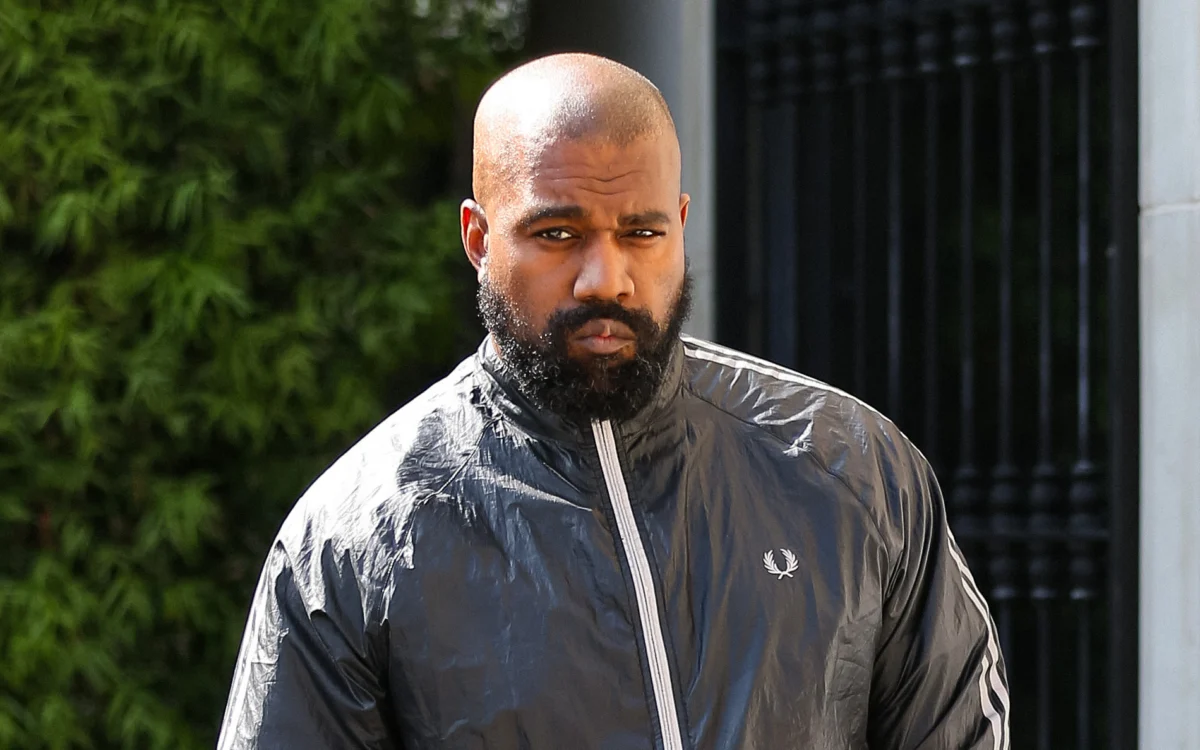
The London-based Wireless Festival, one of the United Kingdom’s most prominent annual showcases for hip-hop and R&B, has been officially canceled following the Home Office’s decision to deny Kanye West, known professionally as Ye, entry into the country. The announcement, released on Tuesday, April 7, confirms that the festival—which was slated to host the artist as the sole headliner for three consecutive nights in July—will no longer proceed. Organizers have confirmed that all ticket holders are entitled to an automatic full refund.
The cancellation marks the culmination of a high-pressure campaign involving corporate sponsors, advocacy organizations, and government officials. The decision to book West had drawn intense scrutiny due to the artist’s well-documented history of antisemitic rhetoric and public admiration for figures associated with the Nazi regime.
The Chronology of a Failed Booking
The events leading to the festival’s collapse unfolded rapidly over the course of early April. On Monday, April 6, West submitted an application for an Electronic Travel Authorisation (ETA), a requirement for many international travelers seeking entry into the UK. The Home Office conducted a review of the application and ultimately denied it, citing the “public good” as the primary justification. Under UK immigration law, the Home Secretary possesses the authority to refuse entry to individuals whose presence is deemed non-conducive to the public interest, a power frequently utilized to block those associated with hate speech or criminal activity.
Prior to the formal denial of entry, the festival faced a cascading series of corporate withdrawals. Major sponsors, including Pepsi, PayPal, and Diageo, publicly severed ties with the event in response to the controversy. These companies, which had previously invested heavily in the festival’s marketing and operational infrastructure, cited their alignment with inclusive values and their opposition to hate speech as the primary drivers for their departure.
The political pressure reached its zenith when Prime Minister Sir Keir Starmer publicly addressed the booking. During a parliamentary briefing, Starmer described the decision to headline West as “deeply concerning,” signaling that the government was monitoring the situation with increasing alarm.
The Defense of the Booking
Before the cancellation, Melvin Benn, the managing director of Festival Republic—the entity behind the event—had mounted a vigorous defense of his decision. In a formal statement released prior to the Home Office ruling, Benn argued that his intention was to provide a platform for the music itself, rather than the artist’s personal ideologies.
“What Ye has said in the past about Jews and Hitler is as abhorrent to me as it is to anyone else,” Benn stated. However, he emphasized that West’s music continues to hold a significant presence in the British cultural landscape. “Ye’s music is played on commercial radio stations in this country. It is available via live streams and downloads in this country without comment or vitriol from anyone, and he has a legal right to come into the country and to perform.”
Benn further posited that the festival was not providing a forum for political discourse, but rather a space for the performance of catalog hits. “We are not giving him a platform to extol opinion of whatever nature; we are only providing a space to perform the songs that are currently played on our national radio stations and enjoyed by millions,” he added. Benn also appealed for a cultural shift toward forgiveness, noting that he had personally chosen to offer the artist a second chance.
The Artist’s Attempted Rebuttal
In a final attempt to salvage the performance, West issued a public statement on the morning of April 7. In his message, he characterized his planned performances as a “show of change” and asserted that his intent was to “bring unity, peace, and love through my music.”
Addressing the core of the criticism against him, West offered to engage in face-to-face dialogue with representatives of the British Jewish community. “My goal is to listen,” he stated. However, this overture was met with immediate skepticism. The Board of Deputies of British Jews, a leading representative body, issued a firm response: “We are willing to meet Kanye West as part of his journey of healing, but only after he agrees not to play the Wireless Festival this year.” The board maintained that a performance of this scale, while the artist’s previous rhetoric remained unaddressed in a meaningful way, would be inappropriate.
Broader Implications for the Live Music Industry
The cancellation of Wireless Festival highlights a growing tension within the entertainment industry regarding the intersection of artistic freedom and corporate social responsibility. The event serves as a bellwether for how festivals and concert promoters navigate the risks associated with controversial talent.
For decades, the "separation of art and artist" was a standard operating procedure for promoters. However, in an era of heightened social consciousness, this stance has become increasingly difficult to maintain. As seen with the Wireless situation, the influence of corporate sponsors—who are hyper-sensitive to brand safety—has surpassed the traditional power of concert promoters. When the financiers of the arts decide that an association with a specific artist is detrimental to their brand equity, the commercial feasibility of an event often evaporates, regardless of the artist’s historical popularity or current streaming numbers.
Furthermore, this incident underscores the power of government intervention in the cultural sphere. By denying entry, the UK government has sent a clear signal that the status of a global superstar does not grant an exemption from the standards of civil discourse expected in the country.
Comparisons to Domestic Reception
The backlash in the UK stands in stark contrast to the reception West has received in the United States. Recently, West held two sold-out performances at the SoFi Stadium in Los Angeles, centered around his latest album, Bully. These events proceeded without significant public protests or corporate boycotts, and featured high-profile collaborators such as Lauryn Hill, Travis Scott, and Don Toliver.
This discrepancy suggests that the threshold for "acceptable" public figures remains distinct between the two nations. In the U.S., the debate often centers on the First Amendment and the preservation of free expression, even when that expression is offensive. In the UK, the focus is more frequently directed toward the potential for hate speech to disrupt social cohesion and public order, leading to stricter enforcement of immigration policies regarding high-profile figures.
Economic and Logistical Fallout
The immediate aftermath of the cancellation involves a complex logistical operation for the organizers. Wireless Festival is a massive undertaking, typically drawing tens of thousands of attendees. The sudden refund process will likely be the largest administrative challenge for Festival Republic in recent memory.
Beyond the ticket refunds, the secondary economic impact on local businesses in the London area—which rely on the influx of tourists and fans during the festival dates—will be significant. Hotels, hospitality services, and transport links in the vicinity of the festival site will now face the loss of a key revenue weekend.
Looking Ahead
The cancellation of Wireless Festival is likely to serve as a case study for the music industry. Promoters and talent agencies are expected to tighten their vetting processes for international touring acts, particularly those with recent track records of inflammatory behavior. The loss of such a major event acts as a stark reminder that in the modern global economy, cultural influence is not an absolute shield against accountability.
For Ye, the rejection from the UK represents a significant limitation on his international reach. As he attempts to promote his latest musical projects, the inability to access one of the world’s largest music markets due to the government’s stance on his public conduct marks a new chapter in his ongoing conflict with the public, the media, and the corporate entities that once facilitated his career. Whether this serves as a catalyst for genuine reconciliation or further polarization remains to be seen, but for the fans who had anticipated the July concerts, the festival has officially become a casualty of a much larger societal reckoning.