Reynand Wu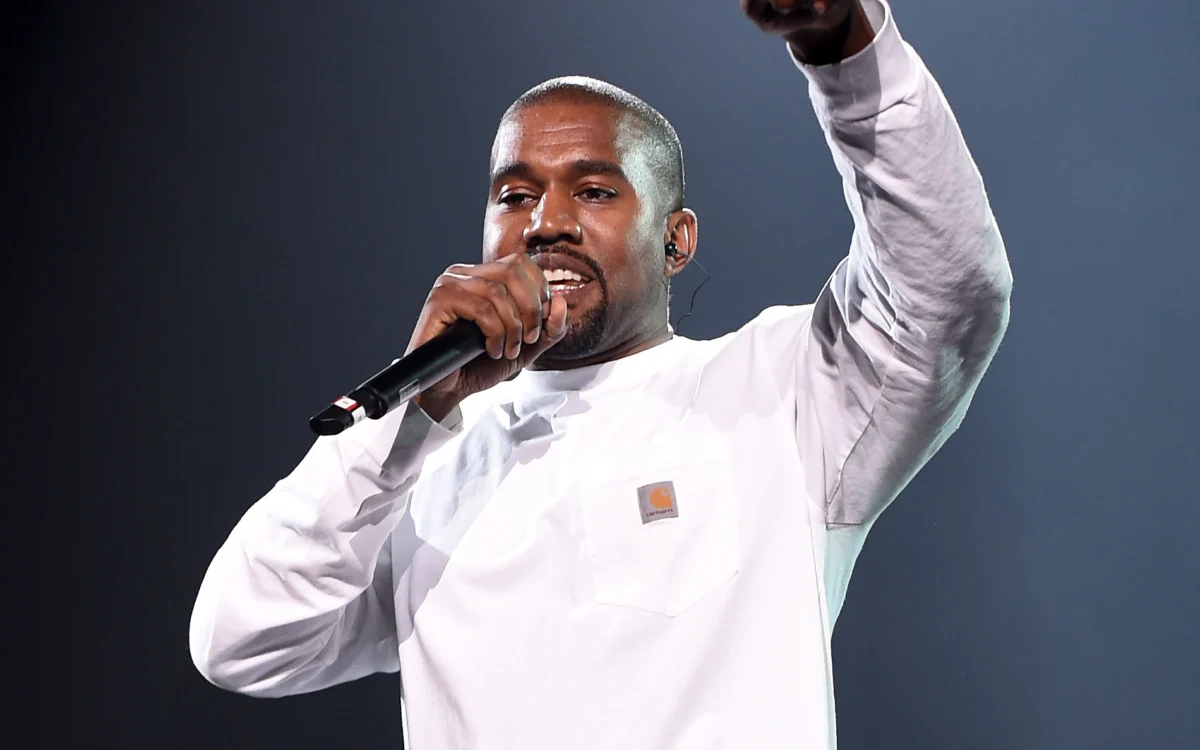
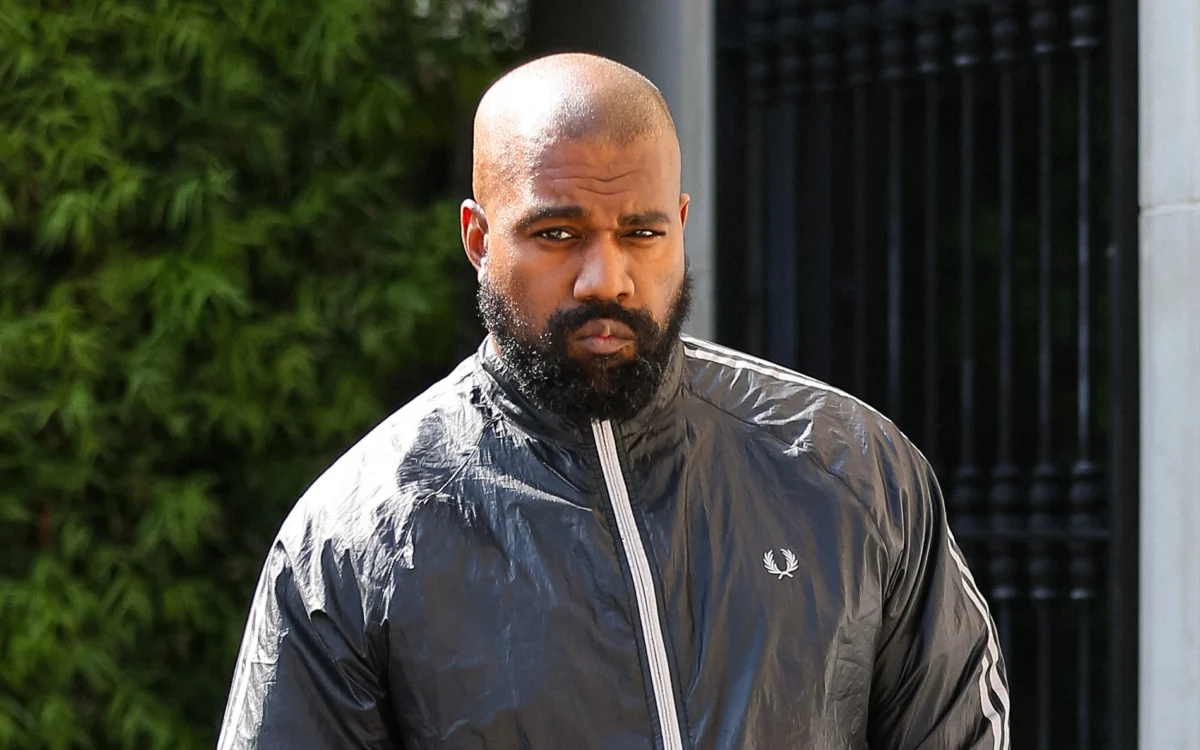
The discourse surrounding the potential for a Kanye West appearance on the Verzuz stage reached a definitive, albeit characteristic, conclusion this week when the multi-hyphenate artist addressed the topic during an unscripted appearance at the Hollywood Improv. Responding to a direct query from comedian Ocean Glapion regarding whether any contemporary artist possesses a catalog capable of challenging his own in a track-for-track battle, West offered a succinct, singular response: "Nobody."
The interaction occurred on Tuesday, April 7, while West was seated on stage alongside comedian Deon Cole. West’s assertion was not merely a brief dismissal; he utilized the moment to frame his argument through the lens of sheer volume and hit density. By referencing his recent sold-out performances at Inglewood’s SoFi Stadium, West pointed out that even after navigating an extensive setlist, he had left out massive commercial successes such as "Gold Digger" and "Touch the Sky." The implication behind his logic is clear: if his secondary hits are sufficient to headline stadium tours, the primary depth of his discography is, by his estimation, insurmountable in a competitive format.
The Evolution of the Verzuz Phenomenon
To understand the weight of West’s claim, one must consider the cultural impact of Verzuz. Launched in 2020 by producers Swizz Beatz and Timbaland as a response to the COVID-19 pandemic-induced concert industry shutdown, the platform transformed the "soundclash" format into a global digital event. Initially designed as a celebration of legacy catalogs, the series evolved into a high-stakes arena for debating the comparative greatness of hip-hop and R&B legends.
Throughout its tenure, fans and industry analysts have repeatedly drafted hypothetical matchups for West. Because of his dual status as a prolific producer and a chart-topping rapper, his potential opponents have consistently been placed in the highest tier of the industry. Names such as Drake, Lil Wayne, Eminem, Kendrick Lamar, 50 Cent, and Future have all been floated as theoretical rivals. However, the logistical and ego-driven hurdles required to coordinate such an event have consistently prevented any of these matchups from materializing.
Historical Context: The Swizz Beatz Disclosure
The conversation surrounding a West-centric Verzuz is not new. In 2021, Swizz Beatz revealed on a podcast appearance that there had been substantive discussions regarding a potential clash between Kanye West and Drake. At the time, the two artists were embroiled in a highly publicized and often bitter rivalry. While the battle would have been the most commercially significant event in the history of the series, the volatile nature of their personal relationship, coupled with the immense brand management required for such an undertaking, effectively stalled the project.
For many industry observers, the fact that such a battle never occurred is viewed as a missed opportunity for the culture, though others argue that the competitive nature of a Verzuz would have been antithetical to the artistic standing of either performer. A Verzuz battle relies on the back-and-forth exchange of records; for artists of West’s caliber, the risk of "losing" a public debate over their life’s work is a strategic consideration that rarely favors the artist.
The JAY-Z Factor: The Only Logical Challenger
While West maintains that no one can compete with him, the consensus among music historians and critics frequently points to one individual: JAY-Z. The relationship between the two—spanning decades of mentorship, collaboration, and the landmark Watch the Throne era—makes them the most compelling subject for a hypothetical battle.
The debate, which was recently revisited on The Joe Budden Podcast, serves as a microcosm of how the industry views the two artists. During the discussion, panelists debated the metrics of "hits" versus "legacy." Antwan "Ish" Marby argued that while JAY-Z holds the title of the greatest rapper, West’s ability to pull out 20 consecutive chart-topping, high-energy records gives him a unique advantage in a performance-based, crowd-pleasing environment. Conversely, Brian "B.Dot" Miller argued that in a battle of "lead songs"—the records that defined the culture—JAY-Z’s catalog possesses a longevity and consistency that even West cannot overcome. This sentiment was echoed by Joe Budden, who noted that in a head-to-head, the nuance of JAY-Z’s lyrical prowess would hold up differently than the high-production, anthemic nature of West’s work.
Analyzing the "Bully" Era and Future Output
West’s appearance at the Hollywood Improv also provided a brief update on his upcoming project, the deluxe edition of Bully. By confirming the project is still in development, West reinforced his commitment to ongoing creative output. He furthered this by engaging in a lighthearted agreement to feature Deon Cole on an interlude, a nod to the comedic sketches that helped define the aesthetic of his early studio albums, The College Dropout and Late Registration.
This development is significant because it highlights a shift in how West is interacting with his fan base and his legacy. By referencing his past while simultaneously building for the future, West is positioning himself not just as a historical figure, but as an active, evolving artist. His rejection of the Verzuz format may stem from this specific positioning: he is uninterested in looking back at a static list of hits when he is actively working to expand his discography.
The Implications of the "Nobody" Stance
From an analytical standpoint, West’s claim of invincibility serves several purposes. First, it reinforces his brand of unwavering self-confidence, which has been a pillar of his public persona since his debut in 2004. Second, it serves as a strategic deflection; by claiming no one can beat him, he effectively removes himself from the arena of comparison. By establishing an unattainable bar for a hypothetical opponent, he protects his status from the subjectivity of a public vote.
Furthermore, the logistical reality of a West Verzuz remains improbable. The production costs, the legal clearances for his massive catalog, and the requirement for him to adhere to a structured, limited-song format make it a difficult fit for an artist who has frequently pivoted toward experimentalism and stadium-scale spectacles.
Conclusion: A Legacy Beyond the Stage
Ultimately, whether or not Kanye West ever participates in a Verzuz battle is arguably secondary to the impact of his claim. By engaging in the conversation, he acknowledges the weight of his own discography while simultaneously asserting his continued relevance in a rapidly changing music landscape. Whether he is "unbeatable" or not, the fact that the debate persists nearly two decades into his career is a testament to the endurance of his music. As he continues work on Bully and looks toward his next creative chapter, the "Verzuz question" remains a snapshot of a moment in time—a reminder of the immense scale of the catalog that West has built, and the massive, perhaps insurmountable, challenge he poses to anyone attempting to stand on a stage beside him.