Indra Aziz
London-based experimental artist and producer Klein has officially released her latest full-length project, titled my own fairytale, on September 28th. Issued through Parkwuud Entertainment and distributed globally by Roc Nation, the 12-track collection represents a significant milestone in the artist’s trajectory, merging avant-garde sound design with pop-adjacent structures. The record serves as a deconstructed, dark reimagining of a traditional Disney-esque soundtrack, filtered through a complex sonic lens that incorporates ambient textures, harsh noise, grime, and contemporary R&B.
Known for her resistance to conventional genre boundaries and her commitment to challenging listening habits, Klein has structured my own fairytale to be her most deeply personal and introspective work to date. The release follows a prolific period of creative output for the artist, building upon the critical acclaim of her previous releases and further cementing her status as one of the most unpredictable and forward-thinking voices in the contemporary British underground scene. Alongside the album’s debut, Klein has announced a high-profile live performance scheduled for September 30th at London’s Institute of Contemporary Arts (ICA), marking a triumphant return to the cultural institution following her landmark 2018 residency and musical commission of Care.
Thematic Depth and Personal Revelation
At the core of my own fairytale lies a compelling narrative of duality and secrecy. The album serves as an auditory exploration of Klein’s double life, exposing the profound disconnect between her burgeoning international music career and her domestic reality. Remarkably, to this day, members of Klein’s immediate family remain unaware of her long-standing professional involvement in the music industry. This hidden existence permeates the thematic framework of the album, creating a palpable tension between public acclaim and private isolation.
As the 12-track journey unfolds, this tension builds toward the latter half of the record, where Klein’s distinct vocals finally break through the dense instrumental fog. Her lyrics articulate a poignant yearning for connection—both with her estranged family and with her own authentic identity. This vulnerability stands in stark contrast to the aggressive, abrasive production styles that frequently characterize the album’s instrumental passages, creating a dynamic emotional landscape that mirrors the complexities of navigating multiple worlds simultaneously.
Serving as a prelude to the full-length project, lead single "man in the mirror" acts as a nocturnal dirge that sets the tone for the album’s overarching psychological inquiry. The track functions as an analytical dissection of self-perception, examining how Klein understands her own identity, gender expression, and the ongoing struggle to find a sense of belonging within broader society. Through sparse instrumentation and haunting vocal processing, the single establishes the record’s central thesis: the creation of an alternate, fairy-tale reality as a coping mechanism for the alienating pressures of the waking world.
Chronology of a Prolific and Multi-Disciplinary Career
The arrival of my own fairytale is another major milestone in a career characterized by high-volume output and relentless artistic reinvention. Klein has consistently defied categorization, shifting effortlessly between disparate mediums and sonic palettes. Last year, the artist released sleep with a cane, a project that brilliantly recast traditional UK rap records into the atmospheric framework of an ambient folklore tape, earning widespread praise from music critics and contemporary art curators alike.
Klein’s artistic ecosystem extends far beyond standard musical production, encompassing a vast network of high-profile collaborations across fine art, film, fashion, and experimental music. Her collaborative footprint includes prominent figures such as theorist and poet Fred Moten—who notably contributed the liner notes for Klein’s acclaimed work Harmattan—alongside global icon Björk, underground rap innovator MIKE, actor and writer Vivian Oparah, drain-gang architect Ecco2k, visionary producer Dean Blunt, gritty New York rapper Rome Streetz, and rising vocalist Jawnino.
Furthermore, Klein’s cross-disciplinary approach has led her to work alongside Academy Award nominee Mica Levi, art-pop auteur Caroline Polachek, acclaimed filmmaker Wu Tsang, multimedia artist Josiane M.H. Pozi, sculptor Diamond Stingily, and Turner Prize-winning visual artist Mark Leckey. These partnerships underscore Klein’s unique position at the intersection of contemporary sound art and high-concept gallery culture, bridging the gap between traditional music industry frameworks and the rigorous intellectual demands of the modern art world.
The 2018 ICA Residency and Live Performance Context
The timing of my own fairytale is deeply intertwined with Klein’s historical relationship with the Institute of Contemporary Arts (ICA) in London. In 2018, the cultural centre appointed Klein as an artist-in-residence, a prestigious position that culminated in the live musical commission of her critically lauded project Care. That performance showcased her ability to translate complex conceptual ideas into immersive, visceral live environments, utilizing spatial sound design and performance art elements to engage audiences on a profound level.
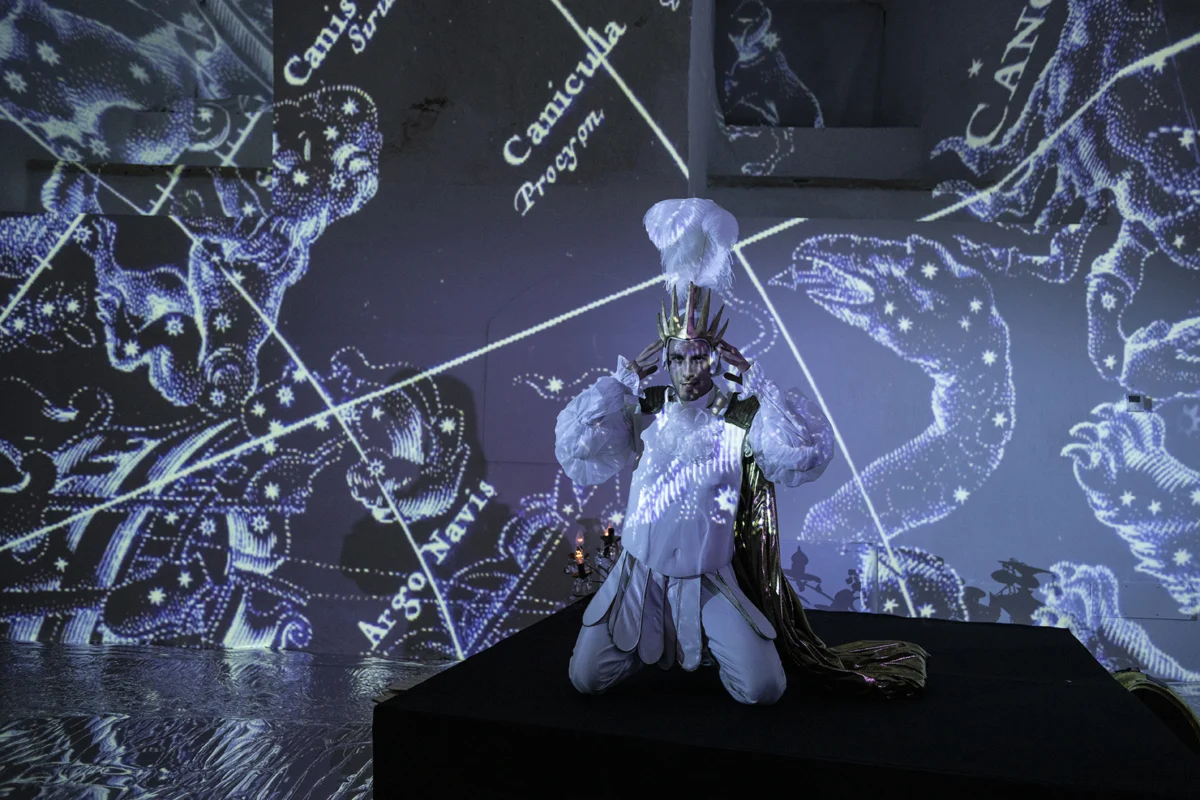
Returning to the ICA on September 30th for her highly anticipated headline show, Klein is expected to bring the intricate sonic worlds of my own fairytale to life. Given her history of unpredictable, highly theatrical, and emotionally charged live sets, industry insiders and fans alike anticipate a performance that pushes the boundaries of traditional concert experiences. Tickets for the ICA event have seen high demand, reflecting the artist’s growing influence within London’s vibrant contemporary arts community.
Broader Impact and Industry Implications
The release of my own fairytale through Parkwuud Entertainment and its distribution via Roc Nation highlights a strategic alignment between avant-garde independence and major-label infrastructure. By partnering with organizations historically associated with high-profile commercial success, Klein is effectively positioning her uncompromising, deconstructed sound within a broader global market without compromising her artistic integrity.
From an analytical perspective, the album represents a broader shift in contemporary music criticism and consumption, where audiences are increasingly receptive to hybridized genres that refuse to conform to traditional radio-friendly formats. By blending grime, ambient noise, and R&B into a cohesive narrative about alienation and familial secrecy, Klein is charting a new course for experimental artists operating within major distribution channels.
As my own fairytale continues to receive critical evaluation, its implications for the future of underground British music are substantial. The record challenges industry gatekeepers to embrace more complex, narrative-driven bodies of work that prioritize emotional authenticity over algorithmic optimization. Through her fearless exploration of identity, family, and genre, Klein has delivered a masterclass in modern auteurship—one that will undoubtedly influence a new generation of musicians navigating the digital age.