Jia Lissa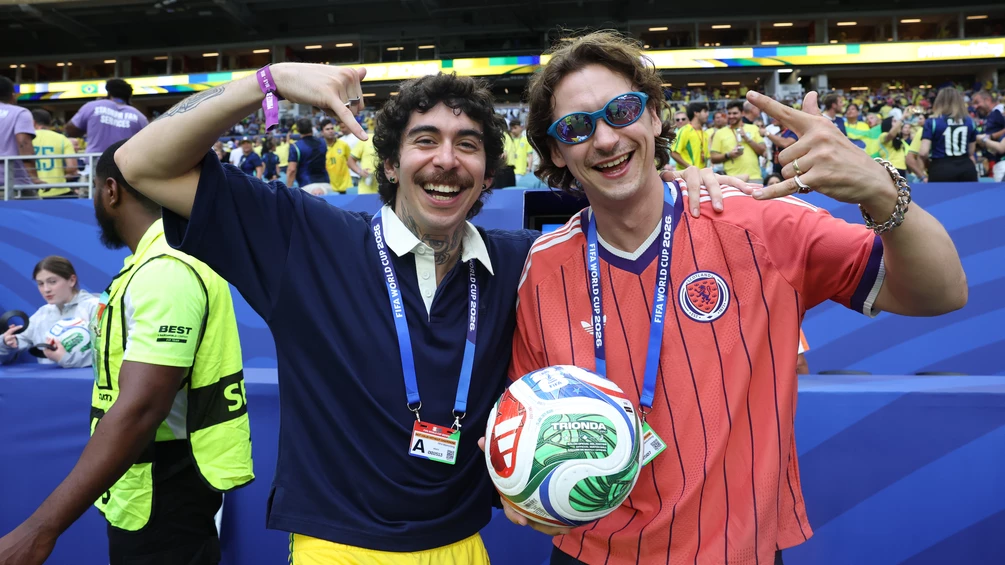
Brazilian DJ and producer Mochakk, alongside Scottish electronic artist Barry Can’t Swim, took center stage at a prominent Miami stadium on Wednesday, June 24th, carrying the official game ball onto the pitch for the highly anticipated Brazil vs. Scotland World Cup match. The symbolic gesture, which saw the artists represent their respective nations in a significant cultural crossover, preceded a match where Brazil ultimately defeated Scotland 3-0. Following the sporting event, the duo continued the celebration by performing a special back-to-back (B2B) DJ set at the renowned Miami nightclub Club Space, further cementing the blend of elite sport and cutting-edge electronic music. This event underscored a growing trend of integrating global music figures into high-profile athletic spectacles, leveraging their cultural influence to enhance the fan experience and broaden the appeal of both disciplines.
The Pre-Match Spectacle: A Fusion of Cultures and Sound
The atmosphere in Miami was electric as fans gathered for the international friendly, a match designed not only for competitive play but also for cultural exchange and entertainment. The decision to enlist Mochakk and Barry Can’t Swim for the ceremonial ball delivery marked a departure from traditional choices, often reserved for football legends or local youth ambassadors. Instead, event organizers opted for figures who embody contemporary global youth culture, recognizing the immense reach and influence of electronic music. As the artists emerged onto the pitch, the roar of the crowd intensified, a testament to their individual popularity and the collective excitement surrounding the unique collaboration. Mochakk, draped in the vibrant colors of Brazil, and Barry Can’t Swim, representing Scotland with quiet pride, walked side-by-side, carrying the pristine match ball. This moment, captured by numerous cameras and shared widely across social media, instantly became a highlight, symbolizing a seamless bridge between the pulsating energy of the dancefloor and the grand stage of international football. Miami, known for its dynamic cultural landscape and as a melting pot of international influences, provided the perfect backdrop for such an innovative event, reinforcing its status as a global hub for both sport and entertainment.
Mochakk: Brazil’s Rising Electronic Music Star
Mochakk, born Pedro Maia, has rapidly ascended to global prominence within the electronic music scene, becoming a formidable force representing Brazil’s rich musical heritage. Hailing from Sorocaba, São Paulo, his journey from local prodigy to international sensation has been marked by a distinctive sound that masterfully blends traditional house and techno rhythms with an unmistakable Brazilian flair. His energetic stage presence and infectious enthusiasm have garnered him a dedicated fanbase worldwide. In 2024, Mochakk made his debut in the prestigious DJ Mag Top 100 DJs poll, securing an impressive No. 56 spot, and climbed further to No. 51 in the 2025 rankings, signaling his undeniable impact and growing influence. The DJ Mag poll, a definitive annual ranking based on public votes, serves as a significant indicator of an artist’s global reach and popularity within the electronic music community.
Beyond his electrifying performances, Mochakk has also made waves with his productions and remixes. Last month, he released a dancefloor-powering remix of Nina Simone’s iconic 1964 track, "See-Line Woman." The original, a powerful blues-folk anthem from Simone’s ‘Broadway-Blues-Ballads’ album, is celebrated for its raw emotion and timeless appeal. Mochakk’s contemporary reimagining breathed new life into the classic, introducing it to a new generation of electronic music enthusiasts while maintaining the soulful essence of Simone’s work. This remix exemplified his ability to bridge genres and eras, further diversifying his artistic portfolio.
Mochakk’s entrepreneurial spirit is also evident in his ventures beyond the DJ booth. In 2025, he celebrated the first anniversary of his OBLIQO club by transforming a section of Hollywood Boulevard in Los Angeles into a vibrant one-day festival. This ambitious event featured an all-Brazilian lineup, showcasing a diverse array of talent from his home country and providing a significant platform for emerging and established Brazilian artists on an international stage. The festival’s success underscored Mochakk’s commitment to fostering a community and promoting his cultural roots, solidifying his role not just as a DJ and producer, but also as a cultural curator and ambassador for Brazilian electronic music. His participation in the World Cup pre-match ceremony was, for many, a natural extension of his dedication to representing Brazil on a global scale.
Barry Can’t Swim: Scotland’s Acclaimed Producer and Innovator
Representing Scotland on the pitch was Joshua Mannie, better known by his artistic moniker, Barry Can’t Swim. The Edinburgh-born producer has carved out a unique niche in the electronic music landscape with his intricate, melodic, and often emotionally resonant soundscapes. His music frequently incorporates elements of jazz, classical, and world music, layered over a foundation of house and breakbeat rhythms, creating a distinctive sonic identity that is both sophisticated and accessible. His rise to prominence has been marked by critical acclaim and a string of successful releases that have captivated audiences and critics alike.
Last year, Barry Can’t Swim released his highly anticipated album, ‘Loner,’ on the esteemed independent label Ninja Tune. Ninja Tune, known for its eclectic roster of groundbreaking electronic artists and its commitment to artistic integrity, provided a fitting home for Mannie’s latest work. ‘Loner’ followed his critically lauded 2023 debut LP, ‘When Will We Land?’, which garnered significant industry recognition. ‘When Will We Land?’ was nominated for the prestigious Mercury Music Prize, an annual award recognizing the best album from the United Kingdom and Ireland, signifying its profound cultural impact. Additionally, it received a nomination for the Scottish Album Of The Year (SAY) Award, celebrating the finest musical talent from Scotland, and was also recognized with a coveted BRIT Award nomination, further solidifying his status as one of the UK’s most exciting musical exports. These nominations highlight the widespread critical appreciation for his innovative approach to electronic music and his ability to craft immersive and evocative sonic narratives. His involvement in the World Cup ceremony was seen as a proud moment for Scottish music, showcasing the country’s diverse and influential contributions to the global arts scene.
Inferred reactions from the artists conveyed their mutual enthusiasm for the event. Mochakk reportedly expressed, "It’s an immense honor to represent Brazil on such a global stage, bridging the worlds of music and football. The energy here in Miami is incredible, and to share this moment with Barry is truly special." Barry Can’t Swim, reflecting on the experience, was quoted as saying, "I’m thrilled to be part of this unique event, showcasing Scottish talent alongside Brazilian prowess, both on and off the pitch. It’s fantastic to see how music and sport can come together to create unforgettable moments."
The Symbolic Act of Carrying the Game Ball
The act of carrying the official game ball onto the pitch is a deeply symbolic tradition in football, marking the ceremonial commencement of a match. Historically, this role has often been entrusted to young children, symbolizing innocence and the future of the sport, or to footballing legends, honoring their contributions to the game. More recently, celebrities and influential public figures have been chosen for this role, leveraging their star power to generate excitement and connect with a broader audience. The selection of Mochakk and Barry Can’t Swim represents a modern evolution of this tradition, signifying a deliberate effort by event organizers to intertwine the worlds of sport and popular culture.
By placing these two prominent electronic music artists at the heart of the pre-match ritual, the event sends a clear message about the evolving relationship between sport, music, and contemporary youth culture. The "official game ball" itself is more than just a piece of equipment; it represents the focus of the contest, the spirit of fair play, and the collective anticipation of the thousands in attendance and millions watching worldwide. Their presence underscored the global appeal of both football and electronic music, demonstrating how these two cultural powerhouses can mutually reinforce their reach and impact. This move also highlights the increasing recognition of DJs and producers as significant cultural ambassadors, capable of captivating audiences beyond traditional music venues.
The Match: Brazil Dominates Scotland in Miami Showdown
Following the vibrant opening ceremony, the focus shifted to the pitch for the much-anticipated Brazil vs. Scotland World Cup match. Brazil, a nation synonymous with footballing excellence, showcased their renowned skill and tactical prowess, ultimately securing a decisive 3-0 victory over Scotland. The match, though an international friendly, was played with competitive intensity, providing fans with an exhilarating display of top-tier football. The goals, scored by Brazil’s formidable attacking lineup, ignited passionate celebrations among the predominantly Brazilian supporters in the stadium, further amplifying the celebratory atmosphere. The performance underscored Brazil’s status as a perennial powerhouse in international football, while Scotland, despite the defeat, demonstrated moments of resilience and skill. The city of Miami, a diverse metropolis with a significant Brazilian diaspora, was abuzz with excitement throughout the game, with local establishments and fan zones mirroring the energy within the stadium. This sporting contest served as the perfect prelude to the musical festivities that were to follow, bridging the gap between athletic triumph and artistic expression.
From Pitch to Turntables: The Club Space After-Party
As the final whistle blew on the pitch, the celebrations seamlessly transitioned from the stadium to one of Miami’s most iconic nightlife venues: Club Space. Known globally as a mecca for electronic music enthusiasts, Club Space has a legendary reputation for its sprawling, multi-room layout, state-of-the-art sound systems, and its "24-hour party" ethos, offering extended hours that allow for immersive and uninterrupted musical journeys. It has hosted countless world-renowned DJs and producers, solidifying its status as a pivotal institution in the global dance music scene.
Mochakk and Barry Can’t Swim’s B2B (back-to-back) set at Club Space was the culmination of the day’s events, providing an intimate yet high-energy experience for fans who had followed them from the stadium. A B2B set is a collaborative performance where two DJs share the turntables, alternating tracks and often blending their individual styles to create a unique and dynamic musical narrative. This format allowed both artists to showcase their distinct sounds while engaging in a creative dialogue, feeding off each other’s selections and the crowd’s energy. Footage of the duo carrying the ball onto the pitch, shared across social media, generated significant buzz, drawing an even larger crowd to the after-party.
The Club Space performance was more than just a DJ set; it was a testament to the enduring power of music to unite and celebrate. The artists’ seamless transition from the grandeur of a World Cup stadium to the intimate intensity of a legendary nightclub underscored their versatility and the universal appeal of their craft. Inferred statements from Club Space management highlighted the significance of the event, with one representative reportedly stating, "We were honored to host such a significant cultural moment, reinforcing Miami’s status as a global entertainment capital capable of blending elite sport with world-class music." Fan reactions from social media echoed this sentiment, with many describing the evening as "an amazing transition from the stadium to the club, truly an unforgettable night that perfectly captured the spirit of Miami."
The Broader Implications: A New Era of Cultural Synergy
The collaboration between Mochakk, Barry Can’t Swim, and the World Cup event organizers represents a significant trend in the evolving landscape of global entertainment. It underscores a growing understanding that music and sport, two of the most universally beloved forms of cultural expression, can amplify each other’s reach and impact when strategically combined. This synergy extends beyond mere celebrity endorsements; it involves a deeper integration of artists into the fabric of major sporting events, transforming them into multi-sensory experiences.
For the artists involved, participation in such high-profile events provides unparalleled visibility to audiences who might not typically engage with electronic music. Conversely, for sporting organizations, the inclusion of popular musicians helps to attract younger demographics and diversify the fan base, making the events feel more contemporary and culturally relevant. This cross-pollination fosters a dynamic environment where cultural boundaries blur, and different art forms enrich one another. The global appeal of electronic music, with its diverse genres and international community of artists and fans, makes it a particularly potent partner for globally recognized sports like football. Moreover, such collaborations highlight the increasing role of "cultural ambassadors" in international relations, using their platforms to bridge divides and foster mutual appreciation between nations. The economic impact for host cities like Miami is also considerable, as these blended events draw larger crowds and generate increased tourism and local spending, solidifying their reputation as vibrant cultural destinations.
Conclusion: A Memorable Chapter in Music and Sport History
The Brazil vs. Scotland World Cup match in Miami, illuminated by the pre-game presence of Mochakk and Barry Can’t Swim, and culminating in their electrifying Club Space performance, etched a memorable chapter in the annals of both music and sports history. This event served as a powerful illustration of how two seemingly disparate cultural forces can converge to create a truly unforgettable experience. It showcased not only the individual talents of the artists and athletes but also the potential for innovative collaborations to captivate global audiences. As the lines between various forms of entertainment continue to blur, such partnerships are likely to become more prevalent, promising a future where the roar of the stadium and the beat of the dancefloor resonate in perfect harmony. The success of this Miami showdown provides a compelling blueprint for future events seeking to maximize cultural impact and audience engagement through the powerful synergy of music and sport.