Jia Lissa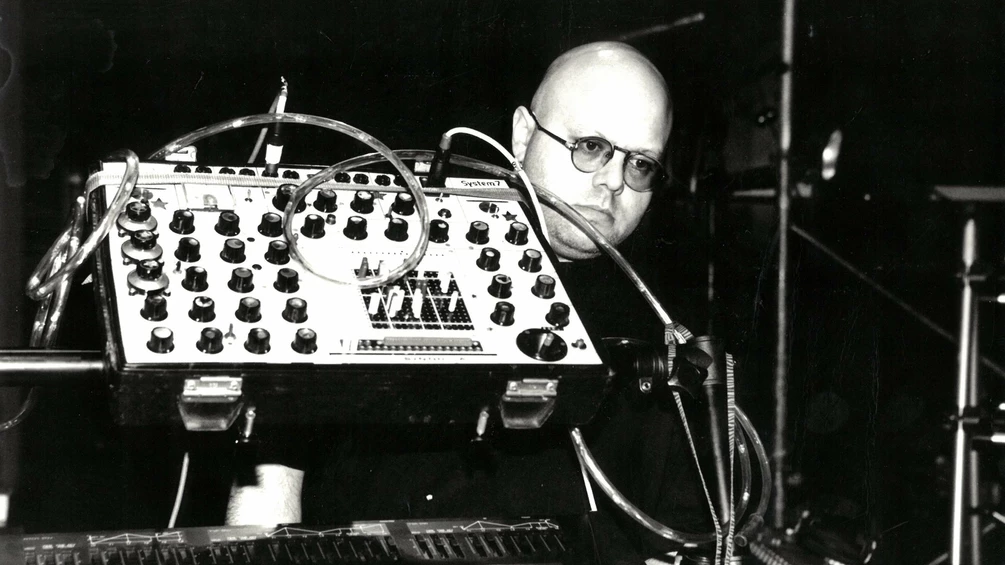
Mickey Mann, the revered Scottish sound engineer and producer whose indelible touch shaped the sonic landscapes of electronic music pioneers including Orbital, Basement Jaxx, and Aphex Twin, has passed away at the age of 64. Mann, a quiet giant behind the mixing desk, died just a week shy of his 65th birthday, leaving behind a legacy deeply embedded in the annals of modern music. His passing was confirmed via a GoFundMe campaign launched to support his funeral arrangements and assist his family. Reports from The Press and Journal indicate that Mann suffered a heart attack on June 3rd and subsequently passed away in hospital on June 9th. The fundraiser, established to "give him the goodbye he deserves," has seen an outpouring of support from the music community, quickly nearing its initial target.
Early Life and Entry into Music
Born in June 1960 in Aberdeen, Scotland, Mickey Mann’s journey into the vibrant world of music was not initially through conventional channels. His early career path took an unexpected turn in 1985 when fate intervened at Aberdeen’s Royal Cornhill Hospital. It was there, amidst their shared professional lives, that Mann encountered Colin Angus and Will Sinnott, the visionary duo who would soon form the seminal electronic group The Shamen. This serendipitous meeting marked the beginning of a profound association that would ultimately shape a significant portion of the burgeoning electronic music scene.
Mann’s innate understanding of the nascent counter-culture and his keen organizational skills quickly became apparent. He joined The Shamen on tour, initially taking on the crucial role of their manager. In this capacity, Mann was instrumental in navigating the early, often tumultuous, landscape of live electronic music performances. His managerial acumen helped lay the groundwork for The Shamen’s rise to prominence, particularly during the transformative era of acid house and rave culture in the late 1980s. The Shamen, known for their experimental sound and pioneering embrace of rave aesthetics, benefited immensely from Mann’s dedication and strategic foresight in building their touring presence and audience base.
One of Mann’s most significant contributions during his time managing The Shamen was his decision to book Orbital as a support act. This pivotal choice, as recounted by Mann’s sister Jane Mann to The Press and Journal, proved to be a watershed moment for both bands. Orbital, comprising brothers Phil and Paul Hartnoll, was then an emerging force, and securing a slot supporting a widely recognized act like The Shamen provided them with invaluable exposure, helping to catapult them onto the international stage. This early endorsement by Mann underscored his discerning ear and his ability to identify groundbreaking talent, a quality that would define his subsequent career.
Shaping the Sound of a Generation
Following his tenure as a manager, Mickey Mann transitioned into the highly specialized and equally influential role of a sound engineer and producer. This move allowed him to apply his technical expertise and artistic sensibilities directly to the creation and refinement of recorded music, as well as the intricate demands of live sound. The late 1980s and 1990s were a period of explosive innovation in electronic music, and Mann found himself at the epicentre of this revolution. His skills became highly sought after by artists who were pushing the boundaries of sound, experimenting with new technologies, and crafting genres that would define an era.
Mann’s extensive discography as a sound engineer reads like a who’s who of electronic music’s most influential figures. He collaborated with the likes of Orbital, for whom he had previously paved the way; Basement Jaxx, pioneers of UK garage and big beat; Aphex Twin (Richard D. James), an enigmatic figure whose work redefined intelligent dance music (IDM); and Moby, the American artist who brought electronic music to mainstream audiences. His portfolio also included diverse acts such as Rachid Taha, known for his fusion of rock and North African music; System 7, a trance and ambient techno outfit; and many others who contributed significantly to the sonic tapestry of the time. These collaborations extended to cult favorites and scene shapers like Megadog, Drum Club, Meat Beat Manifesto, Ultramarine, and Curve, each representing a unique facet of the era’s musical experimentation.
The role of a sound engineer in electronic music, particularly during its formative years, was paramount. Unlike traditional band setups, where instruments are often recorded acoustically, electronic music relies heavily on synthesis, sampling, and intricate signal processing. A skilled engineer like Mann was crucial in translating an artist’s often abstract sonic vision into a polished, impactful, and coherent final product. This involved everything from microphone placement (for vocals or specific acoustic elements) and signal routing to meticulous mixing, mastering, and ensuring the sonic integrity of complex electronic arrangements. Mann’s ability to work across such a diverse range of styles – from the driving techno of Orbital to the intricate textures of Aphex Twin and the raw energy of Basement Jaxx – speaks volumes about his versatility, technical prowess, and deep understanding of different sonic aesthetics. He was not merely operating equipment; he was an artistic collaborator, an architect of sound who helped define the signature sounds of these legendary artists.
The Engineering Maestro: A Legacy in Electronic Music
Mickey Mann’s contribution extended beyond individual tracks and albums; he was a foundational figure who helped define the very sound of an entire movement. The burgeoning rave scene, the rise of IDM, the emergence of big beat, and the global spread of techno and house music all benefited from the expertise of engineers like Mann. His work often involved late nights in studios, troubleshooting complex equipment, and patiently working with artists to achieve their desired sonic outcomes. This behind-the-scenes dedication is often the unsung hero of many iconic records.
For Orbital, Mann’s association meant contributing to a sound that was both epic and deeply intricate, characterized by sprawling arrangements and evocative melodies. For Aphex Twin, his engineering would have been critical in realizing the complex, often challenging, and groundbreaking textures that made Richard D. James a singular force in electronic music. With Basement Jaxx, he would have helped to capture the raw, infectious energy and innovative sampling that defined their early work. The fact that he was consistently chosen by such diverse and influential artists underscores his reputation within the industry as a master of his craft, someone who could translate avant-garde ideas into powerful sonic realities.
Pressure of Speech and Independent Ventures
Beyond his work for other artists, Mann also channeled his creative energies into his own musical project. In 1993, he established Pressure of Speech, a dark electronic outfit where he took on the role of frontman. This venture allowed Mann to explore his own artistic vision, demonstrating his capabilities not just as a technical expert but also as a creative force. While not as widely known as the artists he engineered for, Pressure of Speech served as an important outlet for Mann’s independent musical expression, showcasing another dimension of his talent and passion for electronic soundscapes. It underscored his deep immersion in the culture he helped to build, not just from a technical standpoint but as an active participant and innovator.
Community Mourns and Fundraiser Success
News of Mickey Mann’s passing sent ripples of sorrow throughout the electronic music community, a testament to his profound impact and the respect he commanded. Tributes began to pour in from collaborators, peers, and fans alike, highlighting his generosity, skill, and the quiet but significant role he played in shaping the sound of a generation.
Among the early tributes was a poignant message from Robin Rimbaud, known professionally as Scanner, a renowned experimental electronic musician and sound artist. Rimbaud posted on social media, "Terribly sad to read of the passing of Mickey Mann, music producer and engineer, who connected the dots between The Shamen, Aphex Twin, Orbital, Ramjac, Moby, Irresistible Force and many more. I was honoured to work with his band Pressure of Speech too." This sentiment was echoed across various platforms, with many reflecting on Mann’s foundational contributions to some of electronic music’s most iconic records and live performances. While official statements from all his former collaborators are still emerging, the collective grief from the community speaks volumes about his influence and the personal connections he forged.
The GoFundMe campaign launched in his memory quickly gained traction, reflecting the deep affection and appreciation held for Mann. At the time of reporting, the fundraiser had achieved 95% of its £10,000 target, demonstrating the strong desire of the community to support his family during this difficult time. The funds are earmarked to cover the costs of his funeral and assist with the expenses of bringing his family to London, where Mann was based, to attend the service and pay their final respects. The rapid success of the fundraiser is a powerful indicator of the widespread esteem in which Mann was held, illustrating how his professional contributions fostered a deep sense of loyalty and community among those he worked with and inspired.
A Lasting Impact on the Electronic Music Landscape
Mickey Mann’s legacy is multifaceted. He was a crucial facilitator for some of electronic music’s most innovative artists, a mentor to emerging talent, and an artist in his own right. His work as a sound engineer transcended mere technical proficiency; it was an act of sonic artistry that helped define the textures, dynamics, and overall impact of groundbreaking records. In an industry often focused on frontmen and star producers, Mann represented the indispensable, often unsung, heroes who meticulously crafted the soundscapes that captivated millions.
His involvement with The Shamen and his instrumental role in giving Orbital their early break highlight his pivotal position at critical junctures in electronic music history. The meticulous care he brought to projects, whether in a bustling London studio or on a sprawling festival stage, ensured that the music he touched resonated with clarity, power, and precision. Mann’s passing marks the end of an era for many within the electronic music community. He leaves behind a vast catalogue of work that continues to inspire and influence, serving as a testament to his enduring talent and dedication. As the music world mourns the loss of a true craftsman, Mickey Mann’s indelible mark on the sound of electronic music will undoubtedly live on, echoing through the tracks he helped bring to life for generations to come.