Jia Lissa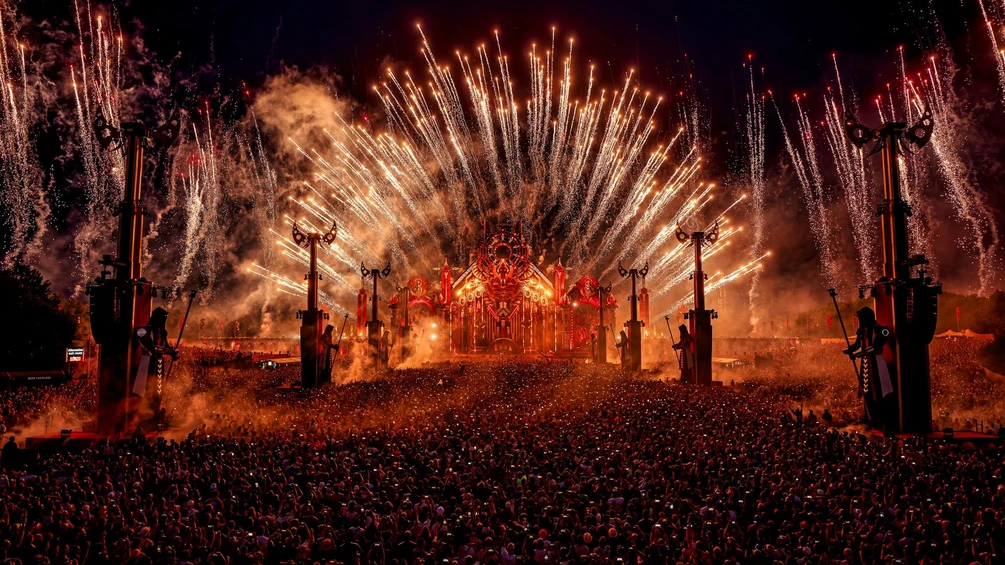
The Netherlands’ premier hard dance festival, Defqon.1, has been abruptly cancelled due to an unprecedented extreme heat warning issued by the Netherlands Meteorological Institute (KNMI), marking a significant disruption for tens of thousands of festival-goers and the global electronic music scene. The decision, announced by organisers last night, brought an early and devastating end to the world’s largest hard dance event, which was scheduled to run from June 25th to 28th, 2026, at the Walibi Holland grounds in Biddinghuizen. The cancellation of the remaining days of the festival, following a 24-hour Code Red weather alert – the first of its kind ever issued in the country for extreme heat – underscores the severe public health and safety concerns posed by the escalating heatwave gripping Western Europe.
The Unprecedented Code Red and Its Immediate Impact
The KNMI’s Code Red weather warning, signifying a critical threat level, was issued yesterday as temperatures were forecasted to soar above 40°C in many parts of the Netherlands. This highest-level alert, reserved for conditions that pose a severe risk to public health and infrastructure, compelled local authorities and Defqon.1 organisers to make the difficult but unavoidable decision to cease all festival activities. The extreme heat carries substantial risks, including severe dehydration, heatstroke, and a significant strain on emergency services, which would be stretched thin responding to potential heat-related incidents among a massive crowd. For an event like Defqon.1, known for its high-energy performances and physically demanding atmosphere, these risks are amplified, making continued operation untenable.
Organisers conveyed their profound disappointment via an Instagram statement, describing the news as "a blow felt on every level" and expressing their devastation at the development. This sentiment resonated deeply with the vast community of hard dance enthusiasts, who had travelled from across the globe to attend the highly anticipated festival.
A Festival’s Swift Unraveling: Chronology of Events
The full cancellation came less than 24 hours after organisers had already implemented stringent measures in response to earlier weather forecasts. On the preceding day, Defqon.1 had restricted access to the festival, allowing only weekend ticket holders to enter, thereby denying entry to anyone with a day ticket for Friday and/or Saturday. This initial decision to "significantly reducing the number of visitors on-site" was made on the explicit recommendations of local authorities, who were closely monitoring the evolving weather situation and its potential impact on public safety. The goal was to mitigate risks by reducing crowd density and overall exposure to the heat.
However, the rapid deterioration of the weather outlook and the subsequent Code Red warning escalated the situation beyond partial measures. The official cancellation announcement effectively shut down all musical programming and large-scale activities for the remainder of the weekend. This swift escalation from partial restriction to full cancellation highlights the unprecedented nature and severity of the meteorological event.
On-Site Logistics and Participant Support
Despite the cancellation of performances, tens of thousands of festival-goers who were already staying on the festival’s Camping Grounds faced immediate logistical challenges. In response, Defqon.1 announced that the Camping Grounds, along with a designated part of the Festival Grounds, would remain open throughout today, June 26th. Crucially, these areas would operate without music but with "all essential facilities available." This provision was designed to offer attendees a safe, supported environment to make arrangements for their journey home.
"This gives you the time to make arrangements for your journey home on Friday, June 26th. We’ll be there every step of the way," stated the organisers, reassuring attendees of their commitment to their well-being. The provision of essential services such as water, sanitation, first aid, and cooling stations became paramount, transforming the festival site into a temporary welfare hub rather than a celebration venue. This focus on participant safety and logistical support during an unexpected exodus became the immediate priority for the organising team.
Regarding financial implications for attendees, Defqon.1 confirmed that refunds would be available for all festival tickets. Further information concerning "additional compensation" is expected to be announced after the weekend, addressing potential costs incurred by attendees for travel, accommodation, and other related expenses that are now nullified by the cancellation. The organisers concluded their statement with a poignant message: “This is not the journey we imagined, and the reality has barely sunk in. Nevertheless, it is our duty to take care of you. That is our sacred oath. Forever One Tribe.” This closing reflected the deep bond between the festival and its dedicated community, underscoring the emotional toll of the unforeseen circumstances.
Defqon.1: A Pillar of Hard Dance Culture
Defqon.1 is not merely a music festival; it is a cultural phenomenon within the global hard dance scene. Renowned as the largest event of its kind, it draws an international audience eager to experience four days of hardstyle, hardcore, rawstyle, and other harder electronic music genres. Held annually at the sprawling Walibi Holland grounds in Biddinghuizen, the festival is celebrated for its elaborate stage designs, immersive production, pyrotechnics, and a vibrant, dedicated community. Its capacity typically accommodates over 100,000 attendees over its duration, with a significant portion opting for the full weekend camping experience, creating a self-contained city of hard dance enthusiasts.
The 2026 edition was particularly anticipated, featuring a monumental lineup of over 350 hardstyle and hard dance artists. Headliners and fan favourites such as Brennan Heart, Showtek, Sub Zero Project, Angerfist, Hysta, Anime, and Miss K8 were among the multitude of acts booked to perform across multiple stages, each tailored to specific sub-genres of hard dance. The cancellation represents a significant loss for these artists, who lose a major platform for their craft, and for the fans who eagerly await these performances as the highlight of their year. The festival’s reputation for meticulous planning and unparalleled production made its premature end all the more jarring for both participants and industry observers.
The Broader Climate Context: Europe Under Siege
The cancellation of Defqon.1 is not an isolated incident but rather a stark illustration of a wider climate crisis impacting Europe. Western Europe is currently grappling with what meteorologists describe as its "most severe and widespread ever" heatwave. This unprecedented weather event has seen record-breaking temperatures across the continent, with the UK, for instance, recording its hottest ever day in June since records began. Scientific analyses, including reports cited by The Guardian, increasingly link the intensity and frequency of such extreme weather events to anthropogenic climate change, suggesting that these heatwaves are becoming more probable and more severe in a warming world.
Earlier in the week, the escalating heatwave prompted French authorities to introduce restrictions on public alcohol consumption in several regions. This ban impacted numerous events, including the countrywide free street festival Fête de la Musique, held on Sunday, as well as various sporting events. These measures underscore a growing trend among European governments and event organisers to prioritize public health and safety in the face of extreme climatic conditions, which are becoming a new normal for summer planning. The economic and social disruptions caused by these climate-related events are becoming increasingly visible, challenging traditional approaches to public gatherings and outdoor activities.
Public Health and Safety at the Forefront
The decision by Dutch authorities and Defqon.1 organisers to cancel the festival highlights the paramount importance of public health and safety, especially when faced with extreme environmental conditions. A Code Red warning is not merely an advisory; it triggers a cascade of emergency protocols designed to prevent widespread illness, injury, and potential fatalities. The risks associated with temperatures exceeding 40°C in a densely packed environment like a music festival are severe. These include:
- Heatstroke and Heat Exhaustion: Life-threatening conditions that can develop rapidly.
- Dehydration: Exacerbated by physical activity and alcohol consumption, common at festivals.
- Cardiovascular Strain: Posing significant risks, particularly to vulnerable populations.
- Increased Demand on Emergency Services: Overwhelming hospitals and first aid posts, diverting resources from other critical areas.
Local authorities, including the municipality of Dronten and regional emergency services, played a crucial role in advising the organisers. Their recommendations were based on scientific meteorological data from the KNMI and a comprehensive assessment of the potential risks to tens of thousands of attendees. The ethical responsibility to protect festival-goers ultimately outweighed the significant financial and reputational costs of cancellation, setting a precedent for future event management in an era of unpredictable climate patterns.
Economic Ripple Effects and Broader Implications
The cancellation of Defqon.1 carries substantial economic implications, extending beyond the immediate loss of ticket revenue. While refunds will be issued, the organisers face immense logistical costs associated with dismantling and securing the site prematurely, managing staff, and processing compensation. Local businesses in Biddinghuizen and the surrounding Flevoland province, including hotels, restaurants, transportation services, and suppliers, will experience a significant loss of revenue. Festivals of this magnitude are major economic drivers for their host regions, attracting tourists and injecting substantial funds into the local economy.
The hard dance music industry itself will feel the reverberations. Artists lose performance fees and exposure, vendors lose sales opportunities, and the broader ecosystem of technicians, stage builders, security personnel, and catering staff faces unexpected unemployment. Furthermore, the cancellation raises pertinent questions about event insurance policies in the context of climate-related disruptions and the increasing need for robust contingency planning.
Beyond the immediate financial fallout, the Defqon.1 cancellation serves as a stark reminder of the growing challenges facing large-scale outdoor events globally. As climate change intensifies, extreme weather events – be it heatwaves, torrential storms, or floods – are becoming more frequent and severe. This forces event organisers, local authorities, and national governments to re-evaluate their risk assessment strategies, infrastructure resilience, and public safety protocols. The precedent set by the Netherlands’ first Code Red for heat and the subsequent cancellation of a major international festival could influence how future events are planned, insured, and regulated across Europe and beyond, potentially accelerating the adoption of climate-resilient designs and flexible operational models.
Organizer’s Pledge and Participant Outlook
In the wake of the cancellation, the immediate focus for Defqon.1 organisers remains on supporting the thousands of attendees still on site and facilitating their safe departure. The commitment to keeping essential facilities open on the camping grounds underscores a dedication to the "One Tribe" ethos, prioritizing the community’s welfare even in adversity. The promise of full refunds and "additional compensation" aims to mitigate the financial burden on participants, many of whom incurred significant costs for international travel and pre-booked accommodation.
While the disappointment is palpable across the hard dance community, the unavoidable nature of the decision, driven by an unprecedented public health warning, is likely to be understood by most. This incident underscores the profound impact of global climate patterns on local events and highlights the critical importance of swift, decisive action in the face of extreme environmental threats. The challenge now for Defqon.1 and similar large-scale events will be to adapt to a future where extreme weather is an increasingly common factor, necessitating innovative solutions for ensuring both the vibrancy and the safety of mass gatherings.