 Mia Khoirunisa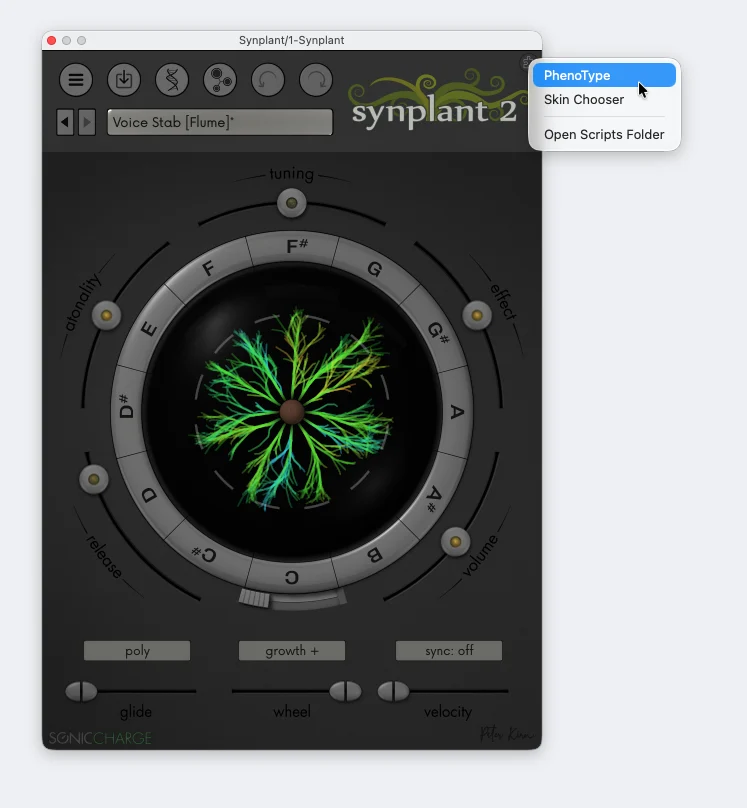
The advent of PhenoType for Sonic Charge’s Synplant 2 marks a significant departure from conventional artificial intelligence applications in creative software, offering musicians and sound designers an unprecedented level of granular control over sonic generation. This innovative tool eschews the common paradigm of large, cloud-based AI models that often dictate creative direction. Instead, PhenoType operates locally, leveraging neural networks to empower users to meticulously define their desired sounds through descriptive language, fostering an environment of intentional sonic exploration rather than passive reliance on presets or defaults. This development, first highlighted by CDM, represents a thoughtful integration of machine learning that prioritizes user agency and the unique artistic vision of the creator.
The Genesis of Intentional Sound Generation
The core concept behind PhenoType emerged from Sonic Charge’s exploration into describing existing Synplant patches using textual tags. This initial endeavor, focused on cataloging and understanding sonic characteristics, serendipitously led to a transformative realization: the same underlying algorithm could be inverted. By flipping the process, users could now input descriptive tags to actively generate novel synth patches. This pivot from descriptive analysis to generative synthesis signifies a paradigm shift, moving AI from a passive descriptive tool to an active creative partner.
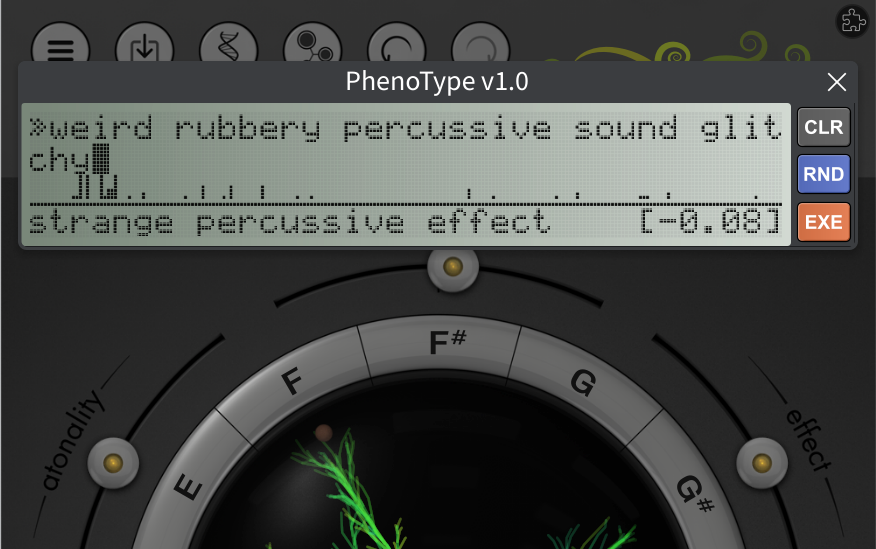
The practical application of PhenoType, as observed during initial user experiences, necessitates a deliberate and specific approach. Unlike the broad, often generalized outputs of large language models, PhenoType’s engine requires keywords that it can precisely interpret. This requirement encourages a more mindful and introspective creative process, prompting users to articulate their sonic intentions with clarity. Once a foundational sound is established through these keywords, Synplant 2’s inherent morphing capabilities allow for radical evolution and refinement, transforming the initial input into a vast spectrum of unique audio textures. The result is akin to having a sophisticated randomizer imbued with genuine artistic intent, offering a controlled yet expansive creative journey.
A Differentiated Approach to Artificial Intelligence
The current discourse surrounding "AI" in technology often conflates vastly different computational approaches. The distinction between the localized, inference-driven neural networks employed by PhenoType and the massive, cloud-based generative models dominating headlines is crucial. Artificial neural networks themselves have a history stretching back to the mid-20th century, a testament to their foundational, albeit evolving, nature. To draw a parallel, comparing a locally trained model like PhenoType to a colossal language model is akin to contrasting the nuanced flavor of a hand-squeezed fruit spritzer with the mass-produced uniformity of a global beverage corporation.
The implications of this distinction are profound. Locally trained models, such as the Genopatch engine powering PhenoType, operate with a self-contained dataset and computational framework. This contrasts sharply with large generative models that require immense computational resources and extensive data pipelines, often raising concerns about data privacy, energy consumption, and the homogenization of creative output. PhenoType’s localized operation means that the computational burden rests with the user’s machine, mirroring the processing demands of traditional software rather than relying on external servers. This approach aligns with a more sustainable and user-centric model of AI integration.
Magnus Lindström, a key developer at Sonic Charge, elaborated on this philosophy in a previous interview with CDM, discussing the development of Genopatch. This engine, central to Synplant 2’s advanced synthesis capabilities, was designed to navigate complex parameter spaces with a sophisticated neural network. The focus was on creating a tool that augmented, rather than replaced, the user’s creative input, a principle that is now fully realized with PhenoType.
The Evolution and Future of PhenoType
The current iteration of PhenoType represents a robust foundation, with Sonic Charge already possessing a comprehensive library of over 200 distinct tags, augmented by approximately 1,000 synonyms. This extensive vocabulary has been meticulously curated through training on nearly 60,000 Synplant patches, a significant undertaking by Lindström himself. However, the developers acknowledge areas for future expansion. Lindström noted that the current model exhibits limitations in its understanding of specific musical genres and exotic instrument classifications, areas that are slated for development in future updates. This phased approach to development ensures that the tool remains focused and effective while laying the groundwork for future enhancements.
As users engage with PhenoType, the principle of iterative refinement becomes evident. Increasing the number of descriptive words in a query leads to more precise and targeted sonic results. The engine’s internal processes are even made visible post-input, offering a glimpse into the underlying computational activity. Early impressions suggest that PhenoType provides superior starting points for sound design compared to traditional preset browsing or simple randomization. This methodology encourages a learning process for the user, fostering a deeper understanding of synthesis parameters and sonic sculpting, rather than an abdication of creative responsibility to an opaque AI system.
Preserving the "Weird" in Music Software
The true triumph of PhenoType lies in its ability to imbue Synplant 2 with the distinctive craft and personality of the Sonic Charge team. In an era where generative AI can sometimes lead to a homogenization of creative tools, PhenoType offers a refreshing counterpoint. It preserves and amplifies the relationship between the artist and the instrument builder, a connection that is vital for innovation. The "alien instruments" that Synplant 2 is known for, capable of sounds that might be considered impossible in the physical realm, are now more accessible and controllable than ever before, thanks to this intelligent integration of AI.
While some developers may opt to integrate large language models into their software, PhenoType’s approach is demonstrably more nuanced and artistically driven. This distinction, though requiring more development effort, yields a more rewarding and artistically fulfilling experience for the user. The philosophy espoused by the CDM review – "Keep music software weird" – finds a potent embodiment in Synplant, particularly with the introduction of PhenoType. It champions a future where technology serves to expand creative possibilities without sacrificing individuality or artistic control.
Accessibility and Broader Implications
PhenoType is now available to all users holding a Synplant 2 license, making this advanced sound design tool accessible to a wide range of musicians and producers. The availability of such a sophisticated and creatively empowering feature underscores Sonic Charge’s commitment to pushing the boundaries of virtual instrument design.
The implications of PhenoType’s approach extend beyond its immediate application in sound design. It serves as a compelling case study for how machine learning can be integrated into creative software in a manner that prioritizes user agency and artistic expression. This localized, intent-driven model offers a viable and attractive alternative to the prevalent large-scale AI solutions, potentially influencing the future development of creative technologies across various disciplines.
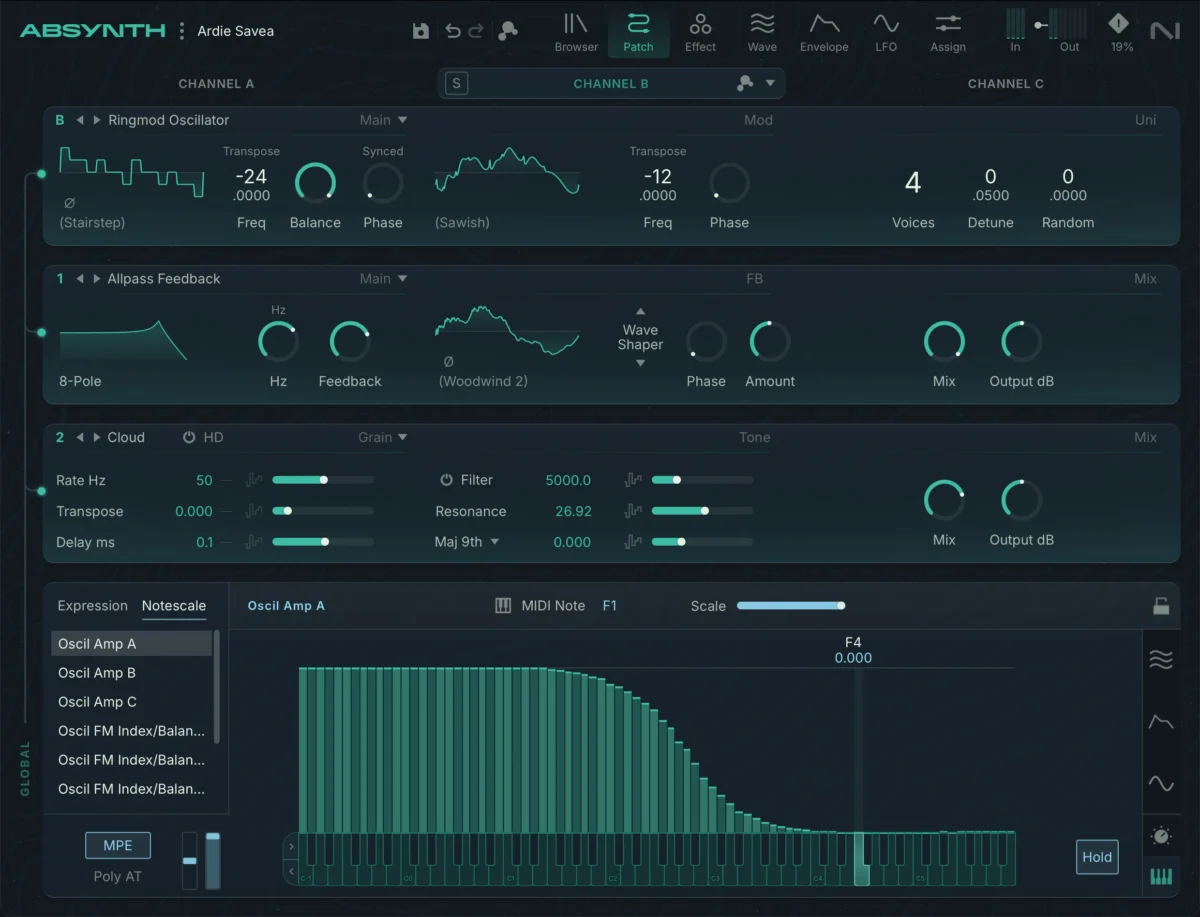
For those interested in exploring this innovative tool, further information and access can be found at the official Sonic Charge PhenoType page. The underlying principles of this technology, particularly its contrast with more conventional "Big Data Big Tech" AI, are further illuminated by examining similar, forward-thinking applications, such as Hannah Lockwood’s work at Native Instruments with Absynth 6, which also explores machine learning techniques for creative enhancement. This concurrent development across different platforms highlights a growing trend towards more intelligent and user-centric AI integrations within the creative technology landscape.