 Johan Budi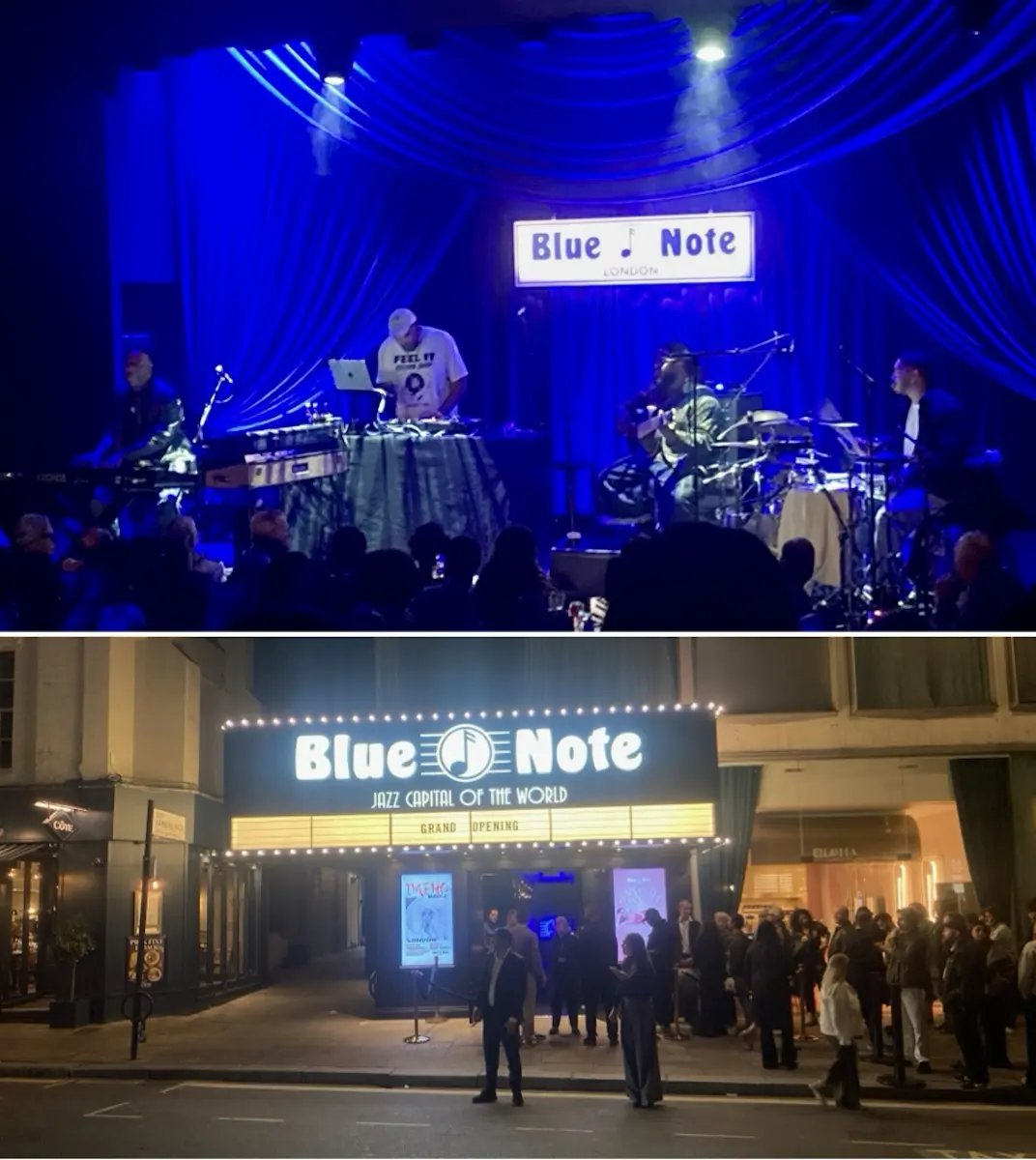
The subterranean depths of St Martin’s Lane buzzed with anticipation on the evening of September 24, 2026, as the legendary jazz club franchise Blue Note officially launched its newest London outpost. A capacity crowd packed the expansive, subterranean venue for a high-profile opening night headlined by Grammy-winning pianist, composer, and producer Robert Glasper. The evening marked a major milestone for the international jazz institution as it carved out a permanent foothold in the British capital, blending high-concept contemporary jazz, hip-hop sensibilities, and upscale hospitality. However, despite the palpable excitement surrounding the venue’s grand opening, the night also offered a snapshot of the logistical hurdles and operational growing pains typical of high-profile launch events in the capital’s competitive hospitality and live entertainment sector.
Grand Opening Chronology and Delays
The timeline for the evening’s events pointed immediately to the unhurried nature of live performance culture clashing with tight urban transit schedules. Programmed showtimes indicated an early evening commencement, yet attendees found themselves waiting nearly an hour beyond schedule before Glasper and his quartet took the stage. During the prolonged 55-minute interval between the scheduled start time and the group’s appearance, the sold-out audience was enveloped in a dense atmosphere fueled by ambient, bass-heavy background music, dry-ice effects drifting from the back of the stage, and the chill of a newly minted HVAC system.
Despite the delay, floor staff navigated the unfamiliar layout of the multi-tiered venue with commendable poise, managing drink and food service under the immense pressure of a premier launch night. When Glasper finally arrived on stage, he was greeted with wild applause from an audience that had braved both the subterranean descent and the tardy start. The pianist greeted the room with characteristic warmth, expressing his unvarnished enthusiasm for performing in London and accepting his newly minted role as an unofficial ambassador for the latest branch of the historic Blue Note franchise.
Unfortunately for some audience members, the scheduling slip caused severe logistical complications. Due to the nearly hour-long delay, several patrons—including commuters reliant on the Piccadilly line—were forced to depart prematurely, catching only a fleeting glimpse of a performance that promised much more.
Musical Analysis: Glasper’s Sonic Blueprint
The ten-minute window in which the early-leaving patrons experienced the set was nonetheless dense with musical ingenuity. Glasper performed alongside a tight, highly skilled quartet featuring Jahi Sundance on turntables, Burniss Travis II on a six-string bass, and Justin Tyson on drums.
Opening with a dynamic interpretation that appeared to be a cover of J. Dilla’s The Shining Pt. 2 (Ice), the ensemble immediately established a bridge between contemporary neo-soul, hip-hop, and avant-garde jazz. The piece’s raw lyrical energy mirrored Glasper’s own expletive-laden, high-spirited introduction to the room. Musically, Glasper channeled the pioneering spirit of Herbie Hancock, deploying signature licks that danced fluidly in and out of traditional key centers.
The quartet seamlessly wove the thematic motifs of Hancock’s ingenious 1974 fusion standard Actual Proof into the fabric of the opening number. The physical impact of the performance varied significantly depending on seating location. Listeners positioned close to the stage experienced the visceral punch of Travis II’s sub-bass frequencies hitting them directly in the chest, while Tyson’s whipcrack backbeat—accented by the classic hip-hop production technique of momentarily retarding the tempo—reverberated intensely through the room. Sound balance reportedly improved further back in the venue near the centrally located bar, offering a more homogenized acoustic blend for patrons exiting the auditorium.
Venue Architecture and the Economics of London Jazz
The physical footprint of Blue Note London reflects a contemporary model for major live music venues, prioritizing scale, multi-sensory experiences, and diversified revenue streams. Located at 42-49 St Martin’s Lane, the subterranean room requires concertgoers to descend a labyrinth of corridors and staircases reminiscent of navigating London’s deep-tube transit lines. Once inside, visitors encounter a vast, polished environment designed to accommodate substantial crowds while integrating dining as a central pillar of the business model.
Menu pricing at the venue underscores the upscale positioning of the franchise, with basic items such as bread and butter priced at £6 alongside signature offerings like the Blue Note Burger at £24. In an era where publicists, promoters, and industry stakeholders frequently champion a supposed "boom" in London’s jazz scene, the underlying economics of operating a venue of this scale remain fraught with financial friction. Making ends meet in the live music sector requires more than ticket sales alone; thus, high-end food and beverage programs are increasingly vital to sustaining profit margins.
Furthermore, Blue Note London appears to be intentionally positioning itself beyond the insular confines of the hardcore music scene, functioning partially as a mainstream tourist destination. By curating a calendar that leans heavily toward jazz-pop, crossover acts, and culturally hip mainstream performers, the venue is carving out a distinct commercial niche in a crowded metropolitan landscape.
Programming Strategy and Broad-Market Appeal
The venue’s forward-looking schedule illustrates a programming strategy that diverges sharply from traditional London jazz clubs like Ronnie Scott’s or the Vortex. While standard jazz programming focuses on purist bebop or avant-garde improvisation, Blue Note’s upcoming calendar embraces a broad spectrum of contemporary black music, pop, and soul.
Future dates feature a diverse roster of internationally renowned headliners, including Jamie Cullum, Baaba Maal, Erykah Badu, Laura Mvula, and the Brand New Heavies. At the same time, the venue maintains ties to traditional institutional performance by booking groups such as the National Youth Jazz Orchestra (NYJO). This eclectic mix suggests an institutional effort to appeal to generalist music lovers and international tourists rather than relying solely on local jazz purists. With most of Glasper’s multi-night November residency already sold out, early commercial indicators suggest that the venue’s broad-market approach is resonating strongly with consumers.
Industry Implications and Future Outlook
The launch of Blue Note London carries significant implications for the city’s cultural economy. As international franchises invest heavily in the West End, independent venues face both increased competition and validation of the market’s appetite for high-end live music experiences. The venue’s ability to balance premium dining with world-class artistic curation will serve as a bellwether for the viability of mega-clubs in post-pandemic urban centers.
For Robert Glasper, the residency solidifies his status as a pivotal bridge between acoustic jazz heritage and modern urban beat culture. Despite the opening night’s scheduling friction, the sheer technical prowess of his quartet and the overwhelming public demand for tickets demonstrate that the appetite for innovative, boundary-pushing live music in London remains robust. As the venue settles into its regular operational rhythm, overcoming initial logistical delays will be crucial to ensuring that audiences can fully experience the world-class artistry on offer without cutting their evenings short.