 Aveline Kirana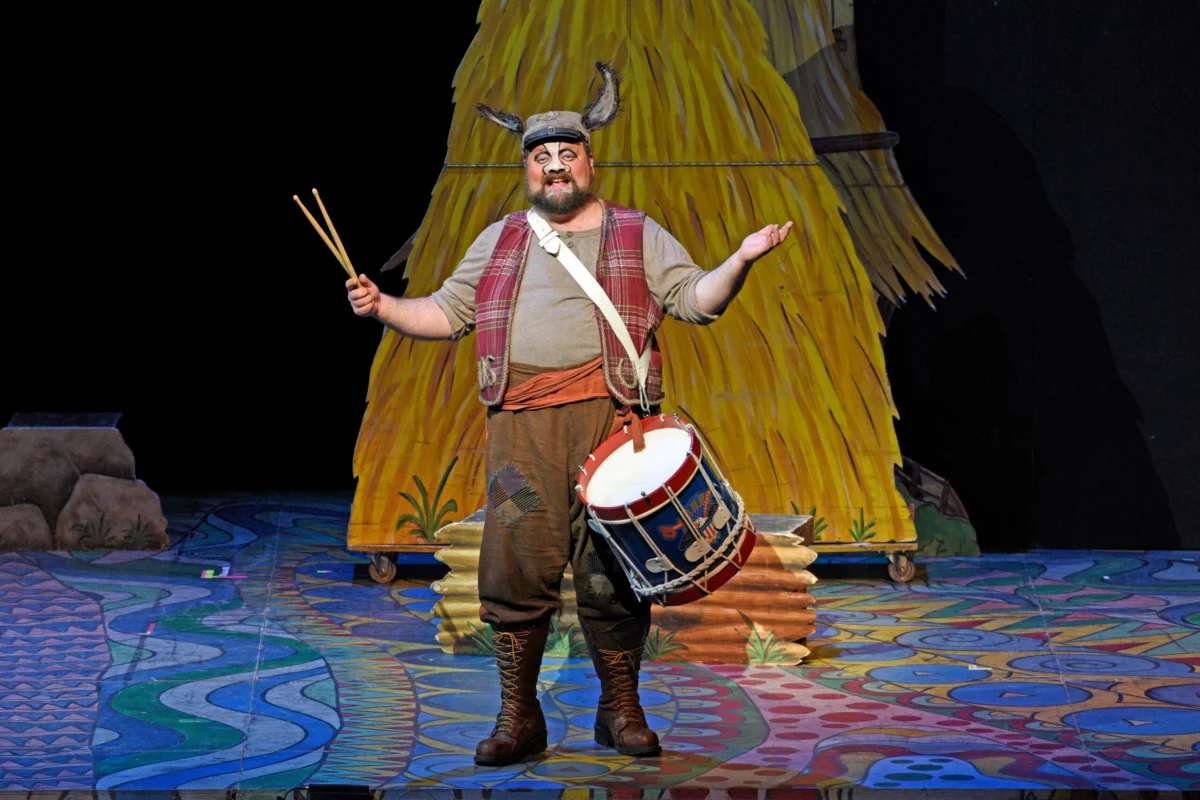
The Dallas Opera has officially unveiled its comprehensive slate of family and community-oriented programming for the fall 2026 season, signaling a strategic commitment to expanding operatic accessibility across North Texas. By leveraging both traditional theater spaces and innovative mobile staging technology, the company aims to reach diverse demographics, ranging from students in school-aged matinees to neighborhood residents at local outdoor venues. This season’s curriculum focuses on two primary productions: an operatic adaptation of The Town Musicians of Bremen and the highly anticipated return of Rachel Portman’s The Little Prince.
A Multidisciplinary Approach to Classic Storytelling
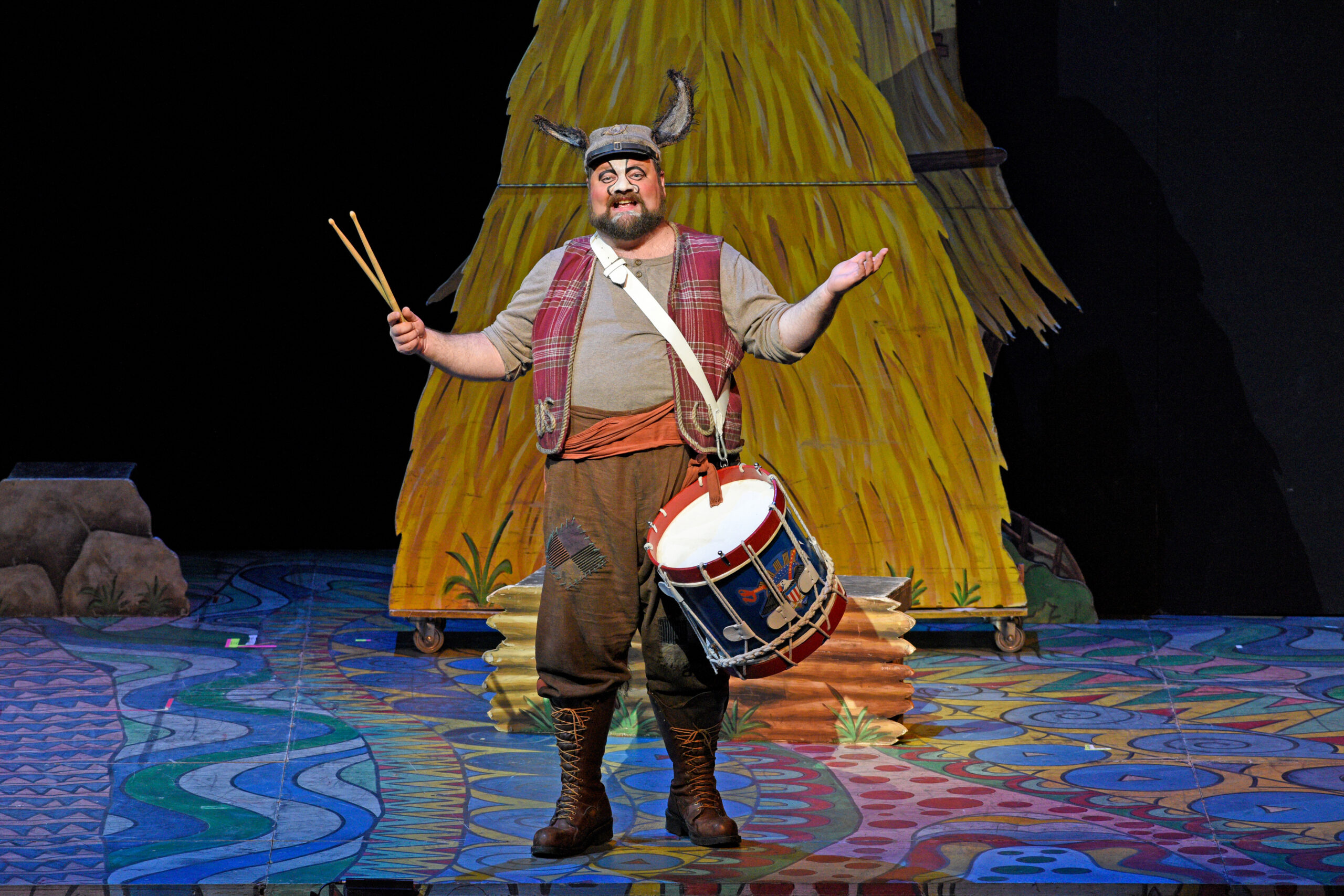
The season’s centerpiece for broader community outreach is an inventive, 35-minute operatic adaptation of The Town Musicians of Bremen. This production, penned by John Davies, serves as a gateway to the genre by weaving together a pastiche of musical highlights from some of opera’s most celebrated composers, including Jacques Offenbach, Gioachino Rossini, Gaetano Donizetti, Arthur Sullivan, and Giuseppe Verdi.
By utilizing familiar melodic structures and a narrative deeply rooted in folklore, the production is designed to dismantle common barriers to entry for younger audiences. The choice of composers—spanning the Italian bel canto tradition, French opéra bouffe, and English comic opera—provides a historical survey of the art form within a digestible, high-energy format. This production is scheduled for its primary debut on October 17, 2026, serving as the inaugural event of the fall programming series.
Innovation in Outreach: The OperaTruck Initiative
Following its initial presentation, The Town Musicians of Bremen will embark on a regional tour through various community venues from October 24 through December 5, 2026. A pivotal component of this tour is the utilization of the OperaTruck, a mobile stage built atop a specialized 18-wheel flatbed trailer.
The OperaTruck represents a significant capital investment in decentralized performance. Donated by the Dallas Opera’s Board Chair, Quincy Roberts, the vehicle is engineered to provide a professional acoustic and visual environment in non-traditional settings such as parks, public plazas, and community centers. The logistical flexibility of the OperaTruck allows the Dallas Opera to bypass the geographic and economic constraints associated with the traditional opera house, effectively meeting the audience where they live. This mobile strategy reflects a growing trend among major North American arts organizations to prioritize “radical accessibility,” ensuring that the cultural value of live performance is not restricted to the downtown arts district.
The Return of The Little Prince
While the mobile tour focuses on regional accessibility, the company is simultaneously doubling down on its commitment to high-caliber, staged productions. From November 2 to November 8, 2026, the Dallas Opera will bring back its production of The Little Prince, composed by Rachel Portman with a libretto by Nicholas Wright.
This production returns to the stage following a sold-out run last season, a testament to its resonance with contemporary audiences. The 50-minute adaptation, meticulously crafted by Mary Dibbern, is specifically tailored to balance the artistic complexity of the source material with the attention spans of a younger demographic. The inclusion of The Dallas Opera Orchestra ensures that the production maintains the sonic fidelity expected of a world-class institution.
Musical direction for the student matinee performances will be led by a collaborative team: Head of Music and Chorus Director Paolo Bressan and the Martha R. and Preston A. Peak Fellow, Claire Lewis. By integrating fellowship positions into the conducting team, the Dallas Opera is not only providing professional development for emerging conductors but also signaling a focus on the generational transition of musical leadership within the organization.
Contextualizing the Dallas Opera’s Educational Mission
The programming for fall 2026 must be viewed within the broader context of the Dallas Opera’s long-term educational strategy. Over the past decade, the organization has consistently prioritized the development of youth-oriented programming to foster a sustainable pipeline of future patrons. National data from organizations like OPERA America suggests that engagement with opera at a young age is a primary predictor of lifelong arts participation.
By offering a mix of ticketed matinees and free community performances, the Dallas Opera is addressing the socioeconomic disparities that often dictate cultural access. The school-based matinees, in particular, provide a structured pedagogical environment where the opera can be integrated into broader literacy and arts curricula. The technical adaptation of these works—truncating the runtimes to approximately 35 to 50 minutes—is a deliberate effort to align with the developmental needs of school-aged children while maintaining the integrity of the vocal and orchestral writing.
Implications of Mobile Performance Models
The reliance on the OperaTruck underscores a shift in how mid-to-large-sized arts institutions view their physical footprint. Historically, opera houses were designed as “temples of art,” requiring audiences to travel to central urban hubs. The move toward mobile stages reflects a realization that modern urban planning and changing lifestyle habits necessitate a more fluid presence.
By deploying the OperaTruck across the Dallas-Fort Worth metroplex, the company is engaging in “neighborhood diplomacy.” This strategy creates a visible, tangible presence in communities that may not have had direct exposure to live opera in years, if ever. This is likely to bolster the company’s brand identity, positioning it as an inclusive community resource rather than an exclusive elite institution.
Operational Coordination and Leadership
The execution of a dual-track season—balancing mobile outdoor performances with sophisticated indoor productions—requires a high level of operational coordination. The appointment of Paolo Bressan to oversee the music for the student matinees suggests that the company is prioritizing the quality of these youth engagements as much as it does its mainstage subscription series.
Furthermore, the collaboration between established leadership and the Martha R. and Preston A. Peak Fellowship underscores a commitment to mentorship. By placing the fellowship recipient in a conducting role for the student matinees, the organization is investing in the future of the field while ensuring that the current generation of students is exposed to new and diverse voices in the conducting world.
Broader Impact on the Arts Landscape
The Dallas Opera’s 2026 fall strategy serves as a potential model for other regional arts organizations navigating a post-pandemic landscape. As the performing arts industry grapples with shifting audience habits and the need for greater demographic reach, the focus on short-form, mobile, and educational programming offers a viable path forward.
The success of The Little Prince last season suggests that there is a robust market for high-quality, family-friendly operatic works. By scaling this success through a mix of return engagements and new, highly accessible mobile performances, the Dallas Opera is optimizing its resources to maximize impact.
As the October start date approaches, the logistics of the tour will be closely monitored by stakeholders. The integration of community-based performance venues with professional, orchestral-backed productions creates a comprehensive ecosystem of engagement. For the city of Dallas, this season promises to be a significant expansion of the cultural landscape, reinforcing the city’s status as a hub for both traditional and innovative performing arts. The fall 2026 programming is not merely a collection of performances, but a deliberate effort to secure the future of the art form by embedding it into the fabric of the community.