 Kholidah
The Context of the TEAZEN x TWICE Collaboration
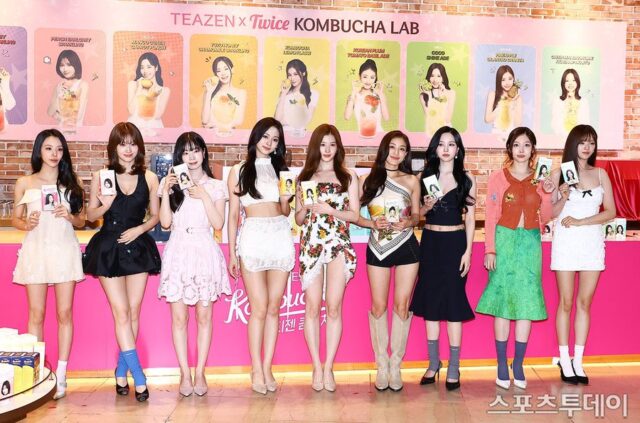
The event in question took place in Seoul’s vibrant Seongsu-dong district, a hub for fashion and lifestyle pop-up activations. TWICE, who have served as global ambassadors for TEAZEN, appeared at the "Kombucha Lab" to engage with media and fans. As one of the most commercially successful girl groups in history, TWICE’s public appearances are meticulously documented by international press and thousands of fan-operated "fansites." Every aesthetic detail, from hair color to accessories, is analyzed by a global audience.
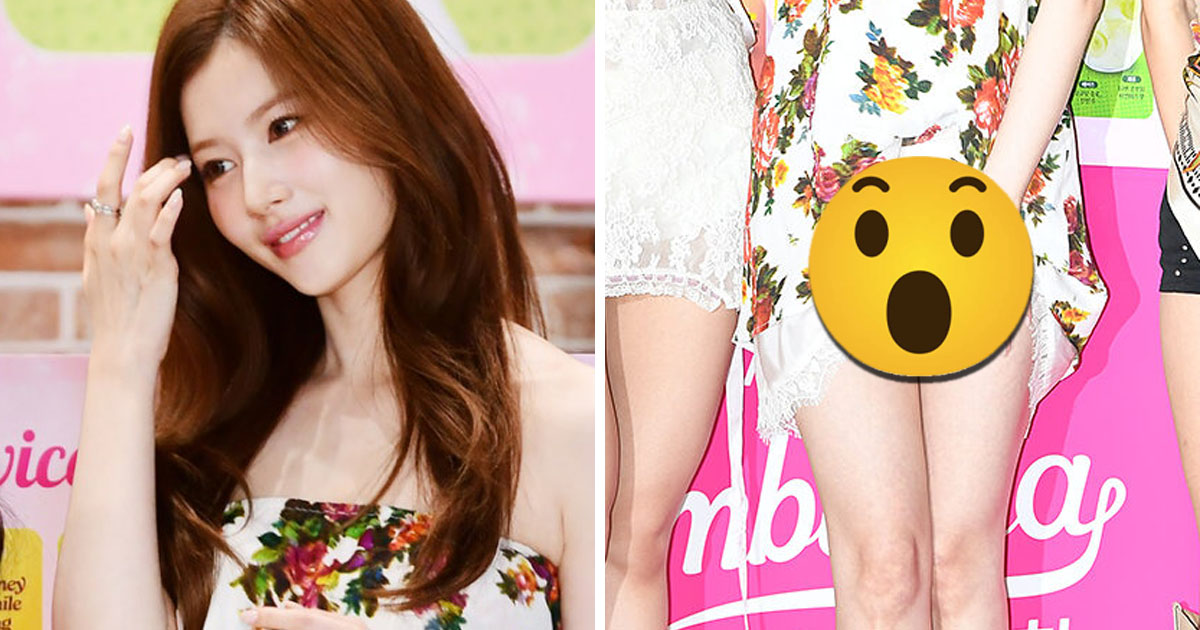
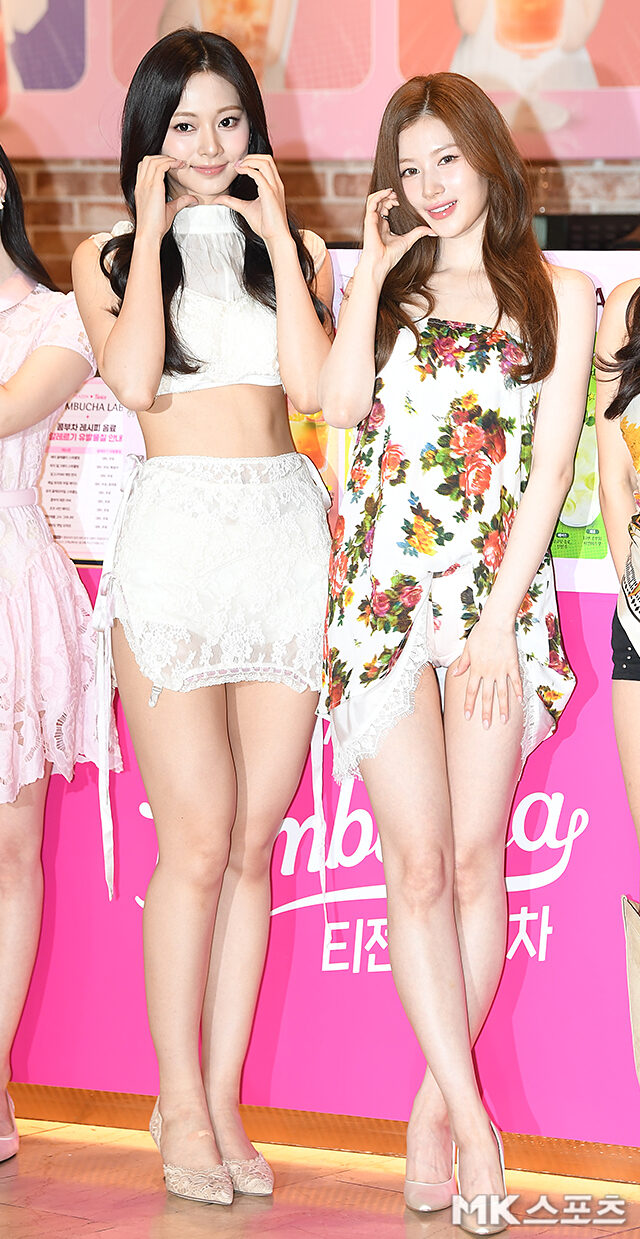
Sana, known for her sophisticated and versatile fashion sense, arrived at the venue wearing a floral-patterned ensemble. The outfit featured a structured dress with a high-slit or wrap-style front, paired with matching high-waisted shorts. However, as the group posed for the official "photo wall"—a standard requirement at South Korean promotional events—the arrangement of the dress appeared to many observers as unintentional. Photographs began circulating on social media platforms and community forums almost instantly, with many viewers questioning whether the front of the dress had been accidentally tucked into the undergarment or if the "no-pants" fashion trend had been taken to an extreme.
Chronology of the Incident and Online Reaction
The sequence of events began at approximately 2:00 PM KST when the members of TWICE arrived at the TEAZEN pop-up. As they moved through the press line, the visual discrepancy in Sana’s outfit became apparent. In several angles captured by professional photographers, the outer layer of the dress seemed to be pulled back, exposing the matching shorts in a manner that suggested a wardrobe malfunction rather than a deliberate stylistic choice.
By 4:00 PM KST, the terms "Sana," "TWICE outfit," and "Kombucha event" were trending on platforms such as X (formerly Twitter) and South Korean portal sites like Naver. The reaction was polarized. One segment of the online community expressed "backlash," arguing that the styling was overly revealing for a brand event focused on health and wellness. Another segment, primarily composed of the group’s dedicated fandom, ONCE, expressed concern that the stylist had failed to protect the artist’s modesty or that Sana had suffered an embarrassing accident without being notified by her staff.
The discourse intensified as netizens compared the "photo wall" images with candid shots taken later inside the venue. The discrepancy in how the garment sat on her frame fueled speculation. Was it a daring fashion statement, or a logistical failure in the moments leading up to her entrance?

Official Response: Sana Addresses the Controversy
In an era where K-pop idols are increasingly using direct-to-fan communication platforms to manage their public image, Sana chose to address the situation personally. Utilizing the Bubble app—a subscription-based messaging service that allows artists to communicate directly with fans—Sana provided a detailed explanation of the "behind-the-scenes" reality of the event.
According to Sana’s messages, the issue was indeed a result of a hectic schedule and a lack of final verification before stepping into the public eye. She revealed that during the initial fitting of the outfit, she and the styling team had been mindful of the dress’s design. They had intended for the front "gap" of the wrap-style dress to be securely closed to ensure a balanced silhouette.
However, Sana explained that the atmosphere backstage was "hectic." In the transition from the waiting area to the event floor, she did not have the opportunity to perform a final check in a full-length mirror. Consequently, the dress shifted, and the gap opened significantly, leading to the appearance that sparked the backlash. Sana expressed that she was "upset" upon discovering how the outfit appeared in photographs, acknowledging that the final look did not reflect the intended styling. Her transparency was noted by industry analysts as a strategic move to de-escalate the "backlash" by humanizing the error.
Analysis of K-Pop Styling and Wardrobe Logistics
The incident involving Sana highlights a broader issue within the K-pop industry regarding the functionality of "stage-ready" fashion. K-pop stylists often prioritize visual impact and brand representation, sometimes at the expense of the garment’s structural integrity during movement.
Professional stylists in the industry frequently utilize temporary fixes—such as safety pins, double-sided fashion tape, and internal stitching—to mold designer pieces to an idol’s specific proportions. In the case of Sana’s floral dress, the failure of such temporary measures, combined with the rapid pace of promotional events, created a "perfect storm" for a wardrobe malfunction.
Furthermore, the "no-pants" or "micro-short" trend has been a dominant force in 2024 and 2025 global fashion, popularized by brands like Miu Miu and adopted by various K-pop ensembles. This cultural context likely contributed to the initial confusion, as many onlookers were unsure if Sana was attempting to participate in a high-fashion trend or if she was simply the victim of a garment misalignment.

Supporting Data: The Impact of Wardrobe Malfunctions on Brand Value
In the high-stakes world of celebrity endorsements, a wardrobe malfunction can have measurable impacts on brand sentiment. Data from social media listening tools indicated that while the "underwear" outfit controversy drove a massive spike in mentions for TEAZEN, the sentiment was initially mixed.
- Volume of Mentions: Within 24 hours of the event, mentions of "TEAZEN" increased by over 400% compared to the previous daily average.
- Sentiment Shift: Prior to Sana’s explanation, sentiment was approximately 45% neutral, 30% negative (focused on the styling), and 25% positive. Following her personal clarification on Bubble, positive sentiment rose to 60%, as fans rallied to support her and praised her honesty.
- Search Trends: Google Trends data showed a surge in searches for "wrap dress styling" and "Sana TEAZEN event," indicating that the incident sparked a wider interest in the mechanics of the outfit itself.
This data suggests that while the "backlash" was significant, the artist’s direct intervention successfully pivoted the narrative from one of "scandal" to one of "relatable professional mishap."
Broader Implications for the Industry
The incident serves as a case study for how modern K-pop agencies and artists navigate PR crises. Traditionally, a talent agency like JYP Entertainment might have issued a formal press release or remained silent. However, the shift toward direct communication (via Bubble, Weverse, or Instagram Live) allows artists to control their own narrative in real-time.
Sana’s decision to take the mishap "in stride" and brush it off as a minor incident demonstrates a level of maturity and media literacy that is increasingly expected of veteran idols. Having debuted in 2015, Sana is a seasoned professional with over a decade of experience in the public eye. Her ability to address a sensitive topic—often categorized as "wardrobe malfunction" or "exposure"—without losing her composure is a testament to her professional standing.
Moreover, the incident has reignited discussions regarding the pressures placed on female idols to maintain perfect appearances under extreme scrutiny. The fact that a minor displacement of fabric could lead to international headlines and "serious backlash" underscores the intense aesthetic standards of the industry.
Conclusion
The controversy surrounding TWICE’s Sana and her "shocking" outfit at the TEAZEN x TWICE Kombucha Lab event was ultimately a result of the high-speed, high-pressure nature of the South Korean entertainment industry. While the initial photographs led to widespread speculation and criticism, Sana’s candid explanation provided the necessary context to resolve the issue.
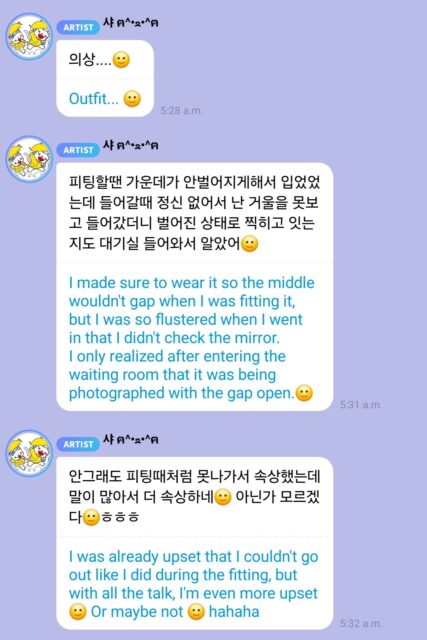
By clarifying that the "gap" in her dress was an oversight caused by a lack of a final mirror check in a "hectic" environment, she effectively neutralized the backlash. The event, while momentarily overshadowed by the fashion discourse, ultimately highlighted the strong bond between Sana and her fanbase, as well as the evolving ways in which celebrities manage their public image in the digital age. As TWICE continues their global activities, this incident will likely be remembered not as a scandal, but as a brief logistical error handled with grace and transparency by one of the industry’s most influential figures.