
 Lana Akmaluna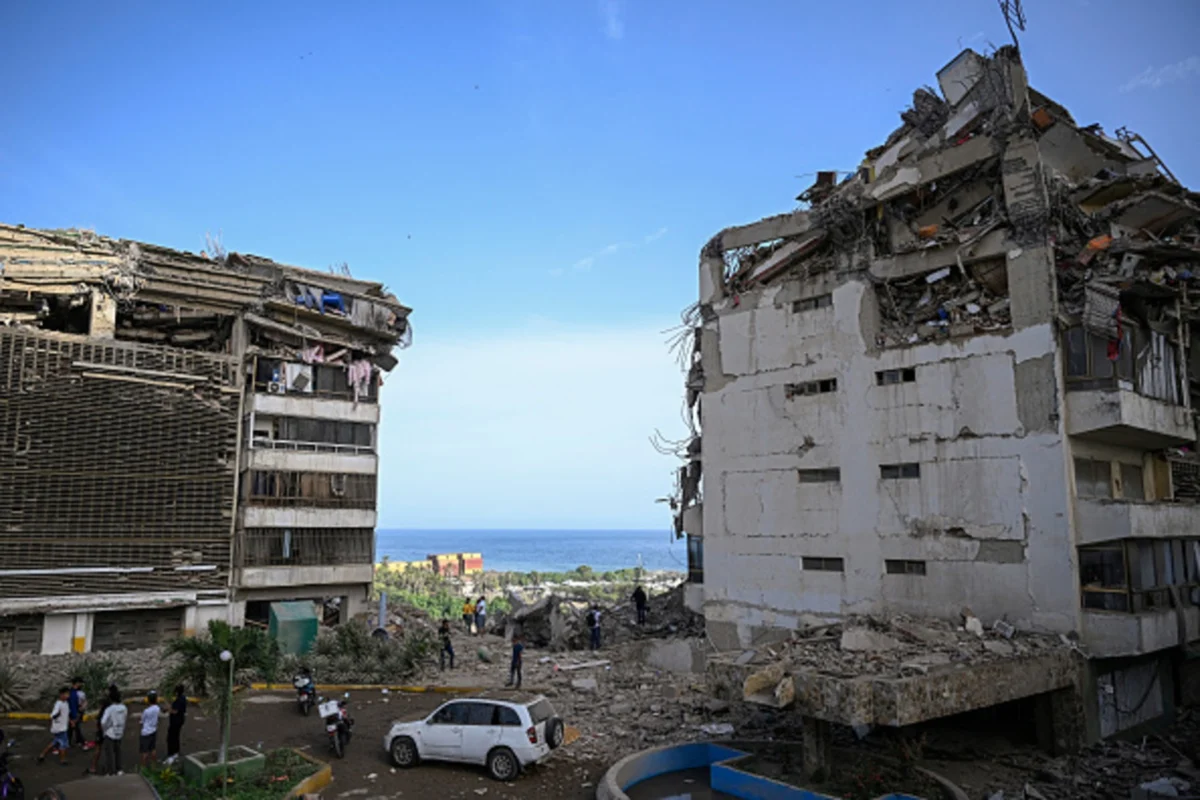
The South American nation of Venezuela remains in a state of profound national emergency following a catastrophic pair of earthquakes that struck the country’s central coastline on June 24, 2026, leaving a trail of unprecedented destruction and a humanitarian crisis that continues to escalate. According to the latest figures released by the Associated Press on July 1, 2026, the confirmed death toll has climbed to at least 2,295 individuals, with more than 11,000 reported injured and thousands more still missing beneath the remains of collapsed residential and commercial structures. This seismic event, identified as the most powerful to strike the region in over a century, has overwhelmed a healthcare system already struggling with years of instability, prompting a massive international relief effort and a global call for aid.
Technical Overview and Chronology of the Disaster
The disaster began on the afternoon of June 24, 2026, when the U.S. Geological Survey (USGS) recorded a magnitude 7.2 earthquake at approximately 105 miles west of the capital city, Caracas. The epicenter was located just west of the coastal town of Morón, at a depth of roughly 14 miles. While the initial shock was powerful enough to cause significant structural damage and widespread panic, it was followed only sixty seconds later by a second, even more violent tremor. This second earthquake registered a magnitude of 7.5 and occurred at a much shallower depth of approximately 6 miles, with an epicenter situated 10 miles southwest of Morón.
The "twin" nature of these quakes—a rare and devastating phenomenon—compounded the destruction. Structures that had been weakened or partially compromised by the 7.2 magnitude shock were unable to withstand the subsequent 7.5 magnitude event. The shallow depth of the second quake meant that the energy released was felt with extreme intensity at the surface, leading to the total pancake collapse of several high-rise apartment buildings in the coastal state of La Guaira and the densely populated neighborhoods of Caracas. In Catia La Mar, a major coastal hub, the destruction was particularly severe, with entire blocks of housing reduced to concrete dust and twisted rebar.
The Humanitarian Crisis and Medical Emergency
A week after the initial shocks, the situation on the ground remains dire. Search and rescue teams, composed of local first responders and international task forces, continue to work around the clock in a desperate race against time to locate survivors. However, the window for finding individuals alive beneath the rubble is rapidly closing. The sheer volume of debris has necessitated the use of heavy machinery, but many areas remain inaccessible due to fractured roads and the risk of further landslides in the mountainous terrain surrounding the capital.
Medical professionals have issued urgent warnings regarding a "widening medical crisis." Hospitals in Caracas and La Guaira are currently operating far beyond their intended capacities. Surgeons are reportedly performing procedures in hallways and makeshift tents, often without adequate anesthesia or sterilized equipment. Beyond the immediate trauma of earthquake-related injuries, there is a growing threat of infectious diseases. The rupture of water mains and the collapse of sewage systems have led to concerns over water-borne illnesses such as cholera and typhoid. Furthermore, the lack of shelter for hundreds of thousands of displaced citizens has created overcrowded conditions in temporary camps, facilitating the spread of respiratory infections.
The Associated Press reports that the healthcare system is "on the brink," a situation exacerbated by a pre-existing shortage of basic pharmaceuticals and medical supplies. Chronic patients, including those requiring dialysis or insulin, are now facing life-threatening interruptions in their treatment as all available resources are diverted to emergency trauma care.
Political Context and International Response
The earthquakes struck at a moment of significant political transition for Venezuela. Earlier in 2026, the country experienced a dramatic shift in governance following a surprise military operation that resulted in the capture of former president Nicolás Maduro. This transition has left the nation’s administrative infrastructure in a state of flux, though the current interim authorities have moved quickly to coordinate with international bodies.

The United States, despite the recent military friction, has emerged as a primary provider of disaster relief. U.S. Southern Command has deployed hospital ships and cargo planes carrying food, clean water, and search-and-rescue equipment to the region. Other nations, including Colombia, Brazil, and several European Union member states, have also dispatched specialized teams and financial aid. The United Nations has officially appealed for hundreds of millions of dollars in emergency funding to address the immediate needs of the nearly two million people estimated to be affected by the disaster.
Socio-Economic Impact and Infrastructure Damage
The economic implications of the June 24 earthquakes are expected to be felt for decades. Venezuela’s coastal infrastructure, which serves as a vital artery for trade and petroleum exports, has sustained billions of dollars in damage. The port of La Guaira, one of the country’s most important maritime gateways, has seen significant damage to its piers and loading facilities, severely hampering the arrival of commercial goods and the export of national resources.
In the capital city of Caracas, the damage to the power grid has resulted in rolling blackouts, affecting everything from communication networks to the refrigeration of food supplies. Many residents have been forced to cook over open fires and fetch water from natural springs in the hills, as the municipal water system remains largely non-functional. The psychological toll on the population is equally immense; social media platforms have been flooded with videos of residents fleeing swaying skyscrapers and families pleading for information on missing loved ones.
Efforts by the Global Community and Cultural Figures
In response to the tragedy, a broad coalition of organizations, businesses, and cultural figures has mobilized to raise funds. The music industry, in particular, has taken a leading role in humanitarian advocacy. Numerous high-profile artists and musicians have utilized their platforms to direct fans toward verified relief organizations. Benefit concerts and digital fundraising campaigns are being organized globally to provide long-term support for the rebuilding of schools and hospitals.
The Billboard community and various entertainment entities have integrated donation portals into their platforms, emphasizing the need for sustained giving. Experts note that while immediate emergency aid is flowing, the "recovery phase" will require years of financial commitment to rebuild the housing stock and restore the social fabric of the affected regions.
How to Provide Assistance: Verified Organizations
For those looking to contribute to the relief efforts, several international and local organizations are currently on the ground providing life-saving services. It is recommended that donors prioritize cash contributions to established NGOs, as this allows for the flexible purchase of supplies within the region, reducing logistical costs.
- The International Federation of Red Cross and Red Crescent Societies (IFRC): The IFRC is working directly with the Venezuelan Red Cross to provide emergency shelter, first aid, and clean water to the hardest-hit communities in La Guaira and Caracas.
- UNICEF: Focusing on the needs of children, UNICEF is providing "school-in-a-box" kits, nutritional supplements, and psychological support for minors traumatized by the loss of their homes and families.
- Doctors Without Borders (MSF): MSF has expanded its existing operations in Venezuela to manage trauma centers and provide surgical interventions for the thousands injured in the collapse of buildings.
- World Food Programme (WFP): The WFP is coordinating the distribution of high-energy biscuits and meal kits to displaced populations who lack access to cooking facilities.
- Direct Relief: This organization is focusing on the delivery of emergency medical kits, containing essential medicines and supplies for treating chronic conditions and acute injuries.
Analysis of Long-Term Implications
The magnitude 7.2 and 7.5 earthquakes of 2026 will likely be remembered as a turning point in Venezuelan history. The disaster has forced a pause in political hostilities, necessitating a level of international cooperation not seen in the region for years. However, the path to recovery is fraught with challenges. The seismic vulnerability of the region’s building codes has been laid bare, and any future reconstruction will require a massive overhaul of urban planning to prevent a repeat of this level of loss.
As the search for the missing continues, the focus of the international community is shifting from immediate rescue to long-term stabilization. The resilience of the Venezuelan people is being tested on a scale that defies easy description. With over 2,000 lives lost and a nation’s infrastructure in ruins, the coming months will be critical in determining whether the country can emerge from this tragedy with a more robust and disaster-resilient foundation. For now, the priority remains the delivery of aid to those huddled in the shadows of the ruins, waiting for the help that the world has promised to provide.