Mia Khoirunisa
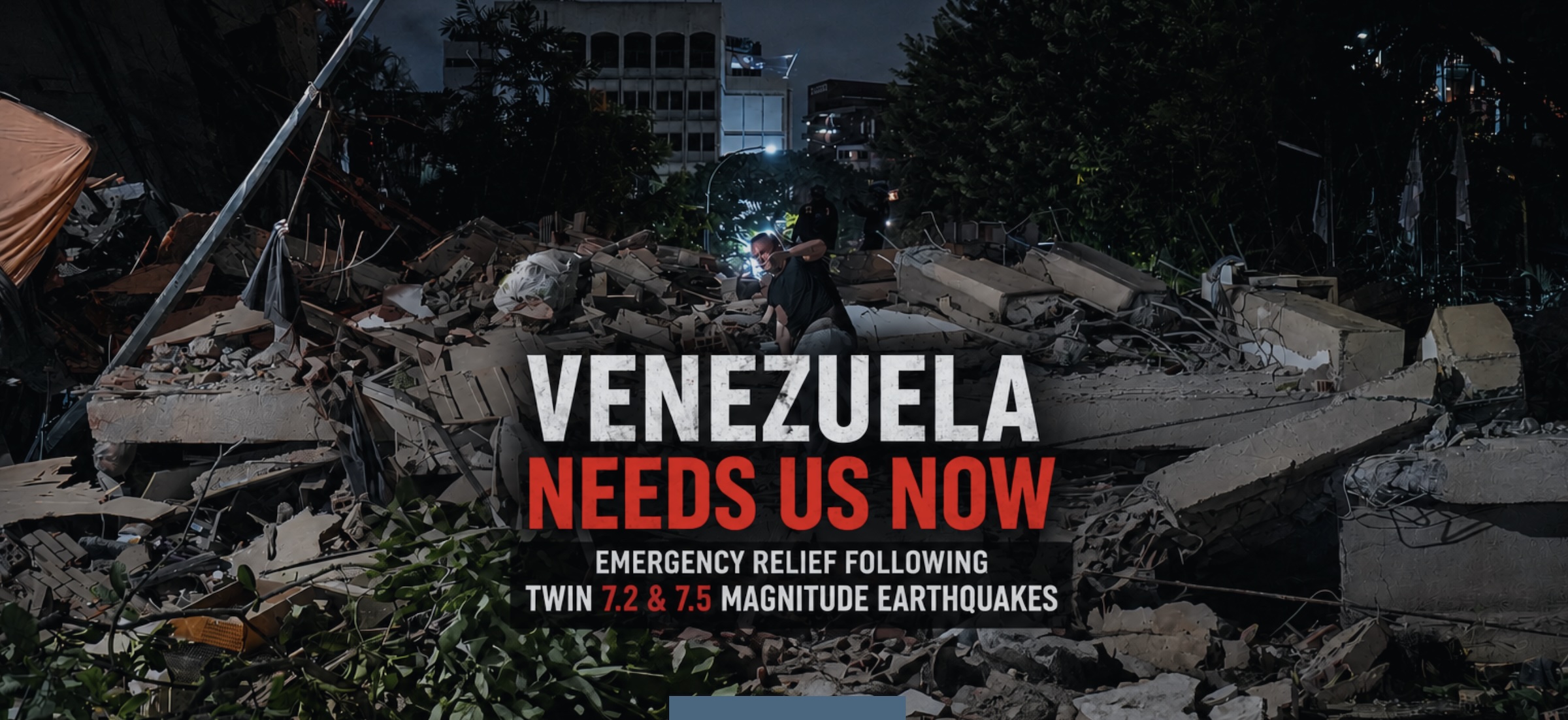
Venezuela is grappling with a profound humanitarian crisis following two powerful earthquakes that struck the nation on Wednesday night. The seismic events, among the strongest recorded in a century, have resulted in widespread devastation, a rapidly escalating death toll, thousands of injuries, and countless individuals trapped beneath rubble. The disaster has exposed and exacerbated existing fragilities within the country’s infrastructure, compounded by what critics describe as systemic government neglect and the complex geopolitical landscape influencing international aid.
The earthquakes, occurring in rapid succession, have impacted major population centers and critical infrastructure. Caracas, the capital city, has experienced significant damage, including to its international airport, which has severely hampered immediate relief efforts. The coastal region of La Guaira has also been devastated, with reports detailing widespread destruction of buildings and homes. The initial confirmed death toll, which was already over 200 at the time of the original report, has continued to rise as rescue operations intensify and the full extent of the destruction becomes clearer. Official figures are expected to climb further as search and rescue teams gain access to more remote and heavily impacted areas.
Timeline of Devastation
The initial seismic event occurred on Wednesday evening, followed shortly by a second, equally powerful tremor. The precise timing and magnitude of these events are crucial for understanding the unfolding disaster:
- Wednesday Evening: The first major earthquake struck Venezuela, registering a significant magnitude. This was swiftly followed by a second, powerful aftershock, amplifying the destruction and terror experienced by the population.
- Overnight and into Thursday: Rescue efforts commenced, hampered by darkness, damaged infrastructure, and the sheer scale of the disaster. Survivors began the arduous task of searching for loved ones amidst the debris.
- Ongoing: Emergency services, local communities, and international aid organizations are mobilizing to provide assistance, facing immense logistical challenges due to the widespread damage.
The seismic activity has been described by geologists as highly unusual for the region, prompting investigations into the specific fault lines and geological conditions that contributed to such a destructive event. Preliminary reports from seismological agencies indicate that the earthquakes were of significant magnitude, placing them among the most powerful to have affected Venezuela in recent history. The depth of the earthquakes also played a role in the intensity of the shaking felt across the country.
Infrastructure Vulnerabilities and Societal Inequalities
The catastrophic impact of these earthquakes extends beyond the immediate seismic forces. Observers and affected communities have pointed to the deeply ingrained vulnerabilities within Venezuela’s infrastructure, a consequence of years of economic hardship, political instability, and perceived government mismanagement. The images of people desperately pulling loved ones from collapsed buildings are stark reminders of the fragility of human settlements in the face of natural disasters, echoing similar scenes from conflict zones. However, in Venezuela, these images are a direct consequence of a predictable disaster meeting an inadequately prepared society.
The disaster has highlighted a critical issue: the lack of robust emergency preparedness and response mechanisms. Experts have noted that a well-maintained infrastructure, including earthquake-resistant building codes, updated emergency response plans, and readily available medical facilities, could have significantly mitigated the loss of life and property. The current situation suggests a long-term pattern of neglect, where critical infrastructure has been allowed to deteriorate, leaving the population exposed and vulnerable. This systemic weakness, critics argue, transforms a natural hazard into a human-made catastrophe.
Official Responses and International Aid
The Venezuelan government has declared a state of emergency in the affected regions and has initiated rescue and relief operations. However, the effectiveness and scale of these domestic efforts are being closely scrutinized, with many expressing concerns about the government’s capacity to adequately address the multifaceted needs arising from the disaster. International humanitarian organizations and governments have begun to offer assistance, but the process of delivering aid is complicated by the damaged infrastructure, particularly the airport in Caracas, and the country’s complex geopolitical relationships.
The article highlights the importance of supporting direct aid efforts, particularly those channeled through local organizations or trusted foundations. This approach is often advocated in situations where official channels may be slow, bureaucratic, or subject to political influence. The "We Love Foundation" is presented as a primary point of contact for donations, with a specific GoFundMe campaign established for "Emergency Relief for Venezuela Earthquake Victims." The recommendation to support direct projects underscores a broader trend in humanitarian aid, where grassroots initiatives and community-based organizations are seen as vital conduits for immediate and effective relief.
Furthermore, the article points to broader implications of foreign policy and international relations on humanitarian assistance. It mentions that the dismantling of organizations like the U.S. Agency for International Development (USAID) under previous administrations has been cited as a factor that could potentially slow down humanitarian relief efforts in regions like Venezuela. The impact of crippling economic sanctions, which have significantly strained the Venezuelan economy, is also noted as a factor that exacerbates the challenges faced by both the government and its citizens in responding to such a disaster.
Voices from the Venezuelan Diaspora and Arts Community
The human toll of the earthquakes is being felt acutely by the Venezuelan diaspora, many of whom have family and friends in the affected areas. The article features insights from Venezuelan-born artists Carlotta Aoun and Hyperaktivist (Ana Laura Rincon), whose perspectives offer a glimpse into the emotional and social impact of the disaster.
Carlotta Aoun, a media artist, expressed profound frustration and anger, articulating a sentiment echoed by many: "Raging against the inefficiency of the useless government – not only promoted years of infrastructure collapse, leaving you completely helpless facing this disaster. We’ve been waiting for this earthquake for 60 years. A government that cares would have hospitals ready and trained, military ready and trained, civilian drills… THE RAGE, THE ARRECHERA IS BEYOND." This powerful statement underscores the perceived long-standing systemic failures that have rendered the nation ill-equipped to handle such a catastrophe.
The artistic community is also mobilizing to support relief efforts. The book "Venezuelan Youth" by Silvana Trevale, published by Guest Editions, is being offered with all profits directed to the earthquake relief appeal. This initiative exemplifies how cultural products can be leveraged for humanitarian causes, providing both a means of financial support and a platform to raise awareness about the crisis. Similarly, London-based Olindo Records, dedicated to releasing Venezuelan music, has pledged 100% of its profits from record sales for a week to aid relief efforts, demonstrating the solidarity within the global Venezuelan community and its allies.
The article also draws attention to specific cases within the arts community. An urgent call for help was issued for Venezuelan artist Onai Quiñonez, who was reportedly trapped under earthquake rubble. This specific appeal, highlighted by Hyperallergic, underscores the personal tragedies unfolding amidst the widespread devastation and the critical need for timely and effective rescue operations.
Broader Implications and Global Context
The Venezuelan earthquakes serve as a stark reminder of the interconnectedness of natural disasters, societal resilience, and global political dynamics. The event prompts reflection on:
- The Role of Governance: The disaster has intensified scrutiny of governance structures and their capacity to ensure public safety and well-being. The narrative of "government neglect" is central to understanding the amplified impact of the earthquakes.
- The Impact of Sanctions and Foreign Policy: The article implicitly and explicitly touches upon how external factors, such as international sanctions and shifting foreign policies, can influence a nation’s ability to prepare for and respond to crises. The mention of the U.S. Agency for International Development (USAID) and past U.S. foreign policy towards Venezuela suggests a complex interplay of factors affecting aid delivery and the overall state of national infrastructure.
- The Power of Mutual Aid and Grassroots Initiatives: In the face of systemic challenges, the article emphasizes the critical role of mutual aid networks and community-driven relief efforts. The innovative use of delivery apps for organizing aid and the creation of comprehensive resource documents (like the Google Doc assembled by Andrea Cáceres) highlight the ingenuity and resilience of civil society.
The call to action extends beyond financial donations. Sharing information, raising awareness, and supporting artists and cultural initiatives that amplify the voices of those affected are presented as equally important contributions. The inclusion of videos featuring Venezuelan artists Carlotta Aoun and Hyperaktivist provides a broader context of their work and their connection to Venezuela, underscoring the rich cultural heritage that is also at risk amidst such crises.
As the situation continues to evolve, the focus remains on providing immediate relief, supporting long-term recovery efforts, and addressing the underlying systemic issues that contribute to vulnerability in the face of natural disasters. The tragedy in Venezuela is a complex nexus of seismic forces, societal preparedness, and geopolitical realities, demanding a multifaceted and compassionate response from both within the country and from the international community. The ongoing efforts to mobilize aid, amplify voices, and foster solidarity are crucial in navigating this profound humanitarian challenge.