Reynand Wu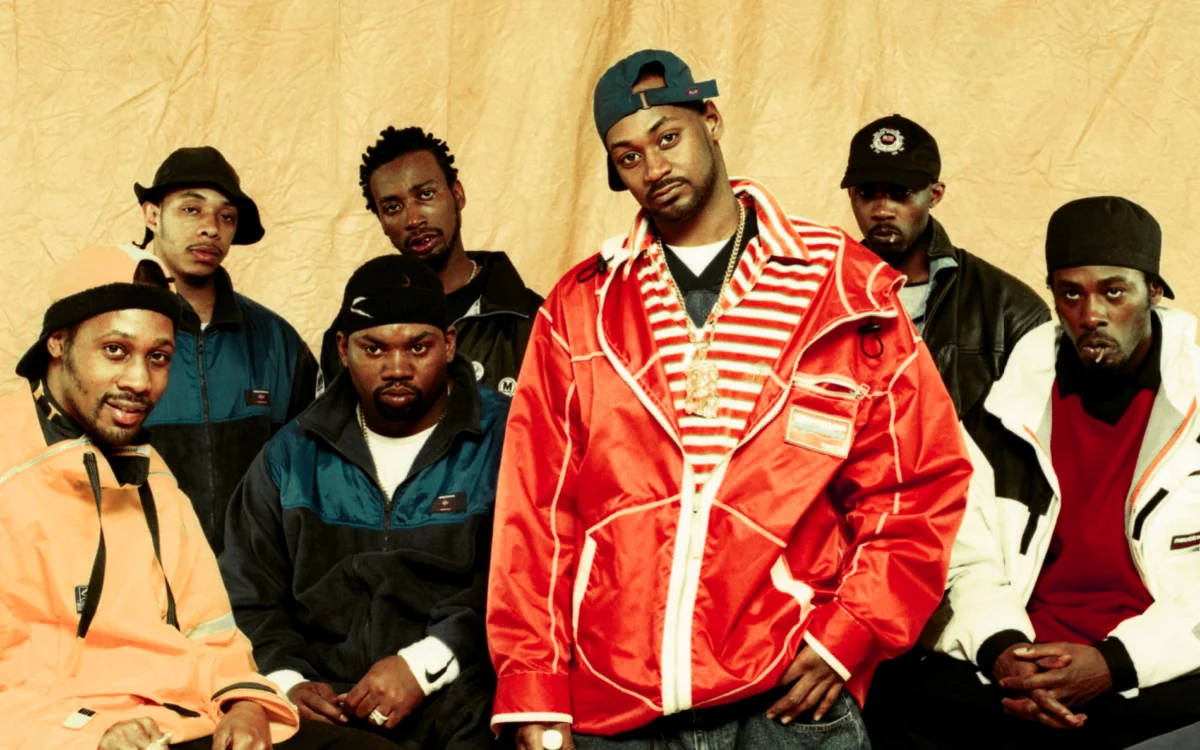
The iconic hip-hop collective Wu-Tang Clan has officially secured their place in music history, being voted into the prestigious Rock & Roll Hall of Fame as part of the highly anticipated Class of 2026. The announcement, made on Monday, April 13, revealed a diverse group of inductees that underscores the Hall’s broadening definition of musical excellence and influence across genres. Alongside the Staten Island rap titans, the esteemed list includes the soulful sounds of Sade, the timeless R&B artistry of Luther Vandross, the Britpop anthems of Oasis, the heavy metal prowess of Iron Maiden, the prolific solo career of Phil Collins, the punk-rock energy of Billy Idol, and the influential post-punk and electronic fusion of Joy Division/New Order.
A Landmark Year for Hip-Hop Recognition
In a significant acknowledgment of their foundational impact, fellow rap luminaries Queen Latifah and MC Lyte will also be honored with the "Early Influence" award. This special recognition highlights their pioneering roles in shaping the landscape of hip-hop and popular culture, particularly for women in music. Their induction alongside Wu-Tang Clan solidifies a landmark year for hip-hop’s representation within the revered institution, reflecting the genre’s undeniable cultural omnipresence and artistic evolution.
The formal induction ceremony is scheduled to take place on November 14 at the Peacock Theater in Los Angeles. Music enthusiasts worldwide will have the opportunity to witness the celebration, as the event will be broadcast in December on ABC and subsequently available for streaming on Disney+. This televised event provides a crucial platform to celebrate the careers and legacies of these influential artists.
Wu-Tang Clan: A Legacy Forged in Fire
The induction of Wu-Tang Clan is a testament to their unparalleled impact on music since their formation in the early 1990s. Emerging from the gritty streets of Staten Island, New York, the collective — comprising RZA, GZA, Ol’ Dirty Bastard, Method Man, Raekwon, Ghostface Killah, Inspectah Deck, U-God, Masta Killa, and Cappadonna — revolutionized hip-hop with their distinct sound, intricate lyrical narratives, and groundbreaking business model. Their 1993 debut album, Enter the Wu-Tang (36 Chambers), is widely regarded as a seminal work, known for its raw, unfiltered production, martial arts-inspired themes, and the members’ distinctive vocal deliveries and complex rhyme schemes. The album not only achieved critical acclaim and commercial success but also laid the groundwork for a new era of East Coast hip-hop, influencing countless artists across various genres.
Beyond their collective work, the individual members of Wu-Tang Clan launched highly successful solo careers, often under the guidance of RZA’s visionary production. Albums like Method Man’s Tical, Raekwon’s Only Built 4 Cuban Linx…, and GZA’s Liquid Swords are considered classics in their own right, showcasing the depth of talent within the group and further solidifying their individual and collective legacies. Their innovative contract, allowing members to sign solo deals with other labels while maintaining the group’s integrity, was a revolutionary move that redefined artist autonomy within the music industry.
Artist Reactions to the Monumental Honor
Upon receiving the news, members of Wu-Tang Clan expressed profound gratitude and pride. RZA, the group’s de facto leader and sonic architect, shared his sentiments on Instagram, stating, "In all Humility. This announcement filled me with joy, proudness, profound achievement, and awe. I’m grateful to all my brothers and those who helped us on the path. Thank you Rock & Roll Hall of Fame. This is a true Triumph – Wutang Forever." His words underscore the collective effort and long journey that culminated in this prestigious recognition.
Raekwon, known for his vivid storytelling and commanding presence, added his characteristic flair to the celebration: "History books will know this club! this my grammy. what we talking bout! haaaaaaaaaaa. shout out to all our mothers who birth these men. they won tonite." His reaction highlights the personal significance of the award, equating it to the highest accolades in music and acknowledging the sacrifices and support from their families. GZA, the intellectual force behind many of the group’s lyrical masterpieces, offered a more reflective statement: "We couldn’t have reached this milestone without our hip hop predecessors, fans, collaborators, friends and family. We thank you." This acknowledgement speaks to the interconnectedness of the hip-hop community and the enduring support system that propelled Wu-Tang to global superstardom.
The Rock & Roll Hall of Fame’s Evolving Definition
The inclusion of Wu-Tang Clan, Queen Latifah, and MC Lyte further solidifies the Rock & Roll Hall of Fame’s commitment to recognizing the diverse tapestry of popular music that has shaped global culture. While its name traditionally evokes images of guitar-wielding rock stars, the institution has progressively expanded its criteria to embrace genres like R&B, soul, pop, country, and, significantly, hip-hop. Eligibility for induction requires an artist or band to have released their first commercial recording at least 25 years prior to the year of nomination, making the Class of 2026 eligible based on their early 1990s debuts.
The selection process involves an international voting body comprising more than 1,200 inductees, historians, and music industry professionals. These voters consider factors such as an artist’s musical influence on other artists, the longevity and depth of their career, their body of work, innovation, and superiority of style and technique. The Hall’s embrace of hip-hop, which began with Grandmaster Flash and the Furious Five in 2007, reflects a broader cultural shift in acknowledging the genre’s profound artistic and commercial impact.
A Chronology of Hip-Hop in the Hall
With the addition of Wu-Tang Clan, Queen Latifah, and MC Lyte, the total number of hip-hop acts honored in the Rock & Roll Hall of Fame now stands at 18. This growing representation is a testament to hip-hop’s undeniable legacy and its evolution from an underground movement to a global cultural phenomenon. The lineage of hip-hop inductees illustrates a deliberate effort by the Hall to recognize the genre’s pioneers and innovators.
Grandmaster Flash and the Furious Five broke barriers as the first hip-hop group inducted in 2007, paving the way for future generations. They were followed by other foundational acts such as Run-DMC (2009), Beastie Boys (2012), Public Enemy (2013), and N.W.A (2016). More recently, the Hall has honored a new wave of hip-hop legends, including JAY-Z (2021), Eminem (2022), and Missy Elliott (2023). Other notable inductees include 2Pac (2017), The Notorious B.I.G. (2020), OutKast (2024), and A Tribe Called Quest (2024).
Beyond the main performer category, the Hall has also recognized crucial figures through special awards. LL Cool J, Salt-N-Pepa, and DJ Kool Herc, widely regarded as the "Father of Hip-Hop," have been honored with either the Early Influence Award or the Musical Excellence Award, highlighting their profound contributions to the genre’s birth and development. These distinctions ensure that various aspects of hip-hop’s history, from its earliest innovators to its most commercially successful artists, are duly acknowledged.
Other Notable Inductees and Overlooked Nominees
The Class of 2026 is distinguished by its eclectic mix, demonstrating the vast spectrum of music that has shaped popular culture. Sade, with her distinctive blend of jazz, soul, and R&B, has maintained a unique artistic presence for decades. Luther Vandross remains a titan of R&B, celebrated for his smooth vocals and romantic ballads. Oasis, a defining band of the Britpop movement, left an indelible mark with their anthemic rock. Iron Maiden represents the enduring power of heavy metal, with a career spanning over four decades. Phil Collins’s prolific solo career, following his success with Genesis, yielded numerous global hits. Billy Idol’s punk-rock rebellion and pop sensibilities carved out a unique niche. Joy Division/New Order’s dual induction acknowledges their profound influence on post-punk, new wave, and electronic music, bridging two distinct yet interconnected phases of their creative output.
While this year’s inductee class is celebrated, the announcement also highlighted several prominent artists who were nominated but ultimately did not receive enough votes. Among these were the critically acclaimed Lauryn Hill, the pop icon Mariah Carey, and the global sensation Shakira. Their nominations underscore their significant cultural impact and suggest that future considerations for induction are highly probable, reflecting the competitive nature of the Rock & Roll Hall of Fame selection process.
Broader Implications and Cultural Significance
The induction of Wu-Tang Clan, Queen Latifah, and MC Lyte into the Rock & Roll Hall of Fame carries significant cultural weight. It serves as a powerful validation of hip-hop’s artistic merit, historical importance, and enduring influence on global music. For Wu-Tang Clan, it recognizes their innovative approach to group dynamics, their profound lyrical and sonic artistry, and their role in establishing a distinct East Coast sound that continues to resonate. For Queen Latifah and MC Lyte, the "Early Influence" award acknowledges their trailblazing efforts in a male-dominated industry, setting precedents for female empowerment and lyrical prowess within hip-hop.
This year’s diverse class reflects a more inclusive vision for the Hall, one that seeks to encompass the full spectrum of popular music that has fundamentally altered the cultural landscape. It reinforces the idea that "rock & roll" is not merely a genre but an attitude, a spirit of innovation, and a force for cultural change that transcends stylistic boundaries. As these legends prepare for their formal induction, their recognition marks another pivotal moment in the ongoing narrative of music history, celebrating the profound and lasting contributions of artists who dared to push boundaries and redefine the sound of their generations.