Kholidah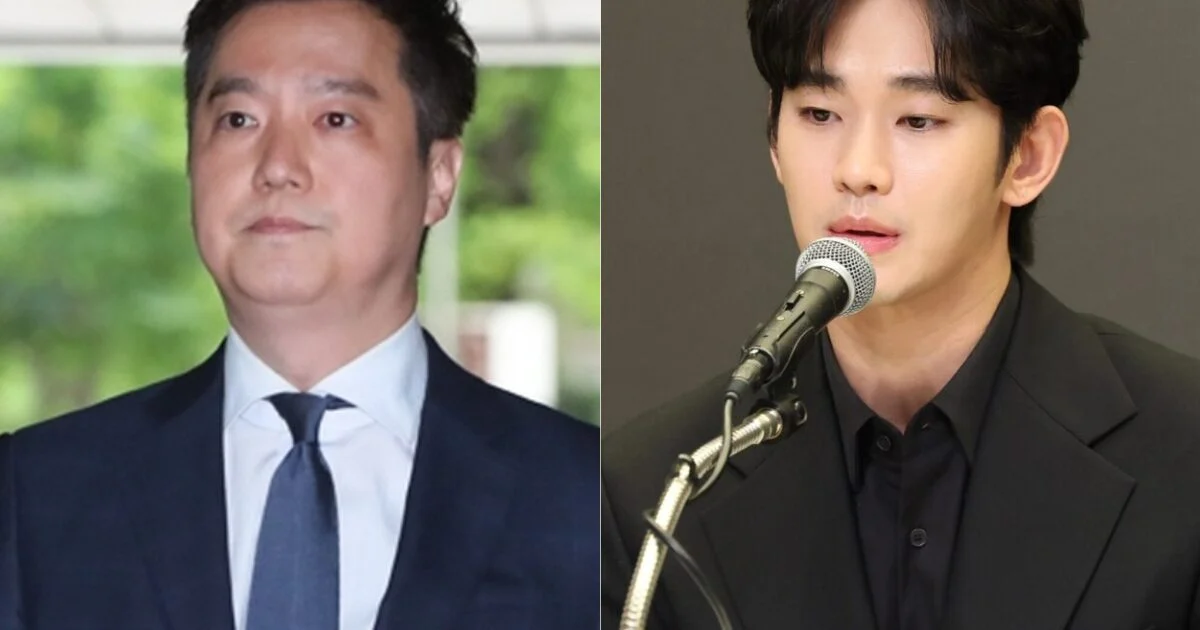
The South Korean legal and correctional systems are currently navigating a high-profile case involving one of the nation’s most controversial digital media figures. Kim Se Ui, the operator of the influential and often divisive YouTube channel Garo Sero Institute, has been placed under protective custody in a solitary cell at the Seoul Detention Center. This development follows his arrest on charges of spreading malicious and false information regarding top-tier Hallyu actor Kim Soo Hyun. The allegations, which include claims of the actor’s involvement in the purported demise of actress Kim Sae Ron, have sent shockwaves through the entertainment industry and prompted a swift judicial response.
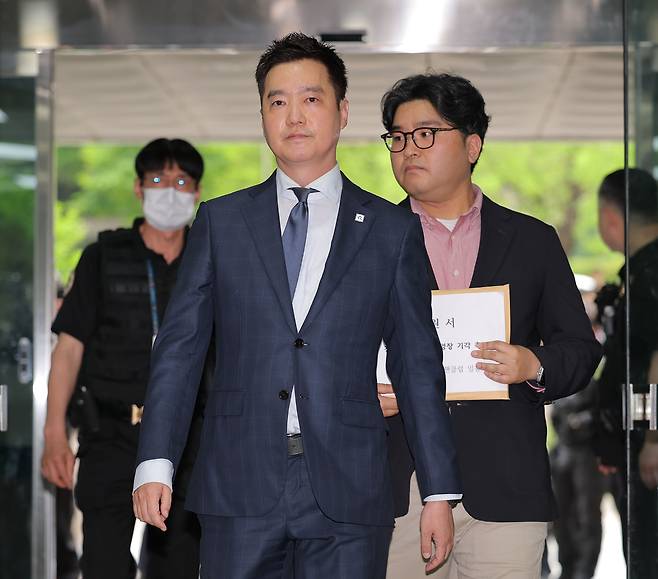
According to a report released on June 29 by Kyunghyang Shinmun, Kim Se Ui was transferred to the Seoul Detention Center after an initial period of detention at the Gangnam Police Station. The Seoul Central District Court approved the arrest warrant last month, citing the gravity of the defamation and the potential for the destruction of evidence or further harm to the victims’ reputations. Since early June, Kim has been occupying a single-occupancy cell, a departure from the standard communal living arrangements typical of South Korean correctional facilities.
The Decision for Solitary Confinement
The assignment of a solitary cell in the South Korean penal system is a measure reserved for specific circumstances, typically involving the safety of the inmate or the security of the institution. Under the Administration and Treatment of Correctional Institution Inmates Act, authorities may isolate a detainee if there is a credible threat of violence or if the inmate’s presence in a general population cell could lead to significant unrest.
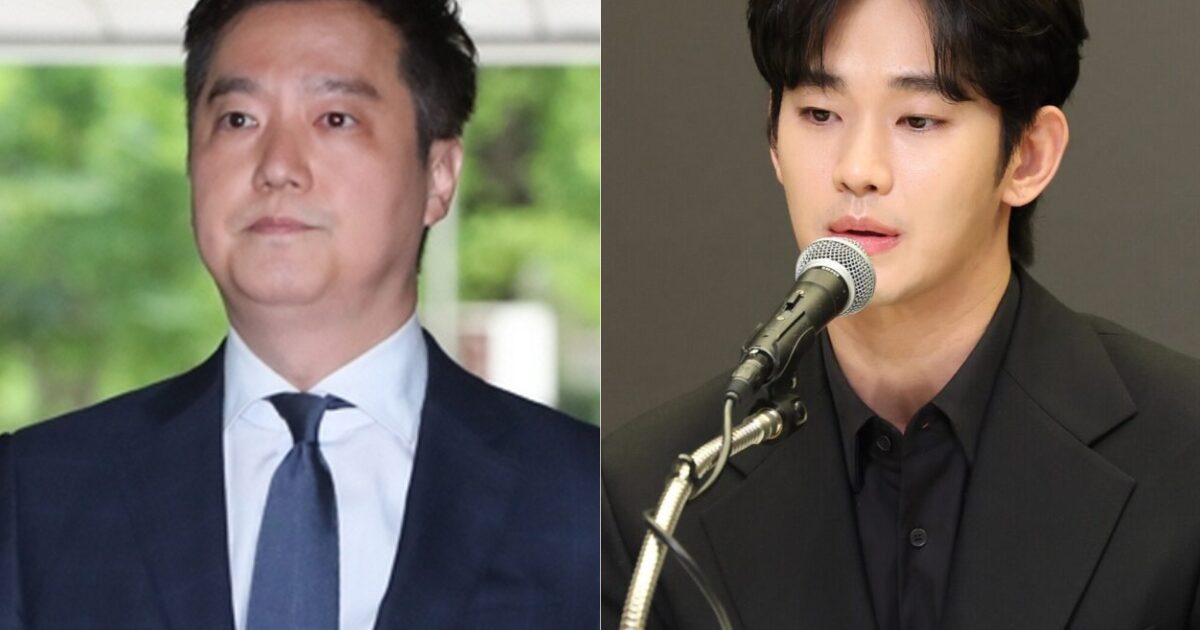
In the case of Kim Se Ui, his legal representatives successfully argued that his life and physical well-being were at risk. The primary source of this concern stems from public threats made by another prominent internet personality, Eun Hyun Jang. Following Kim’s arrest, Eun allegedly hosted a livestream in which he issued a series of provocative warnings. During the broadcast, Eun reportedly called upon "cell leaders" within the prison system to target Kim, suggesting that financial rewards would be provided to those who "handled" the YouTuber during his incarceration.
Eun Hyun Jang’s animosity toward Kim Se Ui is rooted in a separate legal battle. Kim had previously used his platform to link Eun to a significant investment fraud case, leading Eun to file a lawsuit for defamation. The escalating feud between the two digital creators has now spilled over into the real-world environment of the detention center, forcing prison officials to take the unusual step of isolating Kim to prevent potential jailhouse violence.
Allegations Involving Kim Soo Hyun and Kim Sae Ron
The core of the current criminal proceedings against Kim Se Ui involves a series of broadcasts produced by the Garo Sero Institute. In these videos, Kim alleged that actor Kim Soo Hyun was directly or indirectly involved in the "demise" of actress Kim Sae Ron. While the term "demise" in these reports has been interpreted by many as a reference to the total collapse of the actress’s career and public standing following her 2022 DUI scandal and subsequent financial struggles, the gravity of the YouTuber’s specific claims suggested a more sinister narrative that the court found to be entirely unsubstantiated.
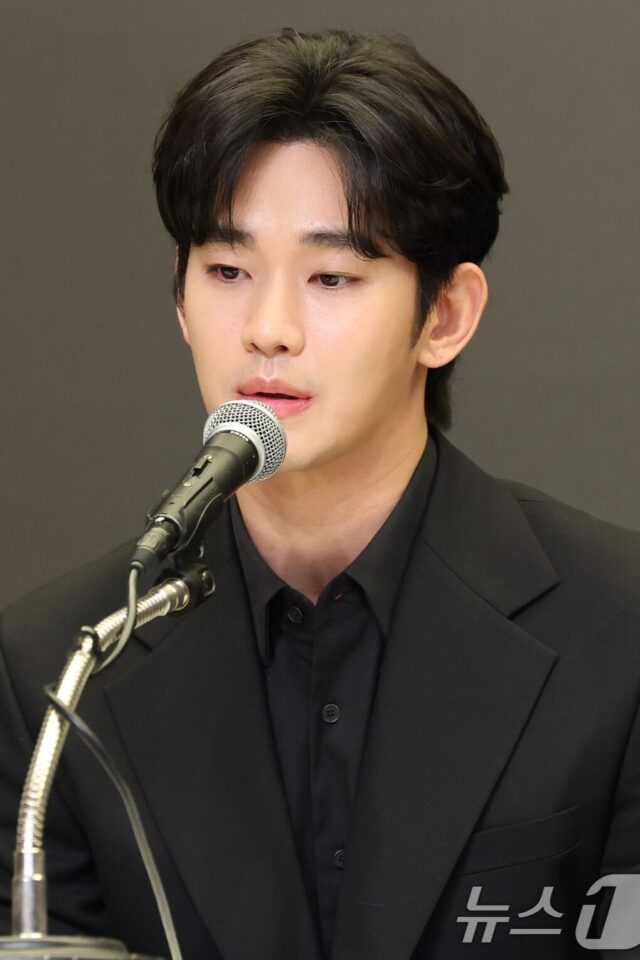
Kim Soo Hyun, known globally for his roles in My Love from the Star and Queen of Tears, is regarded as one of the most professional and scandal-free actors in the industry. The attempt to link him to the personal misfortunes of a former colleague was viewed by the prosecution as a calculated move to generate views and revenue through sensationalism. The actor’s agency has maintained a firm stance of zero tolerance toward these rumors, cooperating fully with law enforcement to ensure that the purveyors of false information face maximum legal consequences.

A Chronology of the Legal Conflict
The trajectory of Kim Se Ui’s legal troubles has been building for several months, reflecting a broader crackdown by South Korean authorities on "cyber-wreckers"—YouTubers who profit from celebrity scandals and character assassination.
- Late 2025 – Early 2026: Garo Sero Institute begins a series of "exposé" videos targeting Kim Soo Hyun, utilizing leaked photos and unverified testimonies to suggest a illicit connection to Kim Sae Ron.
- Spring 2026: Legal representatives for Kim Soo Hyun file multiple complaints with the Gangnam Police Station under the Act on Promotion of Information and Communications Network Utilization and Information Protection (Cyber Defamation).
- May 2026: The Seoul Central District Court reviews the evidence presented by the prosecution. Given the repetitive nature of the offenses and the high visibility of the victims, a judge approves an arrest warrant for Kim Se Ui.
- Late May 2026: Kim Se Ui is taken into custody and held at the Gangnam Police Station for initial interrogation.
- Early June 2026: Kim is transferred to the Seoul Detention Center. Following threats from Eun Hyun Jang, his lawyers petition for protective custody.
- June 29, 2026: Official reports confirm Kim has been in solitary confinement for nearly a month as he awaits trial.
Broader Charges: The Tzuyang Stalking Case
While the defamation case involving Kim Soo Hyun is a significant component of Kim Se Ui’s current legal woes, it is not his only battle. The YouTuber is also slated to stand trial on August 13 for charges related to the stalking and intimidation of the popular Mukbang creator, Tzuyang.
The Tzuyang case has been a landmark moment for the Korean YouTube community. It revealed a network of creators who allegedly conspired to extort and threaten the influencer regarding her past. Kim Se Ui is accused of using his platform to intimidate Tzuyang, contributing to a hostile digital environment that led to significant psychological distress for the victim. The prosecution intends to use the Tzuyang case to demonstrate a pattern of behavior where Kim Se Ui used the threat of public exposure to exert power over public figures.
The Role of ‘Cyber-Wreckers’ in Korean Society
The arrest of Kim Se Ui is emblematic of a shifting cultural and legal tide in South Korea. For years, "cyber-wreckers" operated in a gray area of the law, hiding behind the veil of "public interest" and "freedom of speech" to justify the dissemination of unverified rumors. These channels often employ aggressive editing, clickbait titles, and emotional narratives to monetize the downfall of celebrities.
The South Korean government and the Korea Communications Standards Commission (KCSC) have recently signaled a much more aggressive approach to regulating this content. New guidelines suggest that YouTube channels found guilty of repeated defamation can have their monetization stripped or be banned entirely from the platform. The fact that Kim Se Ui is currently in a solitary cell underscores the seriousness with which the judiciary is now treating digital harassment.
Official Responses and Public Sentiment
The reaction from the public has been largely supportive of the court’s decision. On various online forums, netizens have expressed exhaustion with the "scandal economy" created by Garo Sero Institute. One representative comment on a popular portal noted, "Freedom of speech does not include the right to destroy lives for profit. If these allegations were false, there must be a high price to pay."
Legal experts suggest that the solitary confinement of Kim Se Ui is a pragmatic move by the Ministry of Justice. "In high-profile cases where the defendant is a polarizing figure, the risk of internal prison violence is real," says Lee Sang-hyuk, a criminal defense attorney in Seoul. "By placing him in a single-occupancy cell, the authorities are protecting the integrity of the legal process. They want to ensure he stands trial in good health so that justice can be served through the courts rather than through vigilante actions inside the detention center."
Upcoming Court Dates and Potential Outcomes
The legal calendar for Kim Se Ui is densely packed. His first hearing for the defamation case involving Kim Soo Hyun is scheduled for July 14. During this hearing, the prosecution is expected to present digital forensics from the Garo Sero Institute’s servers and testimony from industry insiders to debunk the claims made against the actor.
Following that, the August 13 trial regarding the Tzuyang allegations will address the more severe charges of stalking and intimidation. Under South Korean law, cyber defamation can carry a prison sentence of up to seven years or a fine of up to 50 million KRW. However, when combined with charges of stalking and intimidation, the potential for a lengthy custodial sentence increases significantly.
As the July 14 hearing approaches, the entertainment industry remains watchful. The outcome of this case is expected to set a major precedent for how the law handles digital misinformation in the age of social media. For Kim Soo Hyun, the goal remains the full restoration of his reputation, while for the broader public, the case serves as a litmus test for the accountability of those who wield influence in the digital sphere.
The isolation of Kim Se Ui in a solitary cell at the Seoul Detention Center is a stark reminder of the real-world consequences of digital actions. As he awaits his day in court, the conversation in South Korea continues to evolve, moving toward a future where the boundary between online commentary and criminal harassment is more clearly defined and strictly enforced.