Mia Khoirunisa
The vibrant and innovative music scene in Lebanon has consistently demonstrated a profound commitment to mutual aid and vocal activism, channeling their experiences and concerns into both their artistic creations and direct community support. This spirit of resilience, evident from the experimental music collectives to initiatives like the Beirut Synthesizer Center, has yielded tangible results on the ground. However, a growing sentiment within these communities and among their advocates is that the international music industry and global press have yet to provide the commensurate level of attention and support warranted by their efforts and the dire circumstances they face.
The urgency for greater international engagement has been starkly underscored by recent devastating events. In a swift and brutal escalation, Israeli airstrikes targeted civilian areas across Lebanon, including the capital, Beirut, on a single day. Reports indicate that within a span of ten minutes, approximately one hundred Israeli strikes were launched, impacting densely populated areas and resulting in a significant loss of life. As of the time of this report, casualty figures exceeded 300, with the World Health Organization (WHO) noting a critical depletion of essential medical supplies. This widespread devastation has led to mass displacement, affecting well over a million individuals, and has been exacerbated by direct targeting of medical personnel and infrastructure, creating severe humanitarian shortfalls. Independent Lebanese news outlets, such as Megaphone, are providing crucial, on-the-ground reporting, often with English translations available on their social media platforms, offering vital perspectives amidst the chaos.
Prior to this latest surge in violence, Lebanese artists, despite facing significant logistical and geopolitical challenges, including some of the most restrictive travel documents globally, have actively cultivated a presence within the international music landscape. They have extended invitations to global artists, fostering cross-cultural exchange. Now, there is a strong call for the international music media to reciprocate this engagement, moving beyond superficial coverage to genuinely amplify the voices and experiences of those directly affected in Lebanon. This requires a deeper commitment to listening and reporting on the realities faced by Lebanese musicians and communities.
Shawn Reynaldo, an independent writer whose work has been instrumental in highlighting the experimental sounds emerging from Lebanon, has been a consistent advocate. His recent writings in the "First Floor" newsletter, particularly "The Experimental Sounds of Lebanon" and the more recent "First Floor #307 — The Shadow of War," offer critical insights into the artistic landscape and its intersection with the prevailing socio-political climate. These pieces underscore the resilience and creative output of Lebanese artists, even as they grapple with immense hardship. The lack of comparable in-depth coverage from many other international outlets is a point of concern for those monitoring the situation.
The Role of Music in Crisis Response
In moments of profound grief and trauma, the immediate focus for artists and communities naturally shifts from self-promotion to survival and mutual support. The Lebanese population, both within the country and in the diaspora, is currently contending with overwhelming scenes of destruction and a constant need to check on the welfare of friends and family. The immediate aftermath of the recent attacks saw a critical emphasis on blood donation drives, highlighting the dire need for basic humanitarian aid.
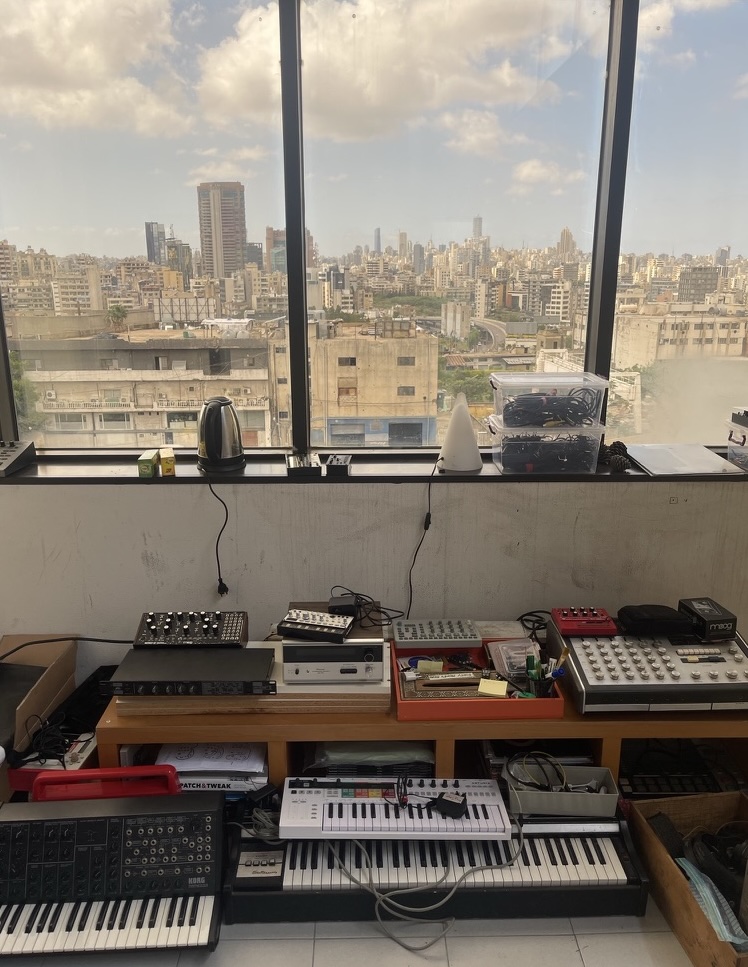
Initiatives that leverage music for direct relief have proven to be exceptionally impactful. For instance, fundraising efforts by Tunefork Studios and the Beirut Synthesizer Center, which were documented last month, have demonstrated a transparent and effective model for channeling donations into tangible aid. These operations have reported that the funds raised have translated directly into essential food supplies and relief for those in need on the ground. The operational transparency of these groups, including their use of platforms like Bandcamp, is crucial for building trust and facilitating aid. While the transaction fees associated with some digital platforms can be a point of discussion for optimizing donation efficiency, their utility as a tool for mobilizing support remains significant.
Among the recent artistic outputs that have emerged from this context, the album Al Wahem by PRAED, produced with support from Tunefork Studios, has been recognized as an early standout release of the year. It exemplifies the artistic innovation that continues to flourish despite the challenging environment.
Artistic Expressions of Resilience and History
Further demonstrating the depth and diversity of Lebanon’s musical talent, Mayssa Jallad continues to explore the intricate urban history of the country through her balladry. Her recent work, released on the esteemed Ruptured Records, delves into the narratives of the Ain el Helwe refugee camp and the Taamir social housing project near Saida, weaving together personal stories with broader historical and social commentary.
From a distinct artistic perspective, Sickrose Audio is exploring the complex interplay of "harmony between decay and allure in uncharted canvases." This collective has channeled the pervasive sense of unease and hardship into a compilation aimed at direct relief. The compilation serves as a cathartic expression, capturing a sense of determination and the spirit of enduring through immense difficulties. The track "Riptide" by Rise 1969, featured on this compilation, evokes a feeling of relentless spirit, a sentiment the author of the original article experienced firsthand during earlier visits to Lebanon. The descriptive notes accompanying the compilation articulate the prevailing mood: "Althea comes from a place of heaviness. Lebanon is going through one of its darkest moments. War has taken away safety, stability, and peace of mind. People are being forced from their homes. Families are separated. Lives are paused in uncertainty, fear, and grief. It’s impossible to celebrate without acknowledging this reality."
A Call to Action for the International Community
The current situation demands a more robust and sustained response from the international music community and its press. While a comprehensive historical analysis of the region’s complexities is beyond the scope of immediate crisis response, there is a clear need for music publications to amplify the efforts of Lebanese artists and aid organizations more broadly.
Individuals can contribute through various avenues. A straightforward starting point for donations is the "Lebanon Emergency Relief" fund, which has already surpassed a significant fundraising goal and is aiming for further contributions. This initiative represents a direct channel for providing essential assistance.
Lebanese writer Ayman Makarem, known for his work on the "Politically Depressed" platform, is actively involved in daily organizing and has launched a fundraiser that includes film screenings of his work. Makarem has been a consistent advocate for mutual aid, including support for LGBTQ+ communities, emphasizing practical assistance beyond mere fundraising.
Beyond financial contributions and sharing music, there is a broader imperative to engage in advocacy and to leverage networks for systemic change. For readers in the United States, it is noteworthy that political representatives, such as Rep. Rashida Tlaib, have introduced resolutions in Congress supporting the people of Lebanon, indicating avenues for political pressure. Exploring these and other media, economic, and diplomatic channels is crucial for addressing the root causes of the ongoing crisis and to advocate for a cessation of hostilities. The interconnectedness of the global music scene offers a powerful platform for raising awareness and mobilizing action, urging a collective voice to call for an end to this violence. The resilience of the Lebanese music community serves as a testament to the enduring power of art and solidarity in the face of adversity, a spirit that deserves amplified global recognition and support.