Reynand Wu
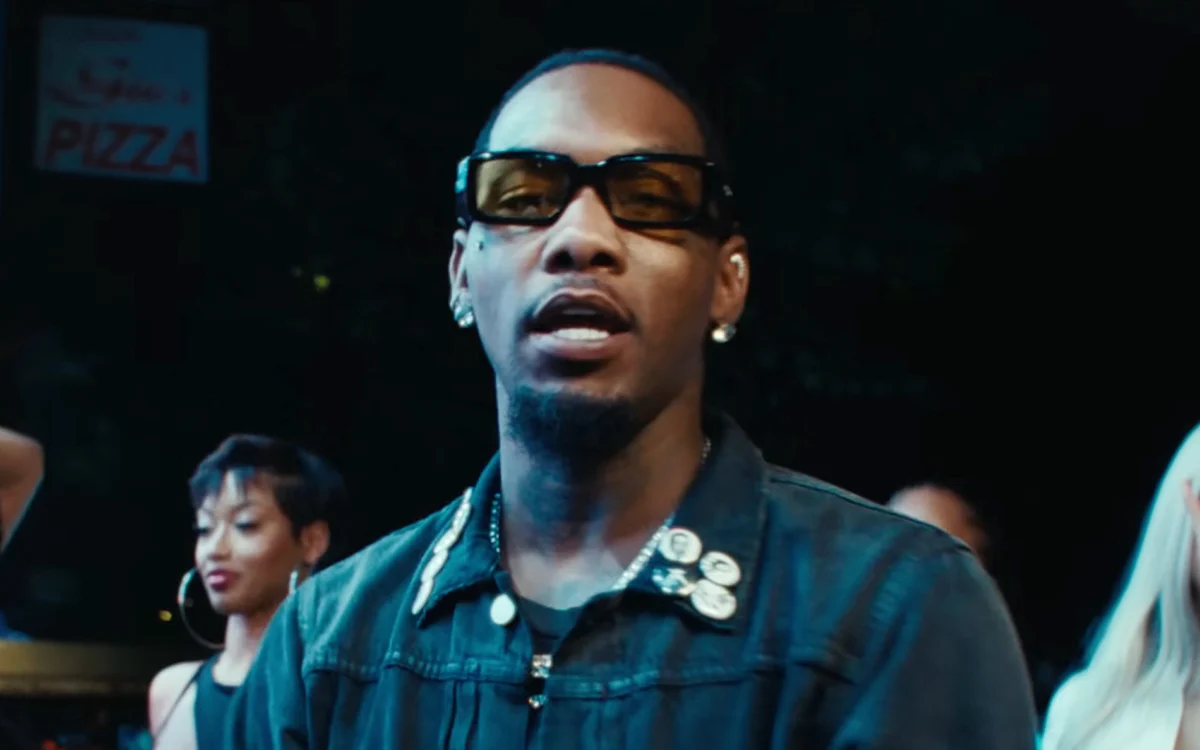
In a significant development that has sent ripples through the music industry, Memphis rapper Pooh Shiesty, whose real name is Lontrell Williams Jr., has been taken into federal custody alongside his father, Lontrell Williams Sr., and fellow artist Big30, for their alleged involvement in the armed robbery and kidnapping of prominent hip-hop mogul Gucci Mane and two other music industry professionals earlier this year. The arrests are part of a broader federal operation that saw eight defendants apprehended this week, with authorities still actively searching for a ninth suspect linked to the high-stakes incident. This dramatic turn of events underscores the severe legal challenges facing Pooh Shiesty, who was reportedly under federal home confinement at the time of the alleged offenses, stemming from a prior firearms conspiracy conviction.
Details of the Allegations: A Coordinated Armed Takeover
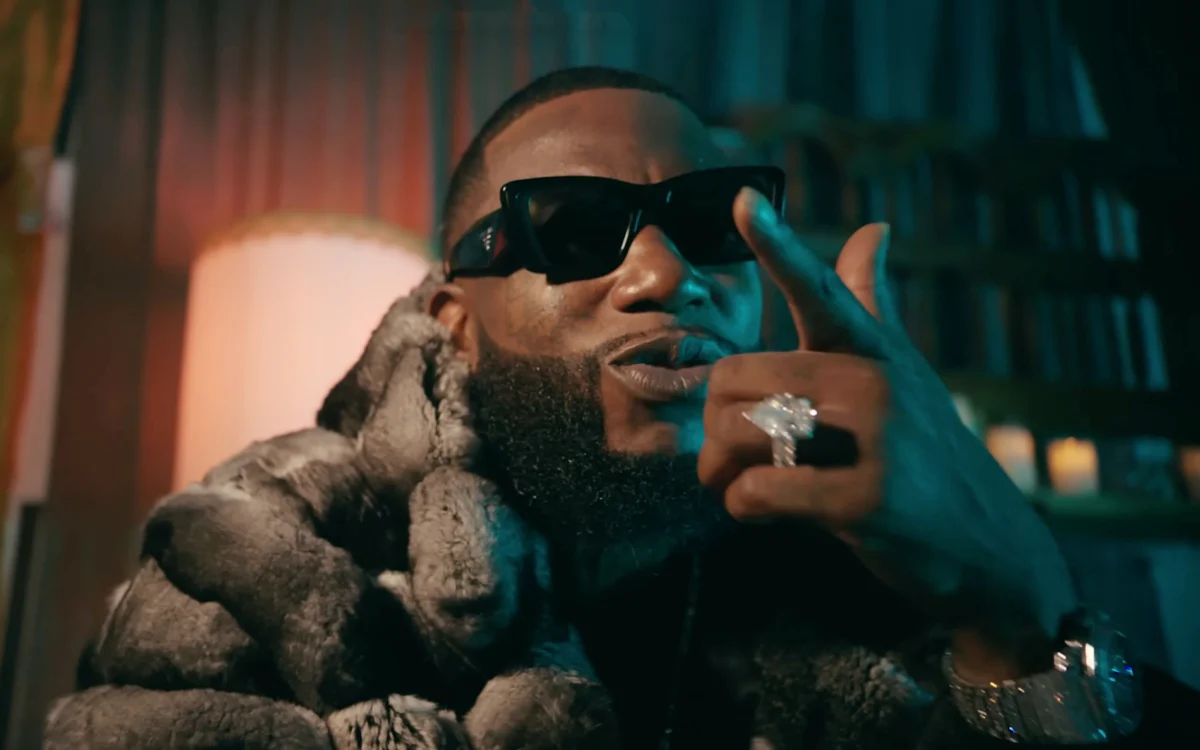
According to an official statement released by the U.S. Department of Justice (DOJ), the alleged incident unfolded on January 10 at a recording studio in Dallas, Texas. Pooh Shiesty reportedly arranged a meeting with Gucci Mane, the CEO of 1017 Records, and two individuals identified by the initials M.M. and B.P., under the guise of discussing the terms of Shiesty’s recording contract with 1017 Records. However, the DOJ asserts that upon their entry into the studio, the situation escalated dramatically.
The indictment describes a meticulously "coordinated armed takeover" orchestrated by Shiesty and his associates. It alleges that Pooh Shiesty brandished an AK-style pistol, using it to intimidate Gucci Mane and forcibly compel him to sign paperwork terminating his contract with 1017 Records. Simultaneously, Shiesty is accused of robbing Gucci Mane of several high-value personal items, including his wedding ring, an expensive watch, earrings, and a quantity of cash.
The allegations extend beyond Gucci Mane, detailing similar acts of aggression against the other two victims. The remaining defendants, according to the DOJ, brandished their own firearms and proceeded to rob M.M. and B.P. of their Rolex watches, other jewelry, cash, and various high-value possessions. The situation reportedly reached a critical point when Big30, whose real name has not been fully disclosed in the initial reports but is identified as a co-defendant, allegedly barricaded the studio door with his body, effectively trapping the victims inside and preventing their escape. Disturbingly, the victim identified as M.M. was reportedly choked to the brink of unconsciousness during the ordeal, highlighting the extreme violence and danger involved in the alleged kidnapping and robbery.
The Accused: Pooh Shiesty’s Trajectory and Prior Legal Entanglements
Pooh Shiesty, born Lontrell Williams Jr., rose to prominence in the hip-hop scene with a distinctive flow and gritty street narratives, quickly becoming one of the most talked-about new artists. His career gained significant momentum, particularly with the success of his breakout hit "Back In Blood" featuring Lil Durk, which became a staple on urban radio and streaming platforms. His association with Gucci Mane’s 1017 Records further solidified his position in the industry, marking him as a rising star with considerable potential.
However, Pooh Shiesty’s burgeoning career has been consistently overshadowed by a series of legal troubles. This latest arrest is not his first brush with the law, nor his most serious. Critically, at the time of the alleged Dallas incident in January, Pooh Shiesty was reportedly on federal home confinement. This status stemmed from a prior firearms conspiracy conviction in Florida. Records indicate that he had only been released from federal prison in October 2025, having served a four-year sentence. The short timeframe between his release and the alleged new offenses, coupled with the fact that he was under federal supervision, significantly complicates his current legal standing and could lead to harsher penalties if convicted, potentially including violations of his parole or supervised release.
The involvement of his father, Lontrell Williams Sr., and fellow rapper Big30, who is also an emerging artist often associated with Pooh Shiesty, adds another layer of complexity to the case. Big30, like Shiesty, has been building his own fan base and collaborating with other notable artists. Their alleged participation in such a serious federal crime could have devastating consequences for their respective careers and personal lives, particularly given the gravity of the charges.
The Alleged Victim: Gucci Mane, 1017 Records, and Industry Dynamics
Gucci Mane, real name Radric Davis, is a towering figure in hip-hop, widely recognized not only as a pioneering rapper but also as a successful record executive and entrepreneur. Having overcome his own well-documented struggles with the law and incarceration earlier in his career, Gucci Mane has successfully transitioned into a respected elder statesman of the genre, known for his prolific output and keen eye for talent. His label, 1017 Records (also known as 1017 Global Music), under the umbrella of Atlantic Records, has been instrumental in launching the careers of numerous successful artists, including Pooh Shiesty, Waka Flocka Flame, Young Thug, and others.
The alleged motive behind the incident – a contract dispute – sheds light on the often-contentious dynamics within the music industry. Artist-label relationships, particularly for burgeoning talents, can be fraught with complex negotiations, financial disagreements, and creative control issues. While disputes are common, the alleged use of armed force and kidnapping to resolve such matters represents an extreme and criminal departure from standard industry practices. This incident could send a chilling message throughout the industry regarding artist safety and the legal recourse available when contractual disagreements turn violent.
Gucci Mane’s own history, marked by periods of incarceration and subsequent redemption, provides a stark contrast to the current allegations. His efforts to build a legitimate music empire and mentor new talent are now cast under the shadow of this violent encounter, potentially impacting the perceived safety and stability of his business operations and the artists under his wing.
The Federal Investigation: Evidence and Due Process
The federal authorities, specifically the Department of Justice, have indicated that their investigation relied on a combination of robust forensic evidence and digital footprints. Investigators reportedly utilized fingerprints collected from the scene, rental car records that linked the suspects to the Dallas studio, and critically, social media posts. These social media posts, shared by the defendants just hours after the alleged incident, purportedly displayed the very items that were stolen from Gucci Mane and the other victims, providing a significant digital trail for law enforcement. The speed with which these posts surfaced and were subsequently used as evidence highlights the increasing role of digital forensics in modern criminal investigations.
The involvement of federal authorities, as opposed to state or local law enforcement alone, underscores the severe nature of the charges. Federal charges, particularly those involving kidnapping, armed robbery, and firearms offenses, typically carry significantly harsher penalties and are pursued with extensive resources. The Bureau of Alcohol, Tobacco, Firearms and Explosives (ATF) and the Federal Bureau of Investigation (FBI) are often involved in such cases, bringing their considerable expertise and jurisdiction to bear. The decision to pursue federal charges also suggests that the alleged actions crossed state lines or involved interstate commerce, granting federal agencies jurisdiction.
The legal process for federal charges is often lengthy and complex. The eight arrested defendants will undergo initial appearances, likely followed by detention hearings to determine if they pose a flight risk or danger to the community. Grand jury indictments will formally present the charges, leading to plea negotiations or, if no agreement is reached, a full trial. Throughout this process, the burden of proof rests firmly with the prosecution, who must prove guilt beyond a reasonable doubt.
Legal Ramifications and Potential Sentences
The charges brought against Pooh Shiesty and his co-defendants are exceptionally severe. Kidnapping, especially when coupled with armed robbery and the use of firearms, carries significant penalties under federal law. If convicted, each defendant faces a potential sentence of up to life imprisonment. This is not a hyperbolic statement but a very real possibility given the nature of the alleged crimes, which include violence, the use of deadly weapons, and the alleged deprivation of liberty.
Furthermore, Pooh Shiesty’s status as someone on federal home confinement at the time of the alleged incident adds another layer of legal peril. A conviction in this new case would almost certainly result in the revocation of his supervised release from his previous firearms conspiracy conviction, meaning he would likely serve additional time for that prior offense, compounded by any sentence received for the current charges. The federal sentencing guidelines are stringent, taking into account prior criminal history, the use of weapons, the level of violence, and the number of victims.
The legal teams representing the defendants will undoubtedly challenge the evidence presented by the prosecution, potentially arguing issues of identification, intent, or the voluntariness of statements or social media posts. However, the comprehensive nature of the DOJ’s evidence, including physical evidence, witness accounts, and digital forensics, presents a formidable challenge for the defense.
Broader Industry Impact and Implications
This high-profile case has far-reaching implications beyond the individuals directly involved. For the music industry, it raises serious concerns about artist safety, especially in the context of business dealings. The alleged use of violence to settle a contract dispute is an alarming precedent that could prompt labels, artists, and management companies to re-evaluate security protocols and the environments in which business negotiations take place.
It also highlights the persistent issue of legal troubles intertwining with artistic careers, particularly within certain subgenres of hip-hop. While many artists successfully navigate their careers without major legal issues, the narrative of "street credibility" sometimes blurs the lines between artistic expression and real-world criminal activity. This incident serves as a stark reminder that legal consequences for alleged criminal acts, especially at the federal level, can abruptly halt even the most promising careers.
For Gucci Mane and 1017 Records, the incident could impact their reputation, not necessarily for culpability, but for being embroiled in such a violent scenario. It may lead to a re-evaluation of how the label scouts and manages talent, particularly those with existing legal entanglements. The perceived safety of working with the label or attending meetings related to its artists might also come under scrutiny.
Statements and Silence
As of the latest reports, neither Pooh Shiesty, Big30, nor Gucci Mane have publicly addressed the charges or the allegations. This silence is largely expected and advisable in legal proceedings of this magnitude. Defense attorneys typically advise their clients against making public statements that could be used against them in court. Similarly, prosecutors and law enforcement agencies usually limit their public comments to official statements to avoid prejudicing potential jurors.
The Department of Justice’s official press release remains the primary public source of information regarding the specifics of the charges and the evidence gathered. As the case progresses through the federal court system, more details are expected to emerge through court filings and public hearings.
In conclusion, the arrests of Pooh Shiesty, his father, and Big30 mark a pivotal moment in their careers and for the wider hip-hop community. The severity of the federal charges, coupled with Pooh Shiesty’s prior legal history, points towards a protracted and challenging legal battle with potentially life-altering consequences. The music industry will be watching closely as this high-stakes case unfolds, with its implications for artist-label dynamics, personal safety, and the intersection of fame and legal accountability.