Nana Wu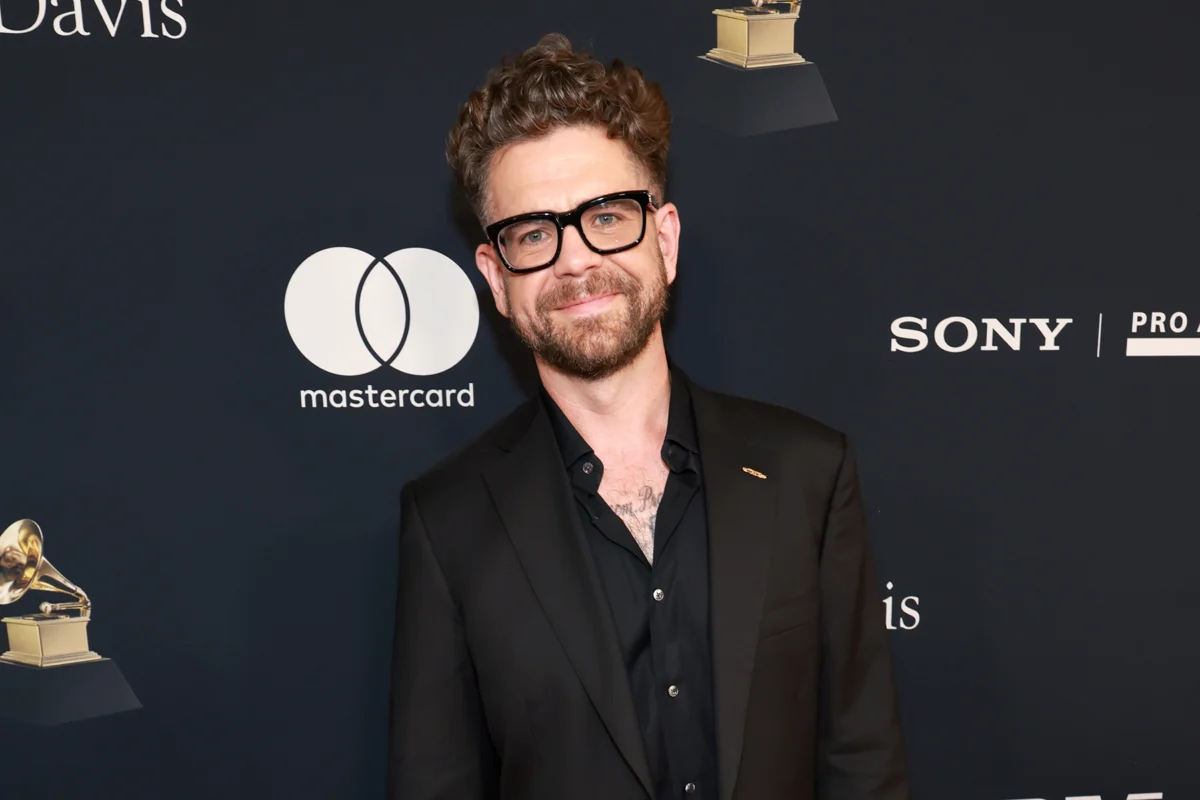
Jack Osbourne has vigorously defended the controversial decision to bring his late father, the legendary "Prince of Darkness" Ozzy Osbourne, back to the public eye as an AI-powered digital avatar. The announcement, made during a high-profile industry event, ignited a swift and impassioned wave of criticism from fans who viewed the move as disrespectful and a cynical commercial exploitation of the iconic musician’s legacy just months after his passing. Jack Osbourne, however, maintains that the project is a "tasteful" and technologically advanced endeavor, one that his father himself had discussed and would have endorsed.
The revelation about the AI-powered Ozzy avatar came to light on Wednesday, May 20, 2026, at the Licensing Expo in Las Vegas. Jack Osbourne, alongside his mother and long-time manager, Sharon Osbourne, formally unveiled the ambitious initiative during a panel discussion focused on the future trajectory and brand management of Ozzy Osbourne’s extensive legacy. The family has entered into a strategic partnership with Hyperreal, a leading digital human technology company renowned for its advancements in creating lifelike virtual representations. According to Hyperreal, their technology will enable the Ozzy avatar to "have conversations with fans and move, speak, and respond as Ozzy would." Jack Osbourne, present at the expo, expressed a blend of awe and slight apprehension, noting, "It’s kind of scary how it’s really very accurate. He will exist digitally as himself for as long as we have computers." The interactive digital experiences are slated to roll out in the United States and the United Kingdom, appearing on life-sized interactive touchscreens, beginning in late summer 2026.
The Genesis of a Digital Legacy
The concept of a digital avatar for Ozzy Osbourne emerges against the backdrop of a storied and influential career, spanning over five decades. John Michael "Ozzy" Osbourne, born December 3, 1948, rose to global prominence as the lead vocalist of the pioneering heavy metal band Black Sabbath, before embarking on an enormously successful solo career. Known for his theatrical stage presence, distinctive voice, and often controversial persona, Ozzy became a cultural icon, influencing generations of musicians and fans. His life, often chronicled in the public eye, including through the hit reality television show "The Osbournes," made him a household name far beyond the realm of rock music.
In the years leading up to his death, Ozzy Osbourne faced significant health challenges. He publicly battled Parkinson’s disease, suffered a debilitating fall, and underwent multiple spinal surgeries, which severely impacted his ability to tour and perform live. Despite these setbacks, he remained a potent creative force, releasing new music and expressing a deep desire to return to the stage. His eventual passing in July 2025 at the age of 76 marked a profound loss for the music world, leading to an outpouring of tributes from fans and peers alike. It is this context of his declining health and his enduring desire to connect with his audience that the Osbourne family now cites as a motivating factor behind the AI avatar project. The notion of "digital immortality" offers a pathway for artists, particularly those whose physical health has deteriorated, to continue engaging with their fanbase.
Public Outcry and Digital Discontent
The announcement of the AI-powered Ozzy avatar was met with immediate and vocal disapproval across various online platforms, particularly on social media. Many fans expressed profound discomfort and outright anger, perceiving the initiative as a crass attempt to capitalize on Ozzy’s memory and legacy. The primary criticisms centered on themes of commercial exploitation, a perceived lack of respect for the deceased artist, and the inherent inauthenticity of a digital reproduction.
One user on X (formerly Twitter) articulated a sentiment shared by many, stating, "Poor dude’s soul was literally floating away but was quickly lassoed by Sharon and then yanked back down to earth, where he’ll be on digital life support and forced to continue dancing for every sad soul who wants to ask him a question…except it’s not even him." This comment encapsulates the feeling that the avatar project diminishes Ozzy’s spiritual repose and reduces his artistic essence to a mere product. Another critic lamented the timing, noting, "Wow! A year hasn’t even passed since Ozzy’s passing and they are already trying to commercialize and profit from his memory." This highlights the sensitivity surrounding the mourning period and the perception that the family is moving too quickly to monetize his posthumous image. A third skeptical commenter declared, "Can’t just let his legacy speak for itself, this would be f***in disgraceful," underscoring the belief that Ozzy’s monumental career should stand on its own, untainted by digital recreations. These reactions reflect a broader public debate about the ethics of using advanced technology to extend the presence of deceased public figures, especially when commercial interests are perceived to be paramount.
Jack Osbourne’s Forceful Rebuttal
In response to the escalating criticism, Jack Osbourne took to his YouTube channel for a livestream, directly addressing the backlash with an impassioned defense of the project. His tone was resolute, emphasizing the family’s commitment to artistic integrity and the advanced nature of the technology involved. "Here’s the thing, it’s gonna be so tasteful what we’re doing. It’s not gonna be f***ing lame," he asserted, directly countering the accusations of tastelessness and commercialism.
Osbourne elaborated on the technological sophistication underpinning the avatar, aiming to dispel notions that it is a simplistic or rudimentary creation. "It’s really complex what we’re doing. This isn’t just like hooking up an image of my dad to ChatGPT. This is some high-level technology that we’re gonna be working with, and it’s gonna feel very real, and it’s kind of wild how it will be utilized." This distinction is crucial, as it attempts to position the Hyperreal partnership as a cutting-edge venture rather than a mere digital puppet show. The reference to "high-level technology" suggests advanced AI, machine learning, and sophisticated graphical rendering capabilities designed to capture the nuances of Ozzy’s personality, speech patterns, and mannerisms. The goal, presumably, is to create an experience that transcends basic interactivity, aiming for a genuine sense of engagement with the digital "Prince of Darkness."

Crucially, Jack Osbourne revealed that the concept of a digital avatar was not a post-mortem invention but an idea that had been discussed with Ozzy himself prior to his death. "It’s really cool, and it’s something that I think my dad would be into," he stated. "We actually talked about it before he passed, about doing something like this. So, yeah. I know he would be into this." This statement is intended to provide a critical layer of ethical justification, suggesting that the family is honoring Ozzy’s wishes and extending his legacy in a manner he would have approved of. The implication is that this project is not solely a commercial venture but also a fulfillment of an unexpressed desire from the artist himself to maintain a connection with his fanbase, even after his physical departure.
The Broader Landscape of Digital Immortality
The Ozzy Osbourne AI avatar project is not an isolated phenomenon but rather part of a burgeoning trend within the entertainment industry to leverage advanced technology for posthumous performances and digital representations of deceased artists. This movement, often termed "digital immortality," seeks to extend the careers and presence of beloved figures through various forms of virtual reality, augmented reality, and AI.
One of the most notable and commercially successful examples is ABBA Voyage, a groundbreaking concert residency in London featuring digital "ABBAtars" of the Swedish pop group performing live with a band. While ABBA’s members are still alive and actively involved in the project, their digital likenesses offer a glimpse into the potential for deceased artists. Similarly, holographic performances of artists like Tupac Shakur at Coachella in 2012 and Whitney Houston, who embarked on a posthumous hologram tour, have tested the waters of audience acceptance for digital resurrections. These projects, while often technologically impressive, have consistently sparked debates about authenticity, artistic integrity, and the emotional resonance of interacting with a non-living entity.
The technology employed by Hyperreal, as described by Jack Osbourne, appears to push beyond mere holographic projections. The promise of an AI-powered avatar capable of "conversations" and dynamic responses suggests a more sophisticated form of interaction, leaning into the capabilities of generative AI to mimic human communication and personality. This places the Ozzy avatar in a unique position at the forefront of this evolving technological frontier.
Ethical and Commercial Implications
The debate surrounding the Ozzy Osbourne AI avatar project underscores several complex ethical and commercial considerations that the entertainment industry continues to grapple with. Ethically, the primary concern revolves around the consent of the deceased and the respectful stewardship of their legacy. While Jack Osbourne claims his father was "into" the idea, the nuance of formal consent and the potential for public misinterpretation remain points of contention. Who truly owns an artist’s likeness and creative output after their death? And to what extent should families or estates be empowered to utilize these assets, particularly for commercial gain?
The commercial implications are vast. A successful AI avatar could generate significant revenue streams through interactive experiences, virtual concerts, merchandise, and even new digital content. For artists with extensive catalogs and loyal fanbases, this represents a powerful new avenue for monetization. However, this potential financial gain often clashes with public perceptions of authenticity and the sacredness of an artist’s memory. The balance between preserving a legacy and exploiting it for profit is a delicate one, and the public’s reaction to the Ozzy avatar highlights this tension.
Furthermore, the proliferation of AI avatars raises questions about the future of live performance and artistic creation. Will digital artists eventually replace human performers? What does it mean for the connection between an artist and their audience if that artist is no longer physically present? While proponents argue that these technologies offer new ways to experience and celebrate beloved artists, critics worry about the erosion of genuine human connection and the potential for a sterile, manufactured entertainment landscape.
The Road Ahead
As the late summer 2026 launch approaches, the Ozzy Osbourne AI avatar project will undoubtedly remain a focal point of discussion within both the music industry and the broader cultural sphere. Jack Osbourne’s staunch defense, coupled with the family’s assertion of Ozzy’s prior approval, aims to frame the initiative as a loving tribute rather than a commercial exploitation. However, the initial fan backlash demonstrates a significant segment of the audience remains skeptical, valuing the authentic, finite nature of an artist’s life and work over any technologically extended presence.
The success of the Ozzy avatar will hinge not just on its technological prowess but, more importantly, on its ability to resonate emotionally with fans. Can a digital recreation truly capture the essence of the "Prince of Darkness," a performer renowned for his raw energy, unpredictability, and deeply human flaws? Or will it be perceived as a hollow imitation, further cementing the criticisms leveled against it? The project serves as a critical case study in the evolving relationship between technology, celebrity, and legacy in the 21st century, promising to shape future discussions on digital immortality for years to come.