Kholidah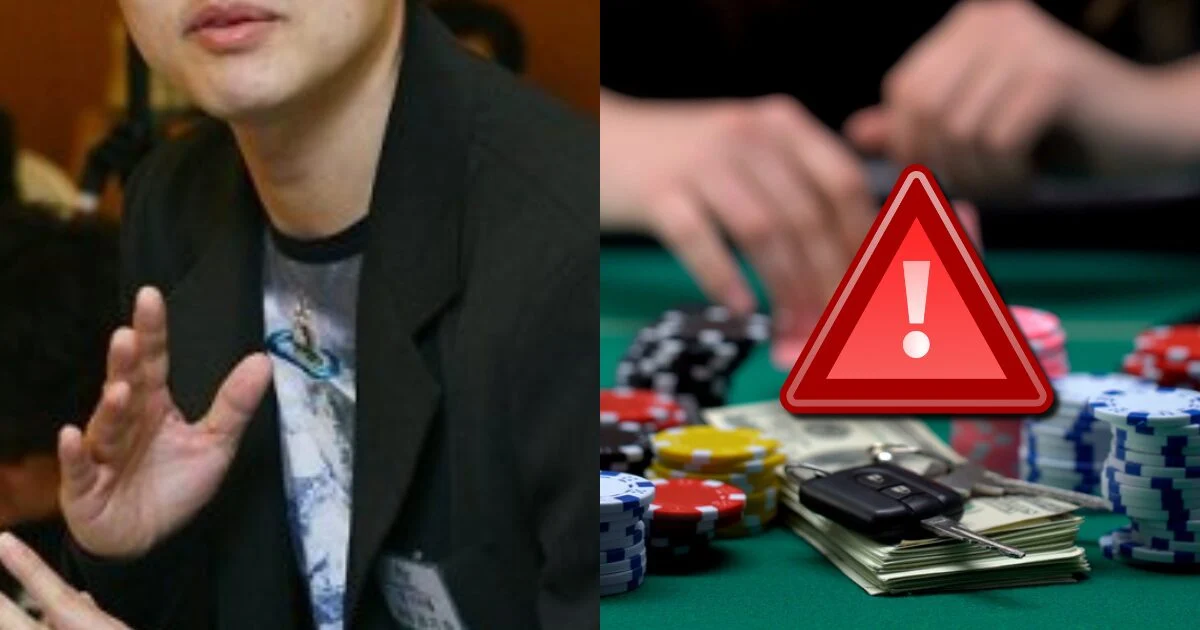
The landscape of the South Korean entertainment industry is often characterized by its rapid cycles of fame and its stringent moral expectations for public figures. Few stories illustrate this volatility as vividly as that of Gong Ki Tak, a former television comedian whose career trajectory shifted from the heights of national popularity to a decade-long exile following a high-profile legal scandal. After thirteen years of relative obscurity, Gong has re-emerged not as a performer, but as a recognized professional poker player, sparking a renewed discussion regarding the nature of rehabilitation, the stigma of gambling, and the evolving definition of "mind sports" in contemporary society.
The Genesis of a Comedic Career: The 1995 KBS Debut
Gong Ki Tak’s entry into the world of entertainment was marked by significant promise and industry-wide recognition. He was a member of the prestigious 12th class of open-recruitment comedians for the Korean Broadcasting System (KBS), a group that has produced some of the most enduring figures in Korean variety and comedy. Gong’s ascent began in 1995 when he secured the Grand Prize at the KBS College Comedy Festival, an accolade that served as a direct gateway to a career in terrestrial television.
During the late 1990s and early 2000s, Gong was a fixture in the comedy circuit, known for his sharp wit and versatility. As an officially recruited talent, he enjoyed the stability and visibility afforded by the "open audition" system, which at the time was the primary vehicle for comedic stardom in South Korea. His peers from the 12th class included notable names who would go on to dominate the industry, placing Gong in a cohort of significant influence. However, the trajectory of his professional life would be irrevocably altered by personal choices that clashed with the legal and social frameworks of the time.
The 2013 Illegal Gambling Scandal: A Career-Ending Crackdown
The definitive turning point in Gong Ki Tak’s life occurred in 2013, a year that saw one of the largest crackdowns on illegal gambling in the history of the Korean entertainment industry. The investigation targeted "mat-dae-gi," a form of private sports betting conducted through mobile devices, which allowed participants to wager on international sporting events, such as the English Premier League, outside the state-sanctioned "Sports Toto" system.
While several high-profile celebrities were implicated in the scandal—including household names like Lee Soo Geun, Tak Jae Hoon, and Tony Ahn—it was Gong Ki Tak who faced the most severe public backlash and legal scrutiny. The investigation revealed that Gong had wagered a staggering 1.79 billion KRW (approximately $1.3 million USD) over several years. This figure was the highest recorded among all the celebrities involved in the 2013 crackdown. For comparison, other stars involved in the same scandal were found to have wagered amounts ranging from 290 million KRW to 370 million KRW.

The legal repercussions were swift. Gong was sentenced to six months in prison, suspended for one year of probation. However, the judicial sentence was only the beginning of his punishment. In the South Korean entertainment sector, legal infractions involving gambling often lead to an immediate and indefinite "blacklist" from terrestrial broadcasting networks such as KBS, MBC, and SBS. Gong was effectively ousted from the industry, his name becoming synonymous with the excesses of the gambling scandal.
Thirteen Years in the Shadows: The Impact of the Broadcast Ban
For thirteen years, Gong Ki Tak remained largely absent from the public eye. Unlike some of his contemporaries who were able to return to television after a period of reflection and public apology, the sheer scale of Gong’s betting history made his path to redemption significantly more difficult. The "broadcast ban" imposed by terrestrial networks is a powerful tool of social regulation in Korea, often reflecting the public’s unwillingness to forgive perceived moral failings in public figures.
During this hiatus, Gong attempted to navigate a life outside of the spotlight. According to recent accounts, he explored various vocational paths, seeking to distance himself from the persona that had been tarnished by the 2013 events. This period of his life was characterized by a total withdrawal from the variety shows and comedy stages that had once been his home. The silence from his end led many to believe that his career in the public sphere had reached a permanent conclusion.

The Re-emergence: From Comedian to Professional Poker Player
The silence was finally broken in May 2026, when Gong Ki Tak appeared as a guest on a YouTube channel hosted by fellow comedian Kim Sook. The video featured a reunion of KBS comedians, including Hong Seok Cheon and Lee Jang Sook. The appearance was significant not only for its nostalgia but for the revelation of Gong’s current profession.
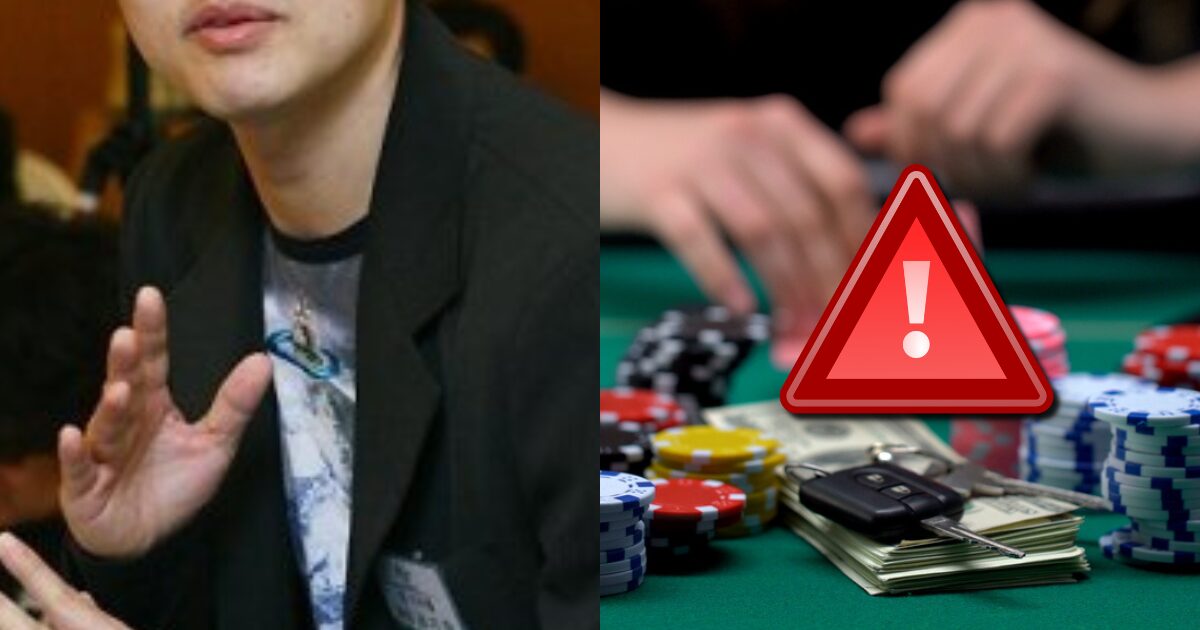
During the broadcast, Lee Jang Sook jokingly referred to Gong as a "gambler," a term that carries a heavy negative weight in Korean society. Gong, however, was quick to correct the terminology, drawing a sharp distinction between his past illegal activities and his current professional status. He clarified that he is now a professional poker player, specifically focusing on Texas Hold’em.
Gong emphasized that his transition was not a return to gambling, but a pivot into a competitive "mind sport." He noted that he is one of the few individuals in South Korea whose official public profile identifies them as a "professional poker player." This distinction is crucial in the current cultural climate, where professional poker is increasingly viewed as a game of skill, strategy, and psychological endurance rather than a game of chance.

Success on the International Circuit: Trophies and Recognition
Gong Ki Tak’s transition into professional poker appears to be more than a mere hobby. He revealed that he has dedicated himself to mastering the intricacies of Hold’em, participating in various international tournaments. His efforts have resulted in several championship trophies, signaling that he has achieved a level of proficiency that places him among the competitive elite.
The shift from comedy to poker is a path that has been tread by other notable South Korean figures, such as former professional gamers Lim Yo-hwan and Hong Jin-ho. By framing poker as a "mind sport," these individuals have worked to shift public perception away from the stigma of the 2013 gambling scandals and toward a respect for the intellectual rigor required by the game. For Gong, this professionalization represents a way to utilize his analytical skills in a regulated, legal environment that is fundamentally different from the private, illegal betting that led to his downfall.
Broader Implications: The Changing Landscape of Redemption and Media
Gong Ki Tak’s return via YouTube rather than traditional television highlights a significant shift in the South Korean media landscape. While terrestrial broadcasters maintain strict "blacklist" policies, digital platforms like YouTube offer a space for marginalized or controversial figures to reconnect with audiences. This "digital bypass" allows for a more nuanced presentation of a person’s life, moving beyond the headlines of a decade-old scandal.

Furthermore, Gong’s story reflects an evolving societal stance on gambling and professional gaming. In South Korea, there is a growing movement to legalize and regulate various forms of poker as a legitimate sport. The rise of "Hold’em pubs" and domestic poker leagues suggests that the public’s relationship with the game is changing. However, the distinction between "legal professional play" and "illegal gambling" remains a sensitive line, one that Gong Ki Tak is clearly intent on navigating with care.
Analysis: The Psychology of the Second Act
Gong Ki Tak’s journey from the 1.79 billion KRW scandal to the professional poker table is a rare example of a "second act" in a culture that often offers no such thing. His decision to embrace a profession that is adjacent to the very activity that ruined his first career is both bold and controversial. By choosing to become a professional poker player, he is essentially attempting to reclaim the narrative of his life—transforming a past "vice" into a current "virtue" of professional skill.
The reaction from the public and his peers has been a mixture of surprise and cautious support. His reunion with Kim Sook and Hong Seok Cheon suggests that within the industry, there is a level of personal forgiveness, even if the corporate structures of broadcasting remain closed to him. Whether the general public will fully accept his new identity remains to be seen, but his success in international tournaments provides a factual basis for his claim to professional status.

Conclusion: A Legacy of Resilience and Re-invention
The case of Gong Ki Tak serves as a complex case study in the intersection of celebrity, law, and personal transformation. His fall from grace in 2013 was one of the most dramatic in the history of Korean comedy, marked by a financial figure that shocked the nation. Yet, thirteen years later, his re-emergence as a professional poker player suggests a resilience that refuses to be defined solely by past mistakes.
As he continues to compete in the international arena, Gong Ki Tak stands as a figure who has navigated the harsh realities of ouster and the slow, arduous process of re-invention. While he may never return to the comedy stages of KBS, his new career in the world of mind sports offers a different kind of spotlight—one earned through strategy and skill rather than punchlines. His story remains a poignant reminder that while the entertainment industry may be quick to oust, the human capacity for change and the search for a second chance remains a persistent force.